The African Queen




Short description
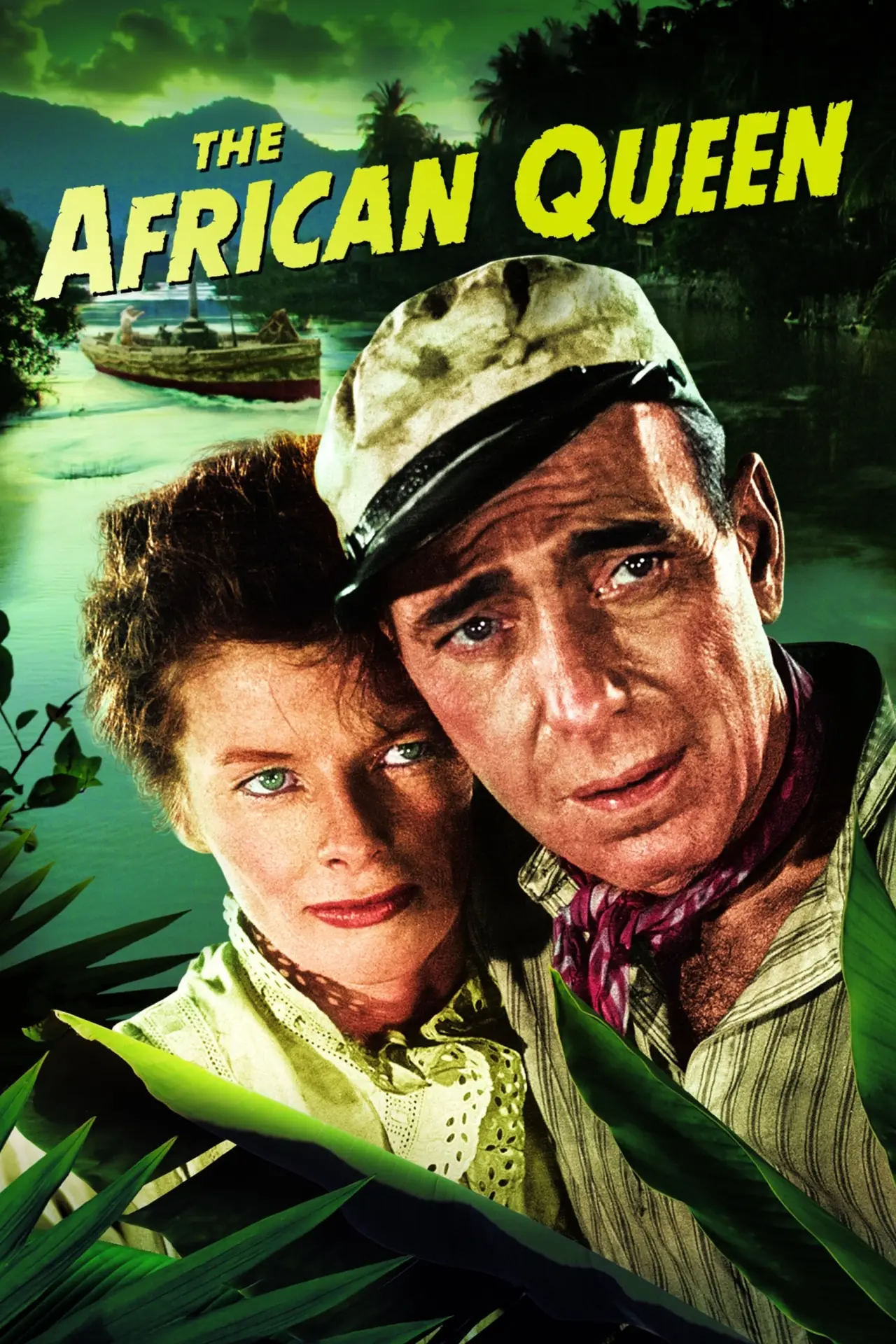
Set in East Africa at the outbreak of the First World War, The African Queen follows Charlie Allnut, a hard-drinking riverboat captain, and Rose Sayer, a stern missionary. When German troops reach the remote mission where she lives, Rose escapes with Charlie aboard his ageing steamer. The two are opposites, and their journey downriver is marked by constant friction as they try to survive both the river and the enemy forces pursuing them.
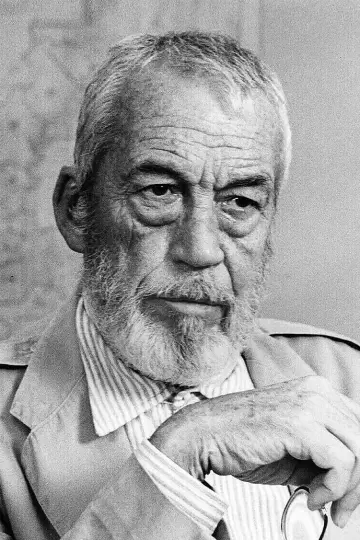
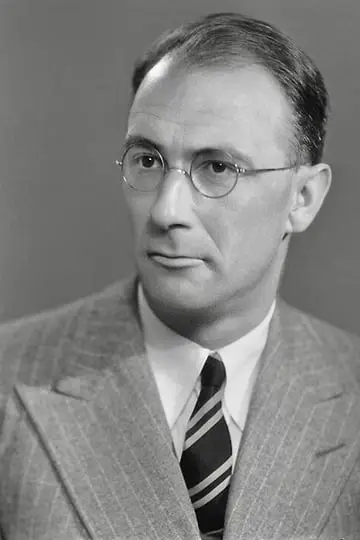
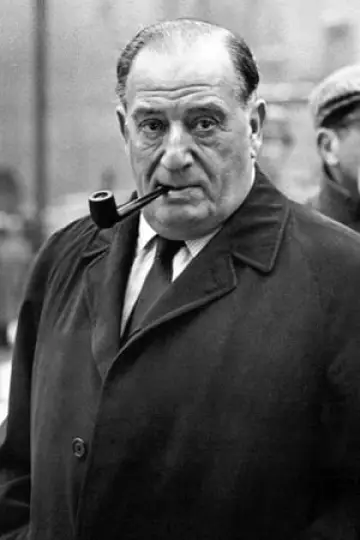
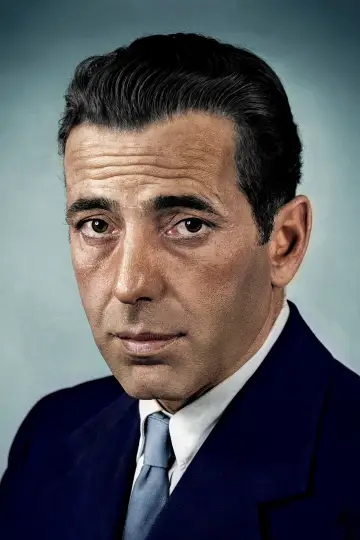
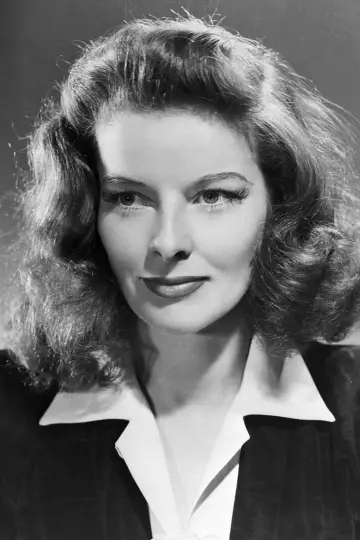
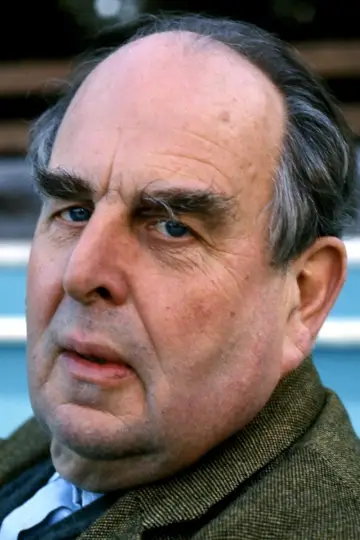
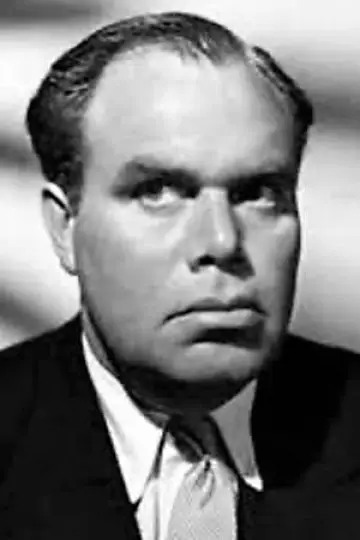
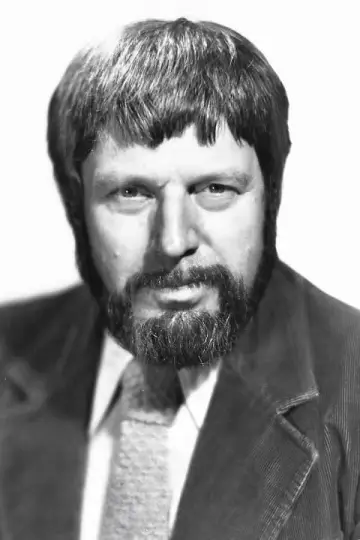
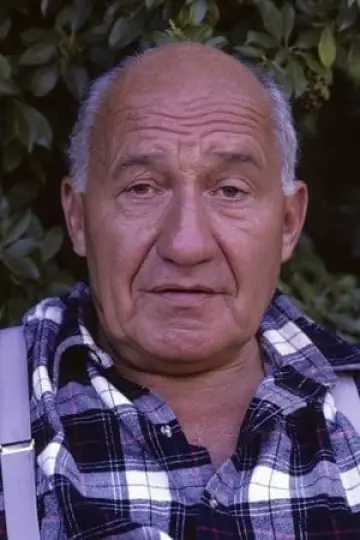
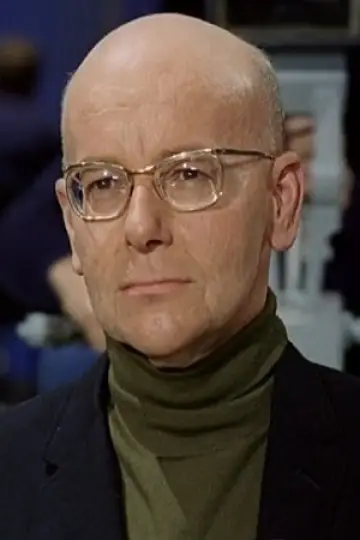
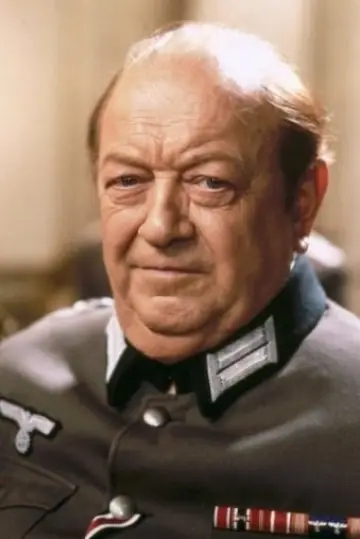
John Huston directed the film, the fifth of the twenty-two features he made in chronological order, following The Asphalt Jungle and preceding Moulin Rouge. He wrote the screenplay with James Agee, and Sam Spiegel and John Woolf produced. Humphrey Bogart plays Charlie and Katharine Hepburn plays Rose, with Robert Morley, Peter Bull, Theodore Bikel and Walter Gotell in supporting roles. Made for about one million dollars, the film returned roughly eleven million dollars worldwide.
On IMDb it holds 7.7 out of 10 from more than eighty-two thousand votes, while on TMDB it has 7.3 from a much smaller number of ratings. A critics' rating of 8.8 from fifty-two reviews places it above both audience scores.
What's left behind the scenes
- John Mills and Bette Davis were the first choices for the lead roles. Later, in 1938, Bette Davis was considered to partner with David Niven. Nine years later, the project was again intended to be launched – at that moment, James Mason would have been Davis's partner. Bette made a third, final attempt to return to the ill-fated film in 1949, but it was too late – the studio had already given the role to Katharine Hepburn.
- The scenes with the reed bank were filmed in Dalyan, Turkey.
- The barge 'African Queen', operated by Charlie Allnut, was actually named 'LS Livingston' and served for 40 years before being handed over to Hollywood. Today, it has become a decoration of the 'Hollywood Inn' motel in Key Largo, Florida. Notably, 'Key Largo' (1948) is the title of one of the previous collaborations between John Huston and Humphrey Bogart.
- Disneyland adapted the film's plot as the basis for the "Jungle Cruise" attraction.
- To express her disgust with Houston and Bogart's penchant for alcohol, Hepburn deliberately drank only water. As a result, she became seriously ill with dysentery.
- For Houston, "The African Queen" was a special film. Numerous legends circulated about his dismissive attitude towards filming and his absorption in elephant hunting. The story of the film's production can be found in Hepburn's autobiography, and screenwriter Peter Viertel adapted these legends for his novel "White Hunter Black Heart"; its film adaptation in 1990 was directed by Clint Eastwood.
- The union of Berlin film distributors demanded the film be removed from the Berlin Film Festival program, as it had anti-German sentiments.
- From the very beginning, John Huston insisted on location shooting. In search of a river similar to the one described in Forester's novel, he flew thousands of kilometers, crossing Africa from end to end by plane, until he settled on the Ruki River in the Belgian Congo. In an era when location shooting was not common, this was a feat in itself, especially considering that the film largely consists of dialogue. Huston believed that location shooting was the only way to make the film believable and authentic. Even when filming took place in a studio, Huston strived for maximum naturalism.





 Auditions in India
 Casting calls in USA
 Castingi w Polsce
 Кастинги в Україні
