Rear Window




Short description
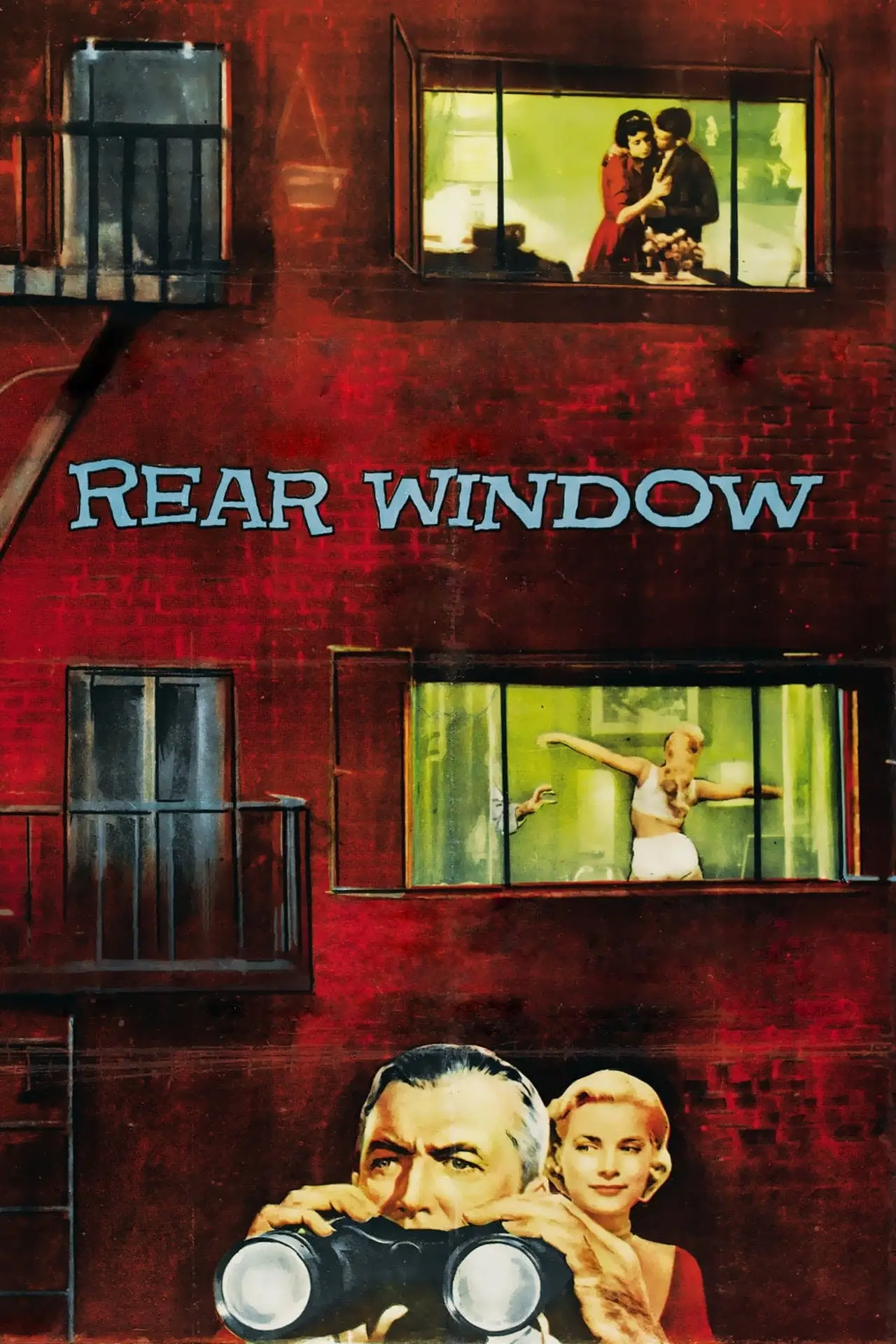
L.B. "Jeff" Jefferies is a photojournalist confined to his New York apartment with a broken leg. Bored by his forced inactivity, he begins watching the residents of the courtyard outside his window, studying their routines through his camera lens. His girlfriend Lisa and his nurse Stella take little interest at first, but his attention settles on a neighbor across the way whose behavior seems increasingly odd, and whose wife has gone quiet. Convinced a crime has been committed, Jeff keeps his watch on the courtyard, though he cannot leave his chair to prove anything.
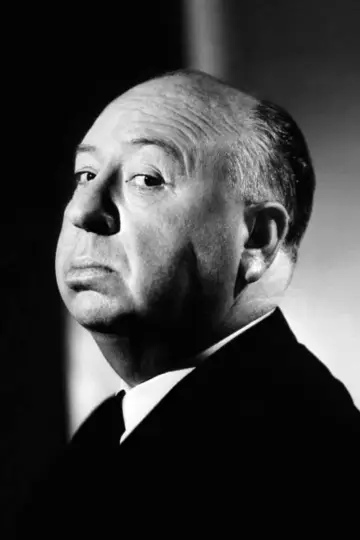
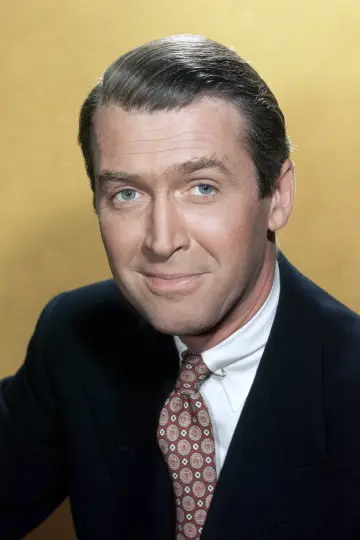
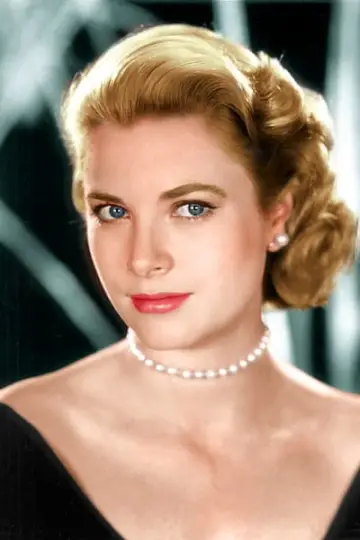
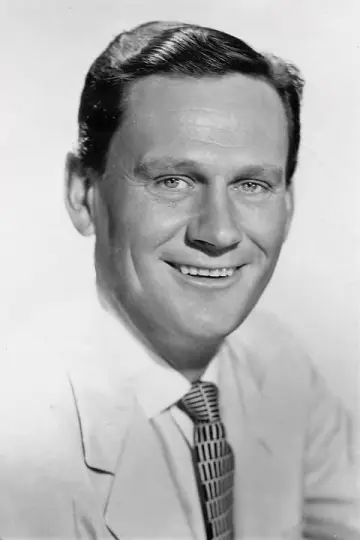
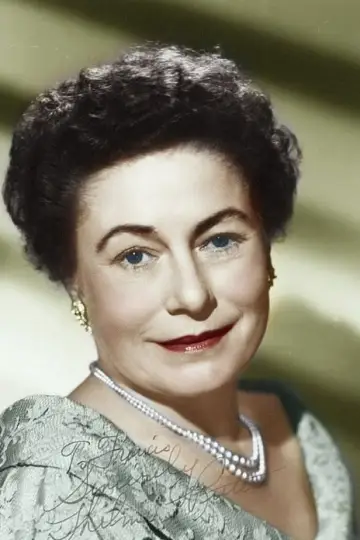
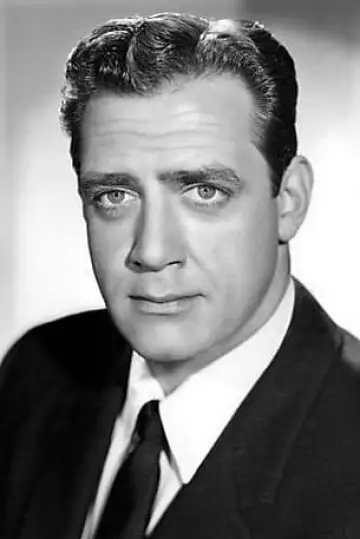
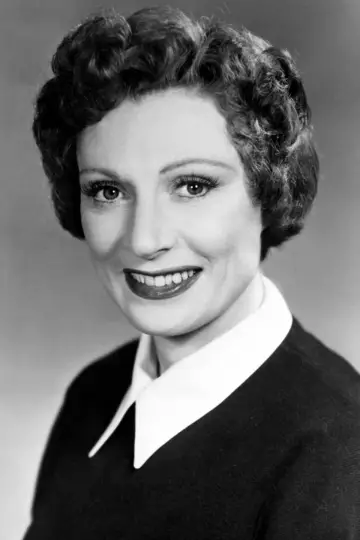
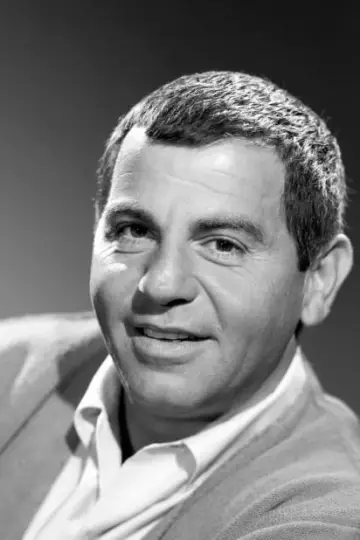
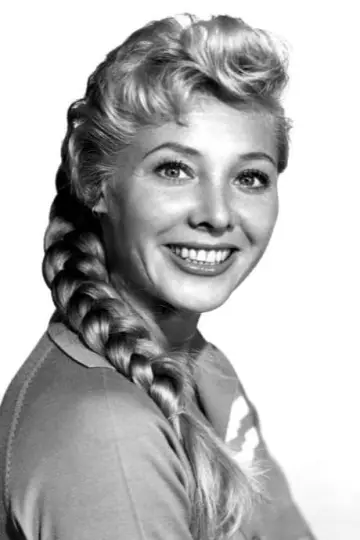
Alfred Hitchcock directed and produced the film, the twenty-eighth of the forty-three features he directed in chronological order, following I Confess and preceding Dial M for Murder. John Michael Hayes wrote the screenplay. James Stewart plays Jeff, with Grace Kelly as Lisa, Wendell Corey as the detective Thomas Doyle, Thelma Ritter as Stella, Raymond Burr as the neighbor Lars Thorwald and Judith Evelyn as Miss Lonelyhearts. Forty performers receive credit.
Made for about two million dollars, the film returned roughly thirty-seven million worldwide, a strong result for its time. It holds an 8.5 rating on IMDb across some 567,000 votes and an 8.3 on TMDB from a smaller electorate of about 7,400. A critics' rating of 9.6 from 134 reviews places it above both audience scores, indicating that professional assessments of the film run even higher than the general public's.
What's left behind the scenes
- The film is based on Cornell Woolrich's short story "Surely, It Was Murder".
- Alfred Hitchcock's cameo – he winds a watch in the musician's apartment.
- The comical episode with the mattress in the rain was provoked by the director: he told the man to pull it towards the left window, and the woman – towards the right. This confused the actors, and the scene made it into the film without additional takes.
- The studio sets used in the film were the largest built at Paramount Pictures at the time of its creation.
- The love relationship between the main character and his girlfriend was modeled after the romance between the famous photographer Robert Capa and the actress Ingrid Bergman.
- The main character uses an Exakta VX camera with a Kilfitt Fern-Kilar f/5.6 400mm lens and wears a Tissot watch.
- This is the only film in which Grace Kelly can be seen with a cigarette.
- The colors on the film faded and bleached as early as the 1960s, and the film stock was damaged. Despite fears that the film was lost forever, experts managed to restore it.
- The entire film was shot on one set, which required months of painstaking work (planning and construction). The set, featuring apartments and a courtyard, was 30 meters wide, 145 meters long, and 12 meters high, and included 31 apartments, 8 of which were fully furnished. The courtyard set was located 6-9 meters below, and some buildings were 5-6 stories high. All apartments were equipped with electricity and water.
- During filming, Alfred Hitchcock (1899-1980) consistently remained in Jeff's 'apartment,' while actors and actresses in other apartments listened to the director's instructions and directions through an earpiece.
- Alfred Hitchcock allowed Georgine Darcy (1931-2004) to choreograph her own dance independently. The only thing he forbade her was to consult or take lessons from professional dancers, as he wanted her to give the impression of being a non-professional dancer.
- Filming lasted a month, and throughout this time Georgine Darcy 'lived' in her character's apartment, resting there between takes as she would at home.
- The effect of sunlight was created by using a thousand arc lamps. It took about 45 minutes to change the lighting in the frame from day to night, as required by the script.
- All sounds in the film are diegetic, meaning their sources belong to the world constructed within the work on screen. This applies to all music, voices, and other sounds, with the only exception being the orchestral music, which is heard very briefly at the beginning of the film.
- In the original work by Cornell Woolrich (1903-1968), which served as the literary basis for the plot, there was no love story, nor were there additional neighbors that the character played by James Stewart (1908-1997) observed. These plot elements were invented by Alfred Hitchcock and screenwriter John Michael Hayes (1919-2008). At Hitchcock’s insistence, Hayes specifically spent his free time with actress Grace Kelly (1929-1982), and some of her character’s traits were incorporated into the image and script as a result of interacting with Kelly.
- Before filming the scene where the protagonist uses a flashbulb against the character played by Raymond Burr (1917-1993), several members of the film crew specifically went into a darkened room where another member of the creative team used a flashbulb on them. Afterwards, they reported seeing bright, rapidly expanding orange circles. To ensure the audience saw a similar effect, Hitchcock enlisted the services of special effects expert John P. Fulton (1902-1966).
- According to Alfred Hitchcock, the film's plot was partially inspired by the 1910 story of Dr. Hawley Harvey Crippen, who, while living in London, poisoned his wife and dismembered her body, telling the police she had gone to Los Angeles. Crippen was eventually exposed because his secretary, with whom he was having an affair, began appearing in public wearing Mrs. Crippen’s jewelry, and a family friend unsuccessfully searched for her in California. Scotland Yard became involved. Crippen and his lover fled, but were intercepted aboard a liner. Parts of Mrs. Crippen’s body were found concreted into the basement of the Crippen’s home.
Similar movies


 Auditions in India
 Casting calls in USA
 Castingi w Polsce
 Кастинги в Україні
