Murder by Death



Short description
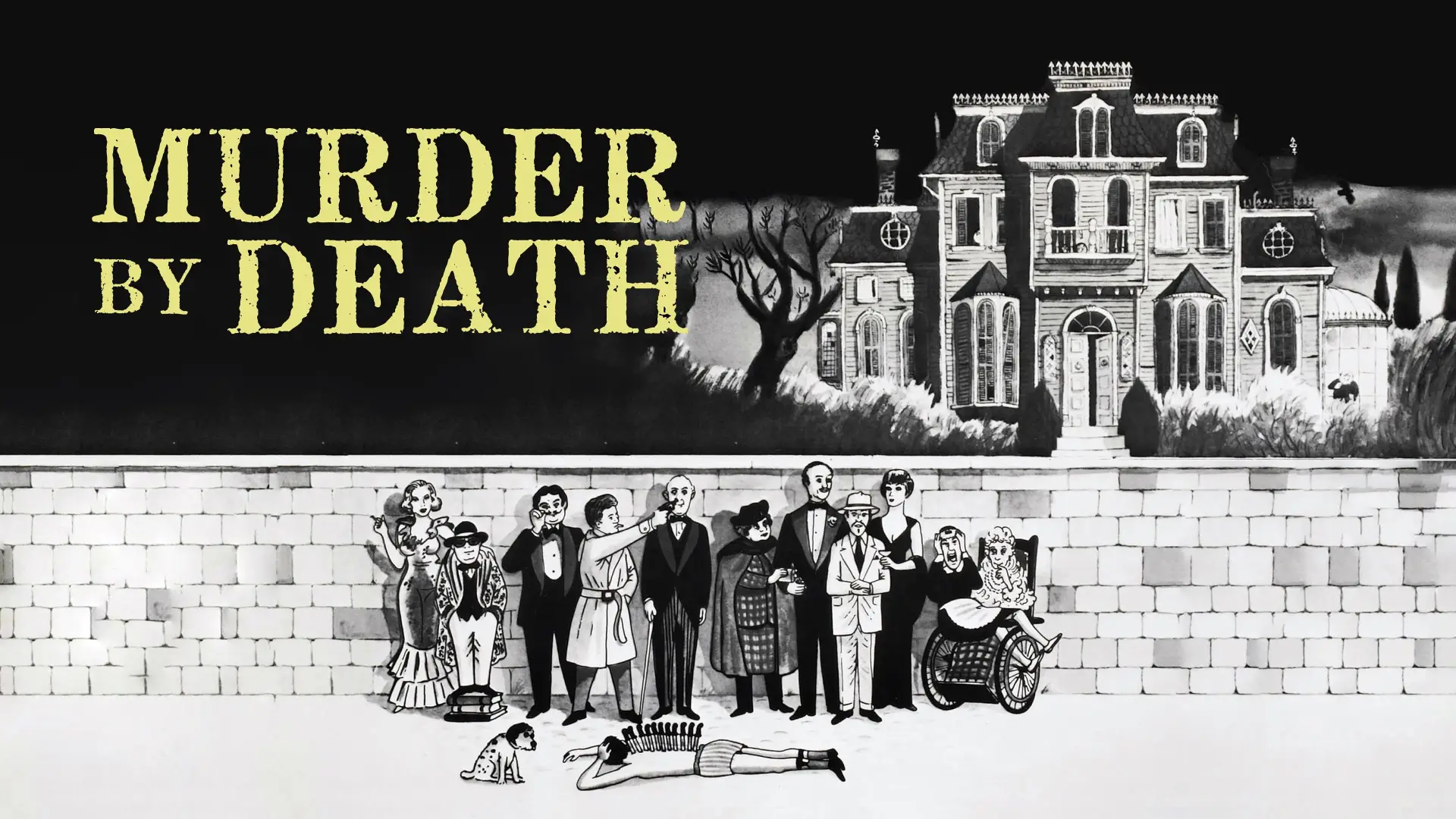
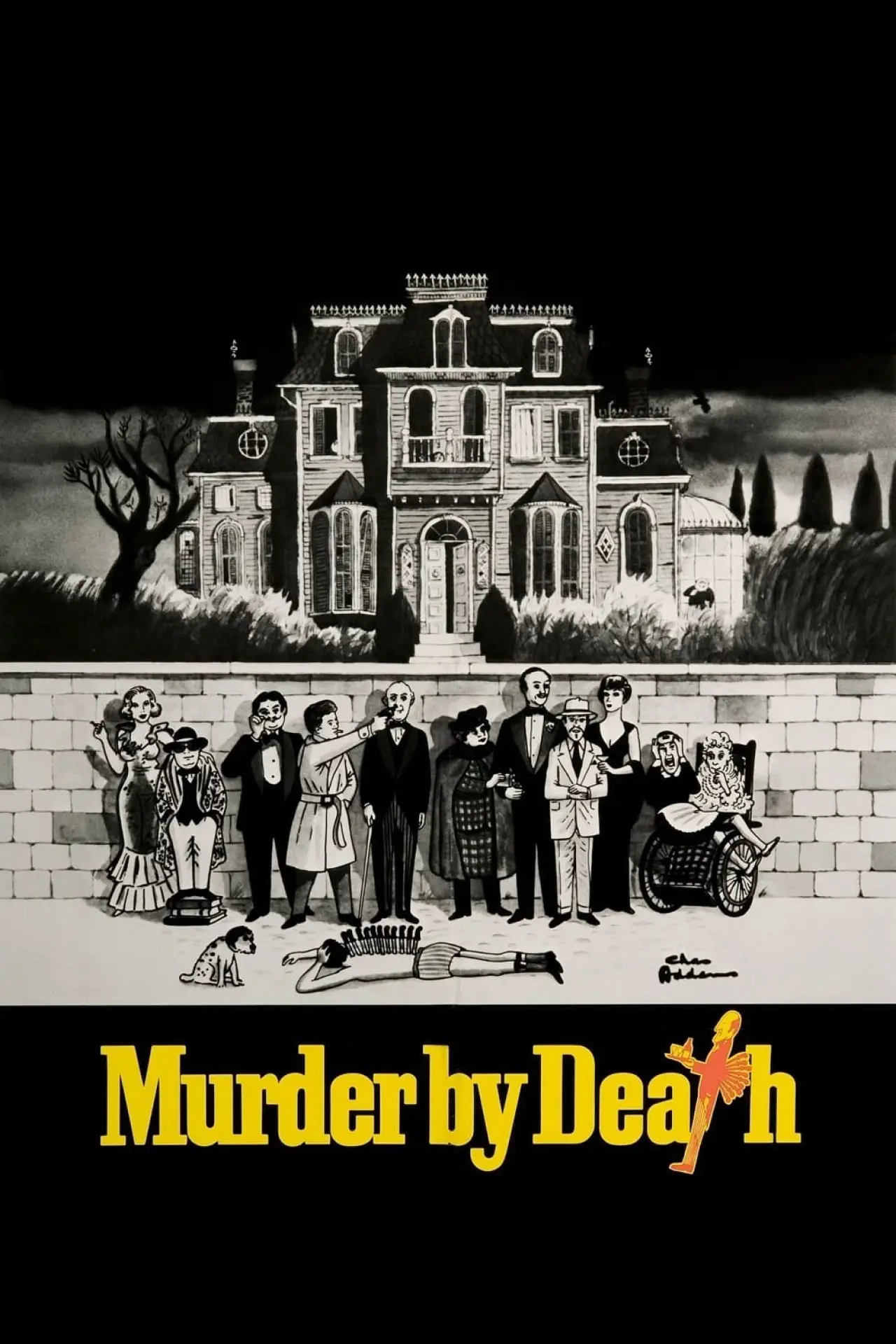
Lionel Twain, an eccentric millionaire, invites five of the world's most famous detectives to his isolated estate for what he calls a dinner and a murder. The guests include Sidney Wang from China, Dick Charleston from New York, Jessica Marbles from England, Milo Perrier from Belgium and Sam Diamond from San Francisco. A blind butler greets them, their host is nowhere to be seen, and when Twain finally appears he announces that a killing will take place at midnight and that whoever solves it will receive one million dollars.
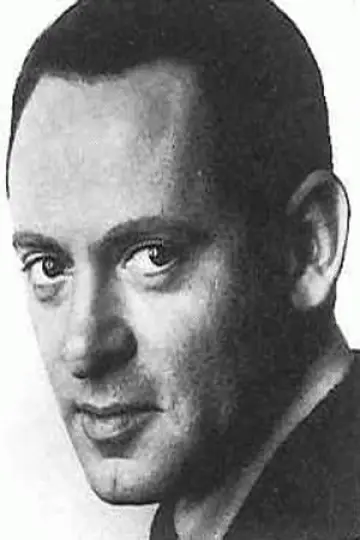
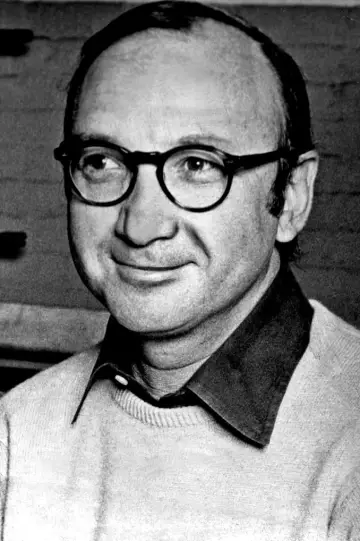
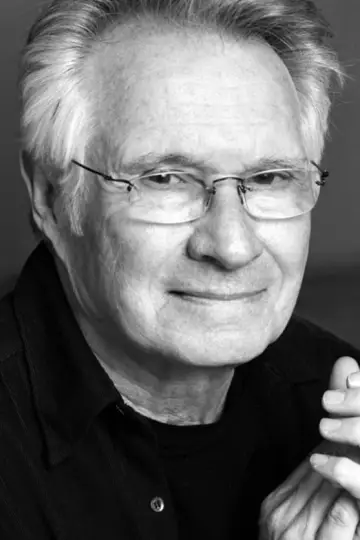
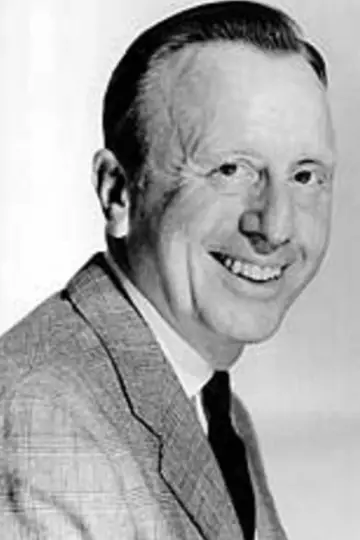
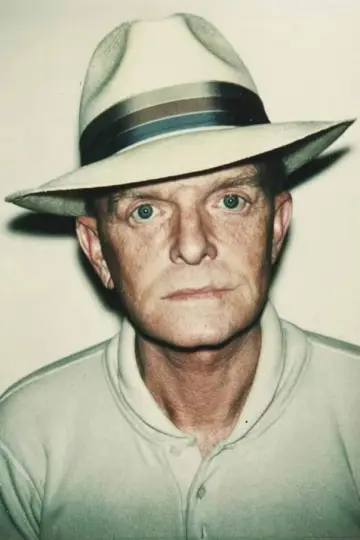
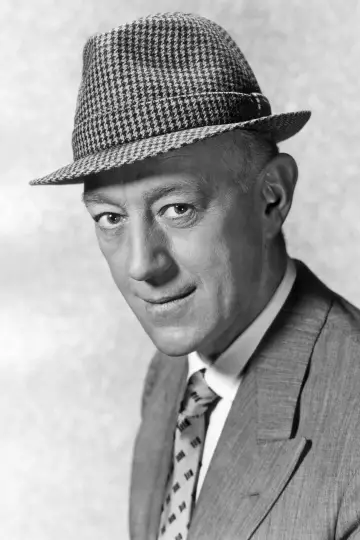
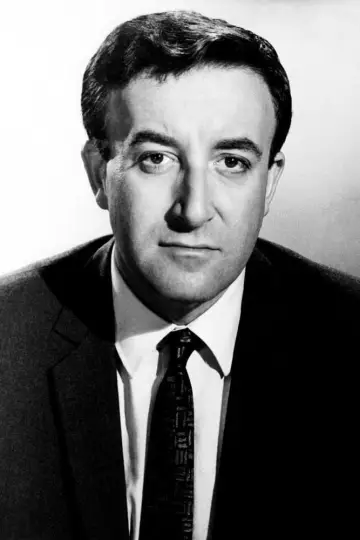
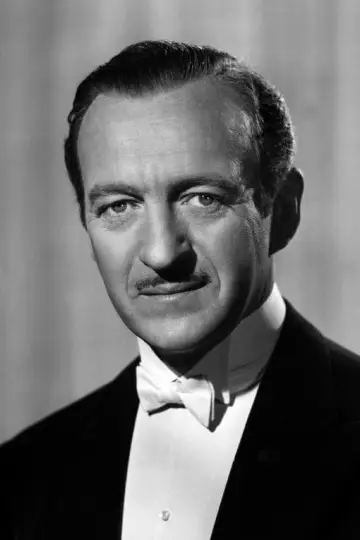
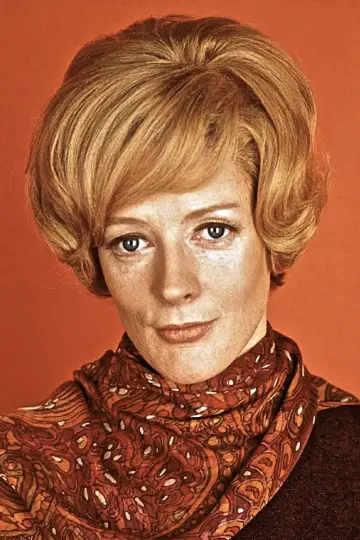
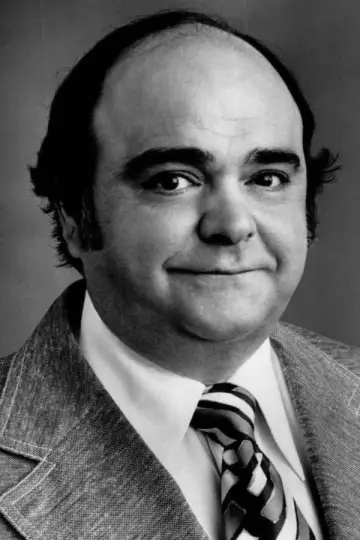
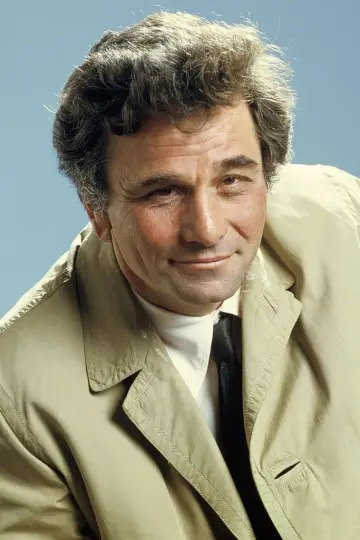
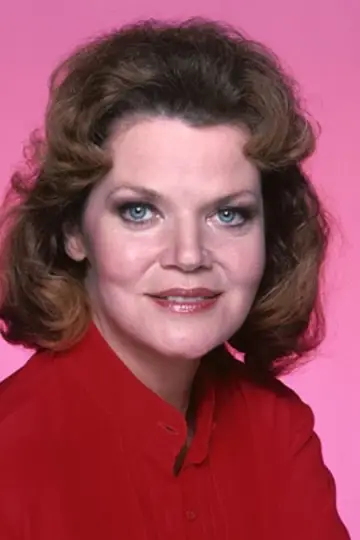
Murder by Death is a 1976 American comedy-mystery directed by Robert Moore, the first of the three features he directed. Neil Simon wrote the screenplay, and Ray Stark produced it. The ensemble cast mixes comedians and dramatic actors, with Truman Capote as Twain, Alec Guinness as the butler, Peter Sellers, David Niven, Maggie Smith and James Coco among the detectives and their companions.
The film was released in June 1976, runs 94 minutes and took about 33 million dollars worldwide, a strong return for a comedy of its period. On IMDb it holds 7.2/10 from roughly 45,000 votes, while on TMDB it sits at 7.1/10 from around 934 votes, showing a consistently favourable audience response across both. A critics' rating of 5.9/10 from 24 reviews places professional assessments noticeably below the audience scores, a gap that suggests viewers have warmed to the film more than reviewers did.
What's left behind the scenes
- Filming took place in the United States, with the entire film shot at Warner Bros. Studios in Burbank, California, which was then known as Burbank Studios.
- The sound of the doorbell is female screams. It uses a scream by Fay Wray (1907-2004) from the horror film “King Kong” (1933) directed by Merian C. Cooper (1893-1973) and Ernest B. Schoedsack (1893-1979).
- All the detectives shown in the film are parodies of characters from the books of three writers: Dashiell Hammett (1894-1961), whose Nick Charles and Sam Spade served as prototypes for Dick Charleston and Sam Diamond in the film, Agatha Christie (1890-1976), whose Hercule Poirot and Miss Marple became, respectively, Milo Perrie and Miss Marbles, and Earl Derr Biggers (1884-1933) with his Charlie Chan, who served as the prototype for Sidney Wang shown in the film.
- A country road was constructed in a pavilion of the television production enterprise at The Burbank Studios in Burbank, California. This went against the common practice at the time of filming some locations on location. The set was built to give the film the characteristic atmosphere of detective stories set in the 1930s or 1940s. A huge rotating drum was built, on the surface of which trees and branches were drawn, and to which branches were even attached in places; and this drum rotated while the cars remained in the same place. The cars would occasionally shudder, conveying the impression of movement, and outside, like on a giant carousel, views of the surroundings moved. This technique was often used in films of the 1920s, and was later repeatedly employed by Ingmar Bergman (1918-2007). Approximately a hundred evergreen trees, several hundred shrubs, a huge amount of foliage, and several tons of earth were used to create the country road, and the construction was not cheap.
- The setting shifts from a gloomy and broken country road to a secluded and equally gloomy mansion. Its construction began in August 1975 and was completed in record time. The script described it as a building in Victorian style, however, set designer Stephen B. Grimes (1027-1988) took certain liberties with it. Grimes imagined this structure as being similar to buildings on the estates of American millionaires, which they had transported brick by brick from Europe.
- Orson Welles (1915-1985) was considered for the role of Inspector Wang, but he was busy with another project.
- The original title translates as "Murder by Death."
- Initially, it was assumed that the heroine named Abigail Christian (a reference to Agatha Christie) would be played by Katharine Hepburn (1907-2003), but she refused to film when it turned out that Myrna Loy (1905-1993) was not going to be in the film. Then the heroine's name was changed to Abigail Christmas, and the role went to Estelle Winwood (1883-1984). The script was then repeatedly rewritten, and Winwood became a nurse caring for a new character - Miss Jessica Marbles, played by Elsa Lanchester (1902-1986).
Similar movies




 Auditions in India
 Casting calls in USA
 Castingi w Polsce
 Кастинги в Україні
