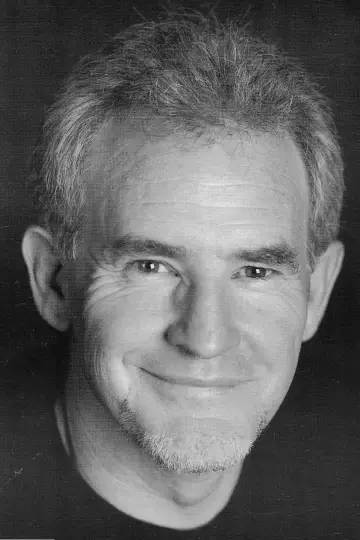
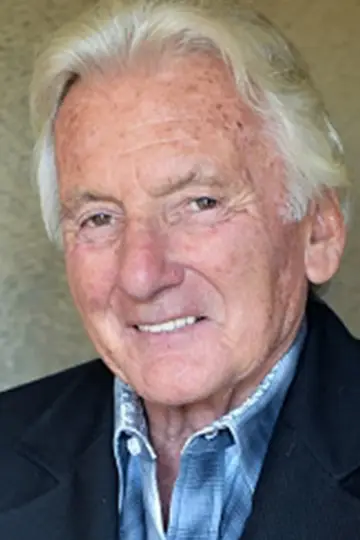
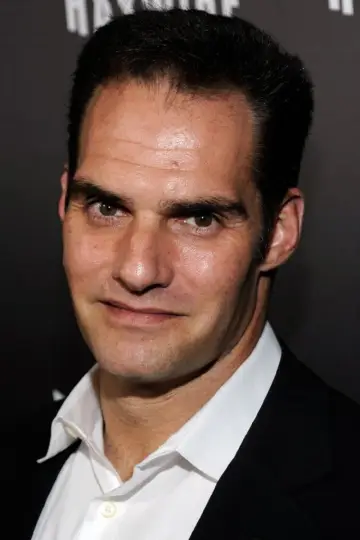
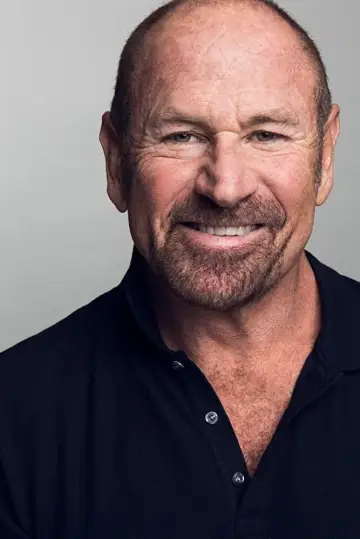
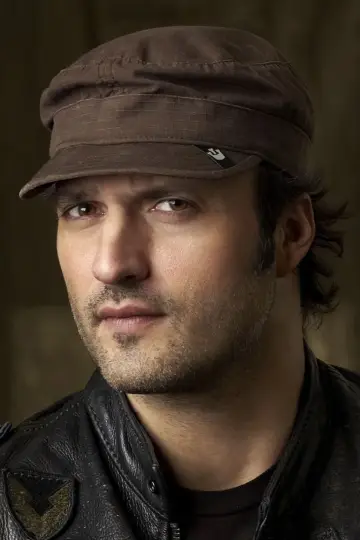
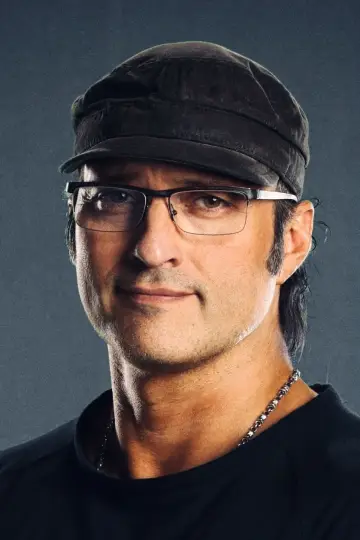
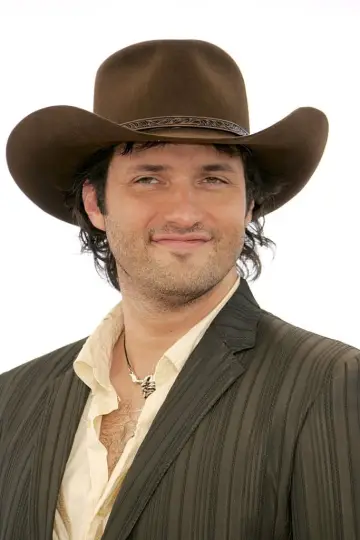
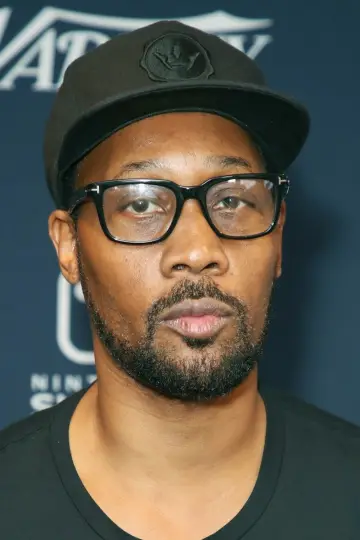
Django Unchained - crew, film crew

The entire team, the film crew of the film "Django Unchained"
Django Unchained (2012)
Timing: 2:45 (165 min)
Django Unchained - TMDB rating
8.19/10
27826
Django Unchained - Kinopoisk rating
8.255/10
804642
Django Unchained - IMDB rating
8.5/10
1900000

Film crew

Director

Producer
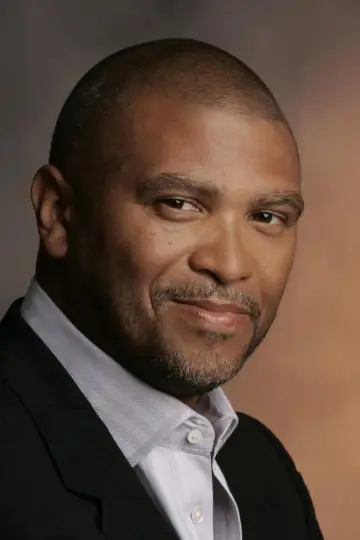
Photo Pilar Savone #27439
Pilar Savone
Producer

Executive Producer
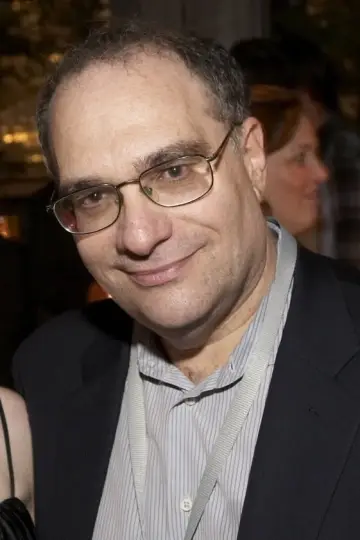
Photo Bob Weinstein #15880

Bob Weinstein

Bob Weinstein
Executive Producer
James W. Skotchdopole
Executive Producer
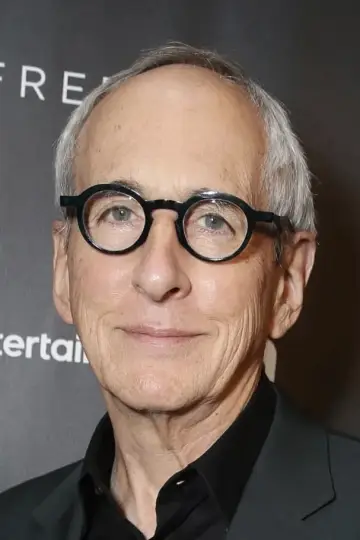
Shannon McIntosh
Executive Producer

Writer

Casting
Editor
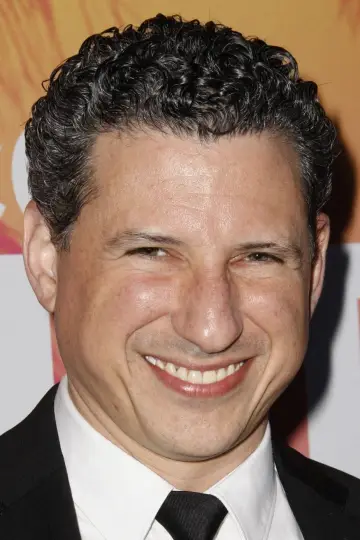
Art Direction

Page Buckner
Art Direction
Mara LePere-Schloop
Art Direction

Supervising Art Director

David F. Klassen
Supervising Art Director

Costume Design

Sharen Davis
Costume Design

Stunts
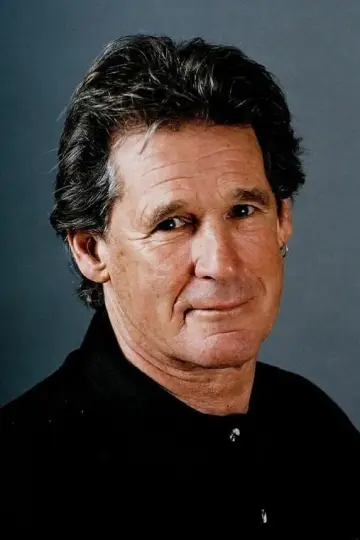
Photo Craig Branham #27127
Craig Branham
Stunts

Production Design
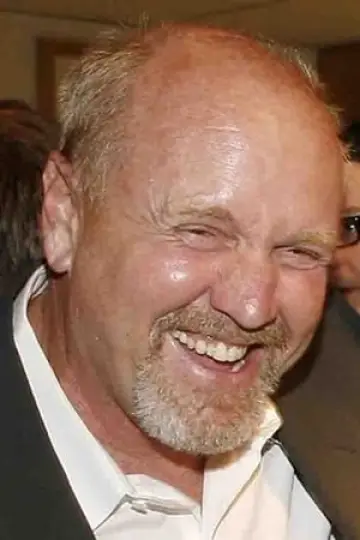
Photo J. Michael Riva #15701
J. Michael Riva
Production Design

Stunt Coordinator
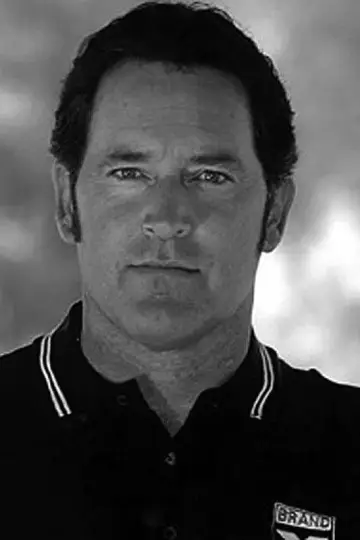
Set Decoration

Leslie A. Pope
Set Decoration

Makeup Artist

Tysuela Hill-Scott
Makeup Artist
Sian Grigg
Makeup Artist
Remi Savva
Makeup Artist
Kellie Robinson
Makeup Artist

Sound Re-Recording Mixer
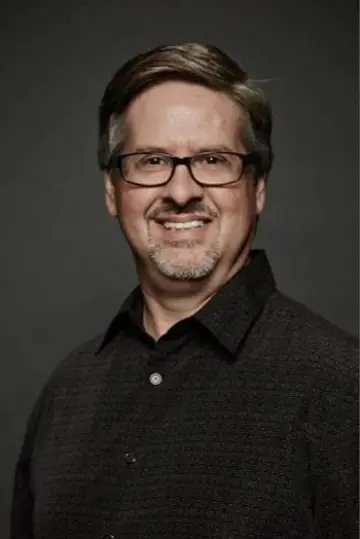
Photo Tony Lamberti #326792

Tony Lamberti

Tony Lamberti
Sound Re-Recording Mixer

Michael Minkler

Michael Minkler
Sound Re-Recording Mixer

Unit Production Manager

James W. Skotchdopole
Unit Production Manager

Production Supervisor

Molly Allen
Production Supervisor
Marc A. Hammer
Production Supervisor

Associate Producer

William Paul Clark
Associate Producer

Set Dresser

Erik Polczwartek
Set Dresser
Durel Yates
Set Dresser
Vince LeBlanc
Set Dresser
Darren Patnode
Set Dresser
Chandler Vinar
Set Dresser
John Lamkin
Set Dresser
Chris Britt
Set Dresser
Jason Portera
Set Dresser

Second Assistant Director

Greg Hale
Second Assistant Director

Director of Photography
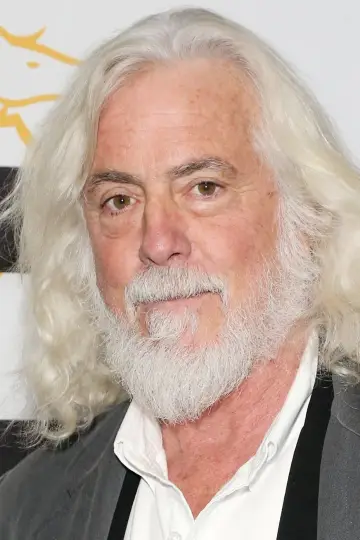
Photo Robert Richardson #3968

Robert Richardson

Robert Richardson
Director of Photography

Steadicam Operator

Larry McConkey
Steadicam Operator

Costume Supervisor

Elaine Ramires
Costume Supervisor

Makeup Department Head

Photo Heba Thorisdottir #11276
Heba Thorisdottir
Makeup Department Head

Sound Effects Editor

Branden Spencer
Sound Effects Editor
Dror Mohar
Sound Effects Editor
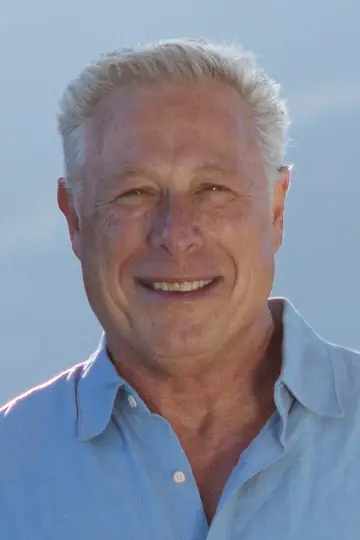
Photo Hector C. Gika #15370
Hector C. Gika
Sound Effects Editor
Michael D. Wilhoit
Sound Effects Editor

Assistant Art Director

Lauren Abiouness
Assistant Art Director

Property Master

Hope M. Parrish
Property Master

Visual Effects Supervisor

Greg Steele
Visual Effects Supervisor

Supervising Sound Editor
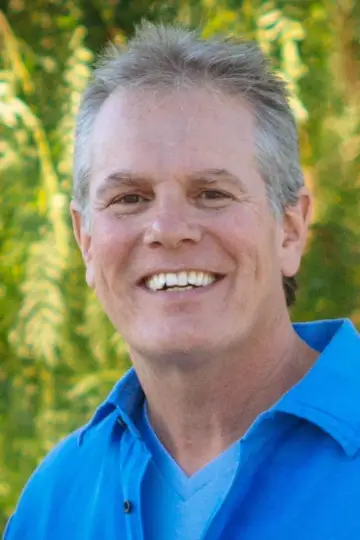
Photo Wylie Stateman #15369
Wylie Stateman
Supervising Sound Editor

Script Supervisor

Martin Kitrosser
Script Supervisor

Hairstylist

Deidra Dixon
Hairstylist

Still Photographer

Andrew Cooper
Still Photographer

Assistant Costume Designer

Stephanie Portnoy Porter
Assistant Costume Designer

Thanks
Set Designer

Molly Mikula
Set Designer
Nicole Reed LeFevre
Set Designer

First Assistant Editor

Andrew S. Eisen
First Assistant Editor
Greg D'Auria
First Assistant Editor

Set Decoration Buyer

Chere Theriot
Set Decoration Buyer

Sound Designer
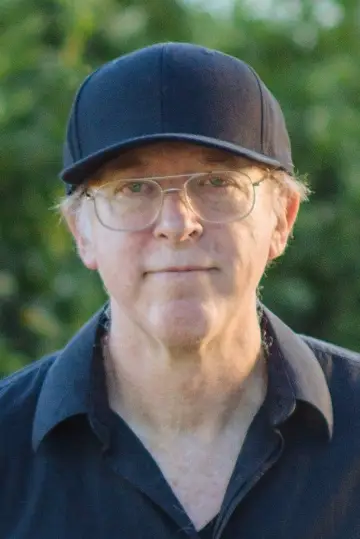
Photo Harry Cohen #11069
Harry Cohen
Sound Designer

Construction Coordinator

Brian Walker
Construction Coordinator

Art Department Coordinator

Caleb Guillotte
Art Department Coordinator

Dialogue Editor

Nancy Nugent
Dialogue Editor
Michael Hertlein
Dialogue Editor
John C. Stuver
Dialogue Editor

Foley Editor

Craig S. Jaeger
Foley Editor

First Assistant "A" Camera

Gregor Tavenner
First Assistant "A" Camera

Transportation Coordinator

A. Welch Lambeth
Transportation Coordinator
Steve Duncan
Transportation Coordinator

Location Manager

Mandi Dillin
Location Manager
Kei Rowan-Young
Location Manager

Grip
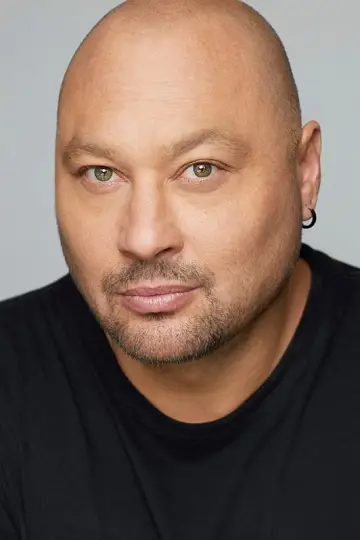
Photo Bruce Del Castillo #22041
Bruce Del Castillo
Grip

Leadman

Russell R. Anderson
Leadman

Music Supervisor

Photo Mary Ramos #25988
Mary Ramos
Music Supervisor

Production Accountant

Mark Amos
Production Accountant

Sculptor

Cuitlahuac Morales Velazquez
Sculptor

Gaffer

Ian Kincaid
Gaffer

Assistant Director

William Paul Clark
Assistant Director

Music
Music Editor

Robb Boyd
Music Editor

Production Sound Mixer
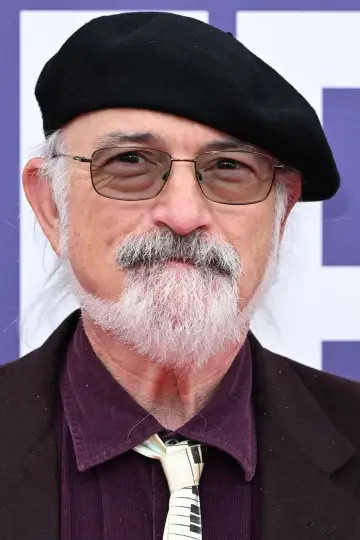
Photo Mark Ulano #68319

Mark Ulano

Mark Ulano
Production Sound Mixer

Post Production Supervisor

Tina Anderson
Post Production Supervisor

Unit Publicist

Will Casey
Unit Publicist

Visual Effects Editor

Andrew S. Eisen
Visual Effects Editor

Second Assistant "A" Camera

Jessica Lakoff
Second Assistant "A" Camera

Effects Supervisor
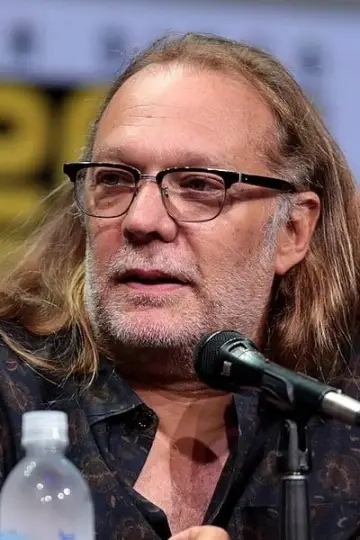
Photo Greg Nicotero #27436

Greg Nicotero

Greg Nicotero
Effects Supervisor

ADR Supervisor

Renée Tondelli
ADR Supervisor

Rigging Gaffer

Joseph Guerino
Rigging Gaffer

Second Assistant Camera

Nancy Piraquive
Second Assistant Camera

Dialect Coach

Tim Monich
Dialect Coach

Sequence Supervisor

Julie Stark
Sequence Supervisor

Wigmaker

Victoria Wood
Wigmaker

Title Designer

Jay Johnson
Title Designer

Digital Intermediate
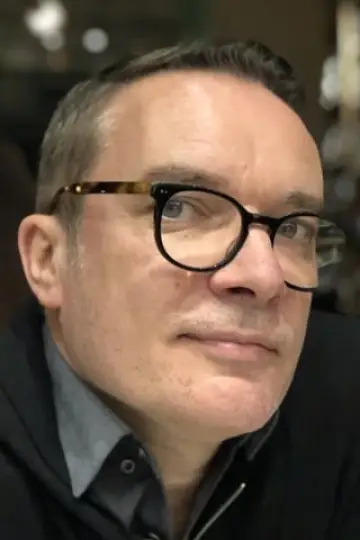
Photo Yvan Lucas #2583Photo Yvan Lucas #326693Photo Yvan Lucas #326694

Yvan Lucas

Yvan Lucas
Digital Intermediate

Foley

Gary Marullo
Foley

Theme Song Performance

Photo Luis Bacalov #27437

Luis Bacalov

Luis Bacalov
Theme Song Performance

Makeup Effects

Gino Crognale
Makeup Effects
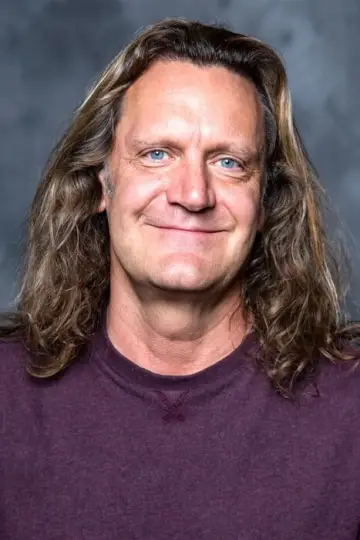
Photo Jake Garber #19206

Jake Garber

Jake Garber
Makeup Effects

Animal Wrangler

O.J. Knighten
Animal Wrangler

Studio Teachers

Lauri Mills
Studio Teachers

What's left behind the scenes

  • Will Smith, Idris Elba, Chris Tucker, Terrence Howard, Michael K. Williams, and Tyrese Gibson were considered for the role of Django. Quentin Tarantino envisioned Smith in the role, and Smith's agents wanted him to accept it, but he ultimately declined. Tarantino then offered the role to Jamie Foxx, who agreed.
  • Zoë Bell was considered for the role of Lara Lee Candy-Fitzwilliam.
  • Sid Haig was considered for the role of Mr. Stonecipher and was even subsequently invited to an audition, as was communicated to the actor’s agent. Initially, the director agreed with Haig’s candidacy, but canceled two of the actor’s auditions at the last minute. The director is known for his specific sense of humor. However, this “joke” was most likely due to Sid Haig’s refusal to play Marcellus Wallace in Pulp Fiction 17 years prior. Two months later, actor David Steen was invited to play Mr. Stonecipher.
  • Quentin Tarantino specifically wrote a role for Michael K. Williams, however, the actor was forced to decline participation in the film due to filming on the series Boardwalk Empire.
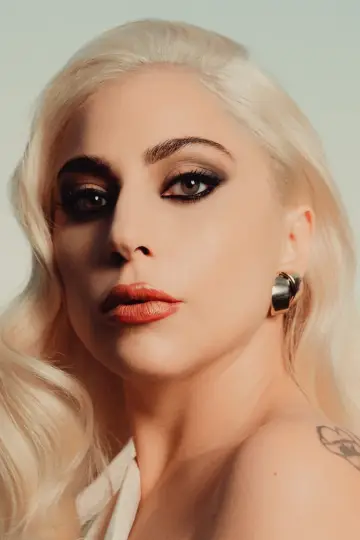
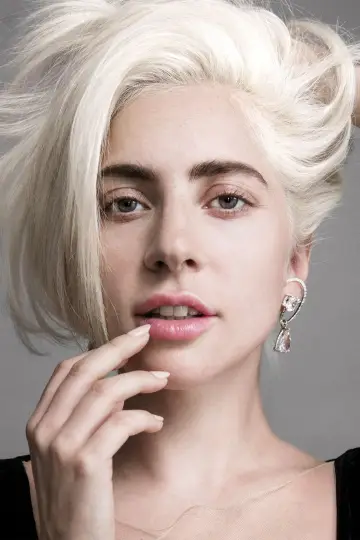
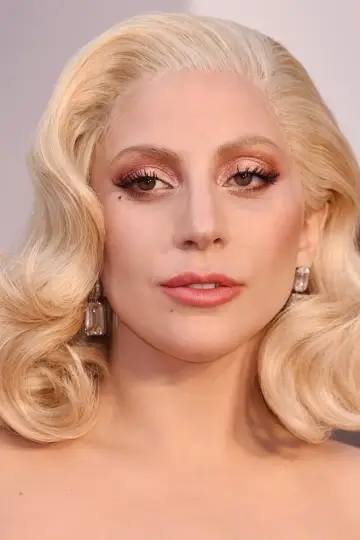
  • Lady Gaga was considered for the role of Lara Lee Candy-Fitzwilliam, which was ultimately given to Laura Cayouette.
  • Filming began on November 28, 2011, in a location with an ideal exterior for Westerns: the Melody Ranch in Santa Clarita, California. This western town once belonged to Gene Autry and frequently served as a backdrop for classic films and television series, including Stagecoach, High Noon, and Gunsmoke.
  • The saloon that Django and King Schultz enter is called "Minnesota Clay"—in honor of one of Sergio Corbucci's early Westerns.
  • Kevin Costner could have starred in this film, but left the project due to scheduling conflicts.
  • The first feature film by Quentin Tarantino not edited by Sally Menke, who passed away in 2010.
  • Although the film technically belongs to the Western genre, Quentin Tarantino prefers to refer to it as a "Southern," as the events of the film take place in the southern part of America.
  • During filming in Jackson Hole, Wyoming, director Quentin Tarantino rented a local cinema to show samurai films and Westerns from his personal collection.
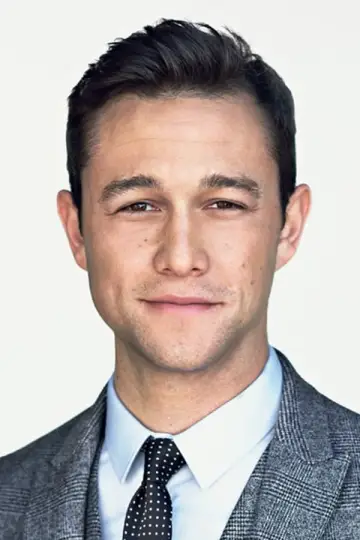
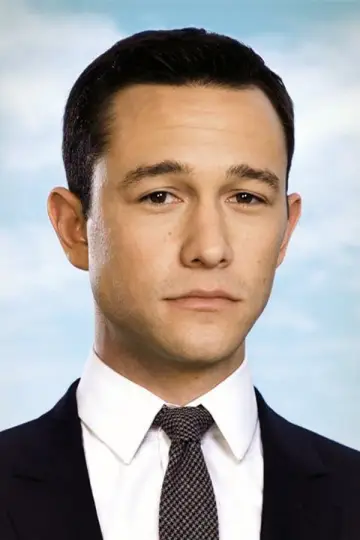
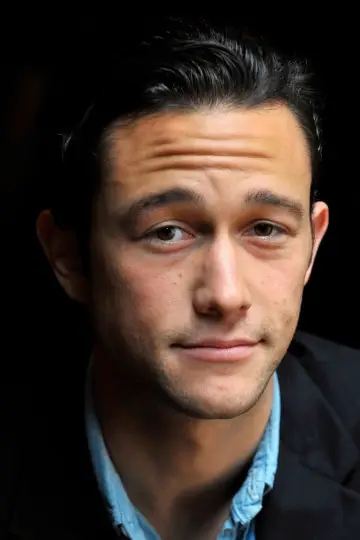
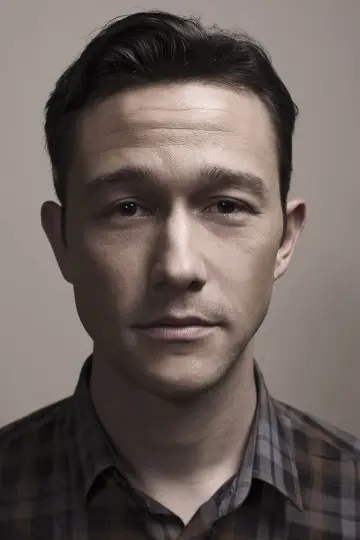
  • Joseph Gordon-Levitt was cast as Zhano but had to decline due to scheduling conflicts with a film where he makes his directorial debut.
  • During filming, Jamie Foxx used his own horse named Chita.
  • This is the second time Jamie Foxx and Kerry Washington have played a married couple. Previously, they played Ray Charles and Della Bea Robinson in the film "Ray" (2004).
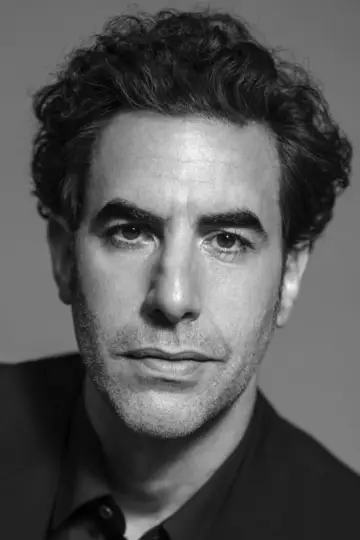
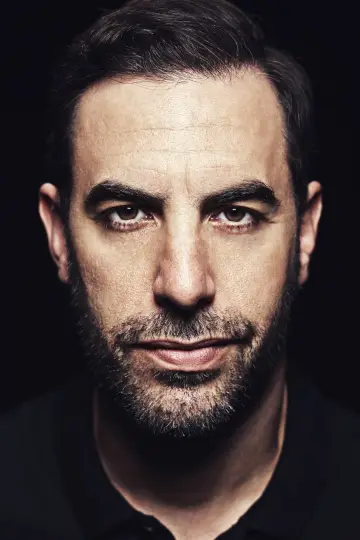
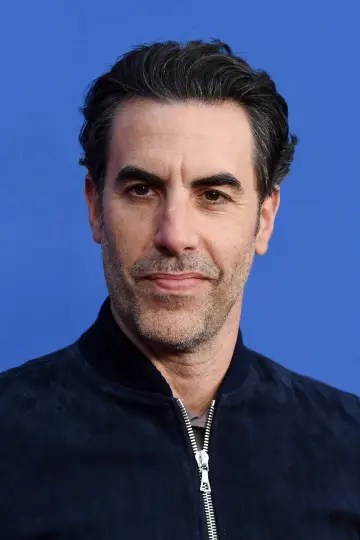
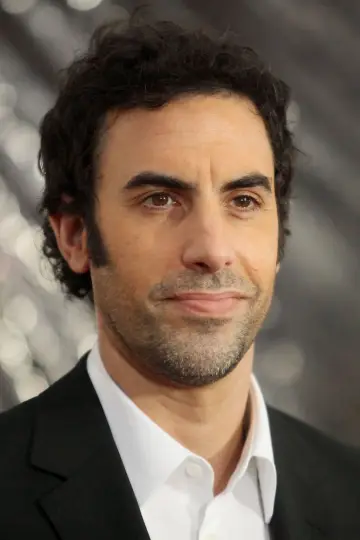
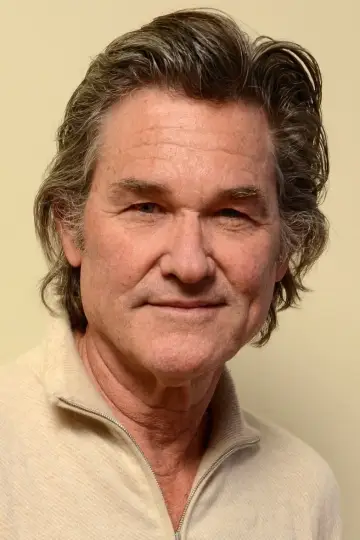
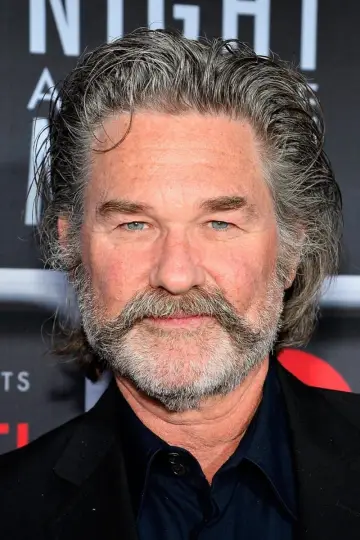
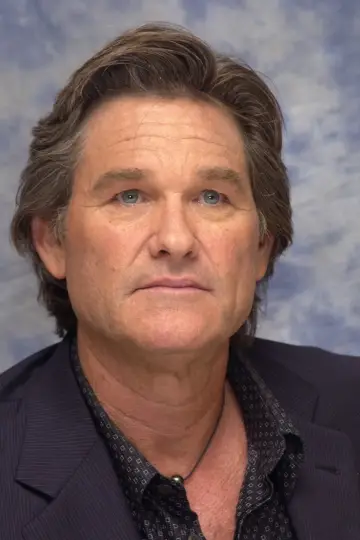
  • Sacha Baron Cohen was cast as Scotty, and Kurt Russell as Woody, but both left the project due to scheduling conflicts.
  • The final script was approved on April 26, 2011.
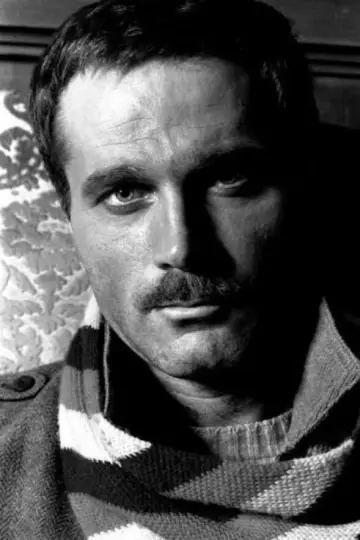
  • The film's title and events were based on the spaghetti western "Django" (1966). Franco Nero, who played Django in that film, received a small role in "Django Unchained" (2012).
  • Leonardo DiCaprio, who plays the villain Calvin Candie in this film, was originally considered for the role of the antagonist Hans Landa in Quentin Tarantino's previous film, "Inglourious Basterds" (2009). However, Tarantino decided to give the role to a German-speaking actor, and it went to Christoph Waltz, who played Dr. King Schultz in "Django Unchained" (2012).
  • Director Quentin Tarantino revealed at Comic-Con that the characters of Jamie Foxx and Kerry Washington are the great-great-great-grandfather and great-great-great-grandmother, respectively, of the character John Shaft from the film "Shaft" (1971). This is also confirmed by the character's name, Kerry Washington's Broomhilda von Shaft.
  • The film was shot in 130 days. This was the longest shoot for a single film by Quentin Tarantino.
  • Christoph Waltz was injured during training for his role.
  • Russ Tamblyn, a character named "The Shooter's Son" in this film, appeared in "The Shooter's Son" (1965). Tamblyn's daughter, actress Amber Tamblyn, also stars in "Django Unchained" (2012), where her character is called "The Shooter's Son's Daughter".
  • This is the first film (not counting "Grindhouse" (2007) and "Death Proof" (2007)) by director Quentin Tarantino that was not produced by Lawrence Bender.
  • For the first time in 16 years, Leonardo DiCaprio is not listed first among the actors on the film’s posters and billboards.
  • Dr. Schultz (Christoph Waltz) reminds Monsieur Candy (Leonardo DiCaprio) that his slave, D'Artagnan (Ato Essandoh), is named after the hero of Alexandre Dumas’ novels. Waltz and DiCaprio have both appeared in adaptations of these novels: Waltz played Cardinal Richelieu in "The Three Musketeers" (2011), and DiCaprio played King Louis XIV and his brother Philippe in "The Man in the Iron Mask" (1998).
  • The Mandingo fighters are mentioned in the film as a reference to Richard Fleischer’s "Mandingo" (1975).
  • Doctor Schultz calls Samson "The Black Hercules." This nickname was also used for actor and boxer Ken Norton, who starred in the film *Mandinga* (1975).
  • Leonardo DiCaprio, who was playing a villain for the first time, didn’t particularly like the fact that his character was so terrible and overtly racist. However, Quentin Tarantino convinced him to be as menacing as possible.
  • Calvin explains that, thanks to the study of phrenology, he can find three indentations on Ben’s skull representing submission. Phrenology was a failed stage in the real history of psychology, when people genuinely believed that bumps in different places on the skull reflected various traits, such as creativity, athletic ability, and others.
  • Django’s blue suit is based on the famous painting *The Blue Boy*. This painting inspired Friedrich Wilhelm Murnau to create the film *The Boy in Blue* (1919). Murnau is well known for pioneering the so-called “Unchained camera technique.”
  • Schultz and Django’s horses are named Fritz and Tony. The same names were given to the horses of the heroes in Westerns by William S. Hart and Tom Mix.
  • After Michael K. Williams, Sacha Baron Cohen, and Joseph Gordon-Levitt left the project, their characters were removed from the script.
  • Many actors played roles that were originally written specifically for them. These actors include Christoph Waltz, Leonardo DiCaprio, and Samuel L. Jackson.
  • Christoph Waltz's character mentions having experience managing traveling circuses. Christoph Waltz played the owner of a traveling circus in the film *Water for Elephants* (2011).
  • Calvin Candie's (Leonardo DiCaprio) boutonniere is the same as that of the main villain played by Jack Palance in Sergio Corbucci's *The Mercenary* (1968), and it appears in the frame in a similar way in one of the scenes.
  • In the scene where Calvin Candie, Leonardo DiCaprio's character, slaps the dining table with his palm, the actor broke a glass with his hand and actually started bleeding. DiCaprio ignored it, stayed in character, and continued playing the scene. This take was ultimately used in the film. Quentin Tarantino called this moment 'mesmerizing'.
  • The white men playing poker towards the end of the film use severed slave ears as currency.
  • While it is implied that Calvin Candie and his sister Lara have an incestuous relationship, this is debatable because he is a Francophile, and kissing is customary among French people as a greeting.
  • Mandinga fighting takes place at Calvin Candie’s Cleopatra Club, which uses a bust of Nefertiti as its club symbol. This was done deliberately to emphasize Calvin Candie’s lack of refinement.
  • “Wilhelm’s scream” can be heard as the riders retreat after the carriage explodes during the night raid, and one of them falls from his horse.
  • In his cameo role, Franco Nero wears white gloves, possibly a reference to the original 'Django' (1966) film, where Mexicans break his character’s hands for stealing at the end of the film.
  • Calvin Candie's villa features a decorative copy of the bust of Nefertiti. The film is set in 1858, while the bust was discovered after 1912.
  • The film uses dynamite, but it was invented only in 1867, nine years after the events of the film.
  • During the auction at the beginning of the film, Dr. Schultz originally shouts: "Sold, American!". However, this phrase only became popular in the 1920s when auctioneer 'Speed' Riggs uttered it at the conclusion of a Lucky Strike radio advertisement. Furthermore, "American" is a reference to the American Tobacco Company, which only emerged in the 1890s.
  • Michael Parks' straw hat is too modern, as it features air holes and a plastic drawstring lock.
  • When Schultz and Django first set up camp, Schultz is seen putting on his trousers and suspenders. In the next scene, the trousers are already on him, but he puts on his suspenders again.
  • On the way to Calvin Candie’s villa, Django knocks down a horse along with one of Candie’s henchmen. In the next shot, the rider is still lying on the ground, while the horse stands as if it hadn't fallen.
  • When Django learns he is allowed to dress as he pleases, he throws his hat onto a stand, where it hangs with the front brim drooping downwards. In the next shot, it hangs straight, like the other hats.
  • In Candie’s house, a harpist plays Beethoven’s “Für Elise,” first published in 1867, nine years after the events of the film.
  • When Django and his company arrive at Candyland, the sugarcane in the fields is no higher than knee-level. By the end of the film, the same sugarcane is already at human height, despite the action taking place the day after their arrival.
  • When Schultz and Django are sitting in the bar, the amount of beer in their glasses first decreases, then returns to the level it was when Schultz brought it.
  • At the 65th minute of the film, Django is wearing sunglasses, but such glasses did not exist in 1858. They only became widely available in the first half of the 20th century.
  • The saloon that Django and King Schultz enter is called "Minnesota Clay" – in honor of one of Sergio Corbucci's early Westerns.
  • Although the film technically belongs to the Western genre, Quentin Tarantino prefers to refer to it as a "Southern," due to the film's setting in the southern United States.
  • This is the second time Jamie Foxx and Kerry Washington have played a married couple. Previously, they played Ray Charles and Della Bea Robinson in the film "Ray" (2004).
  • The title and events of the film were based on the spaghetti western "Django" (1966). Actor Franco Nero, who played Django in that film, received a small role in "Django Unchained" (2012).
  • Leonardo DiCaprio, who plays the villain Calvin Candie in this film, was originally considered for the role of the antagonist Hans Landa in Quentin Tarantino's previous film "Inglourious Basterds" (2009). However, Tarantino decided to give that role to a German-speaking actor, and the role went to Christoph Waltz, who played Dr. King Schultz in "Django Unchained" (2012).
  • Director Quentin Tarantino revealed at Comic-Con that the characters of Jamie Foxx and Kerry Washington are the great-great-great-grandfather and great-great-great-grandmother, respectively, of a character named John Shaft from the film "Shaft" (1971). This is also confirmed by Kerry Washington's character's name — Broomhilda von Shaft.
  • Russ Tamblyn, whose character in this film is called "The Son of a Gun," starred in the film "Son of a Gun" (1965). Tamblyn's daughter, actress Amber Tamblyn, also appears in "Django Unchained" (2012), and her character is called "The Daughter of a Gun."
  • This is the first film (not counting "Grindhouse" (2007) and "Death Proof" (2007)) directed by Quentin Tarantino that was not produced by Lawrence Bender.
  • Dr. Schultz (Christoph Waltz) reminds Monsieur Candie (Leonardo DiCaprio) that his slave, D'Artagnan (Ato Essandoh), is named after the hero of Alexandre Dumas' novels. Both Waltz and DiCaprio have appeared in adaptations of these novels: Waltz played Cardinal Richelieu in "The Three Musketeers" (2011), and DiCaprio played King Louis XIV and his brother Philippe in "The Man in the Iron Mask" (1998).
  • Mandinga fighters are mentioned in the film as a reference to Richard Fleischer's "Mandinga" (1975).
  • Dr. Schultz refers to Samson as the "Black Hercules." This nickname was used by actor and boxer Ken Norton, who appeared in "Mandinga" (1975).
  • Django's blue suit is based on the famous painting "The Blue Boy." This painting inspired F.W. Murnau to create "The Boy in Blue" (1919). Murnau is well known for pioneering the so-called "Unchained camera technique" (freed camera technique).
  • During the auction at the beginning of the film, Dr. Schultz originally exclaims, “Sold, American!” However, this phrase only became popular in the 1920s when auctioneer 'Speed' Riggs used it at the conclusion of a Lucky Strike radio advertisement. Furthermore, “American” is a reference to the American Tobacco Company, which only appeared in the 1890s.
  • In Candy’s house, the harpist plays Beethoven’s “Für Elise,” first published in 1867, nine years after the events of the film.
Did you like the film?

© ACMODASI, 2010-2026

All rights reserved.
The materials (trademarks, videos, images and text) contained on this site are the property of their respective owners. It is forbidden to use any materials from this site without prior agreement with their owner.
When copying text and graphic materials (videos, images, text, screenshots of pages) from this site, an active link to the site www.acmodasi.in must necessarily accompany such material.
We are not responsible for any information posted on this site by third parties.