Scarface - crew, film crew

The entire team, the film crew of the film "Scarface"
Scarface (1932)
Timing: 1:33 (93 min)
Scarface - TMDB rating
7.451/10
575
Scarface - Kinopoisk rating
7.601/10
9702
Scarface - IMDB rating
7.7/10
33000

Film crew

Director

Producer

Editor

Edward Curtiss
Editor

Stunts
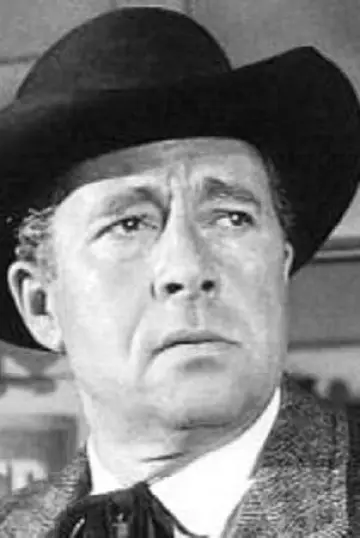
Photo Sailor Vincent #52053
Sailor Vincent
Stunts
Howard A. Anderson
Stunts

Set Decoration

Harry Oliver
Set Decoration

Original Music Composer

Adolph Tandler
Original Music Composer

Additional Editing
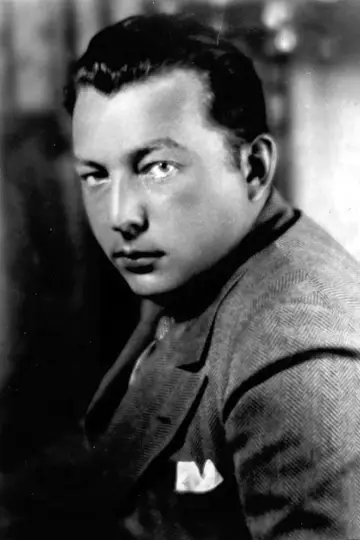
Photo Lewis Milestone #81392

Lewis Milestone

Lewis Milestone
Additional Editing

Director of Photography

Lee Garmes

Lee Garmes
Director of Photography
L. William O'Connell
Director of Photography

Camera Operator

Warren Lynch
Camera Operator
Roy Clark
Camera Operator

Still Photographer

Eugene Kornman
Still Photographer

Production Manager

Charles Stallings
Production Manager

Screenplay
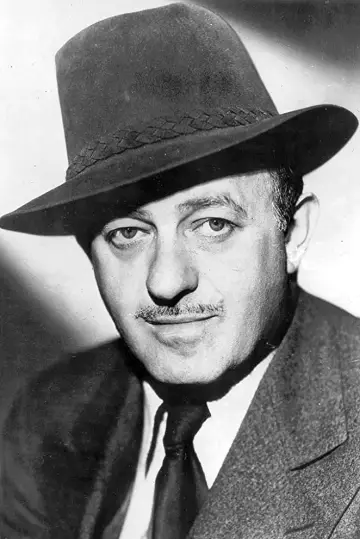
Photo Ben Hecht #27770

Ben Hecht

Ben Hecht
Screenplay

Novel

Armitage Trail
Novel

First Assistant Camera

Charles Bohny
First Assistant Camera
Warner Cruze
First Assistant Camera

Additional Writing

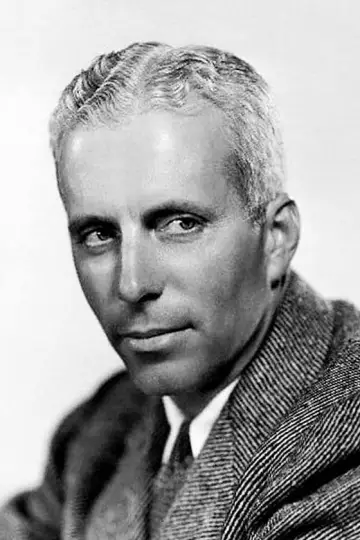
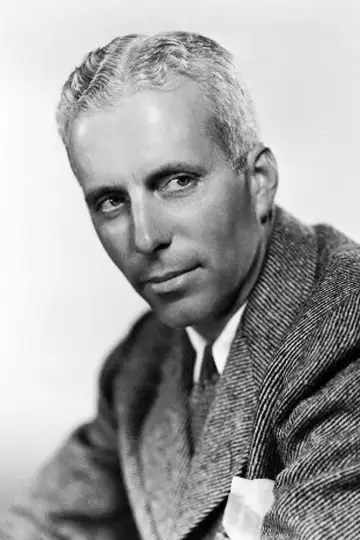
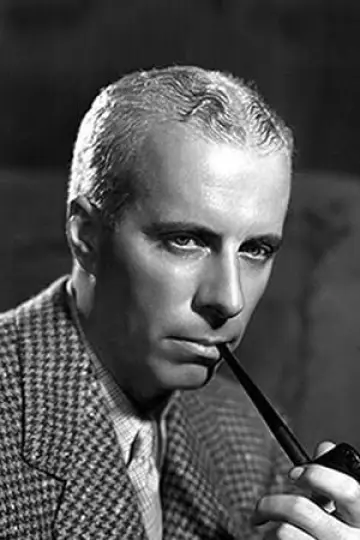
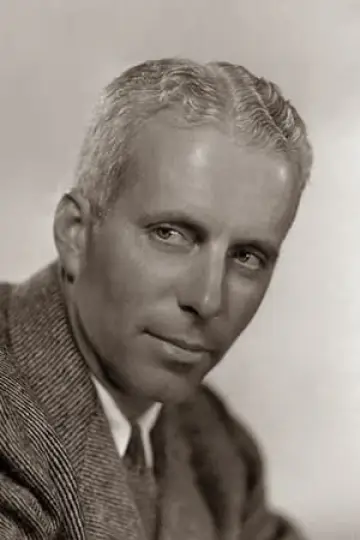
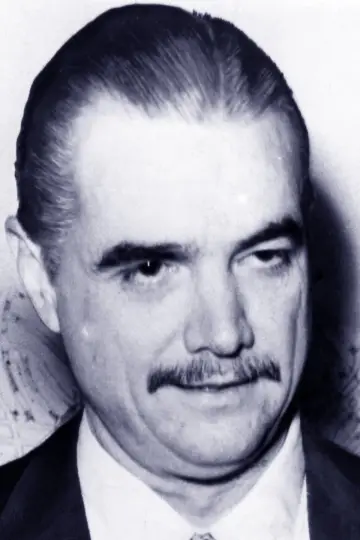
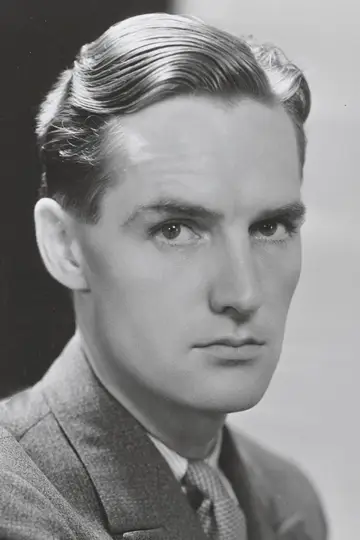
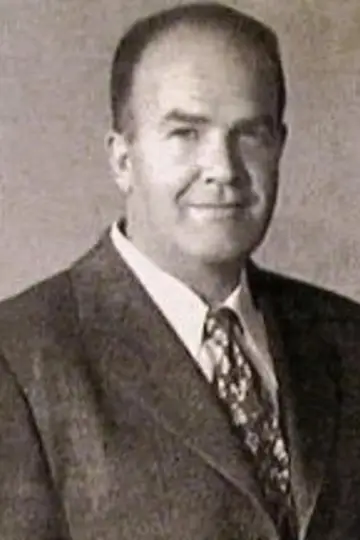
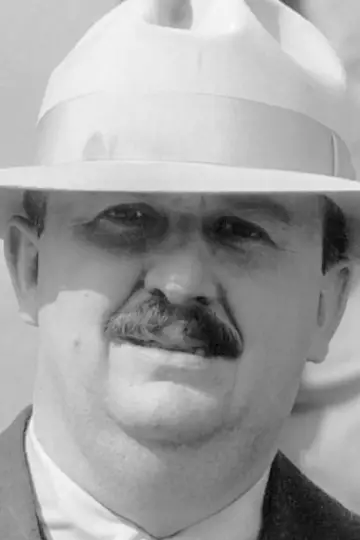
Photo Howard Hawks #91925Photo Howard Hawks #91926Photo Howard Hawks #91927Photo Howard Hawks #91928

Howard Hawks

Howard Hawks
Additional Writing

Co-Director

Richard Rosson
Co-Director

Sound Engineer

William Snyder
Sound Engineer

Dialogue
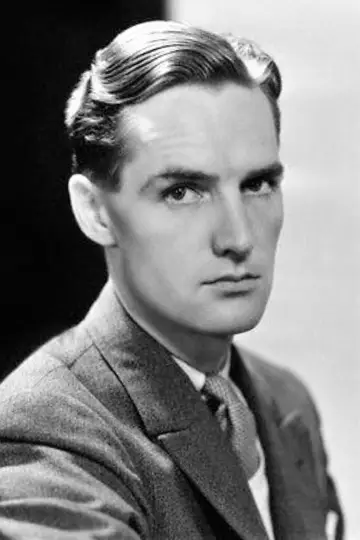
Photo John Lee Mahin #99579Photo John Lee Mahin #99580
John Lee Mahin
Dialogue
Photo Seton I. Miller #85826
Seton I. Miller
Dialogue
Photo W.R. Burnett #82108
W.R. Burnett
Dialogue

Editorial Services

Douglass Biggs
Editorial Services

Continuity

Photo John Lee Mahin #99579Photo John Lee Mahin #99580
John Lee Mahin
Continuity
Photo Seton I. Miller #85826
Seton I. Miller
Continuity
Photo W.R. Burnett #82108
W.R. Burnett
Continuity

Music Director

Gus Arnheim
Music Director
Adolph Tandler
Music Director

Presenter

What's left behind the scenes

  • The film's screenwriter, Ben Hecht, previously worked as a journalist in Chicago and was well acquainted with many gangsters, including Al Capone. Even during filming, Hecht once returned to his hotel room in Los Angeles and found two of Al Capone's henchmen there. They asked him if the film was really about Al Capone. Hecht assured them it was not, saying that he had created the image of Tony Camonte based on two other gangsters – Jim Colosimo and Charles Dion O'Banion. “Then why is the film called ‘Scarface?’,” one of the gangsters asked. “Everyone will think it’s about Al Capone.” “That’s the whole point,” Hecht replied. “People will think the film is about Al Capone, and they will definitely go see it. That’s the law of show business.” This answer completely satisfied the gangsters.
  • To give the narrative the inexorability of an ancient Greek tragedy, Hawks decided to add an 'X' to each scene, which was used in newspaper reports on murders to mark the location of the corpse. This is exactly the shape of Camonte's scar, and throughout the film, from the opening credits to the finale, this sign appears dozens of times, in the most unexpected places. The crew was promised a reward of one hundred dollars for the most ingenious suggestions on how to 'encode' the X into a scene.
  • It is rumored that Al Capone liked the painting so much that he even kept a copy of it at home.
  • The film was re-released in 1979.
  • In 1994, the film was added to the National Film Registry.
  • Censors were unhappy with the depiction of the criminal world in the film; they also disliked its ending. A different finale was then filmed, in which Tony is arrested by the police, then tried, convicted, and executed. The scene of Tony's sister's death was also re-edited, as his feelings for her did not seem particularly brotherly. However, these changes did not satisfy the censors, and director Howard Hawks decided to return to the original version. The film was released without censorship approval, but to minimize complaints, a politically correct subtitle, “A Disgrace to the Nation,” was added to the title.
  • To imbue the narrative with the inexorability of ancient Greek tragedy, Hawks decided to add an 'X' to every scene, the same mark used in newspaper reports of murders to indicate the location of the body. This is the shape of Camonte's scar, and throughout the film, from the opening to the closing credits, this sign appears dozens of times in the most unexpected places. The crew was promised a $100 reward for the most ingenious suggestions on how to 'encode' the 'X' into various scenes.
Did you like the film?

© ACMODASI, 2010-2026

All rights reserved.
The materials (trademarks, videos, images and text) contained on this site are the property of their respective owners. It is forbidden to use any materials from this site without prior agreement with their owner.
When copying text and graphic materials (videos, images, text, screenshots of pages) from this site, an active link to the site www.acmodasi.in must necessarily accompany such material.
We are not responsible for any information posted on this site by third parties.