Scarface





Short description
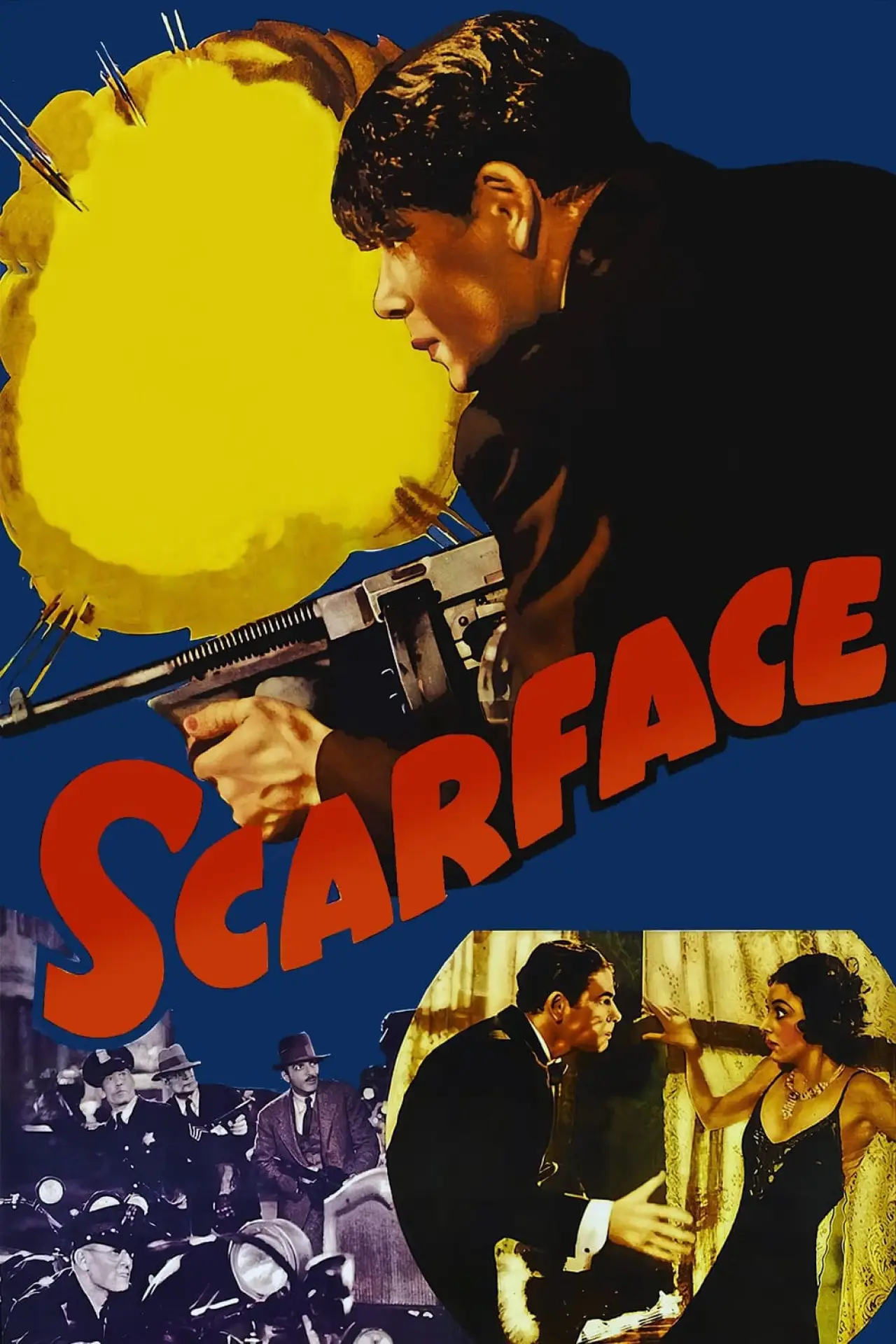
Scarface is a 1932 crime drama set in Prohibition-era Chicago, where the Italian-born gangster Tony Camonte works his way up through the underworld. Starting as a bodyguard and enforcer for the powerful Johnny Lovo, Tony grows increasingly ambitious and ruthless, taking over territory and eliminating rivals until he effectively runs the city's rackets himself. He is preoccupied with keeping his sister Cesca away from any romantic involvement, and his possessive attention to her complicates his relationships with his friend Guino Rinaldo and with Poppy, Lovo's girlfriend. The film traces his rise and the violence it brings, both from rival gangs and from the authorities.
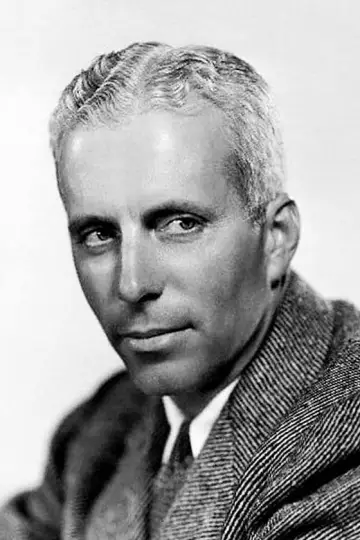
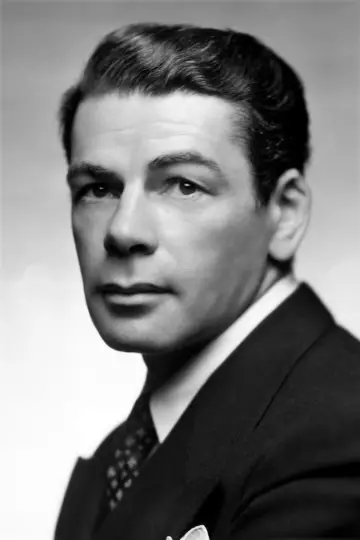
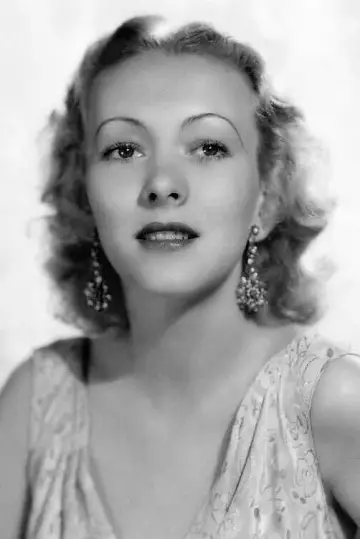
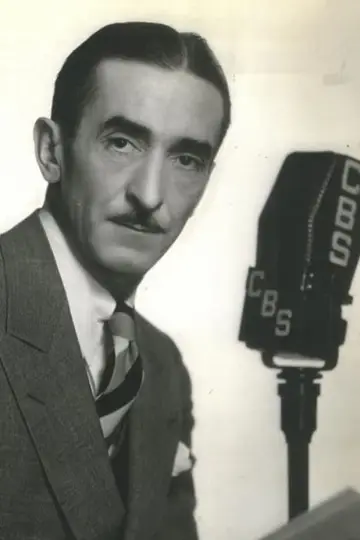
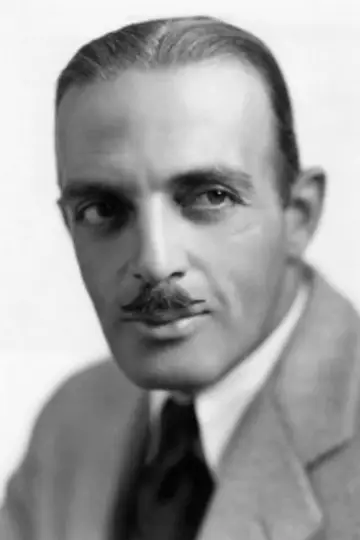
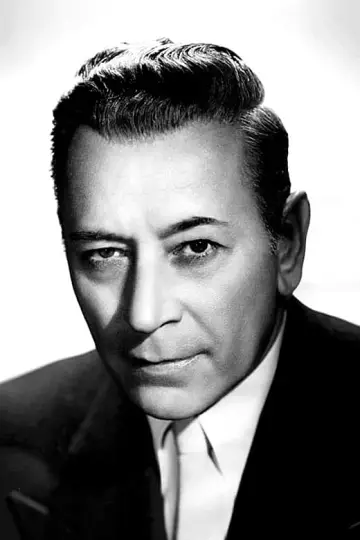
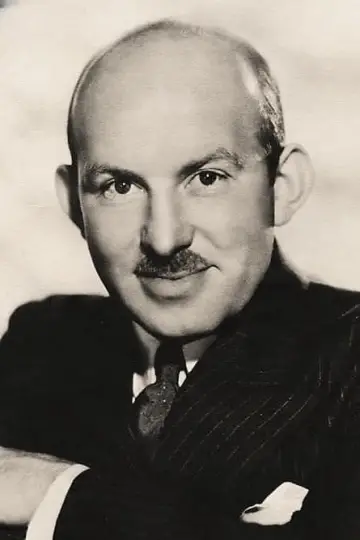
Howard Hawks directed the film, the first of 19 features he made in chronological order, with Twentieth Century following in 1934. Ben Hecht wrote the screenplay, and Hawks produced alongside Howard Hughes. Paul Muni plays Tony, with Ann Dvorak as Cesca, Karen Morley as Poppy, Osgood Perkins as Johnny Lovo, George Raft as Guino Rinaldo and C. Henry Gordon as Inspector Guarino, among a credited cast of 51. The film runs 93 minutes and was produced by The Caddo Company and released through United Artists.
Audiences rate Scarface highly: on IMDb it holds 7.7 out of 10 from around 33,000 votes, and on TMDB 7.4 out of 10 from roughly 717 votes. A film critics' rating of 8.7 out of 10 from 52 reviews places it above both audience scores.
What's left behind the scenes
- The film's screenwriter, Ben Hecht, previously worked as a journalist in Chicago and was well acquainted with many gangsters, including Al Capone. Even during filming, Hecht once returned to his hotel room in Los Angeles and found two of Al Capone's henchmen there. They asked him if the film was really about Al Capone. Hecht assured them it was not, saying that he had created the image of Tony Camonte based on two other gangsters – Jim Colosimo and Charles Dion O'Banion. “Then why is the film called ‘Scarface?’,” one of the gangsters asked. “Everyone will think it’s about Al Capone.” “That’s the whole point,” Hecht replied. “People will think the film is about Al Capone, and they will definitely go see it. That’s the law of show business.” This answer completely satisfied the gangsters.
- It is rumored that Al Capone liked the painting so much that he even kept a copy of it at home.
- The film was re-released in 1979.
- In 1994, the film was added to the National Film Registry.
- Censors were unhappy with the depiction of the criminal world in the film; they also disliked its ending. A different finale was then filmed, in which Tony is arrested by the police, then tried, convicted, and executed. The scene of Tony's sister's death was also re-edited, as his feelings for her did not seem particularly brotherly. However, these changes did not satisfy the censors, and director Howard Hawks decided to return to the original version. The film was released without censorship approval, but to minimize complaints, a politically correct subtitle, “A Disgrace to the Nation,” was added to the title.
- To imbue the narrative with the inexorability of ancient Greek tragedy, Hawks decided to add an 'X' to every scene, the same mark used in newspaper reports of murders to indicate the location of the body. This is the shape of Camonte's scar, and throughout the film, from the opening to the closing credits, this sign appears dozens of times in the most unexpected places. The crew was promised a $100 reward for the most ingenious suggestions on how to 'encode' the 'X' into various scenes.


 Auditions in India
 Casting calls in USA
 Castingi w Polsce
 Кастинги в Україні
