Broken Blossoms or The Yellow Man and the Girl




Short description
In London's Limehouse district, a young woman named Lucy Burrows lives under the cruelty of her father, a violent prizefighter with a taste for drink. A gentle Chinese immigrant, Cheng Huan, who had come to England hoping to spread Buddhist teachings and instead found indifference and hostility, takes her in after finding her bruised and wandering the streets. He cares for her and comes to love her, but her father's rage follows them, and the collision between the boxer's brutality and the immigrant's pacifism drives the story toward tragedy.
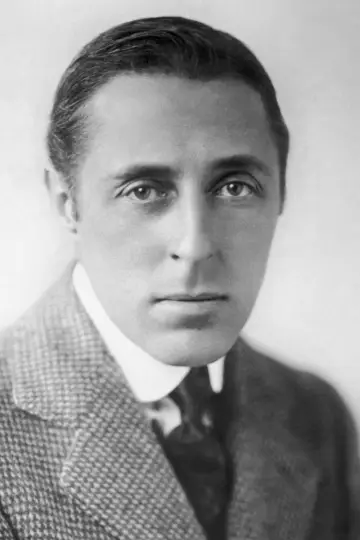
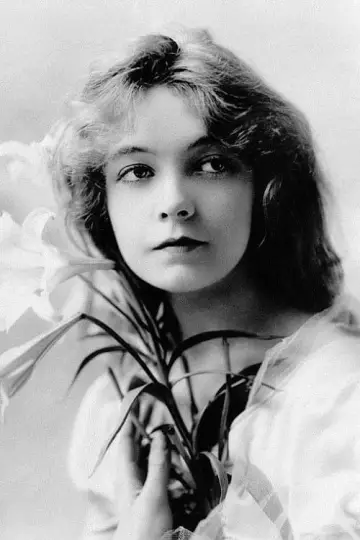
D.W. Griffith directed, produced and wrote the film, the fifth in the chronological list of his features that also includes The Birth of a Nation, Intolerance and Way Down East. Lillian Gish plays Lucy, Richard Barthelmess plays Cheng Huan and Donald Crisp plays Battling Burrows, with Arthur Howard, Edward Peil Sr. and George Beranger in supporting roles. United Artists and D.W. Griffith Productions released the film in May 1919.
The film has found a substantial audience across generations: it holds a 7.2 rating on IMDb from around 12,000 votes, while on TMDB it sits at 6.9 from a far smaller pool of about 250. Critics rated it higher still, 8.3 from 22 reviews. Its worldwide box office of about 2 million dollars was considerable for the era.
What's left behind the scenes
- To appear as Asian, Richard Barthelmess (1895-1963) would wear a very thin rubber band across his forehead, which slightly lifted his facial features upwards.
- The initial copyright holder did not bother to renew the term of protection, and the film entered the public domain. After that, anyone could make copies on videotape or DVD and sell them. As a result, several versions of the film appeared on the market, heavily cut and of terrible quality, copied for the second or third time.
- Filming took 18 days and nights. Scenes with Donald Crisp (1882-1963) were shot at night because he was filming another movie during the day.
- The premiere screening was preceded by a dance performance by actress Carol Dempster (1901-1991), during which the stage was illuminated with blue and gold spotlights. Later, key moments of the plot were colored in the same shades on all copies of the film.
- According to Lillian Gish, the lead actress, the entire film was well thought out before filming began and rehearsed, so the editing after the shooting period came down to director and screenwriter D.W. Griffith simply trimming the beginning and end of each scene.
- During the filming of the scene with the wardrobe, Lillian Gish played fear so convincingly that D.W. Griffith shouted at her to keep going. A passerby heard his shouts, thought something terrible was happening, and was about to rush onto the set, but was dissuaded at the last moment.



 Auditions in India
 Casting calls in USA
 Castingi w Polsce
 Кастинги в Україні

