Glory



Short description
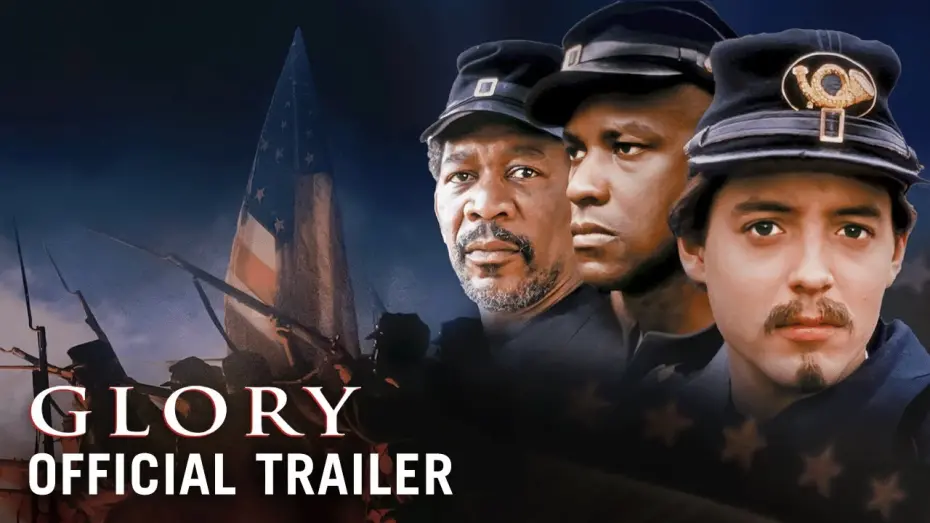
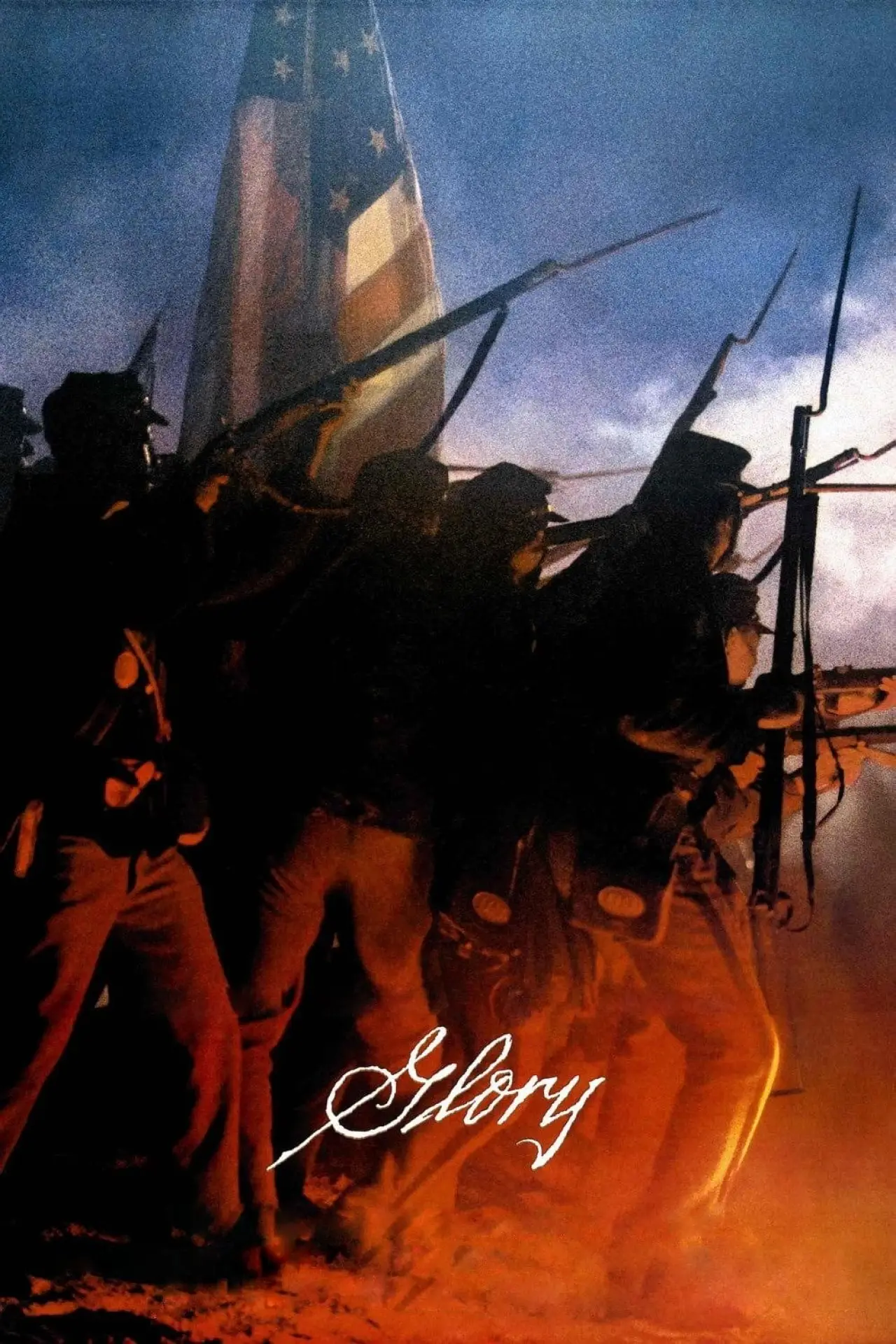
Glory follows Robert Gould Shaw, a young white officer from Massachusetts who is given command of the Union Army's first volunteer regiment made up almost entirely of Black soldiers during the American Civil War. Shaw must train his recruits and prepare them for battle while confronting the prejudice of his own fellow officers, who question both the experiment and his decision to lead it, as well as the Confederate forces that refuse to treat captured Black troops or their white commanders as ordinary prisoners. Among the volunteers are Thomas Searles, a free man and an old friend of Shaw's, the reluctant soldier Trip, and John Rawlins, whose experience earns him responsibility within the ranks.
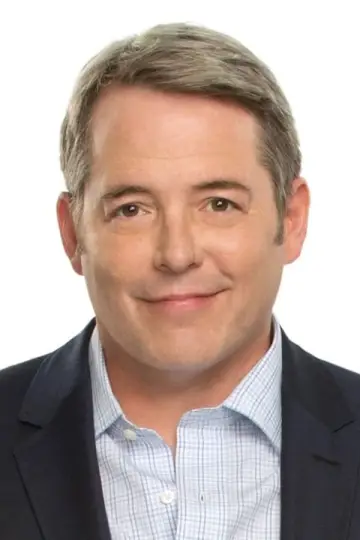
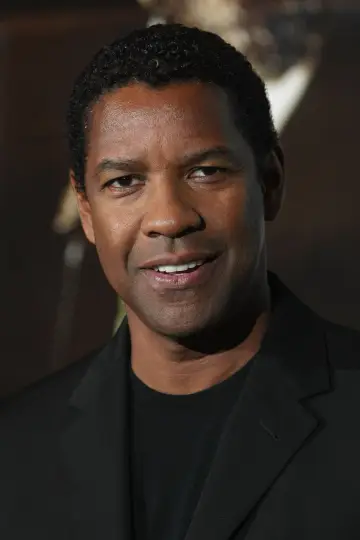
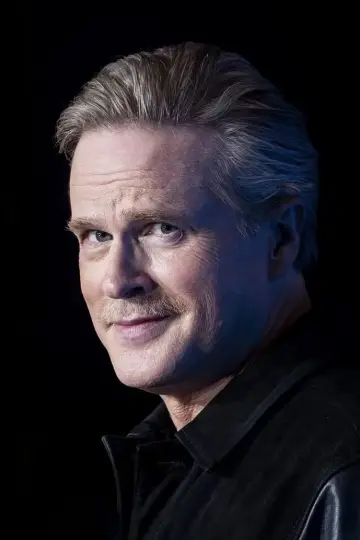
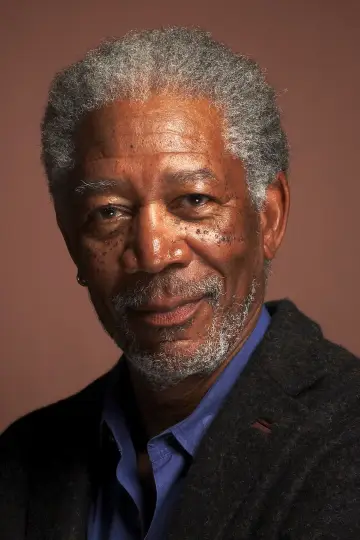
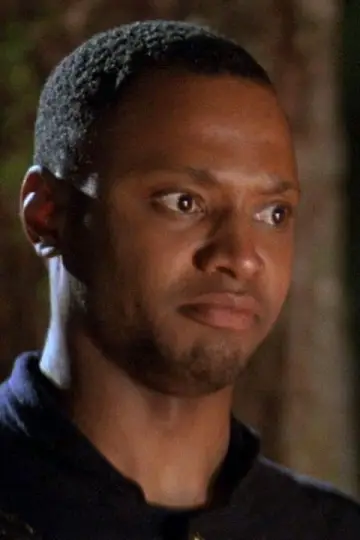
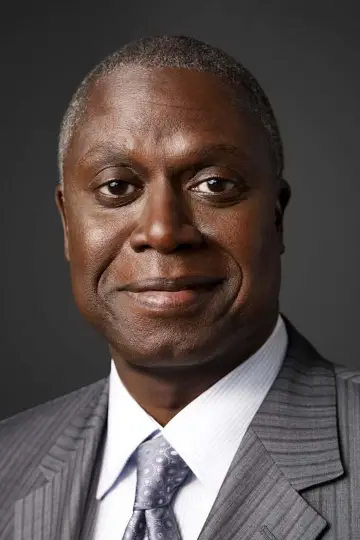
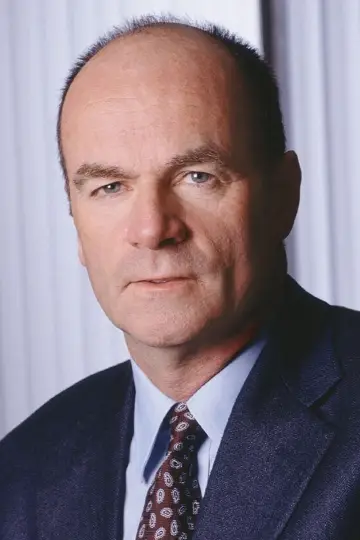
The film is directed by Edward Zwick, the second of the twelve features listed in his filmography, following About Last Night... Matthew Broderick leads the cast as Shaw, with Denzel Washington as Trip, Morgan Freeman as Rawlins, Cary Elwes as Cabot Forbes, Andre Braugher as Searles and Jihmi Kennedy as Jupiter Sharts. Kevin Jarre wrote the screenplay, and Freddie Fields produced the film for TriStar Pictures. Its roughly 18 million dollar budget and worldwide gross of about 27 million dollars indicate a modest commercial return.
Audience responses have been strong but not uniformly high. On IMDb it holds 7.8 out of 10 from around 153,000 votes, while on TMDB it sits at 7.5 out of 10 from a much smaller pool of voters. A critics' rating of 8.3 out of 10, drawn from some 60 reviews, places professional appraisal notably above both audience scores.
What's left behind the scenes
- Civil War reenactors (1861-1865) participated in the filming of the film – on a voluntary basis and without pay.
- According to director Edward Zwick, Denzel Washington was actually tied up and actually whipped in that scene, although the whip was special – it didn't lacerate his back, but the blows were still palpable.
- A significant portion of scenes featuring Cary Elwes' character were cut during editing.
- Morgan Freeman applied experience gained during his service in the US Air Force during filming. According to him, close friendships don't form during training.
- Morgan Freeman performed all of his own stunts.
- According to Matthew Broderick, he hardly had to act in the battle scenes, as he was genuinely frightened by the explosions on set.
- The film opens with soldiers playing baseball. The question of when, where, and how this sport was invented remains open, but it quickly gained popularity among soldiers on both sides during the Civil War.
- Edward Zwick initially had some concerns about how African American actors would react to filming with a young white director of Jewish origin, but the actors turned out to be quite friendly.
- The 54th Massachusetts Infantry Regiment's first battle took place on James Island on July 16, 1863. The battle scene was filmed in late February 1989 near the city of Savannah in the state of Georgia. During filming, it snowed, and heaters were required on set.
- Many of the initial shots used footage from a reenactment of the Battle of Gettysburg, filmed on its 125th anniversary in 1988. Up to 15,000 people participated in the reenactment.
- Smoke machines were used to prevent the blue of the sky from appearing in the shot. Edward Zwick wanted everything to look as bleak and gloomy as possible.
- Lycopodium, or clubmoss spores (mature dry spores of various species of the genus Lycopodium, containing up to 50% fatty oil, glycerin, and other compounds), was used to create the effects of exploding shells.
- At the end of the film, it is shown how Colonel Shaw's body is thrown into a mass grave with the bodies of Black soldiers. Officers were usually buried with honors, but in Confederate units, regiments consisting of African Americans were treated with such contempt that their officers were buried with the soldiers.
- The film is based on Lincoln Kirstein’s “Lay This Laurel” and Peter Burchard’s “One Gallant Rush,” as well as letters from Robert Gould Shaw.
Similar movies




 Auditions in India
 Casting calls in USA
 Castingi w Polsce
 Кастинги в Україні
