Hollywood Ending



All team (81)
Short description
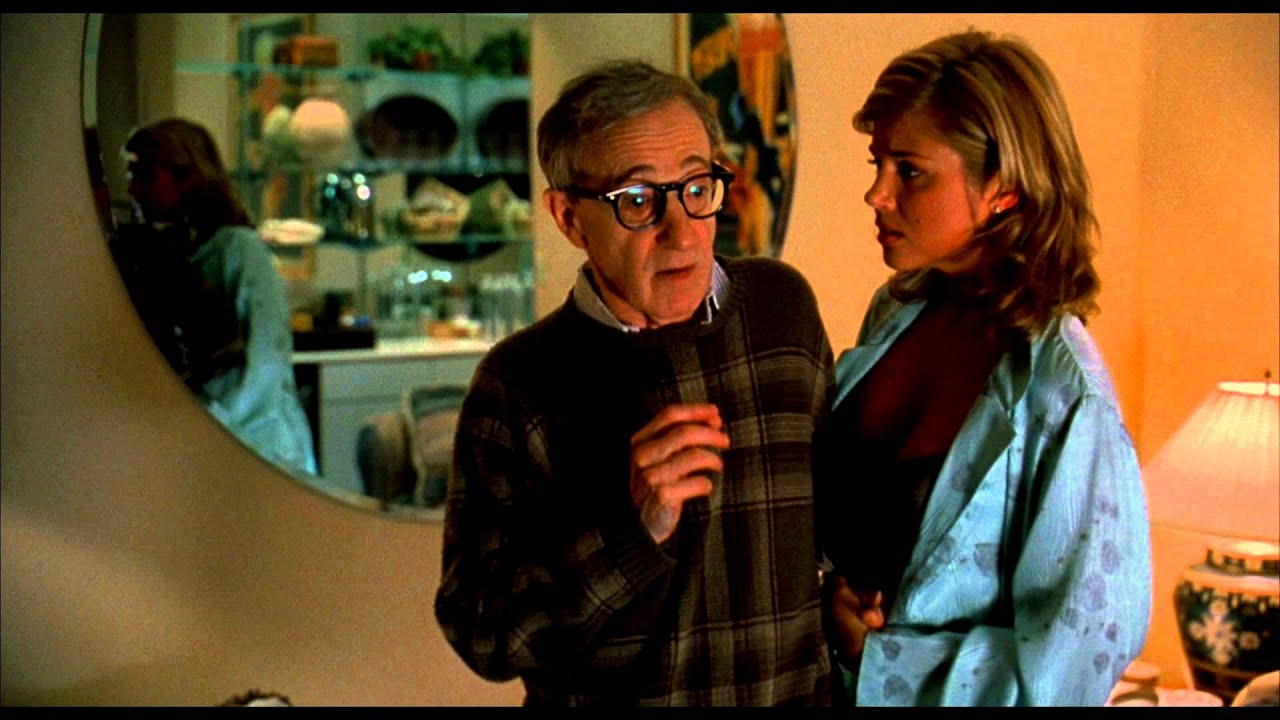
Hollywood Ending follows Val Waxman, a director who once won two Academy Awards but now finds himself reduced to shooting television commercials. When his ex-wife Ellie, who works for a powerful studio executive, proposes him for a big-budget production, Val gets an unexpected shot at returning to feature filmmaking. The relief does not last: shortly before shooting begins, stress and anxiety bring on a psychosomatic condition that leaves him unable to see. With help from a few trusted friends, he sets out to keep directing the film while making sure the studio heads never learn the truth about his sight.
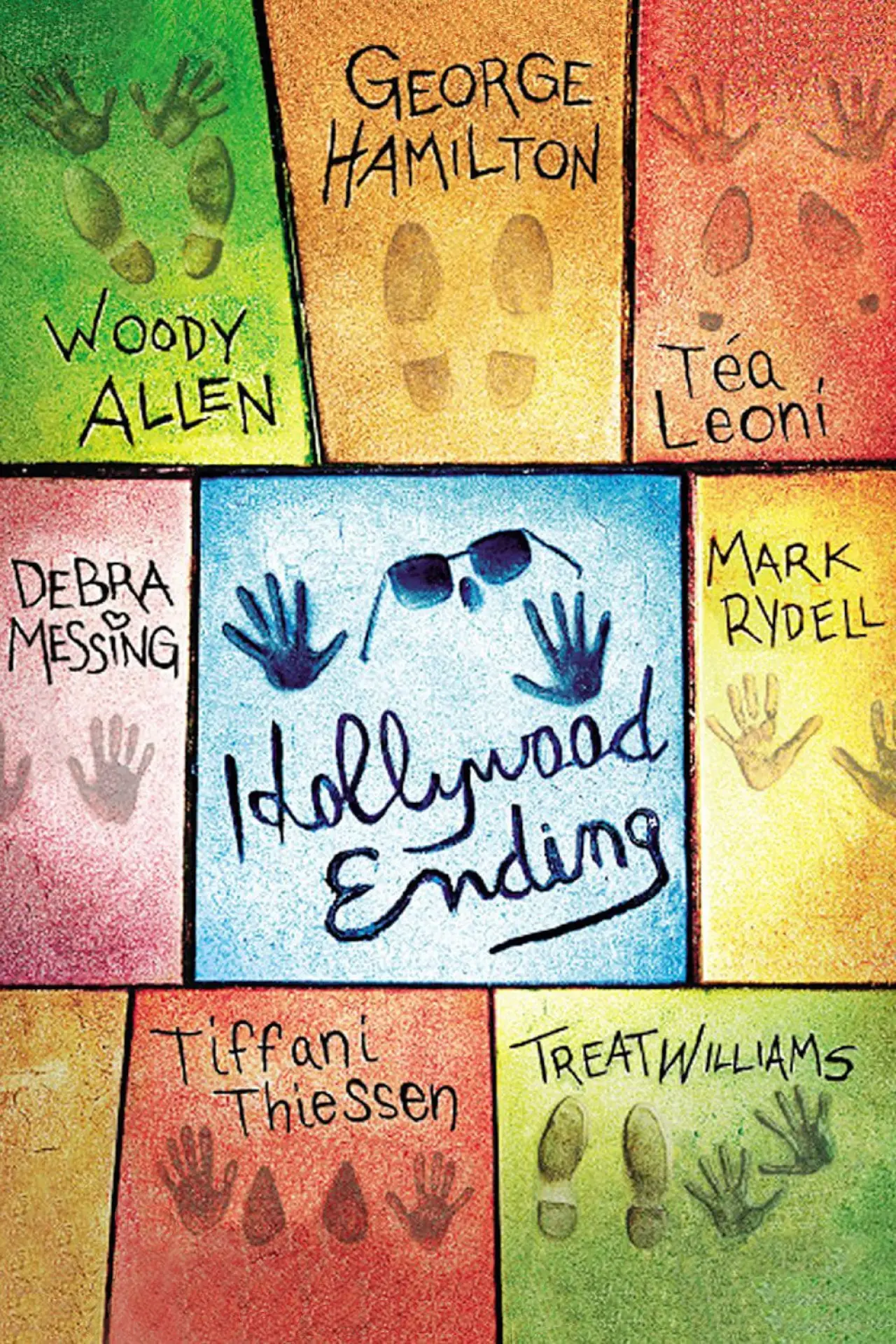
Woody Allen directed, wrote and stars in the film, playing Val. Téa Leoni appears as Ellie, with George Hamilton, Debra Messing, Mark Rydell and Treat Williams among the supporting cast. The production was handled by DreamWorks Pictures, Capitol Films and Gravier Productions, with Letty Aronson producing.
Released in 2002, Hollywood Ending is the thirtieth film Allen directed, coming between The Curse of the Jade Scorpion and Anything Else. Made on a budget of about 16 million dollars, it earned roughly 15 million worldwide, a modest return. On IMDb it holds a 6.5 rating from around 29,000 votes, and on TMDB a 6.5 from about 545 votes, while the film critics' rating stands at 5.9 from 131 reviews, slightly below the audience scores.
What's left behind the scenes
- On Val's coffee table lies Phil Hardy's book, "The Gangster Film".
- The film opened the Cannes Film Festival in 2002.
- Despite being filmed in standard spherical format, the end credits state "Filmed in Panavision".
- Cinematographer Haskell Wexler was fired a week after production began because he and Woody Allen couldn't agree on how to shoot certain scenes. Vedigo von Schulzendorff replaced him. Although Wexler is one of the most respected cinematographers, this is not the first time he has been fired. Something similar happened when he worked on 'One Flew Over the Cuckoo's Nest' (1975).
- Woody Allen's first film not to receive a theatrical release in the United Kingdom.
- After switching studios from Orion to DreamWorks, Woody Allen had to accept a budget cut. One of the casualties of this cut was Susan E. Morse, the editor who had worked with Allen consistently.
- In the scene where the characters advertise Val's film, a camera crane can be seen reflected in the mirror.
- As Al and Chow walk through the revolving doors, the reflection of a crew member with a white reflector can be seen in the windows.
- When Val regains his sight in the park, the angle at which sunlight falls on the buildings in the background does not match the angle at which it falls on Val and Ellie.
- Cinematographer Haskell Wexler was fired a week after production began because he and Woody Allen could not agree on how to shoot some of the scenes.
Similar movies



 Auditions in India
 Casting calls in USA
 Castingi w Polsce
 Кастинги в Україні
