Gladiator






Short description
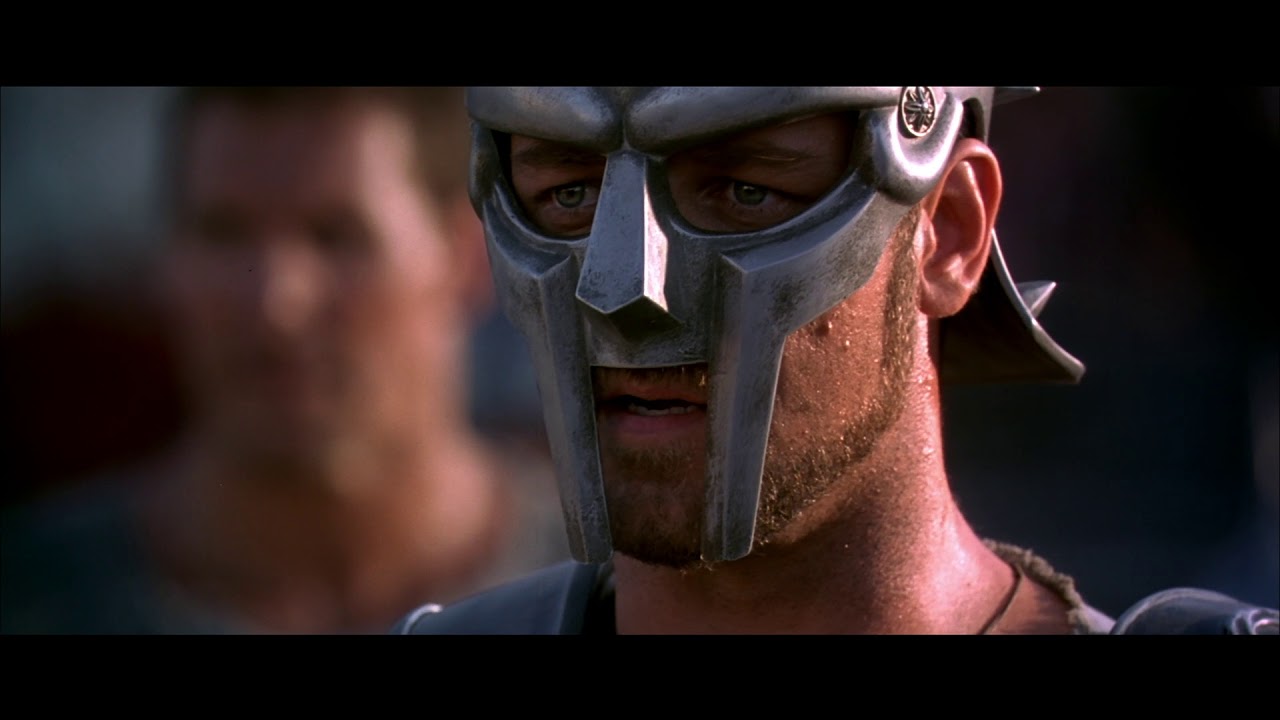
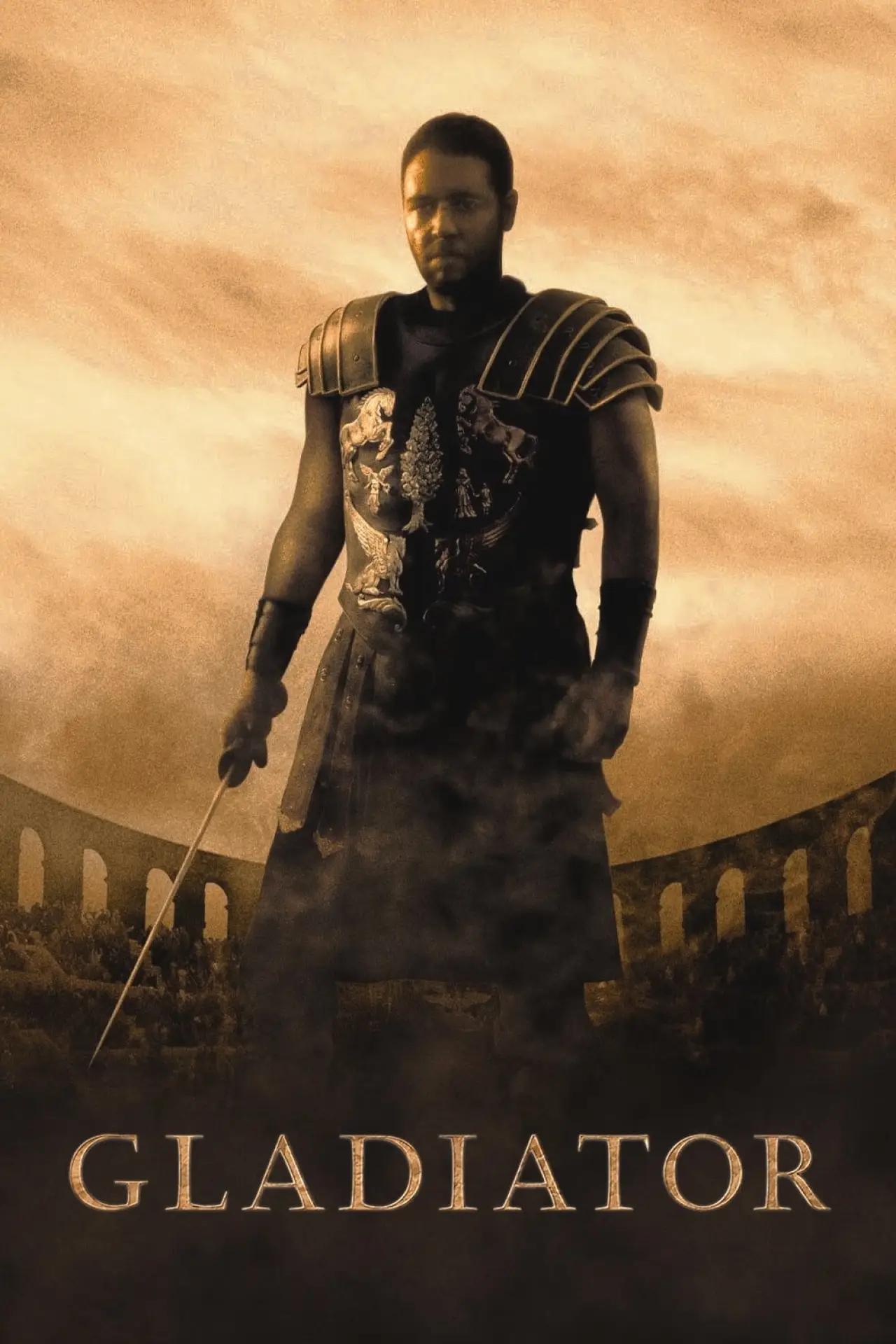
Gladiator is set in the Roman Empire at the end of the second century. The aging emperor Marcus Aurelius, nearing the end of a campaign against northern tribes, intends to pass power to his most trusted general, Maximus, rather than to his own son. Commodus, the son, seizes the throne instead and orders Maximus and his family put to death. Maximus survives but is captured and sold into slavery, and he is trained for the arena, where he wins the crowds as a gladiator and moves toward a confrontation with the man who destroyed his life.
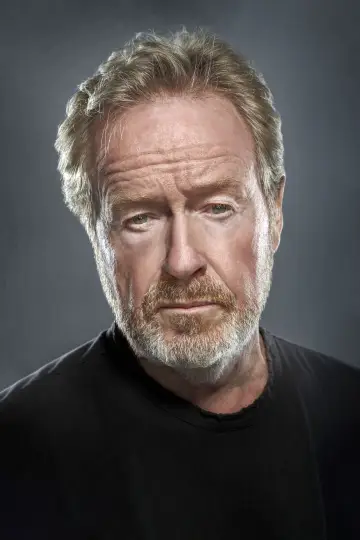
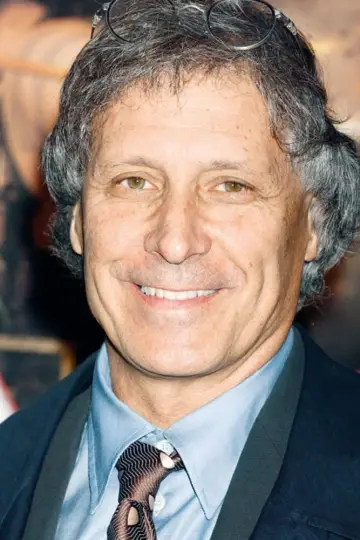
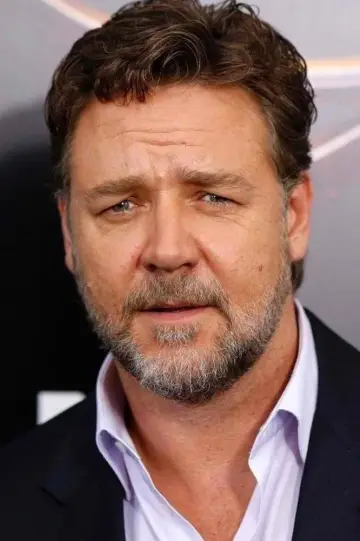
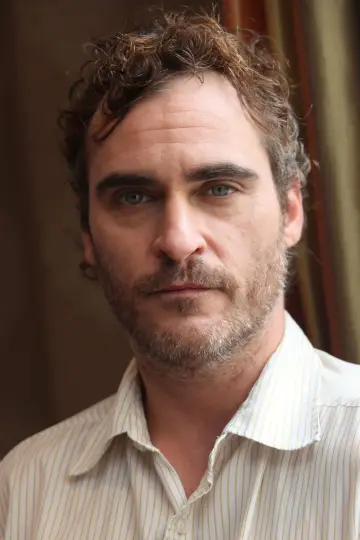
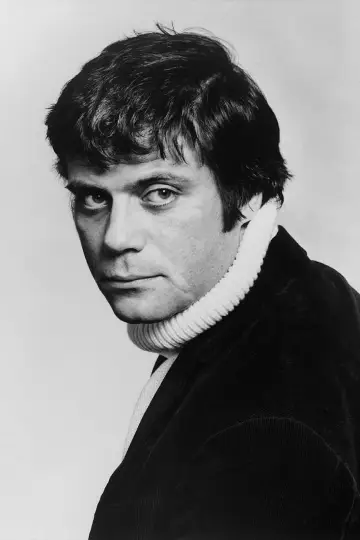
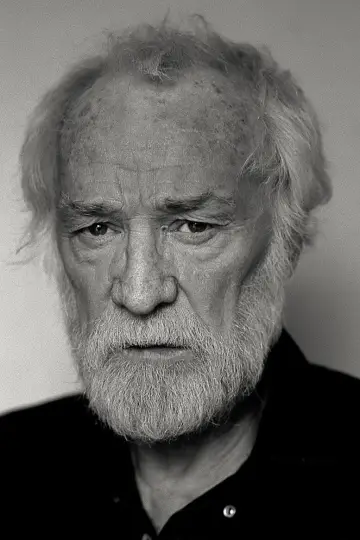
Ridley Scott directed the film from a screenplay by David Franzoni, John Logan and William Nicholson, with Franzoni, Branko Lustig and Douglas Wick producing. It was the eleventh of the thirty-four features Scott has directed, following G.I. Jane and preceding Black Hawk Down. Russell Crowe plays Maximus, Joaquin Phoenix is Commodus, and Connie Nielsen, Oliver Reed, Richard Harris and Derek Jacobi appear in supporting roles.
Made for about 103 million dollars, the film took roughly 461 million dollars worldwide, a strong return on its budget. On IMDb it holds 8.5 out of 10 from around 1.8 million votes, and on TMDB 8.2 out of 10 from a much smaller electorate. A critics' rating stands at 7.7 out of 10 from 265 reviews, slightly below the audience scores, indicating broad approval among both critics and viewers.
What's left behind the scenes
- Filming began on February 1, 1999. The first scene shot was the episode where Maximus rallies the morale of Roman soldiers with a speech before the battle with the barbarians.
- For filming the initial battle with the Germans, two full-scale catapults were built. Each weighed about a ton, and a projectile launched from such a catapult would fly 140 meters. It is worth noting that real catapults were capable of hitting a target at a distance of 250-300 meters.
- Connie Nielsen found a ring in one of the antique shops, made about two thousand years ago. She wore this very ring during filming.
- In the scenes taking place in the Colosseum, only two tiers were actually filled with extras. The rest of the crowd was rendered on a computer.
- Five animals participated in the scene with the tigers, and 4 days were allocated for filming this episode, but the shooting stretched for several weeks.
- Filming was completed on June 1, 1999.
- On November 21, 2000, a 2-disc DVD edition of the film was released, which was a rare occurrence for that time. This release of the film became the best-selling in the entire history of DVD products.
- The S.P.Q.R. tattoo on Maximus's shoulder stands for The Senate and People of Rome (Senatus Populus Que Romanus).
- A German Shepherd was used as the wolf accompanying Maximus in the battle scene with the Germans.
- Maximus is depicted as a general in the film. In reality, this rank only appeared in the 16th century in France.
- During the chariot battle in the arena, one of the chariots flips over, and a gas cylinder secured to the chariot can be seen.
- When Maximus throws his sword towards the stands in the arena, he does so with his right hand. In the next frame, the sword remains in his hand, and in the subsequent frame, the sword is gone.
- At the 4-minute mark of the film, when the Emperor is inspecting the troops from a hill, snowflakes flying in front of the camera appear and disappear with each cut.
- At the 4-minute mark of the film, when Maximus is speaking with one of his commanders, soldiers are preparing a catapult for battle behind him. After a cut, a soldier to the left of the catapult disappears.
- At the 5-minute mark of the film, when Maximus mounts his horse and rides along the ranks of his troops while barbarians attempt to intimidate the Romans before the battle, the ground in front of the forest is littered with arrows, even though the battle hasn't begun.
- At the 10-minute mark of the film, during the battle, it can be noticed that in one scene some extras playing Romans and barbarians are not fighting, but simply standing next to each other.
- At the 11th minute of the film, when Maximus, while riding, cuts off a barbarian's head with his sword, a wig can be seen flying off the falling head in one of the shots.
- At the 15th minute of the film, when Maximus pulls his sword from the tree, water drips from it, although he had been fighting in completely dry weather previously.
- At the 15th minute of the film, when Maximus is talking to Marcus Aurelius, snow is falling around them. However, in the previous shot, when the general pulled his sword from the tree, there was no precipitation.
- At the 24th minute of the film, when Maximus goes to check on his horse, a member of the film crew wearing blue jeans and a black hoodie can be seen in the background on the left side of the frame.
- At the 42nd minute of the film, when Maximus fights the Praetorians who are about to execute him, his hands are tied throughout the scene. When he prepares to strike the last remaining Praetorian on horseback, his hands are already free.
- At the 43rd minute of the film, Maximus feels a bloody wound on his shoulder with his hand, inflicted by a Praetorian on horseback, yet his armor remains completely intact after the fight.
- At the 52nd minute of the film, when Proximo examines Maximus’s tattoo, the wound above it is heavily festering and not healing. By the 55th minute, when Maximus removes the tattoo in gladiatorial school, the wound is already noticeably scarred.
- At the 60th minute of the film, when Commodus returns to Rome, a large number of rose petals fall from above. In all subsequent scenes, there isn’t a single petal on the ground.
- At the 97th minute of the film, Maximus tells Lucilla that his family was burned alive and crucified, although at the 45th minute of the film, Maximus saw that his family was burned and hanged.
- In the opening scene of the film, where the main character walks through a field and runs his hand across the grass, a Russell Crowe stunt double was actually used.
- The wound on Russell Crowe's right cheek, sustained during the first battle scene, is completely real. The actor’s horse got frightened by something and bolted towards the trees, and one of the branches pierced the hero’s cheek.
- The first battle scene took 20 days to film. The roles of the barbarians were largely played by Scottish extras, many of whom had previously participated in the filming of “Braveheart.”
- Russell Crowe began filming shortly after completing work on "The Insider" (1999). He gained around forty pounds specifically for the role and lost it with remarkable ease before "Gladiator." Russell insisted he didn't do anything extraordinary to achieve this, simply working on his Australian farm.
- Actor Oliver Reed (the role of Proximo) died of a heart attack during filming. Therefore, computer graphics had to be used in some scenes, for which approximately 3 million dollars of the budget were allocated. The film is dedicated to the memory of this actor.
- The role of Maximus was written specifically for Mel Gibson, but the actor declined to film for some reason.
- Despite long-standing rumors, Enya did not record a single composition for the soundtrack. Indeed, the main song is very similar in style to Enya's work, but almost the entire soundtrack was recorded by Lisa Gerrard.
- Screenwriter David Franzoni began working on the plotline back in the distant 1970s.
- After visiting the actual Colosseum, Ridley Scott noted its "rather small size." Therefore, when developing the set design, Scott increased the real dimensions of the structure by almost twice.
- Richard Harris, who played Marcus Aurelius, was originally supposed to play Commodus in "The Fall of the Roman Empire," but he argued with the director and was replaced by Christopher Plummer.
- During filming, Ridley Scott wore a red cap, which actor Gene Hackman had worn in "Crimson Tide," directed, incidentally, by the director's brother, Tony Scott.
- "I've had to endure significant physical exertion before, but this time it was too much," Russell Crowe said in an interview. "You know, I never thought about what I would have to go through when I agreed to this role, and midway through filming I regretted not agreeing to the role of a bus conductor."
- During filming, Russell Crowe received a letter from management asking him not to play football due to the risk of injury. He was in the middle of shooting one battle scene after another at the time. Crowe sent the following reply to management: "I can fight four tigers, but I can't play football? Get out of here... With love, Russell."
- In reality, Commodus was the only Roman emperor who allowed himself to occasionally appear in the arena. In fact, he did not die in the arena at all – he was strangled in the dressing room by an athlete named Narcissus. That is precisely the name Russell Crowe’s character was to have in the early drafts of the script.


 Auditions in India
 Casting calls in USA
 Castingi w Polsce
 Кастинги в Україні
