Stagecoach





Short description
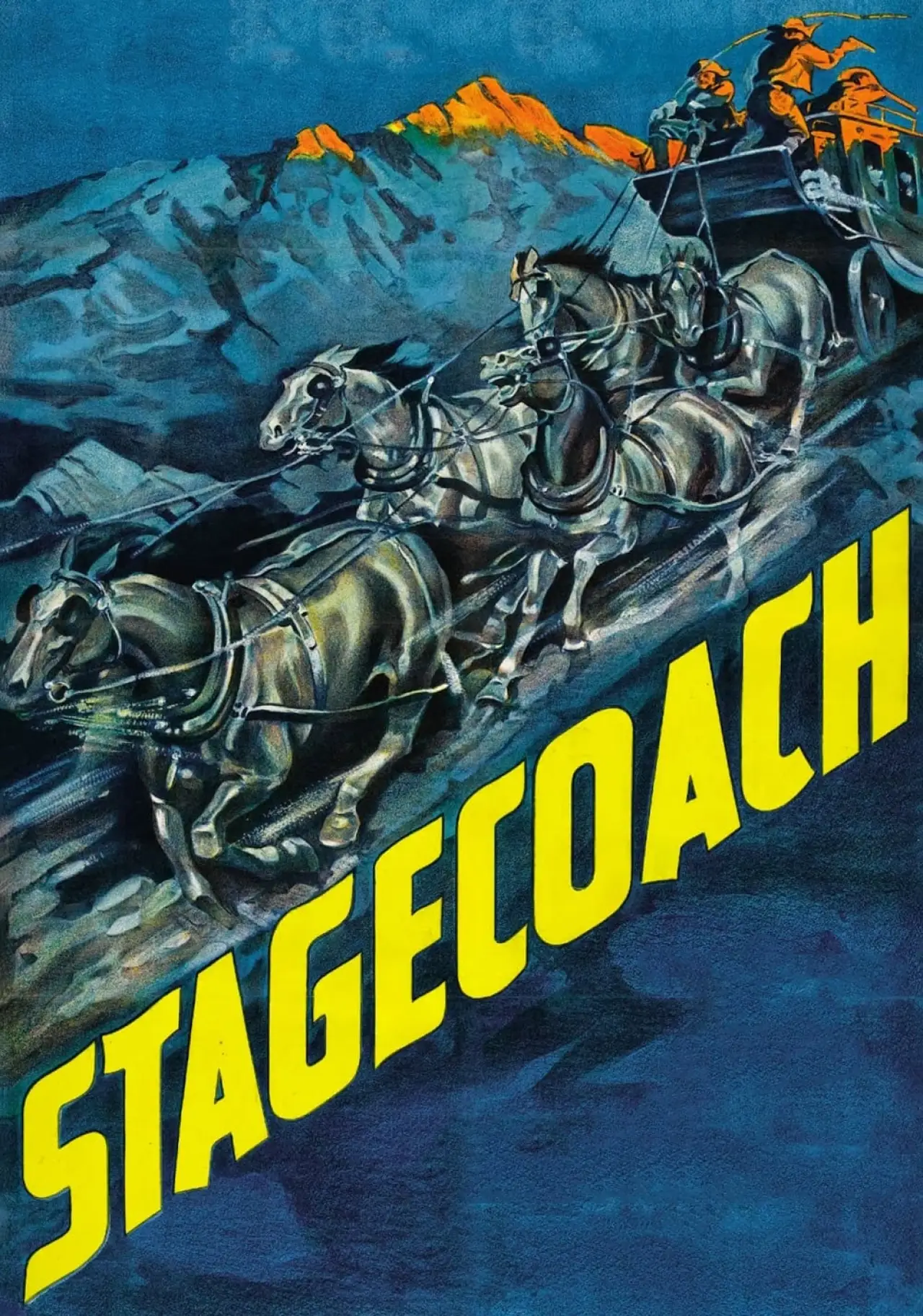
Stagecoach follows a group of strangers travelling together by coach from Tonto to Lordsburg through territory made dangerous by Geronimo's Apache raiders. Among the passengers are Dallas, a woman driven out of town, an alcoholic doctor, a gambler, a pregnant officer's wife, a banker, a whisky salesman, the driver Buck and Marshal Curly Wilcox, who rides shotgun. On the road they are joined by the Ringo Kid, an escaped outlaw heading for a showdown with the men he holds responsible for his family's deaths. Confined together, the travellers must set aside their differences and rely on one another to survive the journey.
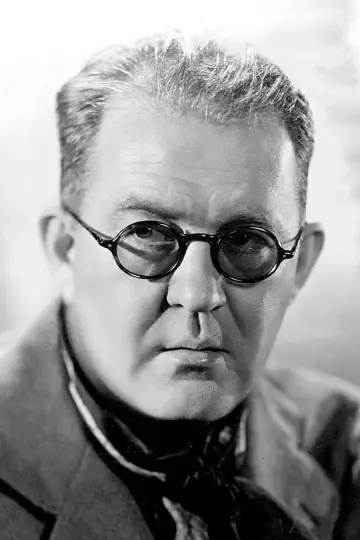
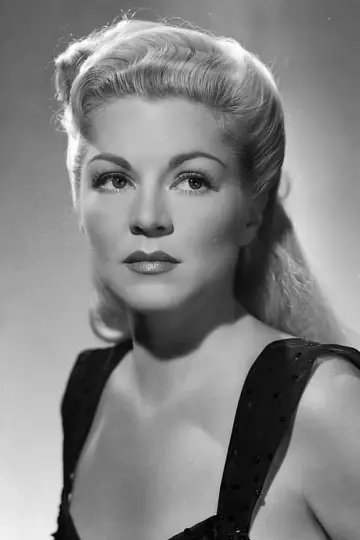
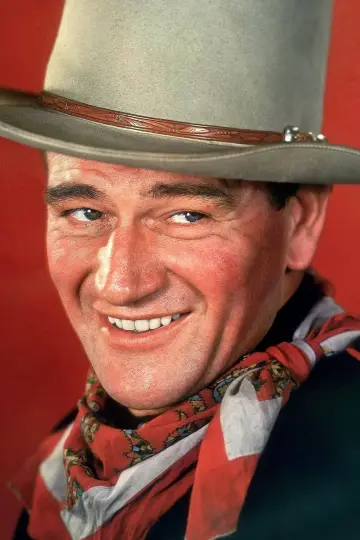
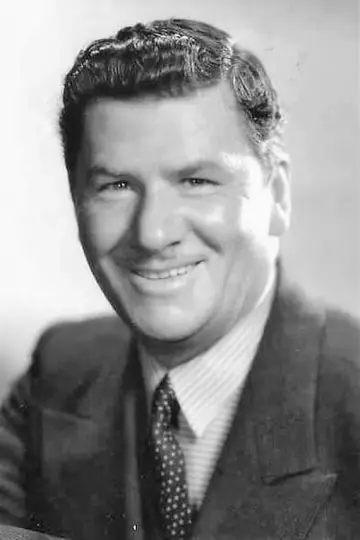
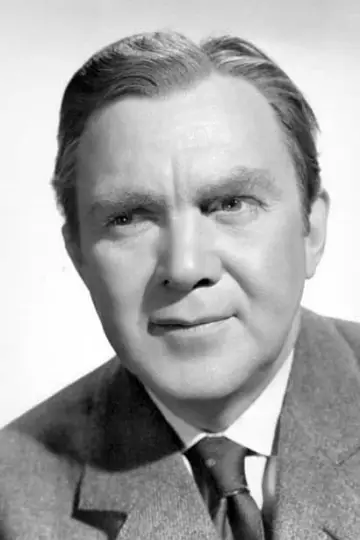
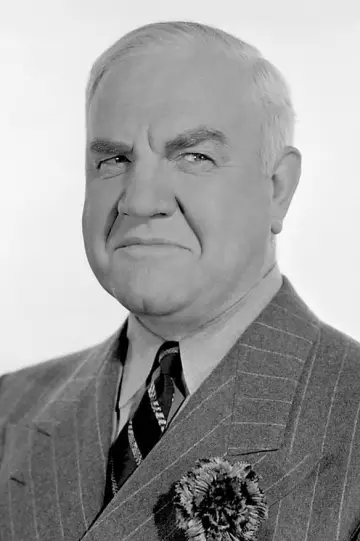
John Ford directed this 1939 western, his fourth feature in chronological order, following The Informer and preceding Young Mr. Lincoln. Ben Hecht and Dudley Nichols wrote the screenplay, and Ford also produced. Claire Trevor plays Dallas, with John Wayne as the Ringo Kid, George Bancroft as Marshal Curly Wilcox, Andy Devine as Buck, Thomas Mitchell as Doc Josiah Boone and John Carradine as Hatfield.
The film was released in March 1939 and runs 96 minutes. It took about 1 million dollars worldwide. On IMDb it holds 7.8/10 from over 52,500 votes, while on TMDB it sits at 7.6/10 from roughly 1,300 votes, indicating broad audience approval over many decades. A critics' rating of 9.3/10 from 47 reviews places it well above those audience scores.
What's left behind the scenes
- In the film, John Wayne wears a hat from his own wardrobe. For the next two decades, he would wear it in many westerns, up until Howard Hawks' 'Rio Bravo' (1958), by which time the hat had practically fallen apart. After that, it was placed under glass in a display case in the actor's home.
- “Stagecoach” was one of the few Westerns that made it into Soviet cinema release. In Soviet release, the film was titled “The Journey Will Be Dangerous.”
- In 1939, there were no paved roads through Monument Valley, which is why nothing had ever been filmed there prior to the movie 'Stagecoach'. (The first paved road was not built there until the 1950s.) Harry Golding, who ran a trading post in Monument Valley, overheard that John Ford was planning to film a Western and that the movie would have a very substantial budget. Golding took over a hundred photographs of Monument Valley, taken from various points and angles, went to the studio, and declared that he would camp on Ford's doorstep and wait until Ford agreed to see him and look at the photos. Ford met with Golding almost immediately. He literally fell in love with the location at first sight, realizing that its remoteness from Hollywood would significantly reduce the ability of studio executives to interfere with the filming process.
- Following negotiations with Ford, Wanger's studio finally gave the project the green light, although they significantly cut its funding. Ford was given the condition that the well-known Wayne, and not the popular actress Claire Trevor of the time, would be prominently featured in large print on all posters. Accepting this condition, the director presented Wayne (his longtime protégé and friend) on screen later than the other actors, and in a particularly striking manner. Some of the character actors moved from Ford's previous film, 'The Hurricane' (where a group of people also face imminent disaster) to 'Stagecoach'.
- When Yakima Canutt (a cowboy, rodeo champion, stuntman, actor, producer, screenwriter, and stunt coordinator) asked director John Ford if the stunt in which one of the attacking Indians was dragged under a speeding stagecoach had worked, Ford replied that he didn't care, and that even if the stunt had failed, he had no intention of filming the scene again.
- In all the interior scenes, the ceiling is visible, which was quite unusual for films of that era. This trick was employed to help create a sense of claustrophobia for the viewer, contrasting with the endless open spaces of Monument Valley.
- When asked why the Indians didn't simply shoot the horses during the chase to stop the stagecoach, John Ford replied directly and plainly: "If they had, the film would have ended too quickly."
- Like most other films by John Ford, the filming took place in Monument Valley, Utah.
- Having bought the rights to adapt the story and commissioned Nichols to write the screenplay, Ford attempted to interest David Selznick in the project as early as 1937. Due to Selznick’s preoccupation with the production of 'Gone with the Wind' and delays in starting filming, Ford moved to another independent studio owned by Walter Wanger. The latter insisted that established stars Gary Cooper and Marlene Dietrich play the leading roles, but Ford flatly refused to compromise. He only saw John Wayne in the role of Ringo, who had ceased to be considered a promising actor after the failure of the Western 'The Big Trail' (1930).
- For Ford, the film was the first sound Western, and indeed the first Western in the last 13 years.
- The American Film Institute ranked the film ninth on its list of the greatest Westerns in film history in 2008.
- One scene required a loaded stagecoach with passengers to float down a river, but the technicians couldn't figure out how to achieve this. John Ford was already considering cutting the entire scene from the script, but Yakima Canutt found a solution. He suggested attaching hollow logs to the stagecoach to increase its buoyancy and support its weight. Additionally, the stagecoach was pulled by a cable laid underwater, so Canutt's suggestion worked.
- Famous David O. Selznick was interested in producing the film, but he would only take on the work if Gary Cooper played Ringo and Marlene Dietrich played Dallas.
- The Apache Indians were played by local Navajo. The reservation populations were languishing in poverty, and filming the movie provided many of the Native Americans with employment, albeit temporary.
- A specific trick was used to film the scene in which Native Americans gallop in pursuit of the stagecoach while the passengers fire back. A thin metal cable was attached to the horses' legs and connected to a stake driven into the ground. As the horses galloped and the cable unwound to its full length, it would jerk their legs out from under them (at which point the rider was supposedly hit by a bullet), causing the animal to fall and throw the supposedly shot rider. Unlike the horse, the rider knew exactly when to expect the fall and could brace themselves; however, many horses either died instantly upon falling or had to be put down because the resulting injuries were so severe. The use of this method in cinema and elsewhere drew numerous criticisms and complaints regarding animal cruelty, and it was eventually banned.




 Auditions in India
 Casting calls in USA
 Castingi w Polsce
 Кастинги в Україні

