Differences between acting in a studio and on location
Behind the Scenes: Cinema: Differences between acting in a studio and on locationTo the viewer, the difference between a studio and a location is invisible, but for an actor, it is substantial: the work pace, the number of takes, the physical environment, and the required precision all change. You need to prepare for these shifts differently.
The Studio: A Controlled Environment
In a studio, everything is constructed: walls, windows, lighting, and even the weather outside the window. Nothing depends on the sun or rain, so the shooting schedule is typically tighter and more predictable.
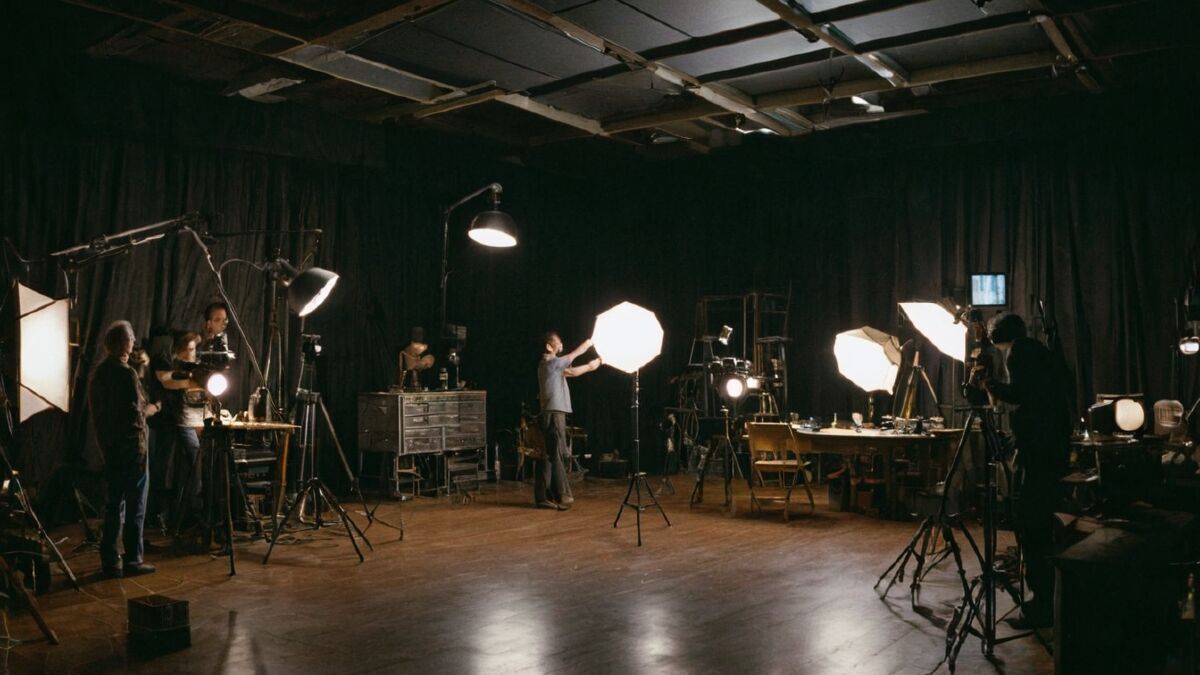
What this means for the actor:
- More takes. There is no rush due to fading light, so the director can take their time to get the perfect shot.
- Higher precision requirements. Marks, repeatability of movement, and hitting the light are strictly monitored.
- Long lighting setups. Between setups, you will wait—sometimes for hours.
- Heat. Studio lights generate immense heat; wearing a heavy winter costume in a Mumbai studio during summer can be grueling.
- Cramped spaces. Walls are often flats (movable), space is limited, and you must move carefully to avoid knocking over equipment.
- Clean sound. Because it is a controlled environment, the need for post-synchronization (dubbing) is lower, though still common in Indian cinema.
How to prepare: Wear light, breathable clothing under your costume, keep water handy, and be mentally prepared for long waits in the makeup chair. Keep your script accessible: a single scene might be shot for half a day, and the order of takes may change.
On Location: The Environment Dictates
On location—whether in the streets of Chennai, the hills of Mahabaleshwar, or the coast of Kochi—the primary "boss" is the light and the weather. The entire schedule revolves around them, which completely changes the rhythm.
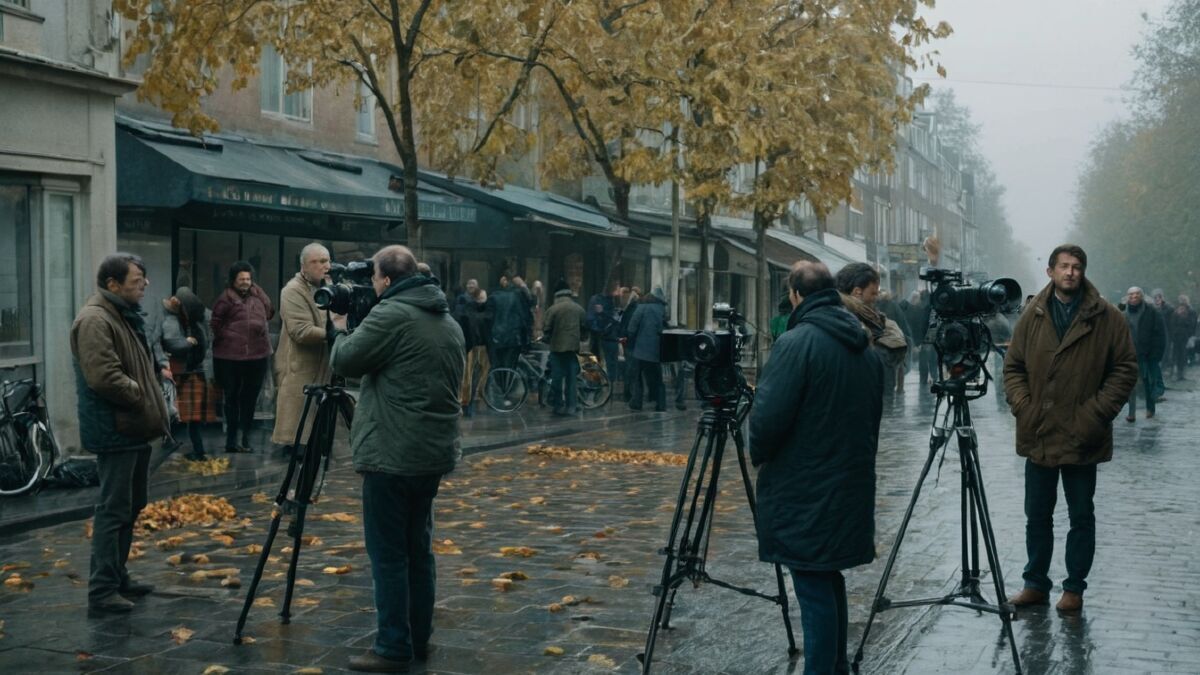
What this means:
- Fewer takes. The "golden hour" disappears quickly, and the scene must be captured before the light goes. You are expected to be ready immediately.
- Haste and sudden shifts. The order of scenes changes on the fly based on weather conditions.
- Long waits followed by instant action. The hardest part for an actor is maintaining readiness for hours and then entering the scene in a minute.
- Physical conditions. Humidity, extreme heat, wind, monsoon rain, insects, and uneven terrain.
- Dirty sound. Traffic, aircraft, wind, and crowds. Post-synchronization (dubbing) is highly likely.
- Bystanders. In public locations, crowds of curious onlookers often gather, and you must perform in front of them.
How to prepare: Dress in layers according to the weather, bring a thermos, a change of shoes and socks, insect repellent for the summer, and warmers for winter. Always alert the makeup artist if you are shivering—blue lips are visible on camera.
How Conditions Affect Your Performance
Cold. It stiffens the body and voice, making breathing shallow. Warm up before the take; do not stand still. Putting a jacket over your costume between takes is standard practice, and the costume designer will usually provide one.
Heat. It slows you down, dries out the throat, and ruins makeup. Drink water in small, frequent sips rather than gulping it right before a take.
Wind. It disrupts the sound and tempts you to speak louder than necessary. Resist this: act with a normal volume; the sound engineer will handle the technical side.
Waiting. It is the main activity in both settings. The difference is that in the studio, you have a rough idea of when you'll be called; on location, you might be called in a split second.
Special Location Scenarios
Residential buildings and public streets. These require absolute silence, limited time, and dealing with neighbors. You have to work fast.
Night shoots. A separate challenge: the cold is more piercing, fatigue accumulates faster, and lighting takes longer to set. Sleep during the day and don't rely on coffee as a permanent solution.
Water. Wet clothes, hypothermia, and a limited number of takes due to costume drying time. Ask in advance if there is a wetsuit to wear under your clothes and where you can warm up.
Vehicles in shot. Shooting in a car is cramped and tedious, often with a camera on the hood and no way to exit the vehicle between takes.
Common Ground
- A shift is roughly twelve hours, most of which is spent waiting.
- Marks, continuity, and repeatability are mandatory everywhere.
- All questions should be directed through the Second Assistant Director (2nd AD).
- Never leave the scene until the "Cut" or "Stop" command is given.
Pre-Shift Checklist
- Check the call sheet to see if it is INT (Interior) or EXT (Exterior) and the time of day per the script.
- Check the weather forecast for the specific location, not just your home neighborhood.
- Pack according to the conditions: layers, appropriate footwear, thermos, and water.
- Clarify if there is a designated area to warm up or hide from the sun.
- Have your script available offline—mobile connectivity can be spotty on remote locations.
- Allow extra time for travel: rural or outskirts locations can be difficult to find.
In Short
- Studio: More takes, higher precision, heat, and scheduled long waits.
- Location: Fewer takes, haste, unpredictable weather, and noisy environments.
- The key skill on location is the ability to stay ready and enter the scene instantly.
- Dress for the actual conditions, not the weather described in the script.
- If you are freezing or overheating, speak up immediately—it is a professional matter.
Find projects with both studio and location shoots in the castings section.
Share


Author: Vikram Nair, film production writer
Publication date: 27 August 2026
Views: 38
Comments
Other materials in this section
Learn how fittings work, who is responsible for the wardrobe, and why continuity is more important than your comfort on set.
Learn how raw footage is transformed into a final film, why scenes are trimmed or cut entirely, and how to handle the editing process as a professional actor.

From table reads to on-set blocking, learn what is expected of you at every stage, how to prepare, and why rehearsals are more critical than beginners often realize.

A short method for taking a scene apart the night before an audition: what happens, what the character wants and what stands in the way.
A detailed guide to decoding call sheet fields, the difference between call time and shoot time, and how to plan your day on a professional set.
How background work differs from an episodic role, when a line appears, and why the path from crowd work upward does not open for everyone.
 Auditions in India
 Casting calls in USA
 Castingi w Polsce
 Кастинги в Україні
