Measurements, digitals and the comp card: what an agency actually looks at
Behind the Scenes: Fashion and Modelling: Measurements, digitals and the comp card: what an agency actually looks at
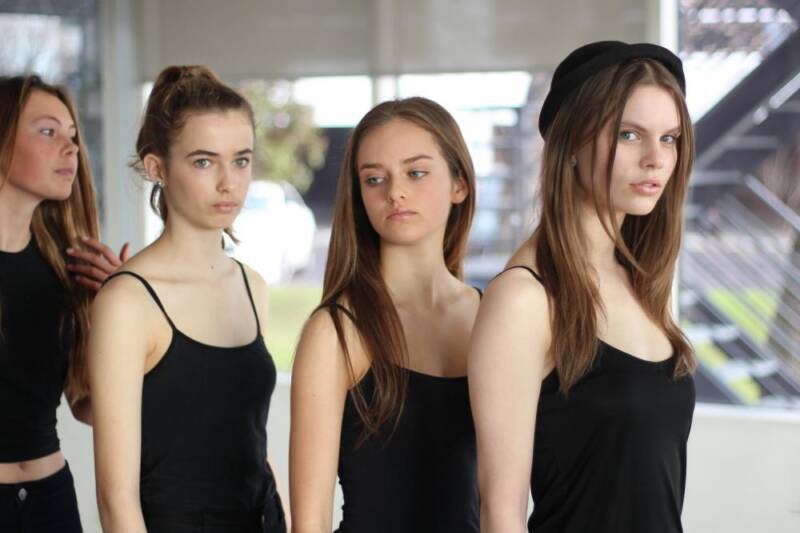
A modelling casting works differently from an acting one. There are almost no scenes and rarely any text — the decision rests on physical data, the ability to work in front of a camera and a match with the format. Here is what that selection consists of.
Measurements: why the numbers come first
Height, bust, waist, hips, shoe size — the basic set an agency asks for before any meeting. The reason is purely operational: brands supply clothing for a shoot or a show in specific sizes, and the model has to fit into it. This is logistics, not a judgement on appearance.
Hence the basic rule: measurements must be honest and current. A discrepancy of a few centimetres surfaces in the fitting room, and the result is a ruined shoot day — which costs far more in reputation than missing one casting.
Digitals: photographs without processing
Digitals, also called polaroids, are plain images with no make-up, no styling and no retouching: front, profile, full length, in simple fitted clothing, against a neutral wall, in daylight. Sometimes a few frames in movement and a short video are requested.
The point is to see the person as they are: face shape, skin, proportions, posture. A polished portfolio with a stylist and studio lighting shows who you can be with a team behind you. Digitals show what that team will be working with. Both are needed, but digitals decide more applications.
The comp card
A comp card is a model's calling card: a few of the strongest images on one side, name, measurements and agency contact on the other. It exists in print and digital form so a client can compare candidates quickly.
The principle is fewer but sharper: four or five frames showing range — portrait, full length, different looks — beat a dozen similar shots.
What is assessed beyond appearance
- Posture and walk. Visible immediately, and improved by training rather than genetics.
- Camera work. Finding the light, holding a line, changing the look between frames without prompting.
- Skin and hair condition. An operational factor: how much time the hair and make-up team will need.
- Punctuality and conduct. A model works inside a team, and difficult people are not called back.
- Languages. On regional campaigns and for any work involving speech, this widens the market considerably.
"Not our format"
The phrase usually means exactly what it says: the agency or client works in a particular segment and you do not fit it. Commercial photography, ramp, beauty, the 40-plus category, plus size, fitness — these are different markets with different requirements, and a strong model in one can be of no use in another.
The practical conclusion: a rejection by one agency is not a verdict on your appearance. It is worth working out which segment is yours and applying there, rather than sending identical materials everywhere.
Keep current measurements and recent photographs in your profile — that is what people search on when a brand urgently needs a specific size. Open calls: the castings section.
Share


Author: Svetlana Lisa, Stylist and fashion designer
Publication date: 08 August 2026
Views: 110
About us and our editorial policy
Comments
Other materials in this section
Learn what a fitting is, why it matters to brands, and how to prepare professionally to ensure you secure the booking.
Discover who needs hand and foot models, the specific aesthetic requirements, how to maintain your skin and build a portfolio, and the earning potential of this accessible niche.
Discover how heavy daily makeup affects your skin, the correct way to remove it after a long shift, and how to restore your skin barrier and handle breakouts during a project.
Discover which segments hire plus size models, how requirements and measurements differ, and how to build a professional portfolio to launch your career.
Discover which segments hire mature models, how requirements differ from the youth market, and the practical steps to start a professional career later in life.
Why catalog shoots are the "bread and butter" for most models, how a day with a hundred looks is organized, and how to enter this high-demand segment.
 Auditions in India
 Casting calls in USA
 Castingi w Polsce
 Кастинги в Україні
