How e-commerce models build a stable income from photoshoots
Behind the Scenes: Fashion and Modelling: How e-commerce models build a stable income from photoshootsCatalog shoots may not look glamorous and rarely make it into a high-fashion portfolio, but they provide the most regular income for the majority of models. There is no glossy prestige here, but there is repeatability, predictability, and constant demand.
What This Work Is About
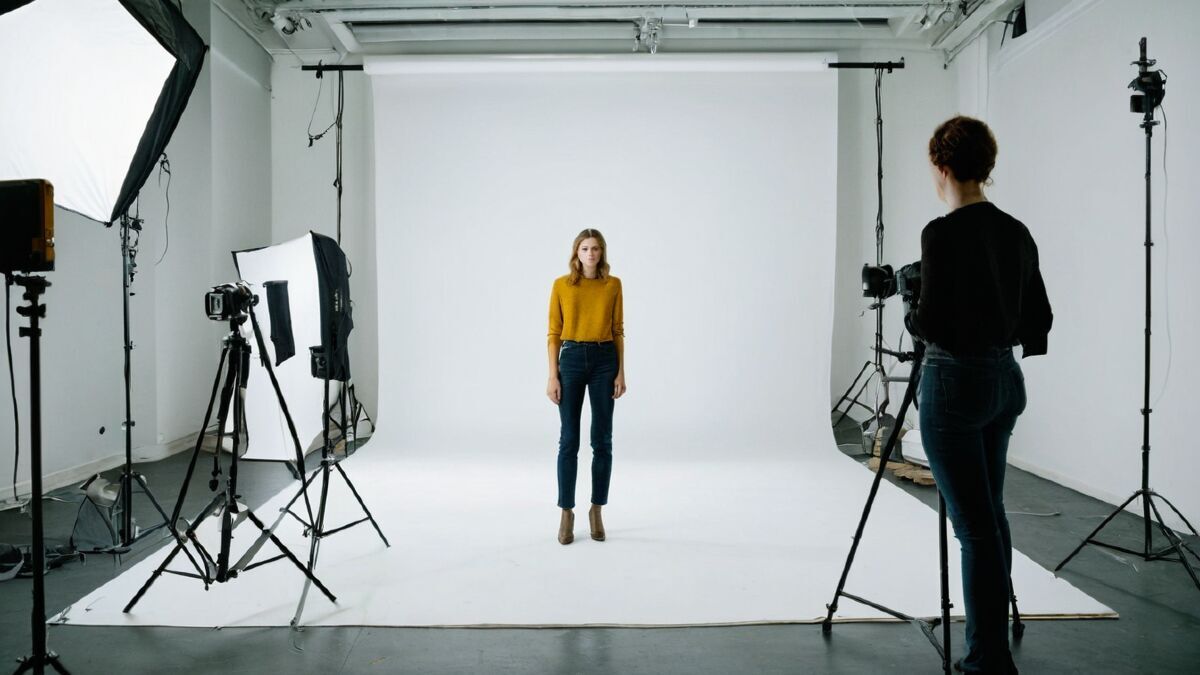
E-commerce stores shoot products on a person: clothing, footwear, accessories, and sportswear. The goal is to showcase the item: the cut, the fit, how it hangs, and how it looks in motion. In this context, the model is not the main subject, but a tool to display the product.
This is the primary difference from commercial or high-fashion shoots: individuality is not required; neutrality and precision are. A personality that is too striking can be a hindrance, as it distracts attention from the garment.
How the Day is Structured
The main characteristic is the pace. Depending on the production, from thirty to over a hundred looks are shot per shift.

- Arrival, paperwork, and makeup — usually light and neutral.
- The stylist organizes the queue of looks for the entire day.
- Each look is allocated three to ten minutes: change clothes, hit the mark, shoot four to six angles, and go back to change.
- While you are changing, the next set is already prepared.
- Lunch break.
- The pace remains the same for the second half of the day.
Lighting is typically set once for the entire day and rarely changed. The mark on the floor also remains in one spot.
What is Required from the Model
- Speed of changing. A key skill. The faster you change, the more looks they can shoot, and the more often you will be rehired.
- Consistent angles. Catalogs require uniformity: all items must be shot from the same points. Your task is to reproduce a set of poses identically a hundred times.
- Endurance. Eight hours on your feet, mostly standing in one spot.
- A "neutral" face. A neutral expression or a slight half-smile, without "over-acting."
- Stable measurements. The client sources samples for a specific size; any deviation can disrupt the entire shoot.
- Carefulness. The items are new and intended for sale: do not stain them with makeup, do not stretch the fabric, and do not snag the material.
Basic Pose Set
Catalogs usually require the same angles, and a professional model knows how to deliver them in advance:

- Frontal, arms relaxed, weight on one leg.
- Three-quarter view to the right and left.
- Back view — to show the fit from behind.
- Detail shots: pocket, collar, sleeve — often captured in close-up.
- Slight movement: a step or a turn to make the garment "come alive."
It is useful to practice this sequence at home until it becomes automatic. On set, you will repeat it dozens of times, and the less you have to think, the faster the day goes.
Pros of the Segment
- Regularity. Stores shoot new collections constantly. Whether you are working in Mumbai, Hyderabad, Chennai, or Kochi, the demand is perpetual, and you can work with one client for years.
- Predictability. Date, time, and location are known in advance and rarely shift.
- Clear Payment. Often paid per hour or per shift. Be mindful of the financial side: professional fees are typically subject to TDS (Tax Deducted at Source), and if you operate as a business, GST registration may be required.
- Low Entry Barrier. You don't need a degree from institutes like NSD, FTII, or SRFTI, nor do you need a famous name.
- No Night Shifts. Most e-commerce shoots happen during standard studio hours.
Cons
- Monotony. By the fiftieth look, the day feels like a conveyor belt.
- Minimal Portfolio Growth. Catalog frames are rarely allowed to be shared, and even when they are, they say very little about your artistic range.
- Physically Demanding. Strain on the legs and back due to constant standing and changing.
- Lower Rate than Commercials. You trade high one-time payouts for stability.
How to Enter the Segment
- Take digital snapshots (digitals) — simple, unedited photos: front, profile, full length, in form-fitting clothing. The client needs to see your figure and fit, not an artistic portrait.
- Provide accurate and honest measurements, including shoe size. A catalog is, first and foremost, about sizing.
- Look for direct castings: many brands and product studios recruit directly rather than through agencies.
- Accept your first day without inflated expectations. In this segment, you are hired for reliability, not just beauty.
- Work for the repeat call. In this market, one reliable client can provide you with dozens of shifts per year.
What Increases Your Chances of Being Rehired
- Arriving on time, always.
- Changing quickly and without complaining.
- Maintaining the same set of angles throughout the day.
- Staying off your phone between looks.
- Keeping a fresh face until the end of the shift.
- Handling the garments with care.
In Short
- Catalog shooting is about the product, not you; neutrality and precision are key.
- Up to a hundred looks per shift, three to ten minutes per look.
- Main skills: speed of changing and consistent posing.
- Pros: regularity and predictability; Cons: monotony and a static portfolio.
- Entry: digital snapshots and honest measurements, not a glossy portfolio.
- One reliable client can provide dozens of shifts a year.
Model castings are available in the castings section.
Share


Author: Svetlana Lisa, Stylist and fashion designer
Publication date: 21 August 2026
Views: 102
About us and our editorial policy
Comments
Other materials in this section

Discover who needs hand and foot models, the specific aesthetic requirements, how to maintain your skin and build a portfolio, and the earning potential of this accessible niche.
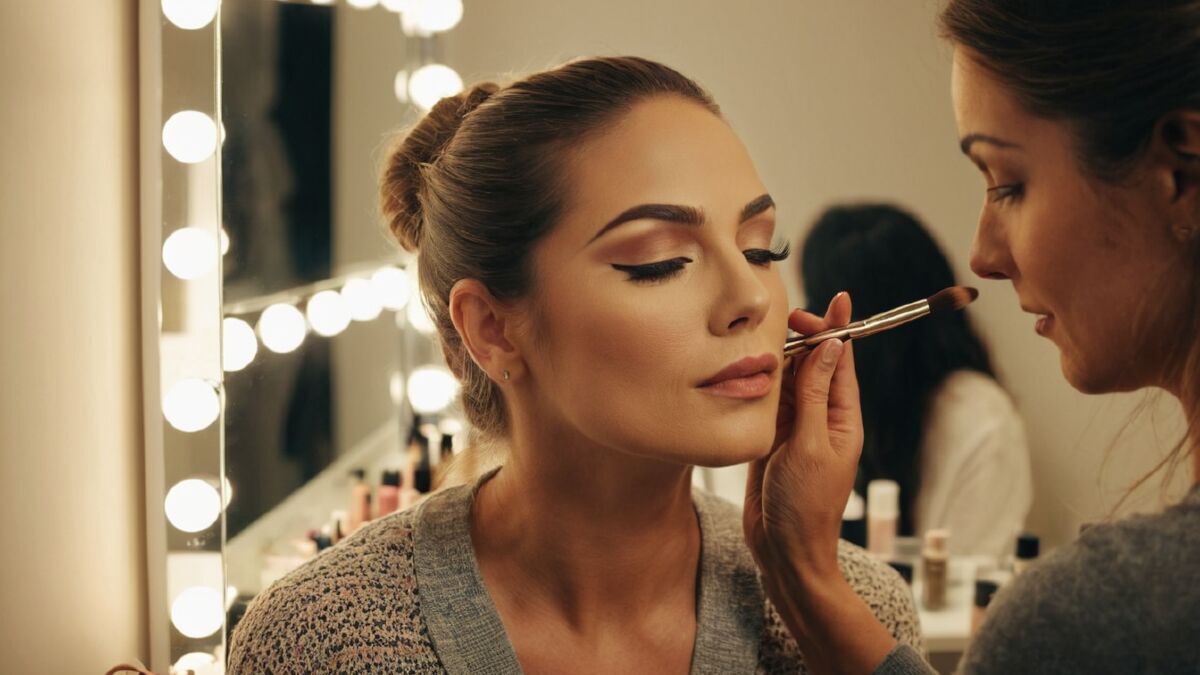
Discover how heavy daily makeup affects your skin, the correct way to remove it after a long shift, and how to restore your skin barrier and handle breakouts during a project.
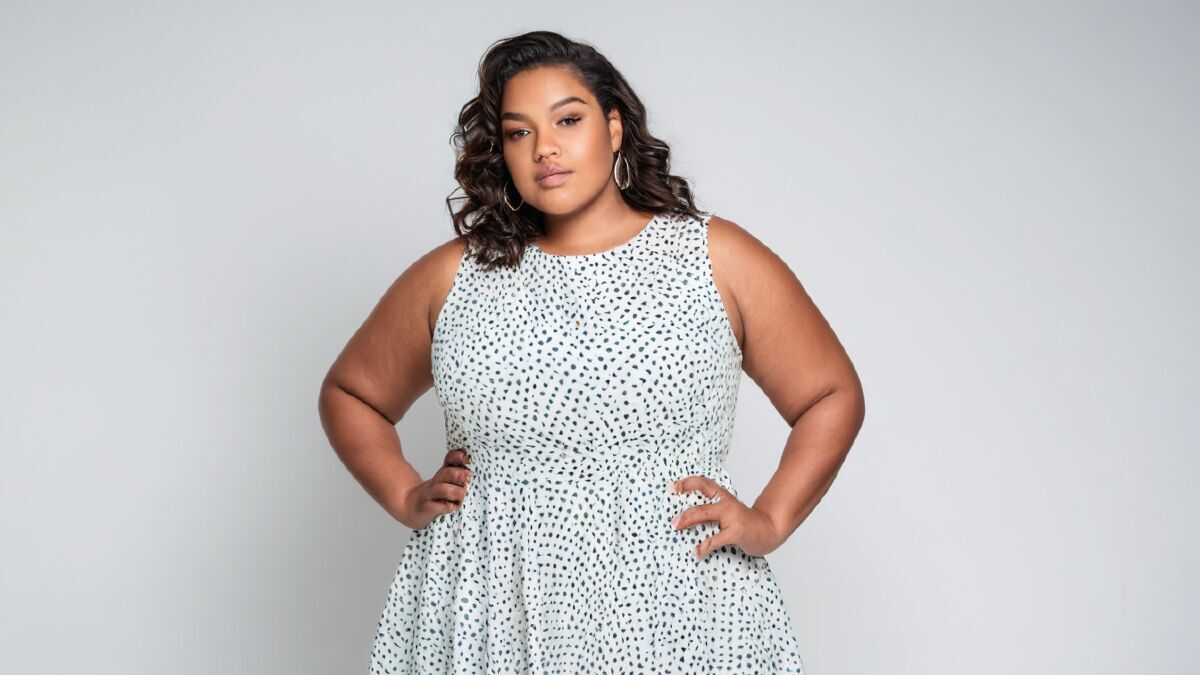
Discover which segments hire plus size models, how requirements and measurements differ, and how to build a professional portfolio to launch your career.

Discover which segments hire mature models, how requirements differ from the youth market, and the practical steps to start a professional career later in life.

What an agency provides in return for its commission, how exclusive representation differs from open cooperation, and the warning signs of an agency not worth signing with.
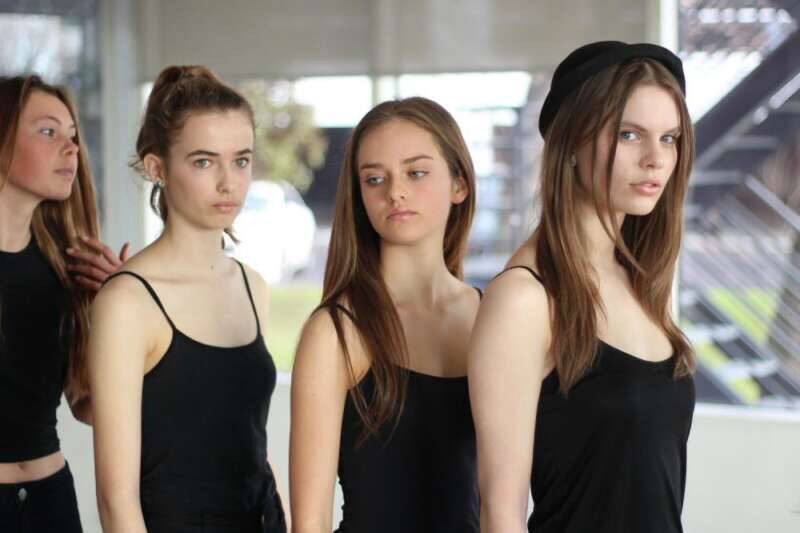
One profession, two different skills: how a show day is organised, what fills a shoot day, and why a strong ramp model is not automatically strong in front of a camera.
 Auditions in India
 Casting calls in USA
 Castingi w Polsce
 Кастинги в Україні
