Ramp and camera: how show work differs from a shoot
Behind the Scenes: Fashion and Modelling: Ramp and camera: how show work differs from a shoot
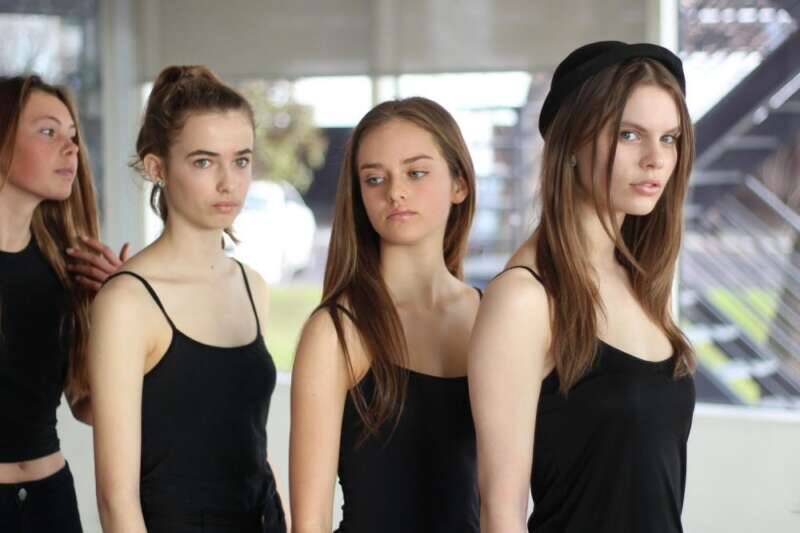
From outside it looks the same: a person presenting clothes. In practice the ramp and the camera demand different skills, different tempo and different preparation, and agencies frequently develop models along one track or the other.
The show: everything decided in seconds
A walk lasts under a minute. In that time you have to cover the distance in the set rhythm, reach the mark, execute the turn and leave without breaking the tempo or colliding with the model coming the other way.
- Walk and posture. A straight line, calm arms, eyes forward. Trained, not inherited.
- Rhythm. The show runs to music and to a timing; falling behind breaks the running order.
- Changes. Backstage you may have under a minute for a full change, done by other people's hands. Self-consciousness here turns into a delayed show.
- The garment as a task. A heavy lehenga, a long train, unfamiliar footwear — you have to handle it so that handling it is invisible.
The show day itself is long: fittings, a walk rehearsal, hair and make-up for everyone, waiting. The walk is a few minutes at the end of many hours of preparation.
The shoot: everything decided in detail
A shoot day works the opposite way: the tempo is slow, there are many frames, and each is examined closely. The model works with the photographer, the light and the stylist at once.
- A sense of light. Knowing where the source is and how to turn so the features hold.
- Small movement. The difference between frames is often a few degrees of the chin.
- Range. Delivering several distinct states in sequence without repeating, otherwise the whole set looks identical.
- Stamina in stillness. Holding a position longer than seems possible without letting the strain show on your face.
- Working with the garment. On catalogue and e-commerce work the clothing is the subject: show the cut and the fit, not yourself.
Why the skills do not always transfer
A ramp model is used to movement and overall silhouette, while the camera is decided by stillness and the face in close-up. A model strong on camera can get lost on a ramp, where there is no time to find a flattering angle — only the walk you were given.
So failure in one format is not an assessment of the profession. They are different markets, and most working models eventually understand which is theirs.
What is common
Despite the differences the base is one: posture, physical condition, skin and hair, punctuality and the ability to work in a team. Both are team jobs on tight schedules, where one person's delay costs everybody money.
Keep your materials in order: current measurements, recent unprocessed photographs and a few frames in movement. Models are found on those for both ramp and camera, including through open calls in the castings section.
Share


Author: Svetlana Lisa, Stylist and fashion designer
Publication date: 14 August 2026
Views: 88
About us and our editorial policy
Comments
Other materials in this section
Discover who needs hand and foot models, the specific aesthetic requirements, how to maintain your skin and build a portfolio, and the earning potential of this accessible niche.
Discover how heavy daily makeup affects your skin, the correct way to remove it after a long shift, and how to restore your skin barrier and handle breakouts during a project.
Discover which segments hire plus size models, how requirements and measurements differ, and how to build a professional portfolio to launch your career.
Discover which segments hire mature models, how requirements differ from the youth market, and the practical steps to start a professional career later in life.
Why catalog shoots are the "bread and butter" for most models, how a day with a hundred looks is organized, and how to enter this high-demand segment.
What an agency provides in return for its commission, how exclusive representation differs from open cooperation, and the warning signs of an agency not worth signing with.
 Auditions in India
 Casting calls in USA
 Castingi w Polsce
 Кастинги в Україні

