What to expect during a model's first studio photo shoot
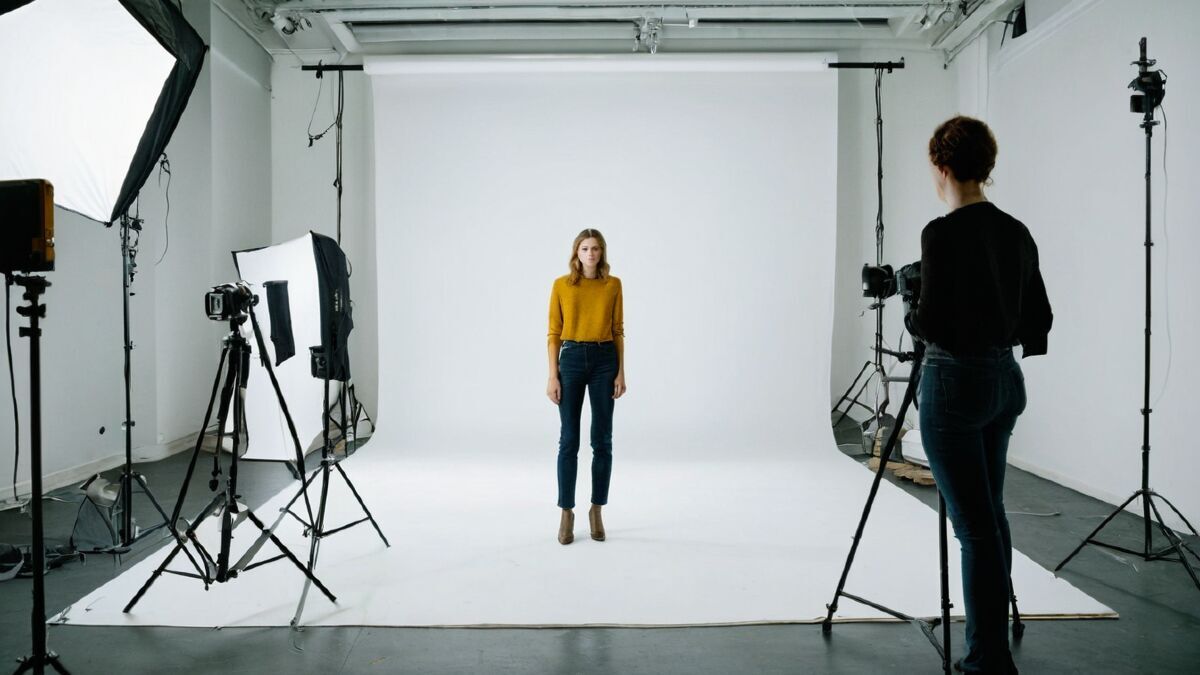
Behind the Scenes: Fashion and Modelling: What to expect during a model's first studio photo shootA first studio shoot often doesn't go as well as it could—not because of a lack of confidence in front of the camera, but due to a lack of understanding of the process. Newcomers often feel lost during pauses and tire out prematurely. Let's break down the day step by step.
The Day Before
- Get plenty of sleep. Studio lighting is unforgiving; puffiness and tired eyes will be clearly visible.
- Avoid new cosmetics or skincare treatments. Skin reactions are unpredictable and can cause breakouts or redness.
- No waxing or facial cleanses the day before. Irritation and redness can last for 24 hours.
- Reduce salt and alcohol intake. Water retention is the most common cause of ruined close-ups.
- Confirm the details: exact address, call time, who is meeting you, what to bring, and if a makeup artist (MUA) is provided.
- Charge your phone and save the address offline. Studios in hubs like Mumbai, Hyderabad, or Chennai are often located in industrial areas or outskirts where network connectivity can be spotty.
What to Pack
- Nude-colored seamless undergarments and several options for different necklines.
- Your own basic makeup and hairstyling products, even if an MUA is on set.
- A comb, bobby pins, hairspray, and blotting papers.
- Change of footwear and slippers for moving around the studio.
- Water and light snacks. Avoid heavy meals; bloating can be visible in tight outfits.
- Band-aids/Plasters — new shoes on a shoot can cause blisters within an hour.
- Identification and tax documents (such as PAN card) for processing professional fees and TDS.
What not to wear in the morning: tight clothing with restrictive elastic bands or seams. The marks left on your skin can take hours to fade and will show up in the shots.
The Order of the Day
- Arrival and introductions. You will be met by the producer or an assistant, who will show you where to change and leave your belongings.
- Briefing. You may be shown references—example images of the desired look. Study these carefully; they are your technical assignment.
- Hair and Makeup. This can take anywhere from forty minutes to two hours. Use this time to study the references and coordinate with the stylist.
- Fitting. The stylist assembles the looks, checks the fit, and pins the clothing to suit your figure.
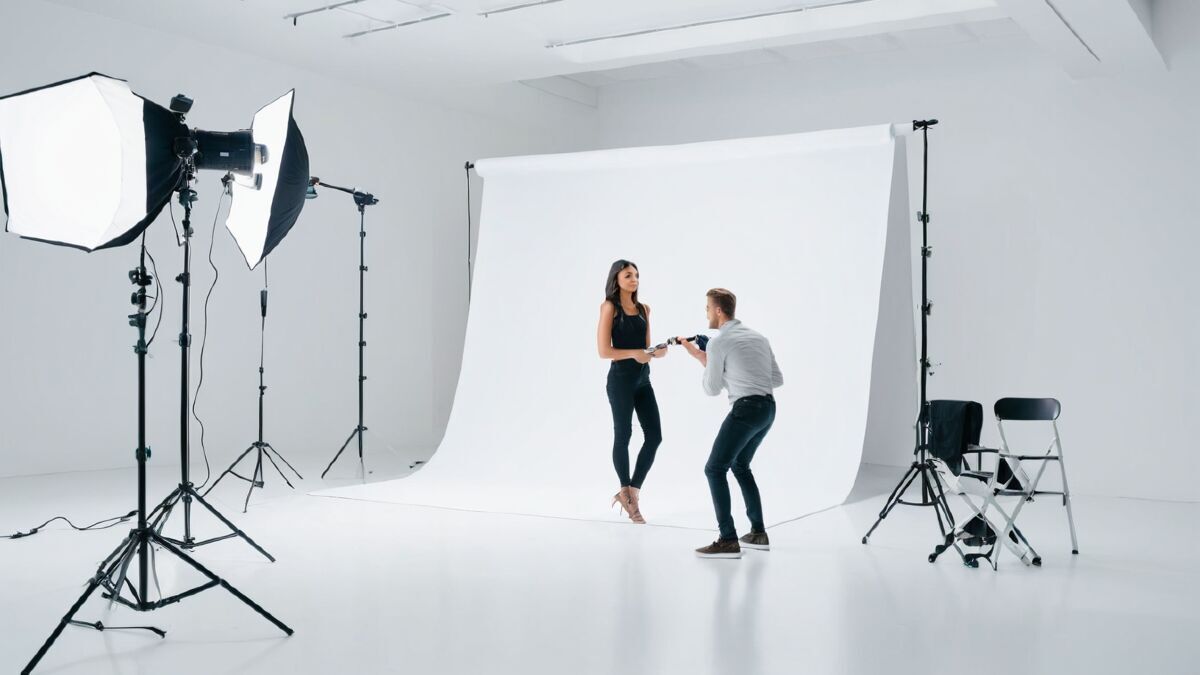
- Test shots. The photographer sets the lighting while you stand or sit on a specific mark. This is for calibration, not the actual shoot.
- Shooting the first look. Usually the longest phase, as everyone gets used to each other's rhythm.
- Change of look — changing clothes, touching up makeup, and sometimes adjusting the lighting.
- Subsequent looks usually move faster.
- Wrap. Hand over the wardrobe, sign any necessary vouchers or contracts.
A typical shoot for three to four looks takes six to eight hours. Out of that time, you will likely spend only half of it actually in front of the camera.
Working with Light
The most important skill for a studio model is sensing the light source and staying within it.
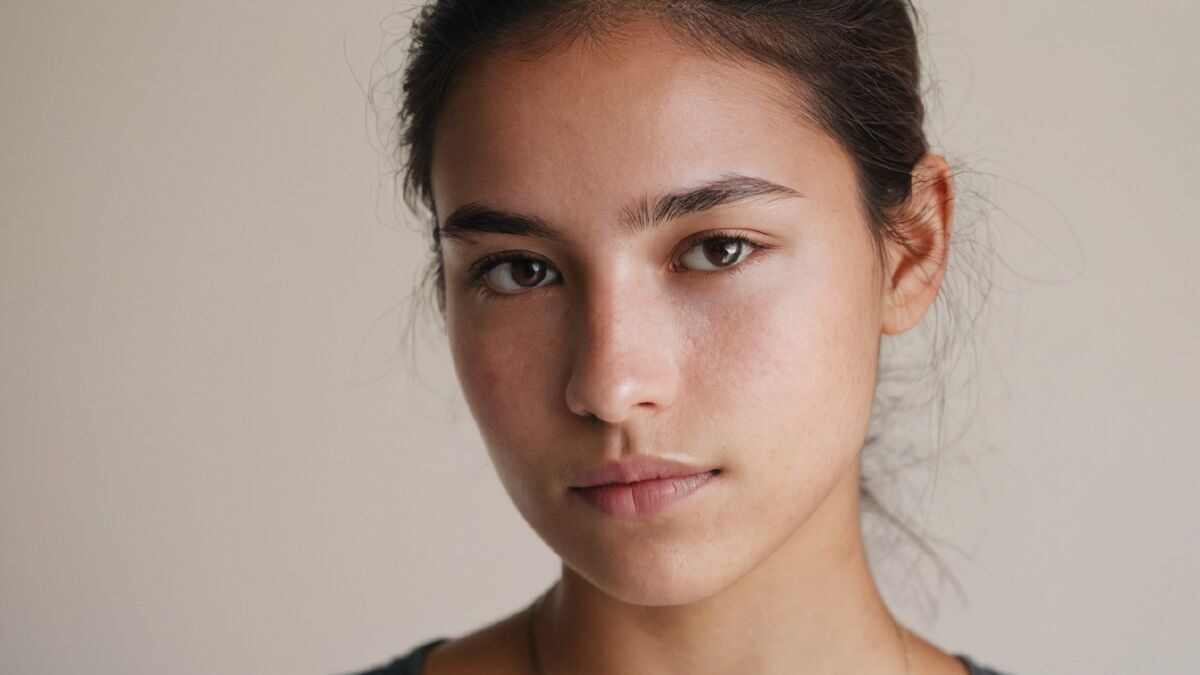
- Locate the source. Usually, it's a large softbox in front of you and slightly above.
- Keep your face toward it. A turn of just a few degrees can remove a shadow from your cheekbone or create one.
- Do not step back. Light drops off sharply with distance; half a step back can make the frame darker and lower in quality.
- Watch the mark. If there is a cross or a mark on the floor, stand exactly on it.
- Chin slightly forward and down. This is a basic position that works in almost every scenario.
- Ask. "Am I in the light?" is a perfectly normal question, and the photographer will guide you.
How to Move
- Make micro-adjustments. Between shots, you don't need to change your entire pose: a tilt of the head, shifting the weight to a different leg, or a new hand position is enough.
- Hold the pose. The photographer needs a moment to click; constant movement leads to blurred images.
- Watch your hands. Hands often look awkward and reveal tension. Give them a purpose: a pocket, the edge of a garment, or your hair.
- Don't drop your shoulders. Having one shoulder lower than the other is a common mistake in full-body shots.
- Breathe. Holding your breath translates as tension in the photo.
Working with the Team
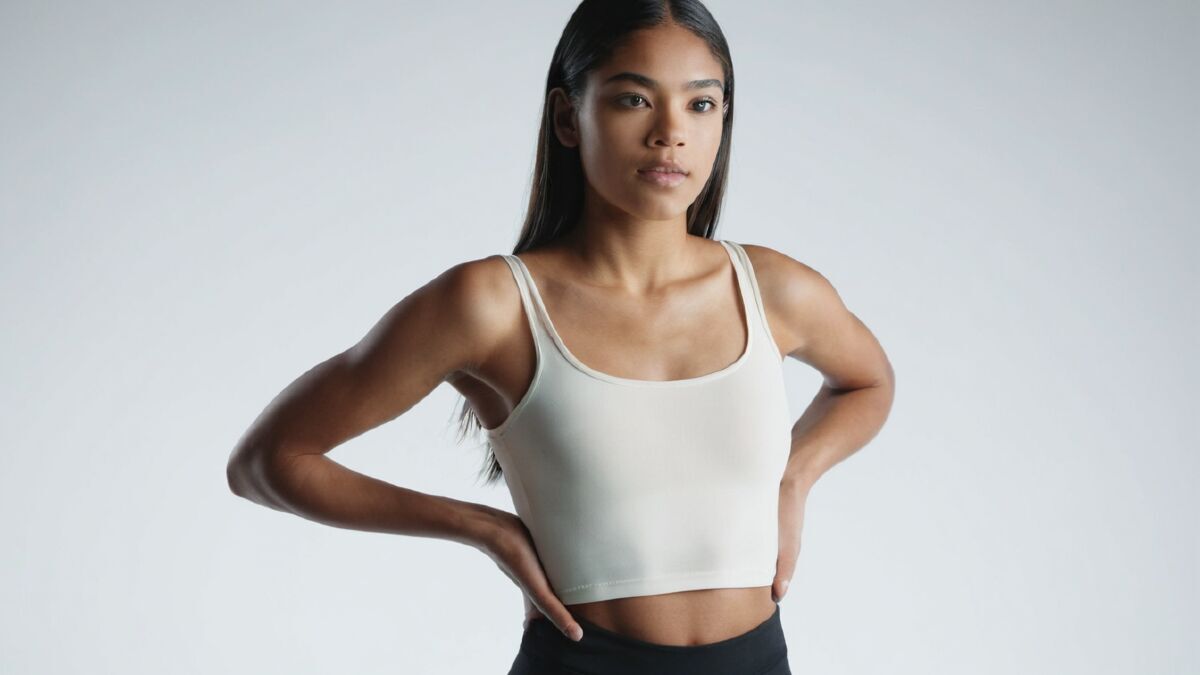
The Photographer directs the shoot. Follow their instructions literally, even if they seem strange; they can see the frame, you cannot.
The Stylist is responsible for the wardrobe. Do not adjust the clothes yourself—the stylist will step in to fix them. Often, what looks "wrong" to you is a deliberate stylistic choice.
The Makeup Artist will touch you up between looks. Speak up if something is bothering you, such as product in your eyes or skin feeling too tight.
The Client or Brand Manager may be present and provide feedback. Remain calm; all corrections should be filtered through the photographer.
Common Rookie Mistakes
- Arriving without your own undergarments or basic makeup.
- Eating a heavy meal right before the shoot.
- Checking the raw shots after every frame and getting discouraged.
- Apologizing for every "wrong" pose.
- Being shy during wardrobe changes and wasting time.
- Maintaining the same static smile all day.
- Staying silent when something is uncomfortable, painful, or too cold.
- Leaving without signing documents or clarifying when the photos will be delivered.
After the Shoot
Before leaving, clarify: when the final images will be ready, how many you will receive, and if/when you can post them in your portfolio. Usage terms are part of your agreement, and they must be followed, even if you love the photos.
Quick Summary
- Get sleep, avoid skin experiments, and bring your own nude undergarments and makeup.
- The day is long; expect to spend only half the time actually shooting.
- Key skill: stay in the light and do not step backward.
- Change poses in small increments and hold still for the click.
- Don't fix the clothes yourself; report any discomfort immediately.
- Before leaving, confirm deadlines, the number of shots, and publication rights.
Find the latest shoots and model calls in the castings section.
Share


Author: Svetlana Lisa, Stylist and fashion designer
Publication date: 11 August 2026
Views: 104
About us and our editorial policy
Comments
Other materials in this section
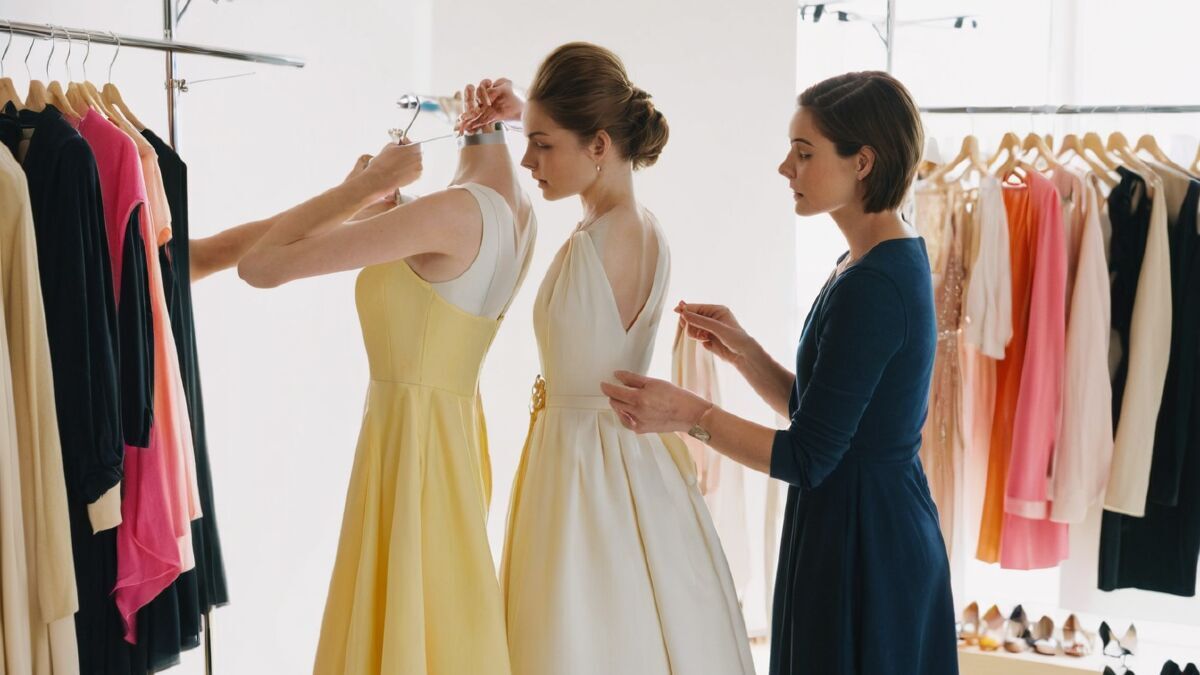
Learn what a fitting is, why it matters to brands, and how to prepare professionally to ensure you secure the booking.
Discover who needs hand and foot models, the specific aesthetic requirements, how to maintain your skin and build a portfolio, and the earning potential of this accessible niche.
Discover how heavy daily makeup affects your skin, the correct way to remove it after a long shift, and how to restore your skin barrier and handle breakouts during a project.
Discover which segments hire plus size models, how requirements and measurements differ, and how to build a professional portfolio to launch your career.
Discover which segments hire mature models, how requirements differ from the youth market, and the practical steps to start a professional career later in life.
Why catalog shoots are the "bread and butter" for most models, how a day with a hundred looks is organized, and how to enter this high-demand segment.
 Auditions in India
 Casting calls in USA
 Castingi w Polsce
 Кастинги в Україні
