Best diet and nutrition tips for a busy shoot day
Behind the Scenes: Fitness: Best diet and nutrition tips for a busy shoot dayA shoot day completely disrupts your normal eating routine: 4 AM wake-up calls, unpredictable lunch times, catered food that may not suit you, and the inability to step away. Yet, what you eat directly affects how you look in a close-up and how much energy you have by the tenth take.
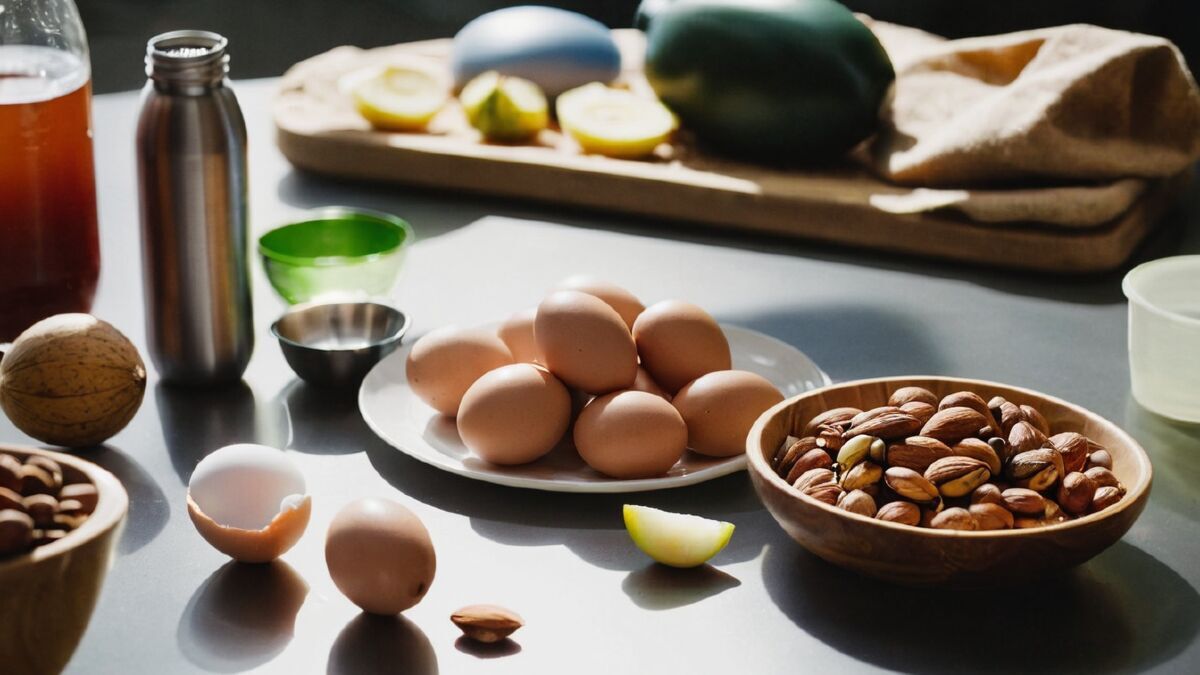
Critical Considerations for the Set
- Bloating and Puffiness. Salt, alcohol, and lack of sleep the night before show up on your face immediately, and makeup can only do so much to hide it.
- Steady Energy. Simple carbohydrates provide a quick spike followed by a crash—often right when the director calls "Action."
- The Midsection. Heavy meals before a scene in a form-fitting costume are a problem, especially for models and actors in tight wardrobe.
- The Voice. For some, dairy products create mucus in the throat; spicy foods can irritate the vocal cords, which is critical for dialogue and dubbing.
- Breath. Garlic, onions, and heavy coffee matter significantly in scenes involving close physical contact.
- Unpredictability. Lunch in hubs like Mumbai or Hyderabad can be delayed by hours; you cannot rely solely on the production schedule.
The Day Before
- Reduce salt intake. This is the primary cause of morning puffiness.
- Avoid alcohol. It leads to bloating, dehydrated skin, and red eyes.
- Eat a light, early dinner. Avoid heavy meals late at night.
- Stay hydrated throughout the day, but avoid drinking a liter of water right before bed.
- Get enough sleep. Rest affects your appearance more than any specific food.
Breakfast Before the Shift
The goal is to provide long-lasting energy without feeling heavy. A combination of protein, complex carbohydrates, and a small amount of healthy fats works best:
- Eggs with whole-grain toast.
- Oatmeal (made with water or low-fat milk) with nuts.
- Greek yogurt or curd with berries, if dairy suits you.
- Grilled fish or chicken with brown rice or quinoa, if a very long shift is expected.
Avoid in the morning: sugary pastries, sweetened cereals, and fruit juices—these cause a crash within an hour; greasy or fried foods—these cause heaviness; and excessive coffee on an empty stomach.
If your call time is 5 AM and you have no appetite, don't force yourself. Pack your breakfast and eat it an hour or two into the shift.
What to Pack in Your Bag
Even when catering is promised, you need your own kit: lunch may be delayed, or the provided food may not align with your dietary needs.
- Nuts — a small portion provides high energy.
- Firm fruits that won't squash: apples, bananas, or tangerines.
- Sugar-free bars or those based on nuts and dates.
- Sliced vegetables: carrots, cucumbers, or celery.
- A sandwich with grilled chicken or cheese on whole-grain bread.
- Water — at least 1 to 1.5 liters.
- A thermos with tea for cold sets or air-conditioned studios.
Avoid: strong-smelling foods, crumbly snacks, anything that stains your hands or costume, and perishables that require refrigeration.
Eating During the Shift
- Eat small portions frequently. A light snack every two to three hours maintains a steady energy level.
- Do not overeat right before your scene. This is especially true for physical sequences or scenes in tight clothing.
- Sip water regularly. Gulping down a whole bottle right before a take can cause physical discomfort.
- Be careful with coffee. Limit yourself to one or two cups in the first half of the shift; otherwise, it will dehydrate you and interfere with your sleep.
- Protect the costume. Only eat in costume with a protective robe/cape and the explicit permission of the costume designer.
- Brush your teeth or use a mint before close-contact scenes, then discard the mint before the camera rolls.
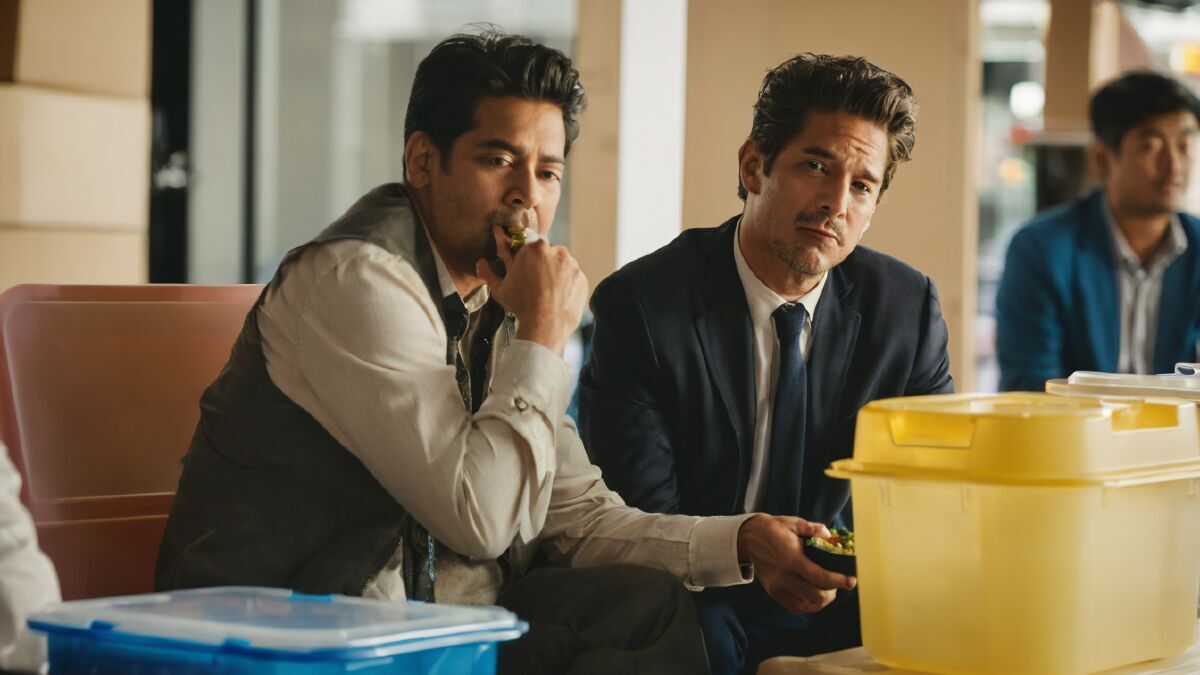
Night Shifts
Night shoots require a specific regime to avoid falling asleep and to prevent digestive issues.
- Eat a hearty meal before heading to set, and stick to light snacks during the night.
- Choose protein over sugar. Sugar causes a particularly sharp energy crash during late-night hours.
- Drink warm liquids. This keeps you warm and reduces the craving for unhealthy snacks.
- Drink coffee in the first half of the night. Otherwise, you won't be able to sleep after the shift, which is more important than being wide awake at the very end.
- After the shift, have a light meal and go to sleep, rather than eating a full breakfast.
Special Situations
Scenes involving food. If your role requires you to eat on camera, do not fill up beforehand: there will be many takes. Ask the props master exactly what you will be eating and how many takes are planned.
Weight changes for a role. Work on this gradually and in advance. Do not start a crash diet during the filming period, or you will lack the strength to survive a twelve-hour shift.
Health restrictions. Inform the production team in advance. Most professional productions in major hubs will accommodate dietary restrictions when ordering catering.
Quick Summary
- The day before: less salt, no alcohol, plenty of sleep.
- Breakfast: protein and complex carbs; no sugar or fried foods.
- Always bring your own snacks, even if catering is provided.
- Eat small amounts every two to three hours; avoid heavy meals before a scene.
- Sip water slowly; limit coffee to the first half of the shift.
- Night shifts: protein instead of sweets and warm drinks.
Find filming projects in the castings section.
Share


Author: Kabir Deshmukh, trainer and columnist
Publication date: 05 September 2026
Views: 30
Comments
Other materials in this section
Learn what strains your voice on set, how to warm up and recover, and how to handle screaming scenes or vocal fatigue without risking your career.
Why posture is a vital professional tool for actors and models, how long hours of waiting affect your body, and a daily routine to keep you camera-ready.
A twelve-hour shoot day, takes repeated in an awkward position and long speeches — which physical qualities the job actually demands and how to train them.
A complete set of exercises for the body, breath, and voice that can be done in the vanity van or a corner of the studio to get you performance-ready.
 Auditions in India
 Casting calls in USA
 Castingi w Polsce
 Кастинги в Україні
