How to protect your voice under constant professional strain
Behind the Scenes: Fitness: How to protect your voice under constant professional strainYour voice is a consumable resource, and unlike muscles, it cannot be trained through pain. An actor who blows their vocal cords on the third shift can be sidelined from a project for weeks, and in the fast-paced industry of Mumbai, Hyderabad, Chennai, or Kochi, it is often easier to replace a performer than to wait for them to recover. Most vocal injuries, however, are preventable.
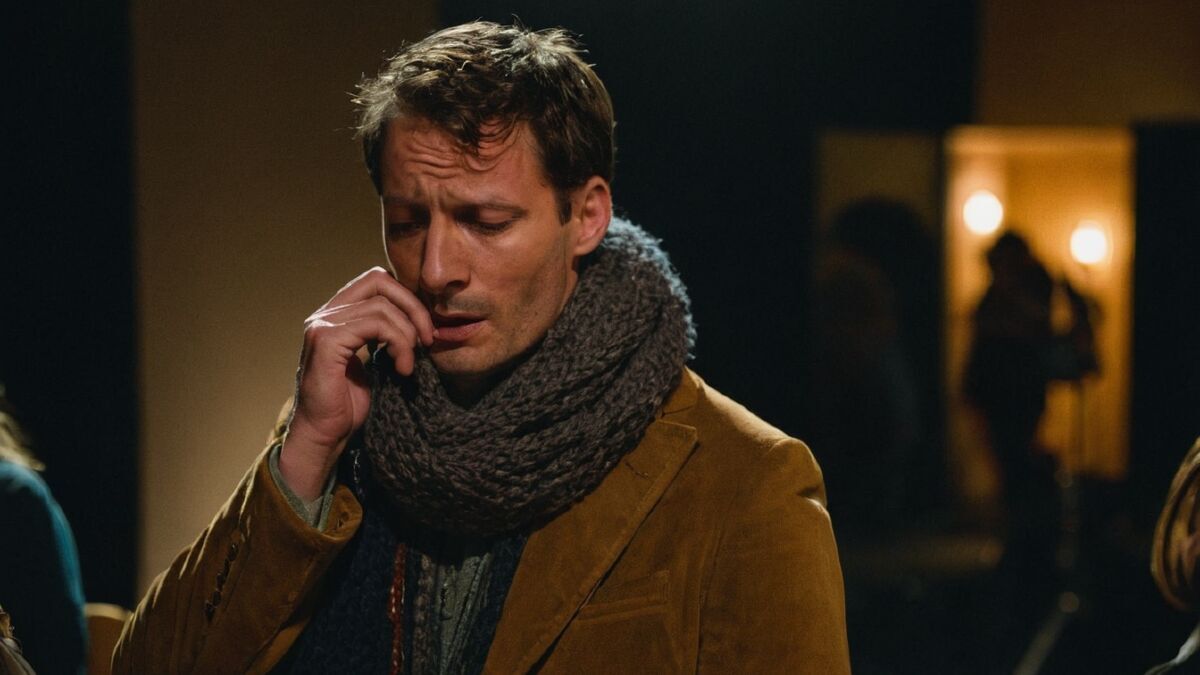
What Strains Your Voice on Set
- Screaming scenes. Especially when multiple takes are required in a row.
- Speaking in the cold. Night shoots on outdoor locations are a primary risk factor.
- Dry air. Studio pavilions with heavy air conditioning dehydrate the vocal cords.
- Speaking in noisy environments. You automatically raise your volume to be heard over the noise without noticing it.
- Speaking without support. Using "throat voice" instead of diaphragmatic breathing wears out the cords fastest.
- Lack of sleep and dehydration. Dry mucous membranes cause the vocal cords to close less efficiently.
- Off-duty chatting. Long conversations during breaks consume the energy and resource needed for the actual takes.
Daily Routine
- Hydration throughout the day. Your cords need systemic hydration, not just a sip of water before a line. Aim for 1.5 to 2 liters, spread evenly.
- Warm drinks in the cold. A thermos on an outdoor shoot is a professional tool, not just a comfort.
- Avoid throat-clearing. Harsh coughing or clearing your throat traumatizes the cords. Instead, take a sip of water or use a soft, voiced exhale.
- Do not whisper. Whispering puts more strain on the vocal cords than quiet speech. If you need to save your voice, speak softly but with a full, supported tone.
- Breathe through your nose. Nasal breathing humidifies and warms the air before it reaches the larynx.
- Limit dry and spicy foods immediately before heavy vocal loads.
Warm-up Before the Shift
Five minutes, quietly, without shouting:

- Breathing. Inhale for 4 counts, exhale with a "sss" sound for 8 counts; repeat five times.
- Humming. Hold an "mmm" sound on a comfortable note, feeling the vibration in your lips. Five times.
- Gliding. Using "mmm" or "ooo," glide from a low pitch to a high pitch and back; three times.
- Lip bubbles. Gently vibrate your lips with sound, varying the pitch.
- Vowels. Calmly and at half-volume: a-o-u-e-i.
- Tongue twisters. One or two, performed slowly and clearly.
There should be no shouting during the warm-up. Volume is a load, not a stretch.
Screaming Scenes: How to Avoid Vocal Failure
Screaming on camera is a technical task, not an expression of raw emotion.
- Support from the breath, not the throat. The sound must come from the diaphragm; the throat should remain open and relaxed. If your throat feels sore after a take, your technique is incorrect.
- Do not scream at full power in every take. Coordinate with the director to determine which takes require full volume and which can be "marked" or simulated.
- Clarify the plan in advance. Ask how many takes are planned and if close-ups can be filmed without screaming—often the audio is recorded separately.
- Ask about ADR (Automated Dialogue Replacement). In many Indian productions, it is often more efficient to dub the screams in a studio (post-sync) than to exhaust your voice on set.
- Silence after the scene. Observe total silence for at least twenty minutes and drink something warm.
After the Shift
- Vocal rest. One to two hours of no talking, especially after an intensive day.
- Warm drinks taken in small sips.
- Humidify the air at home, especially if you are using air conditioning.
- Avoid talking in cars with open windows or in loud, crowded places.
- Sleep. Vocal cords recover during sleep; this is a physiological necessity, not a metaphor.

Signs Your Voice is at Risk
- Hoarseness that does not disappear by morning.
- A feeling of a "lump" or extreme dryness in the throat after speaking.
- The voice "drops" or breaks in the middle of a sentence.
- Loss of higher notes/range.
- Having to exert effort where it was previously effortless.
- Pain while speaking.
One or two of these signs are a reason to rest for a day or two. Pain or hoarseness lasting more than a week is a reason to see a doctor, not to "tough it out until the end of the project."
What to Do If You Lose Your Voice on Set
- Inform the Second Assistant Director (2nd AD). This is a professional situation, not a complaint.
- Maintain total silence between takes.
- Sip warm liquids.
- Do not clear your throat or whisper.
- Ask to move screaming takes to the end of the shift or to another day.
- Discuss the possibility of post-synchronization/dubbing.
What NOT to do: do not gargle with alcohol-based solutions or overuse numbing sprays. They mask the pain, allowing you to injure your vocal cords further without noticing.
When to See a Specialist
Consult a laryngologist or a voice specialist (phoniatrician) if hoarseness lasts more than two weeks, if you experience recurring vocal failure, pain, or loss of range. This is a specialized field, different from a general ENT.
Consult a vocal coach or a speech and drama teacher—such as those trained at institutes like NSD, FTII, or SRFTI—when your voice is healthy but your technique is wrong: speaking from the throat, lack of breath support, or jaw tension. Often, a few targeted sessions are enough.
Summary
- Cold, dry air, noise, and unsupported speech strain the voice, not just screaming.
- Hydration throughout the day is more important than a sip of water before a line.
- Do not clear your throat or whisper; both actions damage the vocal cords.
- Warm-ups should be quiet, last five minutes, and involve no shouting.
- In screaming scenes, rely on diaphragmatic support and agree on the number of full-volume takes.
- Hoarseness lasting more than two weeks or physical pain requires a specialist.
Find projects and shifts in the castings section.
Share


Author: Kabir Deshmukh, trainer and columnist
Publication date: 16 September 2026
Views: 14
Comments
Other materials in this section

What to eat before and during a shift to avoid bloating and fatigue, how to handle on-set catering, what to pack in your bag, and how to manage nutrition during night shoots.
Why posture is a vital professional tool for actors and models, how long hours of waiting affect your body, and a daily routine to keep you camera-ready.

A twelve-hour shoot day, takes repeated in an awkward position and long speeches — which physical qualities the job actually demands and how to train them.

A complete set of exercises for the body, breath, and voice that can be done in the vanity van or a corner of the studio to get you performance-ready.
 Auditions in India
 Casting calls in USA
 Castingi w Polsce
 Кастинги в Україні
