Why actors should attend film festivals to grow their careers
Behind the Scenes: Show Business: Why actors should attend film festivals to grow their careersA film festival is often seen as a celebration for those whose films have already premiered. In reality, it is a strategic workspace where more industry professionals gather in a few days than you would encounter in a year of standard work. An actor who attends with a clear purpose gains far more than a spectator with a ticket.

What a festival actually offers
- High density of contacts. Directors, producers, casting directors, and cinematographers are all in one space and are generally more open to communication than during the hectic filming schedule.
- Market insights. You get a sense of what is being shot, who is directing, which themes are currently trending, and where production trends are heading.
- Connections with emerging directors. The person who brings a short film today might be directing a major series in three years—and they will call the people they remember.
- Visual literacy. You see films that will never hit mainstream theaters and discover artistic directions you wouldn't find otherwise.
- Professional programming. Masterclasses, panels, and pitching sessions provide concentrated information about the industry.
- Sense of community. This is especially vital for those working in smaller hubs or feeling isolated in their professional journey.
The anatomy of a festival
A common beginner's mistake is attending only the screenings. The real value is distributed differently.
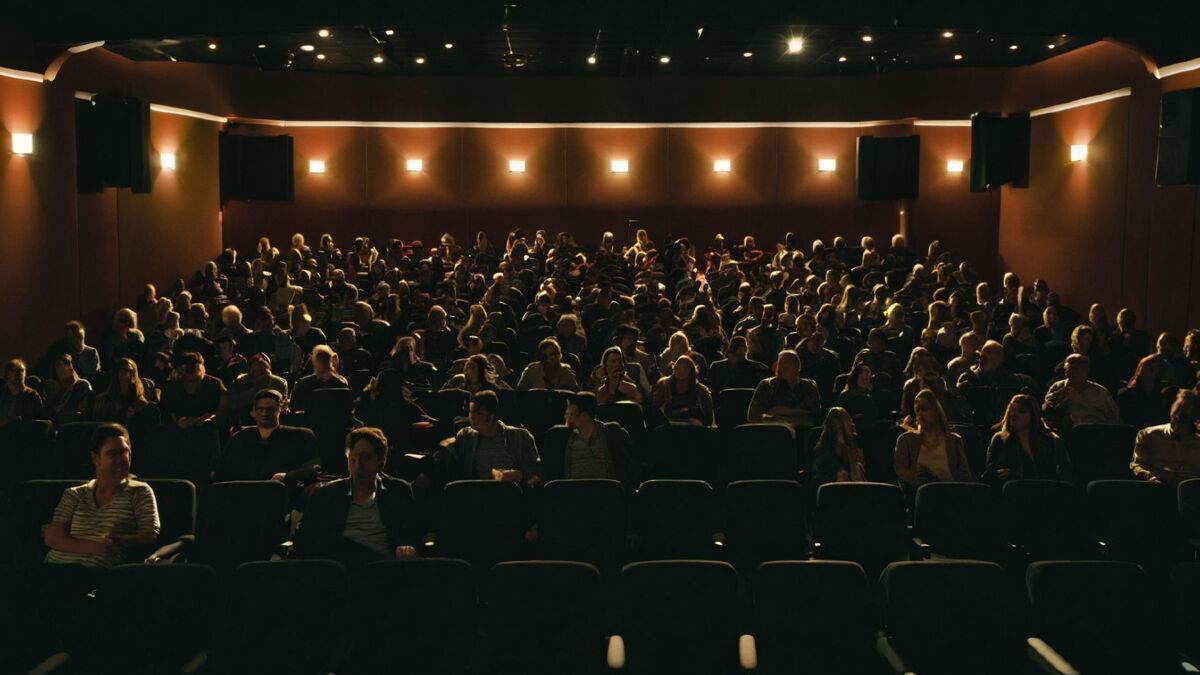
Competition screenings
The main program. These are great for your visual education, but the worst place for networking: the lights are off and everyone is silent.
Post-screening Q&As
This is where the creative team appears. You can hear the director explain their choices and approach them afterward.
Professional program
Masterclasses, roundtables, and lectures. These attract people who are actively working, not just watching. This offers the best return on your time.
Industry hubs and pitching sessions
Many festivals have a section for professionals: presentations of projects in development and meetings with producers. Some require accreditation, others are open.
For an actor, this is a goldmine: projects are showcased before they are greenlit, meaning casting hasn't even begun yet.
The informal scene
Cafes near the venue, lobbies, smoking areas, and after-parties. A significant portion of networking happens here—this is not an exaggeration.
How to get in
- Accreditation. Most festivals provide professional accreditation for actors. You will typically need a completed application, a resume, and sometimes a portfolio of work. Apply months in advance.
- Volunteering. An underrated entry point. Volunteers see the festival from the inside, meet the organizers, and gain access to almost everywhere.
- Screening tickets. The simplest path if accreditation fails. Note that professional programs are often free and open to the public.
- Invitations from participants. If you appeared in a film in the program, you are part of the team.
- Local festivals. Smaller in scale but more accessible, making it easier to build connections than at major international events.
Preparation
- Study the program in advance. Mark the screenings, discussions, and events you absolutely intend to attend.
- Find out who is attending. Guest lists are usually published. Pick five to seven people you genuinely want to meet.
- Watch their work. A conversation with someone whose film you have actually seen is fundamentally different.
- Organize your materials. Your portfolio and showreel link should open on a phone in two seconds.
- Prepare a two-sentence introduction. Instead of "I am an actor," be specific: what you specialize in, where you have worked, and what you are looking for.
- Bring business cards or a quick contact-exchange method. Searching for someone on social media in a noisy crowd is inconvenient.
How to network
The biggest fear is appearing pushy. A few simple principles work best.

- Start with the work, not yourself. "I saw your film; the final scene really resonated with me" is a great start. "I'm an actor, please cast me" is not.
- Be specific. General praise sounds like politeness; a specific observation proves you actually watched the work.
- Ask for nothing during the first conversation. The goal of the first meeting is to be remembered as a pleasant professional, not a solicitor.
- Respect the context. Someone rushing to a meeting with a producer isn't ready for a ten-minute chat. Ask if they have a quick minute.
- Connect with peers and newcomers. Young directors and producers are more accessible and often more beneficial in the long run than established masters.
- Don't ignore the crew. Assistants and second unit directors often know more about upcoming projects than it seems.
- Talk to other actors. They are also a source of information and recommendations.
What not to do
- Do not approach people while they are eating or clearly occupied.
- Do not recite your entire biography unless asked.
- Do not push your materials if they aren't requested. "May I send it to you?" is better than handing over a USB drive.
- Do not complain about the industry, the lack of roles, or unfairness.
- Do not overdrink. The evening events are still work, and people remember.
- Do not insist on photos with famous people; this shifts your status from colleague to fan.
What to do after
Much of the value is lost here: contacts are collected and then forgotten.
- That same evening, write down who you met and what you talked about. In three days, you will forget.
- Within two days, send a message. Keep it short: where you met, what you discussed, and that it was a pleasure meeting them. No requests.
- Send materials only to those who asked for them.
- Follow their projects. Not obsessively, but keeping track of a professional's work is standard industry practice.
- Remind them of yourself after a few months with a specific reason: a project of yours was released, you have new materials, or you are congratulating them on a premiere.
If your film is in the program
This is a different situation with different rules.
- Coordinate everything with the producer: what can be discussed, what can be posted, and when.
- Prepare for the Q&A. Questions about your process for the role will always come up; have two or three thoughtful answers ready.
- Don't hog the spotlight. A film is a team effort; mentioning your colleagues looks better than talking only about yourself.
- Attend every event featuring your film. An actor's absence at a discussion is noticed.
- Handle the press carefully. Do not comment on conflicts, budgets, or other people's projects.
- Seize the moment. These are the only days when you are introduced as a program participant rather than someone looking for work.
Which festivals to choose
- Geographically closest. Start with those that don't require a travel budget.
- Short film festivals. This is where emerging directors—your primary target audience—gather.
- Genre or niche festivals. A narrow theme means a tighter, more accessible community.
- Festivals with strong industry programming. The value isn't in the red carpet, but in the pitches and networking events.
- Local screenings and film forums. They may lack prestige, but they are useful for building working ties in your specific region.
Practical conclusion: one festival a year, attended mindfully with preparation and follow-up, provides more value than five attended as a mere spectator.
Projects from directors you meet at festivals often begin with open calls—keep an eye on the castings section, including short films and debut works.
Share


Author: Alexander Shaida, Editor-in-chief
Publication date: 15 October 2026
Views: 89
About us and our editorial policy
Comments
Other materials in this section

Learn how to prepare your materials in English, where to find global opportunities, and how to navigate visas and taxes for international productions.
Discover why productions are moving to regional locations, how to leverage local film commissions, and how to start your acting career without moving to a metro city.

Explore how demand works in series and web shows, why supporting roles offer more opportunities than feature films, and how to build a career through episodic work.

From the rise of OTT platforms to new contract terms and the shift in auditioning, here is how the digital revolution is reshaping the acting profession in India.

Short timelines, the client's decision, usage rights bought for a term and a territory — how advertising casting works and why the money is calculated differently.

Learn who does what, how they are paid, when you actually need representation, and why a platform complements rather than replaces a professional intermediary.
 Auditions in India
 Casting calls in USA
 Castingi w Polsce
 Кастинги в Україні

