Cyborg




Short description
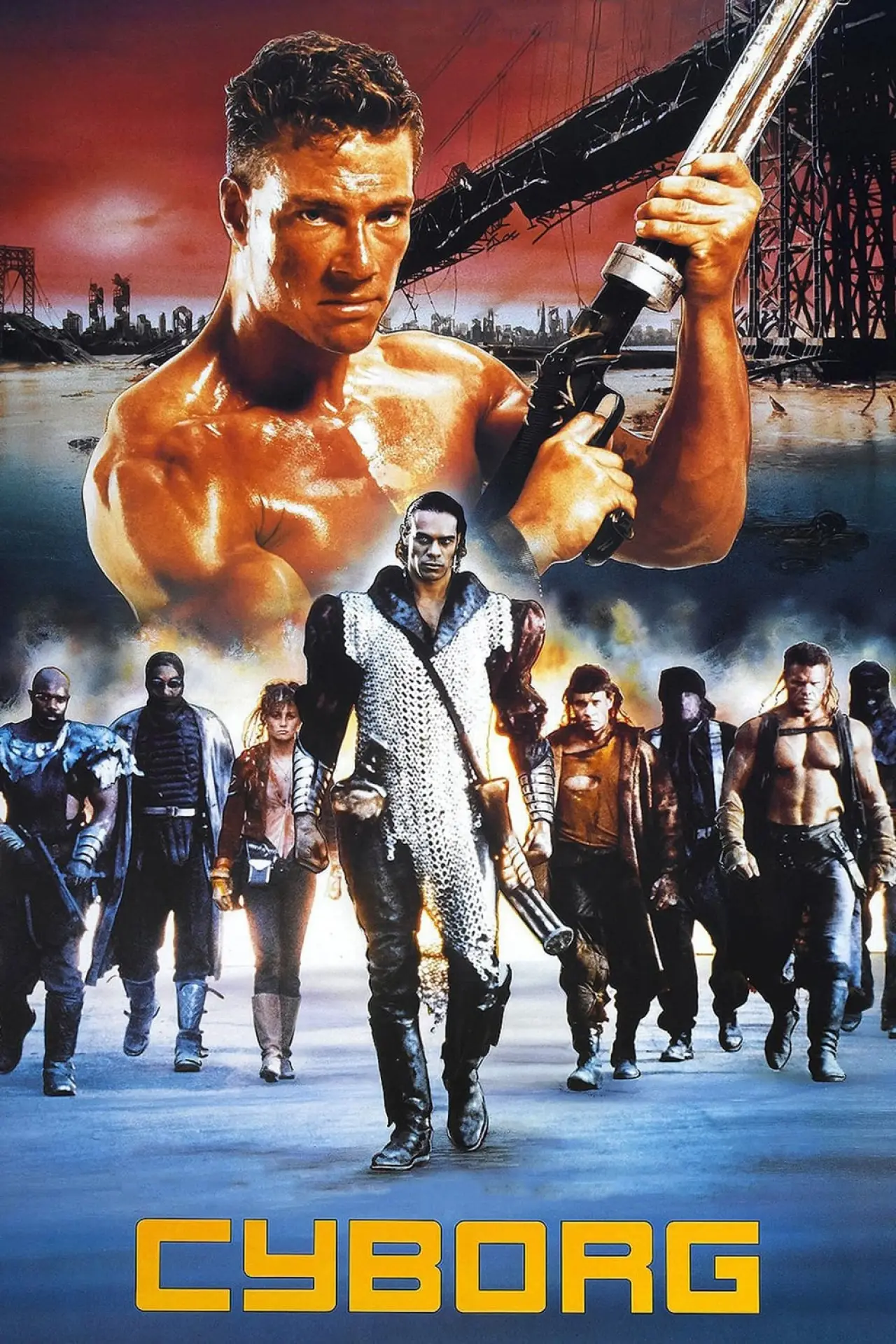
Set in an America of the twenty-first century that has collapsed into social chaos and is ravaged by a deadly plague, Cyborg follows a half-human, half-robot woman named Pearl Prophet, who alone holds the knowledge needed to develop a vaccine. While gathering the components required to save what remains of humanity, she is captured by a brutal warlord, Fender Tremolo, who intends to use the cure for his own ends. Her only hope lies with Gibson Rickenbacker, a skilled fighter with his own score to settle against Fender.
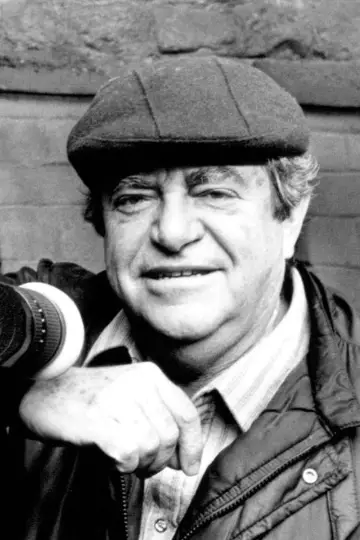
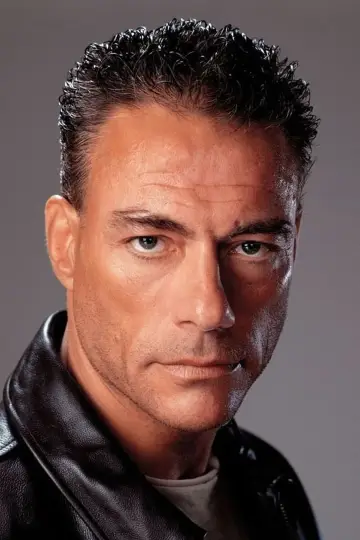
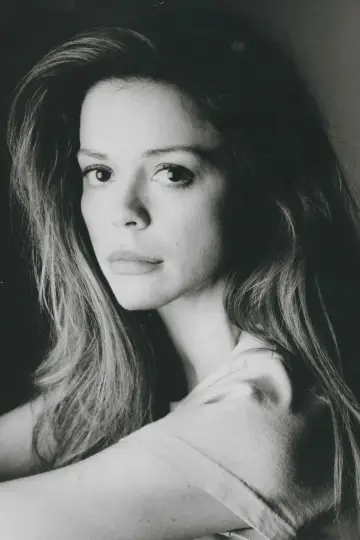
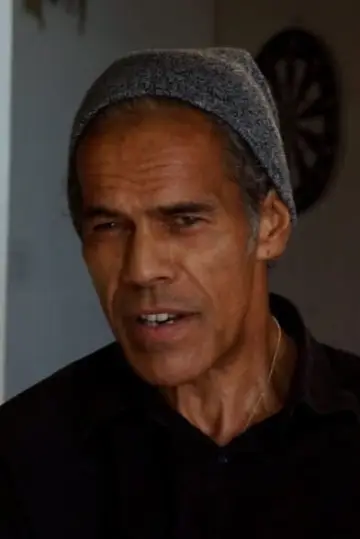
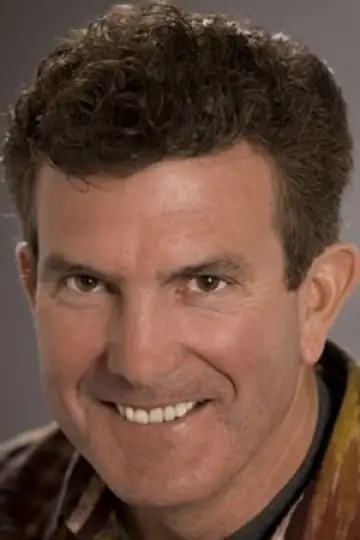
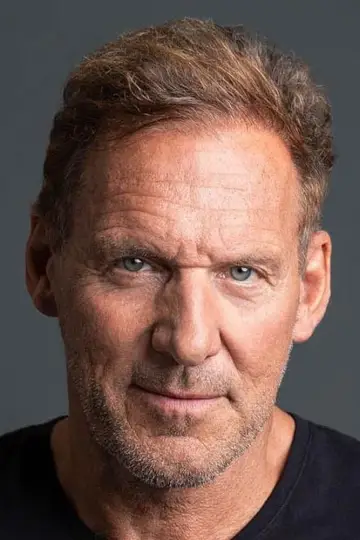
Albert Pyun directed from his own screenplay, working with producers Menahem Golan and Yoram Globus for Cannon Group and Golan-Globus Productions. The film arrived in 1989, the third of the director's features and the first of several he made in quick succession, followed by Captain America and Kickboxer 2. Jean-Claude Van Damme plays Gibson, with Dayle Haddon as Pearl, Vincent Klyn as Fender, Deborah Richter, Alex Daniels and Ralf Moeller among a credited cast of thirty-two. The production was a modest one, and its worldwide box office of around ten million dollars reflects a release that reached genre audiences without becoming a major hit.
Audience response has been middling: on TMDB it holds a 5.7 rating from roughly 860 votes, while on IMDb the film's reputation rests largely on its cult following. A critics' rating of 3.5 out of 10 from eighteen reviews places professional assessment well below even that mixed viewer reception, underlining how far the film sat from mainstream approval. It remains a lean, post-apocalyptic action piece of its era.
What's left behind the scenes
- In real life, Vincent Kiln (who played Fender) has a higher voice, and in the first version of the film, he spoke with his own voice, which caused the audience to laugh involuntarily. They found it amusing that such a powerful character spoke in such a high pitch. It was decided to redub the character, and Fender ultimately spoke with the voice of Branscomb Richmond.
- During production, there were plans to use costumes and sets created for Gary Goddard's sci-fi action sequel 'Masters of the Universe' (1987) and a Spider-Man adventure film. Albert Pyun intended to shoot both projects simultaneously. However, Mattel and Marvel soon encountered financial difficulties, Cannon Films severed ties with them, and a solution had to be found to justify the investment in the joint projects. Pyun wrote the screenplay for a new film under the pseudonym Kitty Chalmers, incorporating ideas from the previous projects. On some television channels, the film is still titled 'Masters of the Universe 2: Cyborg'.
- The film was shot in 24 days.
- Initially, the duration of Albert Pyun's director's cut (Pyun served as both director and screenwriter) was two hours. It was a black-and-white rock opera, far darker and more violent in style than the version that was eventually released. Jean-Claude Van Damme's character's lines were dubbed by another actor. Cannon Films organized a preview screening for 100 viewers, and 99 of them stated after the screening that they did not like the film, as a result of which Albert Pyun was removed from the post-production process. Van Damme managed to convince producers Menahem Golan and Yoram Globus to let him and Sheldon Lettich (with whom Van Damme shared a friendly relationship) re-edit the film to make it more commercially appealing, just as he had done after filming Newt Arnold's sports drama 'Bloodsport' (1988). This set a trend of taking completed films away from Pyun (which happened with several of the director's pictures) and re-editing them.
- On American television, this film aired under the title "Masters of the Universe II: The Cyborg." The reason is that the film was intended to be a continuation of the 1987 TV movie "Masters of the Universe." A script had already been written, but the project was closed, and the script was rewritten for a feature film.
- The names of the main characters consist of the names of the most famous guitar and music equipment manufacturers: Gibson Rickenbacker (Gibson and Rickenbacker are legendary companies that produce electric and bass guitars); Fender Tremolo (Fender is an equally well-known company, Tremolo is a guitar playing technique, as well as a mechanism primarily installed on Fenders); Nady Simmons (Nady is a microphone and music equipment company, Simmons is a company that produces electronic drum sets); Pearl (Pearl is a drum set company); Marshall (Marshall is a music equipment company (best known for amplifiers), Strat – a shortened name for Fender Stratocaster guitars).
- Later, "Cyborg 2: Glass Shadow" (1993) and "Cyborg 3: Recycler" (1994) were filmed, which had nothing to do with this film.
- The film premiered simultaneously in 830 cinemas, and its box office takings for the weekend (April 7-9) amounted to $3,179,811, which was one and a half times the film's budget.
- The film's director, Albert Pyun, wanted Chuck Norris to play the lead role, as he was under contract with the film company "The Cannon Group Inc.", but Menachem Golan suggested casting Jean-Claude Van Damme instead.
- Throughout the film, the characters almost never address each other by name. The film also features very few people, little dialogue, and a near complete absence of firearms.
- Music from the film was used by the death metal band "Mortician" as an intro on the album "World Damnation", and Fendler's monologue was used by several other bands in songs.
- Jackson "The Rock" Pinkney, who played one of Fendler Tremolo's pirates, lost an eye during the filming of a fight scene with Jean-Claude Van Damme due to the latter's negligence with a knife. Pinkney sued Van Damme and won the case in 1993, with Jean-Claude Van Damme found guilty of intentional infliction of harm and ordered to pay Pinkney $485,000 in compensation.
- This film marked the cinematic debut of Vincent Klyn and Ralf Möller.
- The film was shot in Wilmington, North Carolina.
- This was Cannon's last release before filing for bankruptcy in 1987.
- Jean-Claude Van Damme's fee was only $50,000.
- On the way to Atlanta, Pearl (Dale Headon) tells Fender (Vincent Klyn) that civilization still exists in Atlanta. When they arrive, the streets are deserted.
Similar movies


 Auditions in India
 Casting calls in USA
 Castingi w Polsce
 Кастинги в Україні
