Queen Margot









Short description
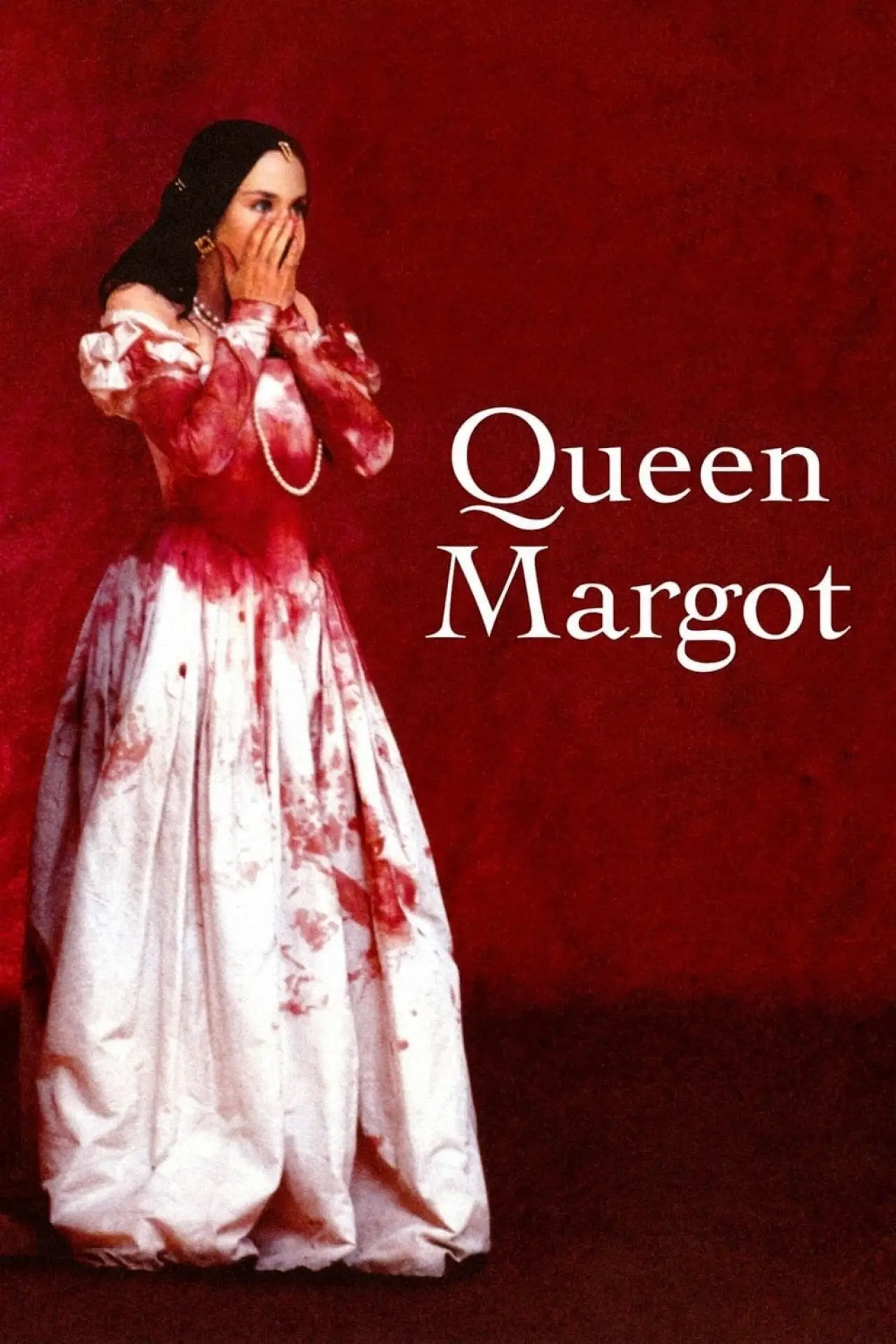
Set in Paris in August 1572, Queen Margot centres on the marriage of the Catholic princess Marguerite de Valois, sister of King Charles IX, to the Protestant Henri de Navarre. The union is arranged to keep France from sliding into religious war, but it instead sets the stage for the mass killing of Huguenots known as the St. Bartholomew's Day massacre. Amid the violence, a wounded nobleman named La Môle reaches Margot's door in a bid to survive.
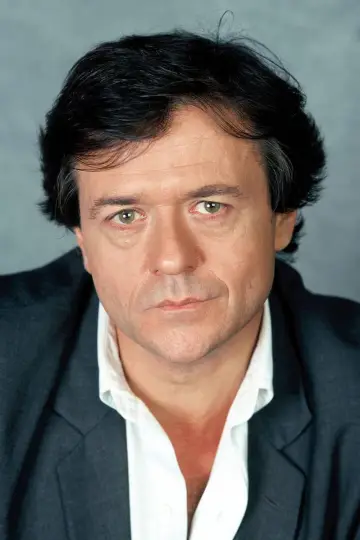
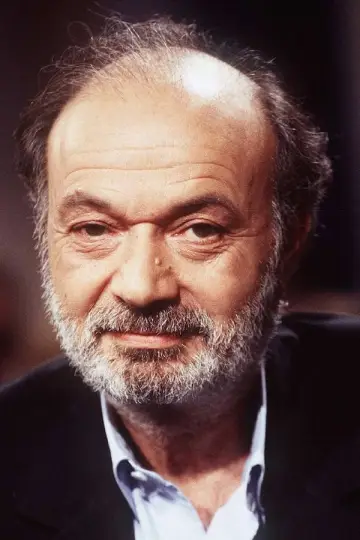
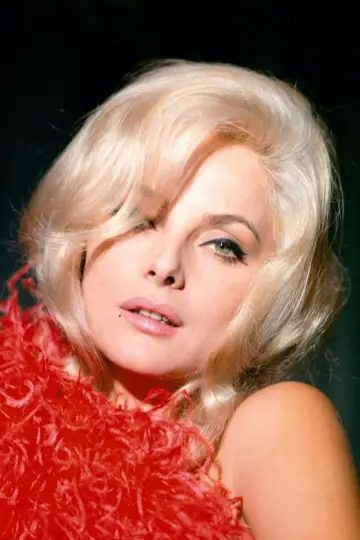
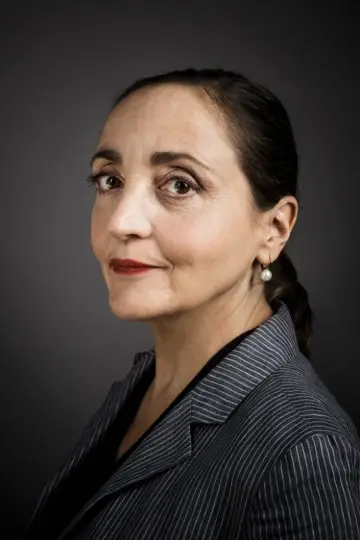
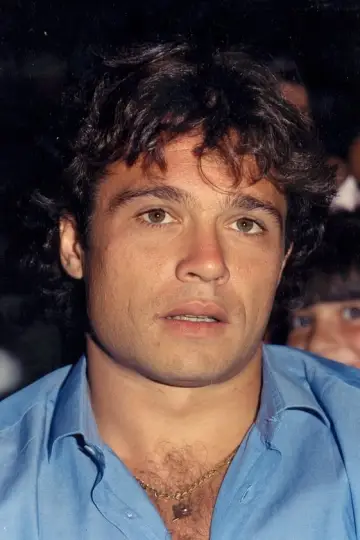
Patrice Chéreau directed the film, his first feature in the chronological list of his work, working from a screenplay he wrote with Danièle Thompson; Claude Berri produced. Isabelle Adjani plays Margot, with Daniel Auteuil as Henri de Navarre, Jean-Hugues Anglade as Charles IX, Vincent Perez as La Môle, Virna Lisi as Catherine de Médicis and Dominique Blanc as Henriette de Nevers. The production, mounted by French, German and Italian companies, carried a budget of about 42 million dollars, a large figure for a French-language historical drama of its time.
On IMDb the film holds a 7.4 rating from roughly 20,000 votes, while on TMDB it stands at 7.2 from a much smaller tally of 436. A critics' rating of 6.5 from 34 reviews places professional assessment somewhat below the general audience response. Chéreau went on to direct Those Who Love Me Can Take the Train in 1998 and Intimacy in 2001.
What's left behind the scenes
- In Paris, costumes were made not only for the main characters, but also for almost 600 extras. The costumes looked luxurious, but in reality, they were made of linen and cotton satin. Some dresses looked as if they were made of brocade (such as, for example, Margot's wedding dress) – in most cases, this effect was achieved using print. Jewelry was mostly limited to pearls, with a significant emphasis placed on embroidery. The luxury of that era was sacrificed for stylistic and financial considerations.
- The wedding of the historical Marguerite and Henry did not take place in a Catholic cathedral, but on a platform in front of it, as Henry was Protestant. There also could not have been as many clergymen present at the wedding as shown in the film – Queen Catherine de' Medici had to make a great effort to persuade Cardinal Charles de Bourbon (the only Catholic in the Bourbon family) to marry the couple without the Pope’s permission.
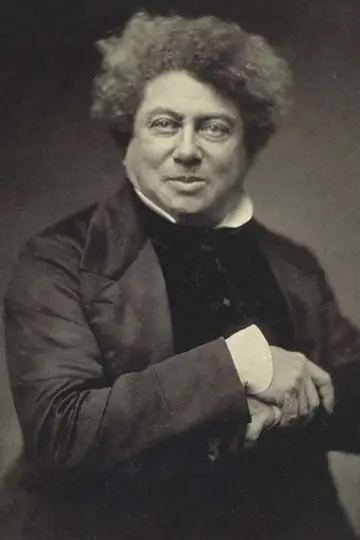
- The film is based on the historical novel of the same name by Alexandre Dumas.
- Before the film's international release, director and screenwriter Patrice Chéreau re-edited the original version – before editing, it lasted about 160 minutes, and after it was reduced to 138 minutes. This was done due to unsatisfactory box office receipts in France and the opinion of film critics, who found the film too violent and not always understandable.
- In reality, Lerac de la Mole and Annibal de Coconnas were favorites of Francis, Duke of Anjou, who betrayed them in exchange for forgiveness for their involvement in the 1574 conspiracy against Henry III, who had just ascended to the French throne. Both were executed for their participation in the conspiracy.
- Henry of Navarre's mistress, Charlotte de Souv, was not killed; she died only in 1617.
Similar movies







 Auditions in India
 Casting calls in USA
 Castingi w Polsce
 Кастинги в Україні
