Love and Death



Short description
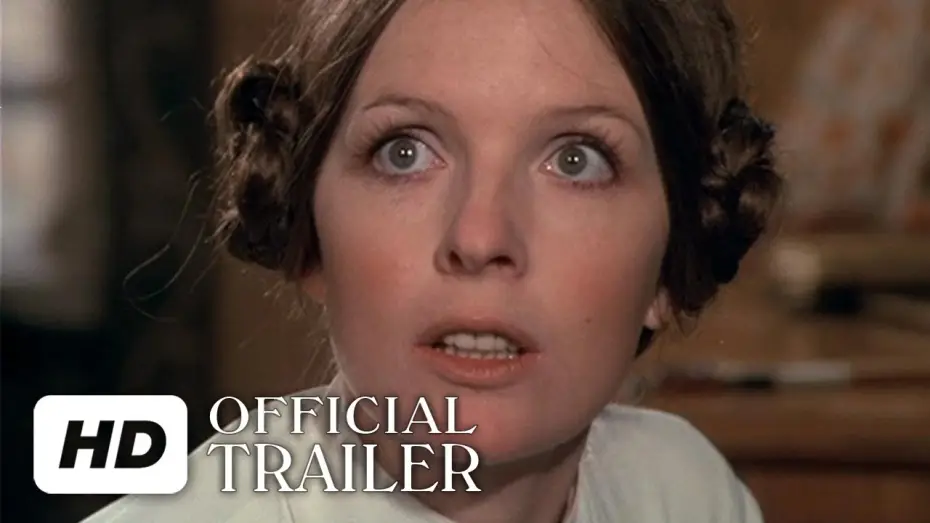
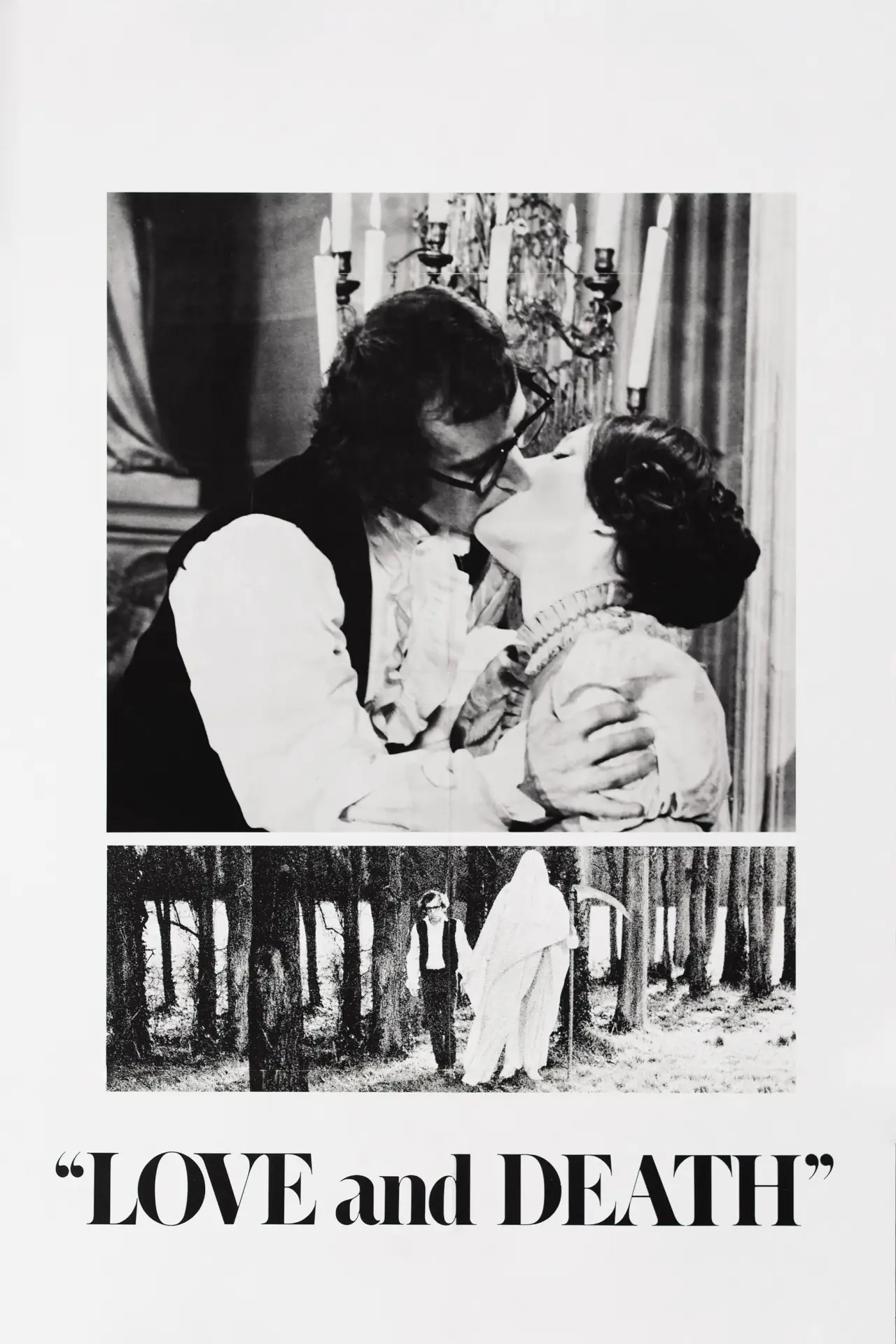
Love and Death is a comedy set in early nineteenth-century Russia, where the young nobleman Boris Grushenko is preoccupied with death and with his cousin Sonja, who does not return his feelings. Pressured by his family, he joins the army to fight against Napoleonic France and unexpectedly comes out of the fighting a hero. The confirmed pacifist then finds himself drawn into a scheme to assassinate Napoleon, an undertaking that gives him a hand in the fate of Europe.
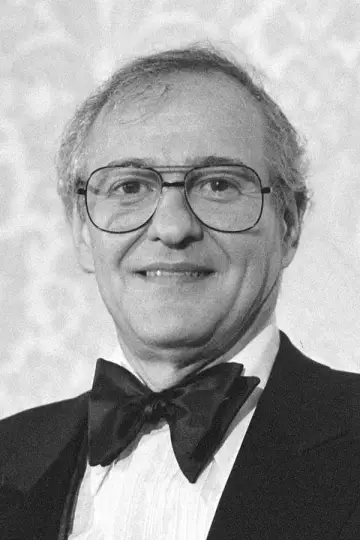
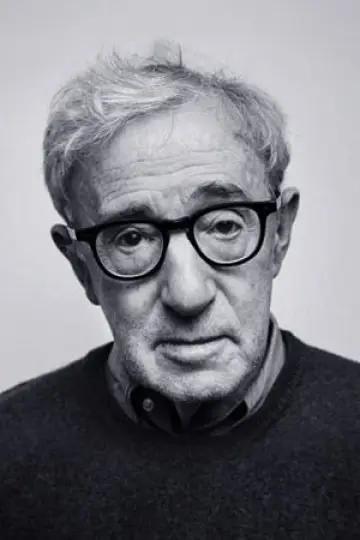
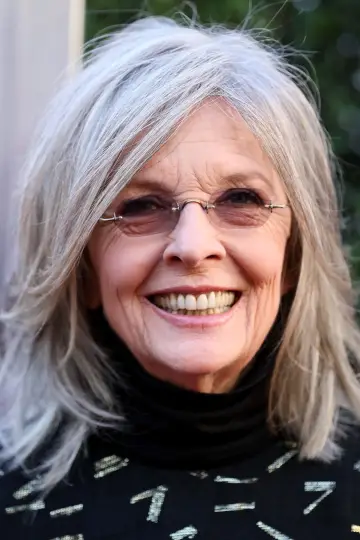
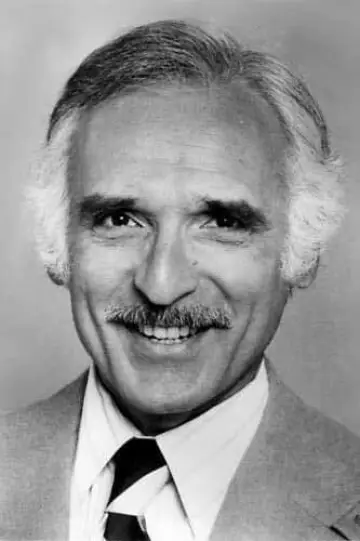
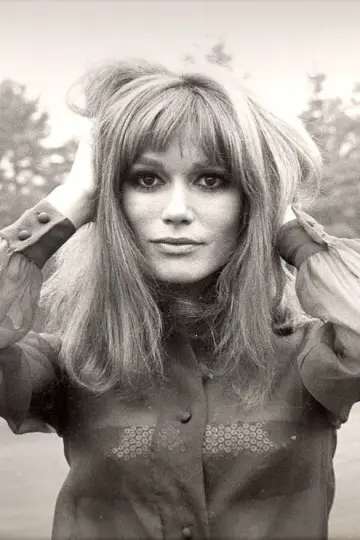
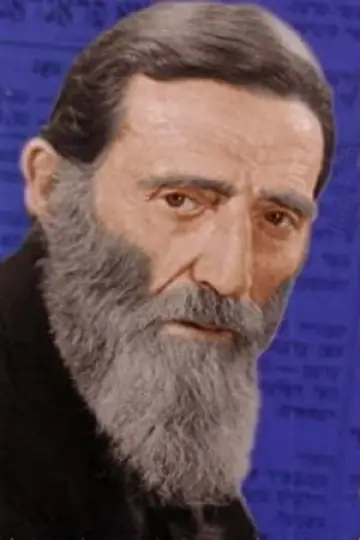
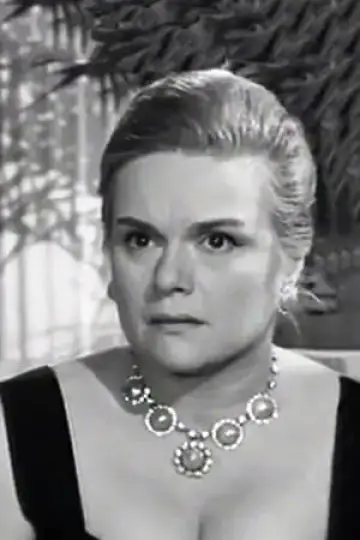
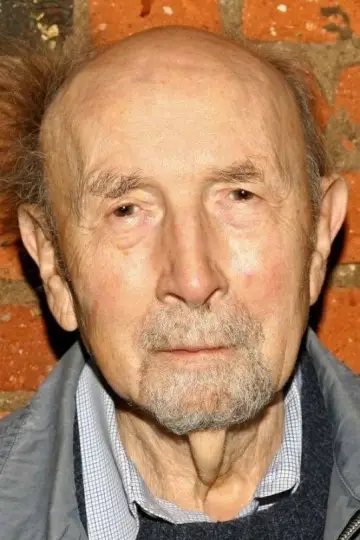
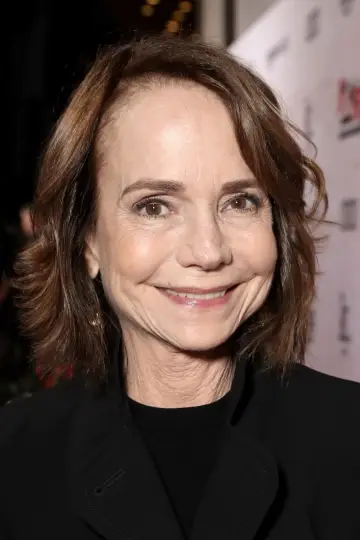
Woody Allen directed and wrote the film, the fifth of the forty-eight features he has directed, following Sleeper and preceding Annie Hall. Allen plays Boris, and Diane Keaton plays Sonja; Harold Gould, Olga Georges-Picot, Zvee Scooler and Despo Diamantidou appear among the credited cast of sixty, with a credited crew of forty-nine. Produced by Charles H. Joffe and Jack Rollins through United Artists, the film was made for about three million dollars and took roughly twenty million dollars worldwide.
On IMDb it holds 7.9 out of 10 from 222 votes, and on TMDB 7.4 out of 10 from 993 votes. A critics' rating of 8.1 out of 10 from 25 reviews places it above the audience scores. The film runs eighty-five minutes and mixes comedy with history, romance and war.
What's left behind the scenes
- Initially, music by Igor Stravinsky was chosen as the soundtrack, but Woody Allen felt that this would make the film less funny, and that the lighthearted music of Sergei Prokofiev would be a much better fit.
- When Woody Allen's character goes to the army, he carries dried butterflies and a net for catching them. This is a tribute to the Russian author Vladimir Nabokov.
- Filming took place mainly in Hungary and Paris. Before the film "Everyone Says I Love You," this was the only film Woody Allen shot outside of New York.
- The philosophical "chatter" between the characters (for example, about how "subjectivity is objective") is actually taken from the works of Russian philosophers G.I. Gurdjieff and P.D. Ouspensky, as is the film’s title, "Love and Death."
- When Boris writes poetry, he recites: "I should have been a pair of clumsy pincers, scraping at the bottom of a silent sea." He then crumples the sheet with the written lines and throws it into the fire, calling them "too sentimental." These lines are taken from T.S. Eliot's book "The Love Song of J. Alfred Prufrock."
- Woody Allen was so concerned about the quality of food in Budapest that he ate only canned goods and drank water from his own supplies brought from America. As a result, Allen was one of the few members of the film crew who did not suffer from dysentery during filming.
- At the beginning of the film, Boris notes that old Gregor is younger than young Gregor. And at the end of the film, he refers to them as old Nekhamkin and young Nekhamkin.
- The shots of lion statues during Boris and the Countess's love scene, as well as the scene where a soldier is shot in the eye through his glasses, are a parody of the film "Battleship Potemkin" (1925).
- Young Boris has blue eyes, while the adult Boris has brown eyes.
- The credits state that all the music in the film is by Sergei Prokofiev. However, Luigi Boccherini can be heard in one scene. Furthermore, the violin and piano sonata played by Sonya with her lover is Beethoven – Sonata “Spring”, Op. 24. And when Boris is at the opera, Mozart's "The Magic Flute" is playing.
- In the scene where Sonya accompanies the violinist (Beethoven's "Spring" Sonata is playing), it is noticeable that she is playing from an orchestral score, while the piece they are performing is written for a duet. Furthermore, the violinist does not move the fingers of his left hand at all.
- During the duel scene, it can be observed that foam was used instead of snow.
- In the scene where Boris and Sonya discuss the permissibility of violence for the greater good, a painting by Ilya Repin, "Reply of the Zaporozhian Cossacks to Sultan Mehmed IV of the Ottoman Empire" (1891), can be seen. However, the film's action takes place long before the painting was created.
Similar movies


 Auditions in India
 Casting calls in USA
 Castingi w Polsce
 Кастинги в Україні
