U.S. Marshals




Short description
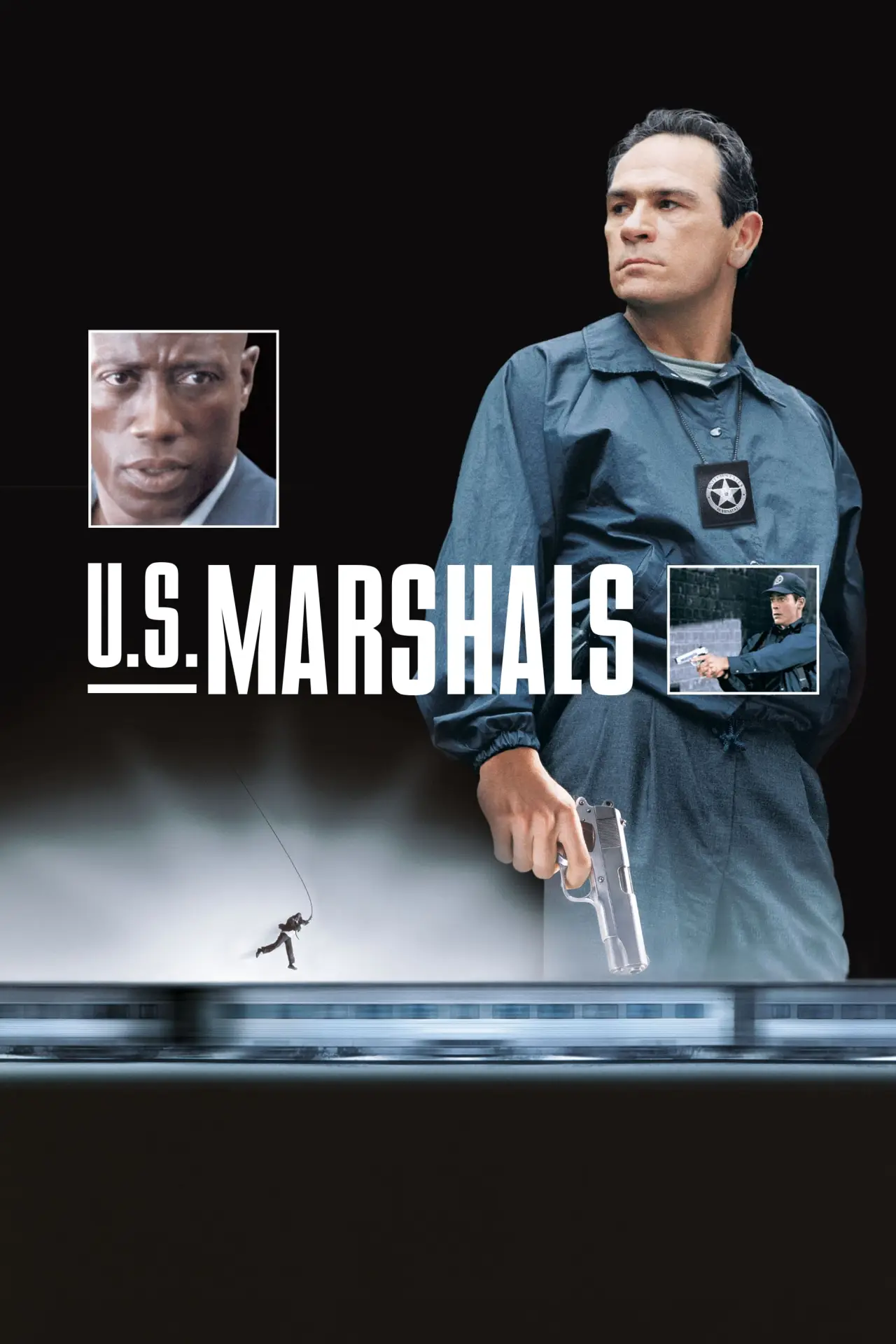
U.S. Marshals follows Samuel Gerard, the deputy marshal who leads a team transporting prisoners by air. When the flight goes badly wrong and a detainee named Sheridan gets away, Gerard takes charge of the hunt. Sheridan is wanted for killing two agents, but his background as a former intelligence operative complicates the case. A diplomatic security agent, John Royce, is assigned to work alongside Gerard, and the pursuit stretches across the country as Gerard works out what Sheridan is really running from and who else wants him silenced.
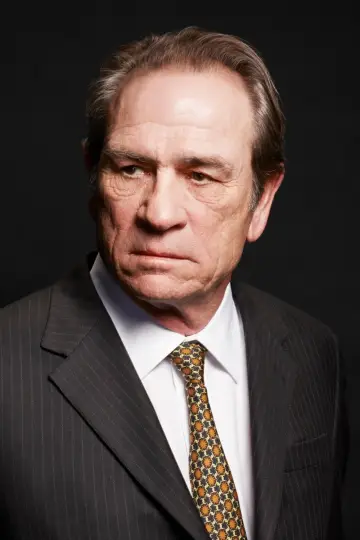
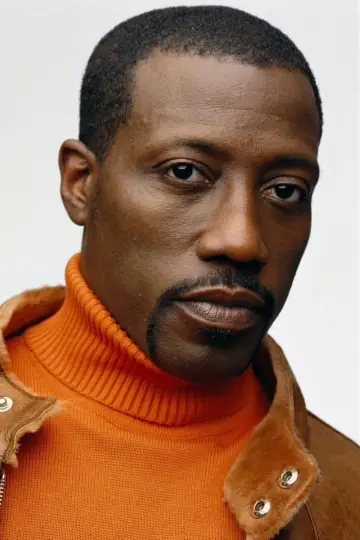
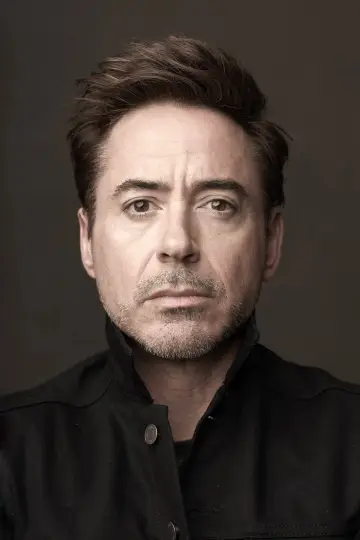
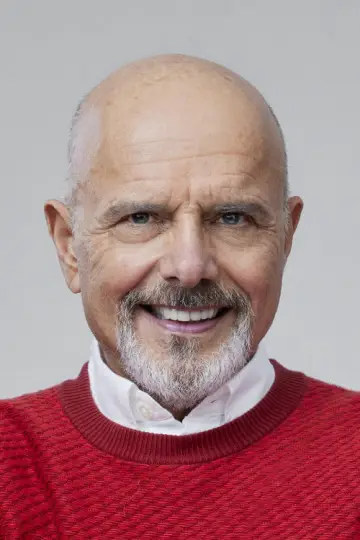
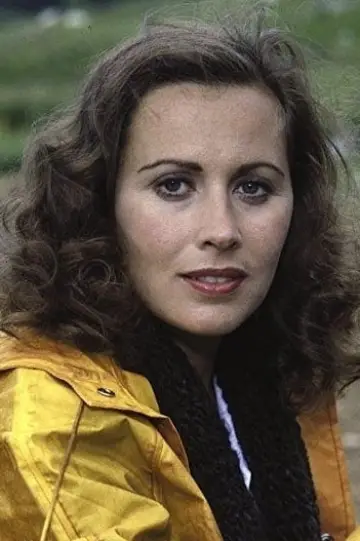
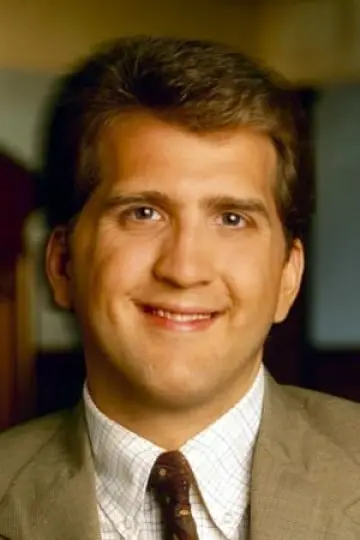
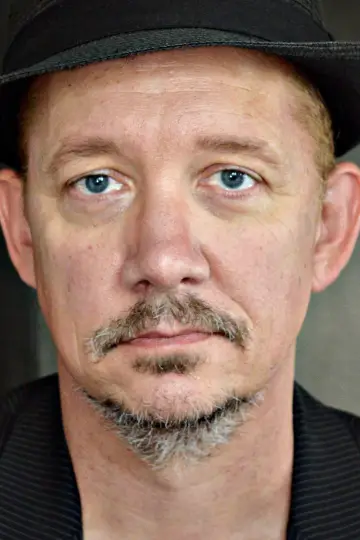
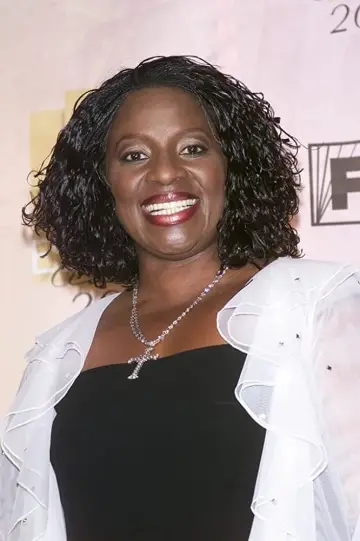
The film is a follow-up to The Fugitive, with Tommy Lee Jones returning as Gerard. Stuart Baird directed it, his second feature after Executive Decision in 1996 and before Star Trek: Nemesis in 2002. John Pogue wrote the screenplay, and Arnold and Anne Kopelson produced. Wesley Snipes plays Sheridan, with Robert Downey Jr. as Royce and Joe Pantoliano, Kate Nelligan and Daniel Roebuck among the supporting cast.
Released in March 1998, the film cost about 60 million dollars and took roughly 102 million worldwide, a solid return. On IMDb it holds 6.5 from over 111,000 votes, and on TMDB 6.6 from a much smaller number of ratings. A critics' score of 4.9 from 43 reviews sits below both audience figures.
What's left behind the scenes
- In one scene, Mark Sheridan, played by Wesley Snipes, flies on a cable from the roof of a building to the roof of a moving train. This scene was filmed in Harlem, New York. The stunt was performed by professional stuntman Clay Donahue Fontenot, who flew on a strong 20-meter cable. Due to logistical difficulties, neither a safety net nor other devices to ensure the stuntman's safety could be used. It took 10 weeks to calculate the stunt. Immediate preparation for the performance took 8 hours. The stunt took only 7 seconds of screen time.
- In the original script, Sam Gerard, played by Tommy Lee Jones, was to be dressed as a priest for the operation at the beginning of the film. Director Stuart Baird and costume designer Louise Frogley decided that this would not look interesting enough, and came up with a chicken costume for the actor, advertising a nearby cafe.
- The filmmakers inspected aircraft for transporting prisoners and were disappointed to find that their interiors looked like ordinary aircraft cabins. Everything shown to viewers in the part about the detention of prisoners in flight (handcuffs fastened to the floor, an iron cage, an automatic locking system, an open toilet, etc.) was invented by the filmmakers.
- For the airplane crash scene, a "Boeing 727" was rented from the owner of one of the casinos in Las Vegas, two airplane fuselages were purchased, and a fuselage model was built for filming the direct impact with the highway. The crash was filmed on a stretch of road just over 350 meters long. The airplane model moved at a speed of 96 km/h. Retakes were excluded, so the crash was filmed immediately with 9 cameras. Peter Donen, who was responsible for the visual effects, oversaw the entire process. In total, it took six months and the work of 75 people to prepare the filming of this scene.
- During filming, Tommy Lee Jones actually ran onto the road in front of a car speeding towards him. The scene was filmed in one take.
- Shortly after the film's release, Robert Downey Jr., who starred in it, called "U.S. Marshals" "...possibly the worst film of all time."
- Scenes featuring the plane that crashed into the water were filmed on the Ohio River in Illinois, while the interior shots were filmed in a studio in Chicago, where the fuselage was connected to a complex system of mechanisms to simulate shaking and the crash. The scenes in which the fuselage flips upside down and sinks were filmed using an inverted fuselage that was submerged in a massive tank.
- In the scene where Tommy Lee Jones's character throws Royce's phone (played by Robert Downey Jr.) into a swamp, one can notice the actor momentarily freezing before the throw. This happened because during the previous take, he had accidentally hit an extra while throwing without looking. In this take, Jones can be seen pausing to ensure he doesn't hit anyone.
- Toward the end of the production period, the creative team had to take a break from filming to wait for the return of the absent Robert Downey Jr. Only the hospital scenes remained, which were impossible to film without him. Eventually, the actor reappeared to finish filming, but it is said that he never felt it necessary to apologize for his absence or explain it. No one insisted on it, as everyone was well aware that Downey Jr. was struggling with drug problems at the time.
- While preparing for the shoot with Stuart Baird, Robert Downey Jr. consulted with actual intelligence agency employees.


 Auditions in India
 Casting calls in USA
 Castingi w Polsce
 Кастинги в Україні

