Jeremiah Johnson - posters, covers, wallpapers

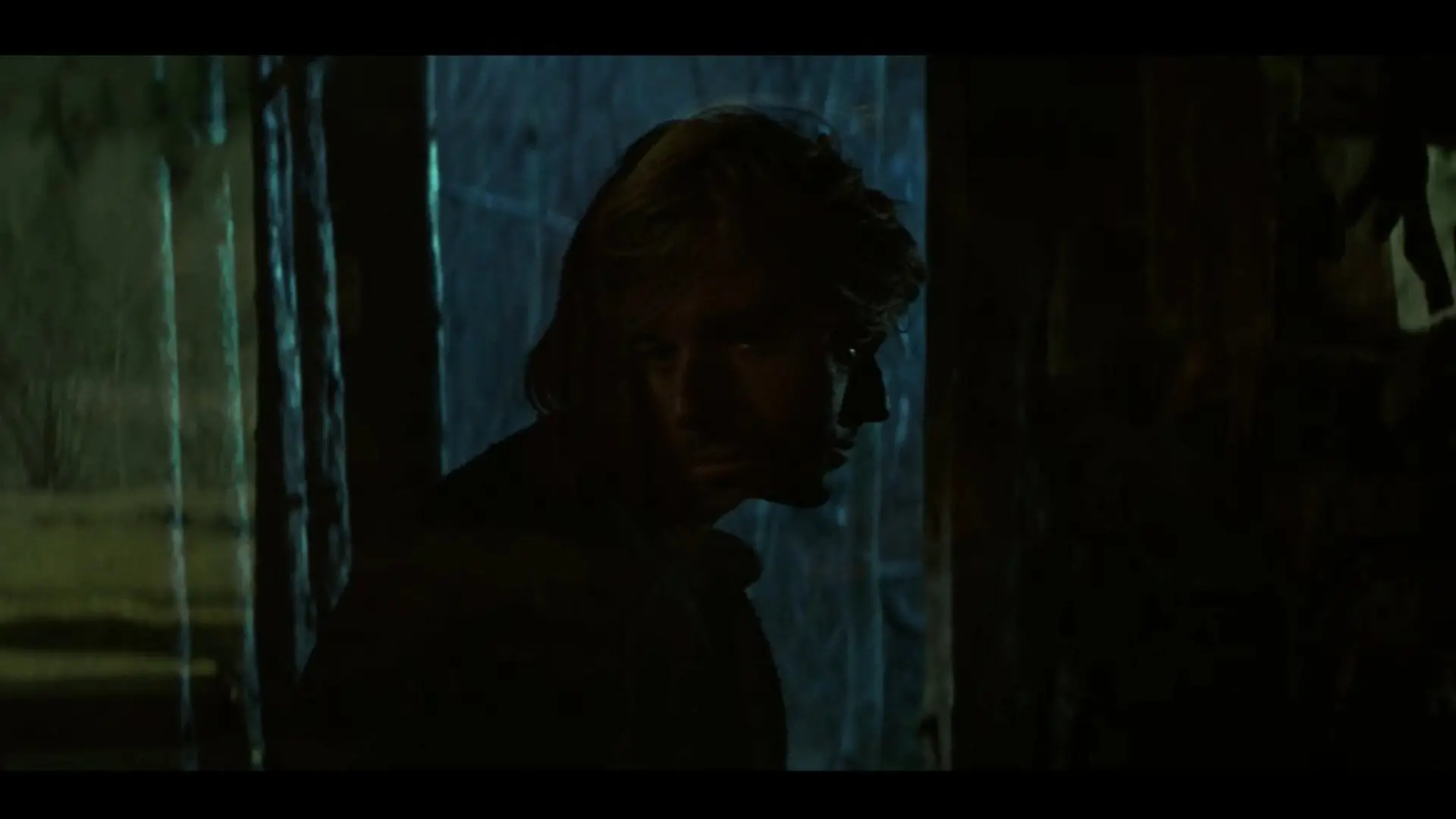
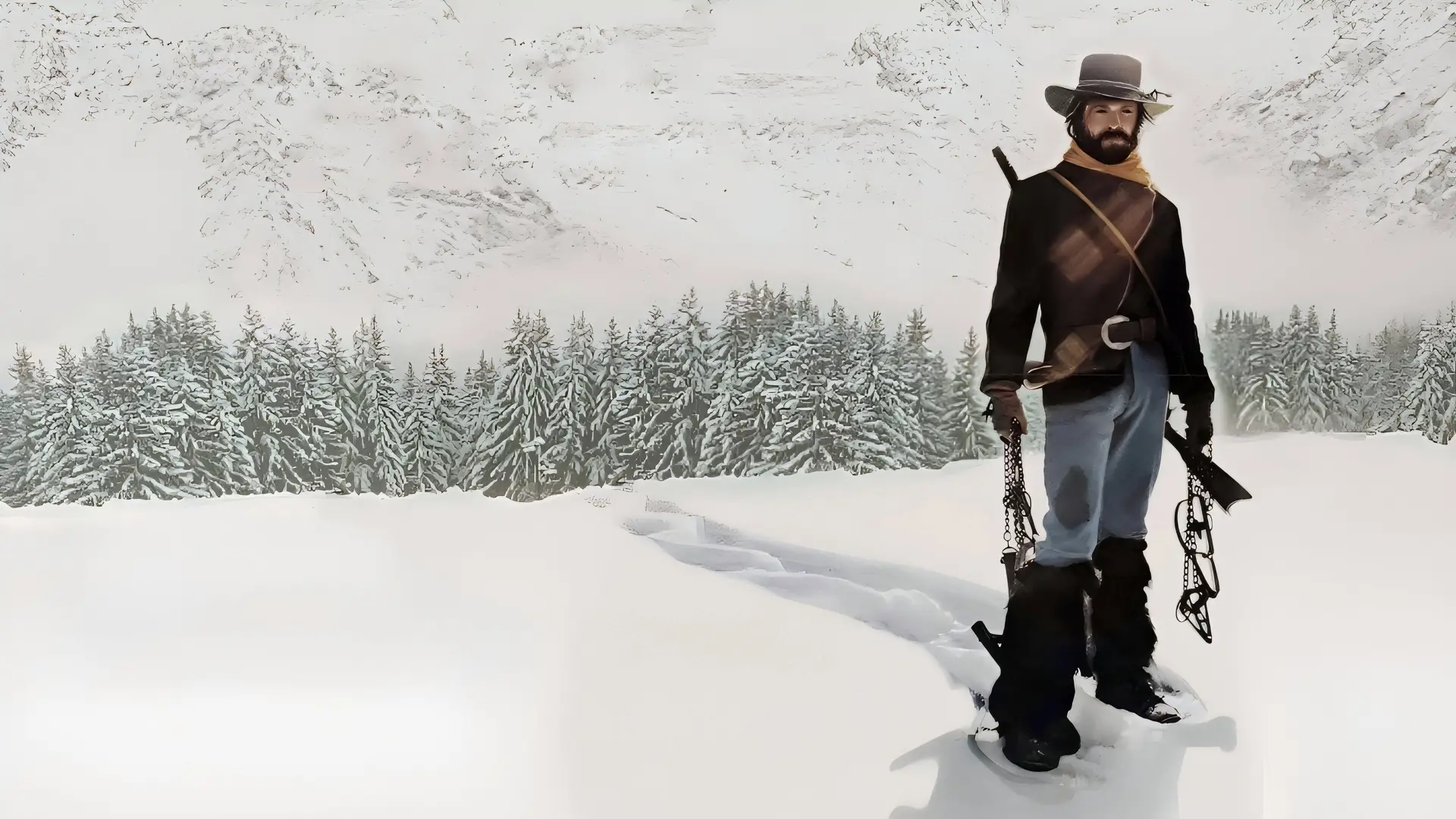
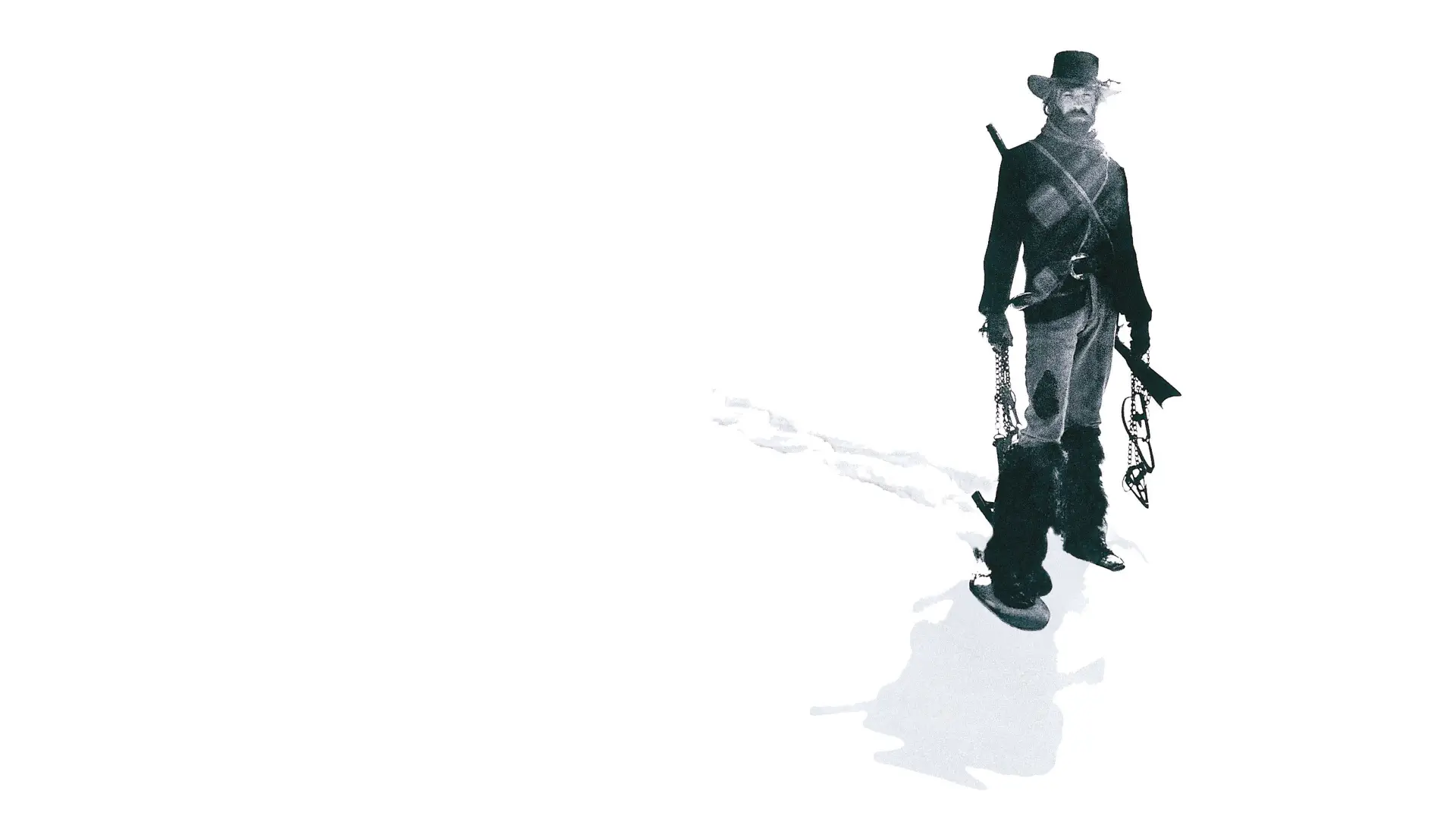
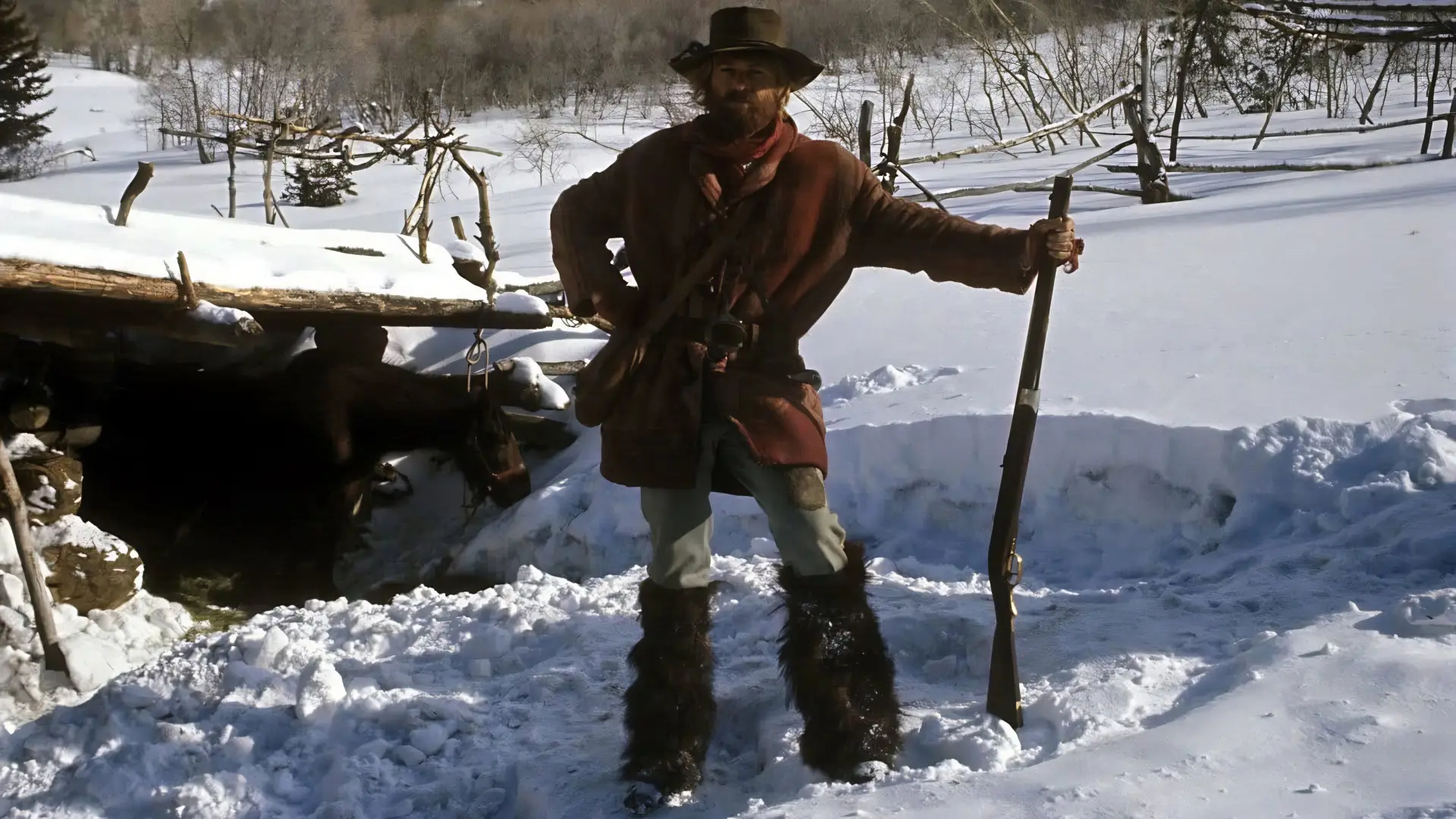
Lots of posters, covers and wallpapers for the movie "Jeremiah Johnson"
Jeremiah Johnson (1972)
Timing: 1:48 (108 min)
Jeremiah Johnson - TMDB rating
7.292/10
579
Jeremiah Johnson - Kinopoisk rating
7.76/10
2786
Jeremiah Johnson - IMDB rating
7.6/10
34271

Posters, covers

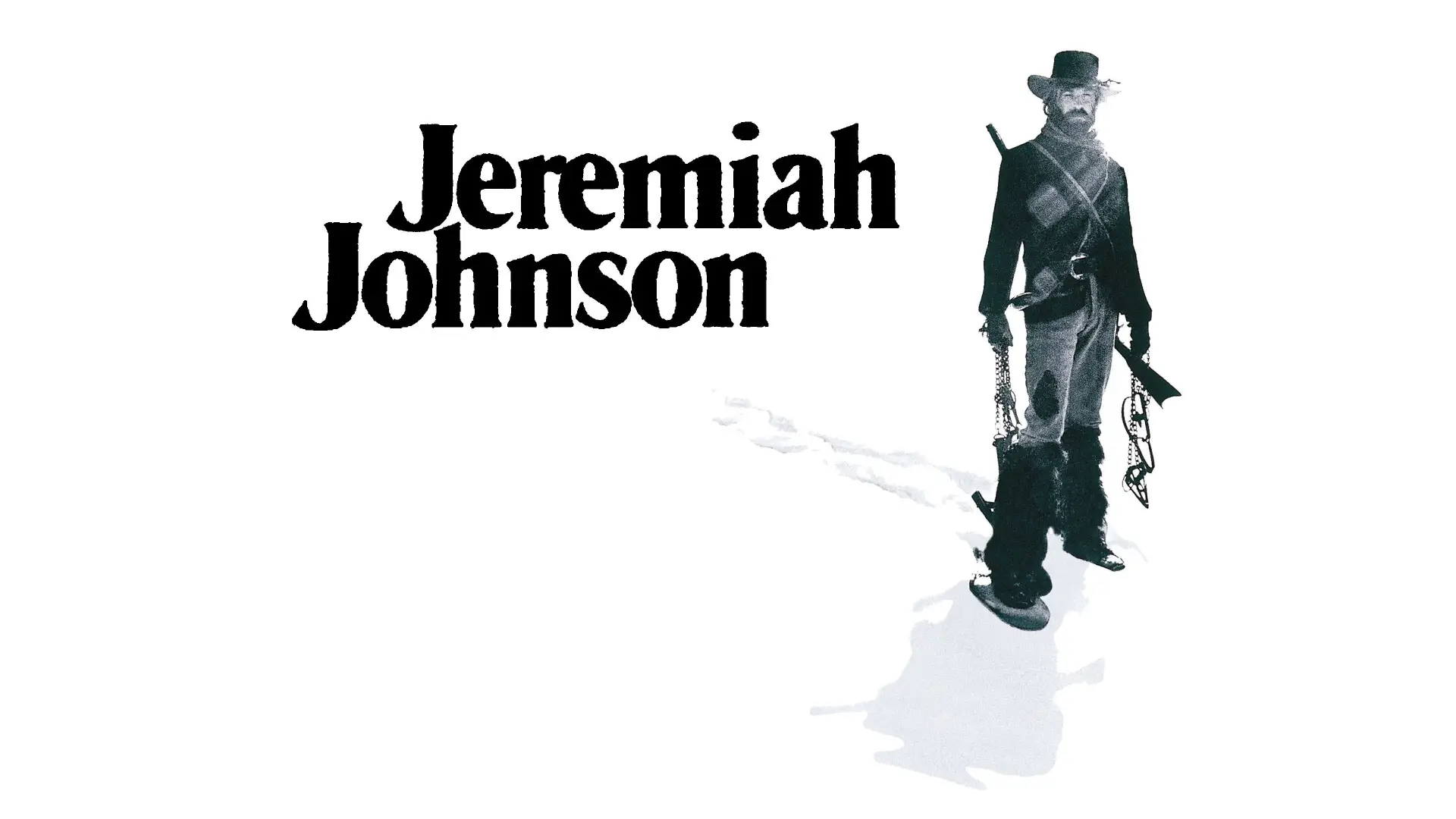
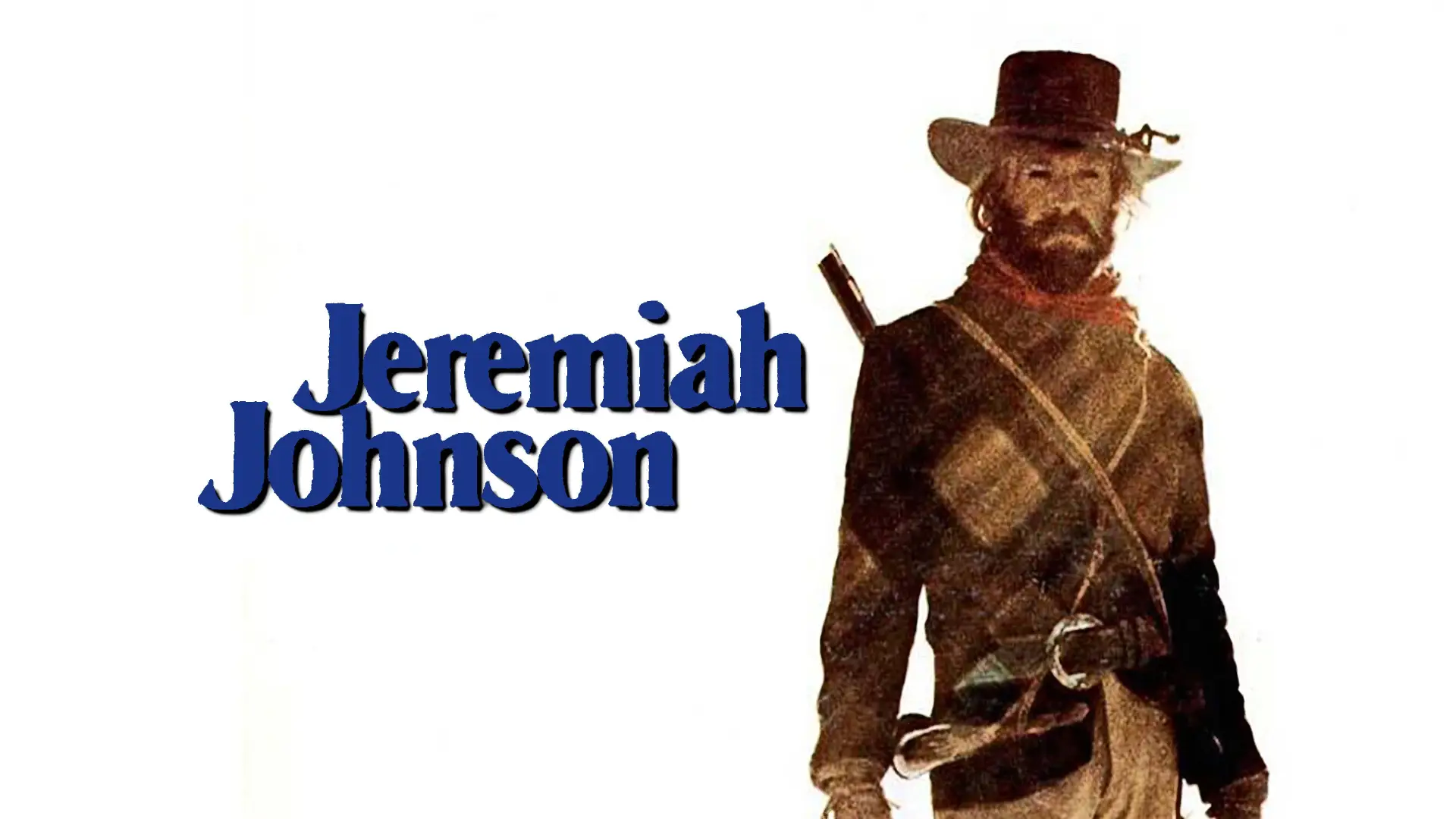
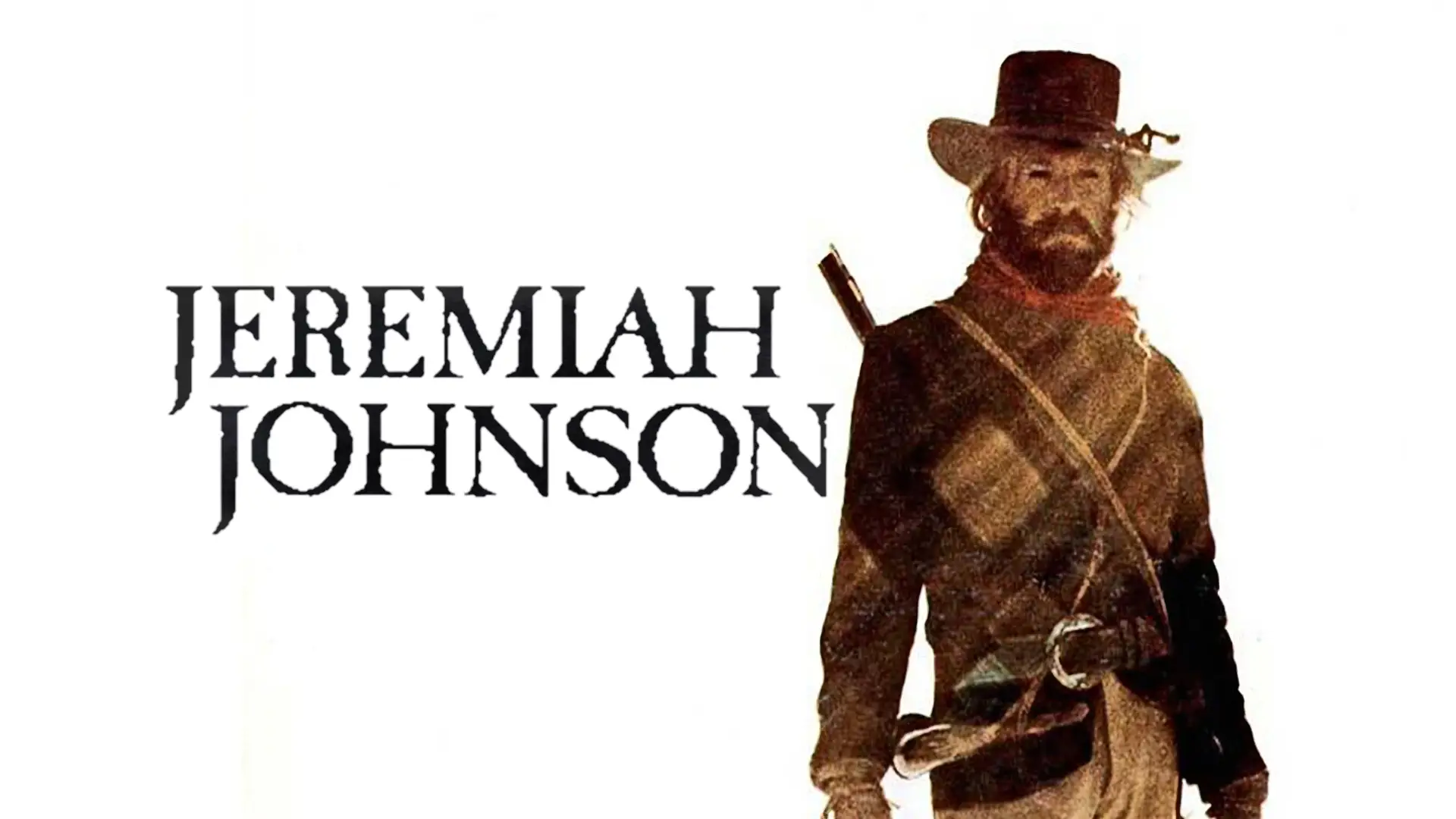
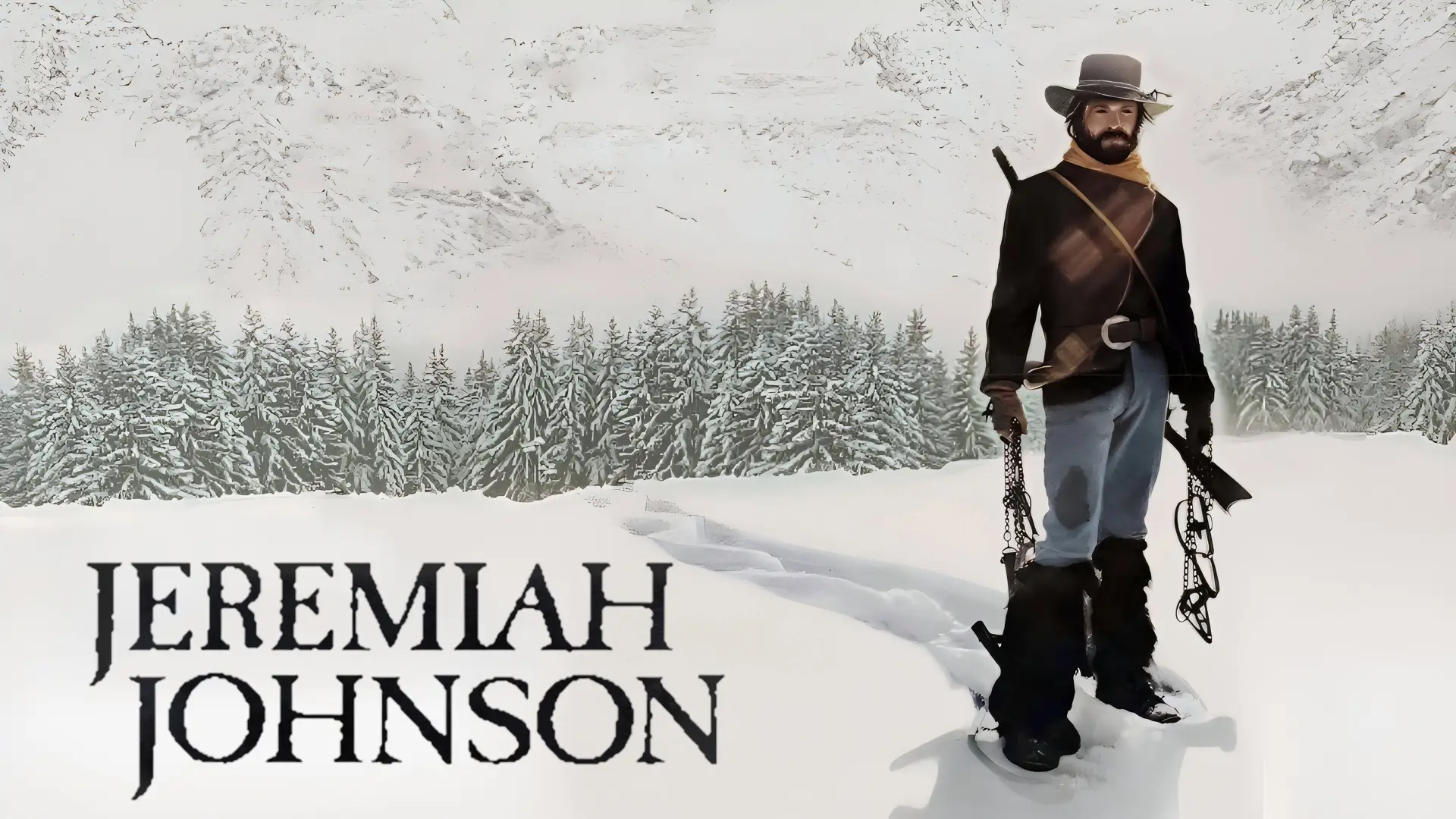
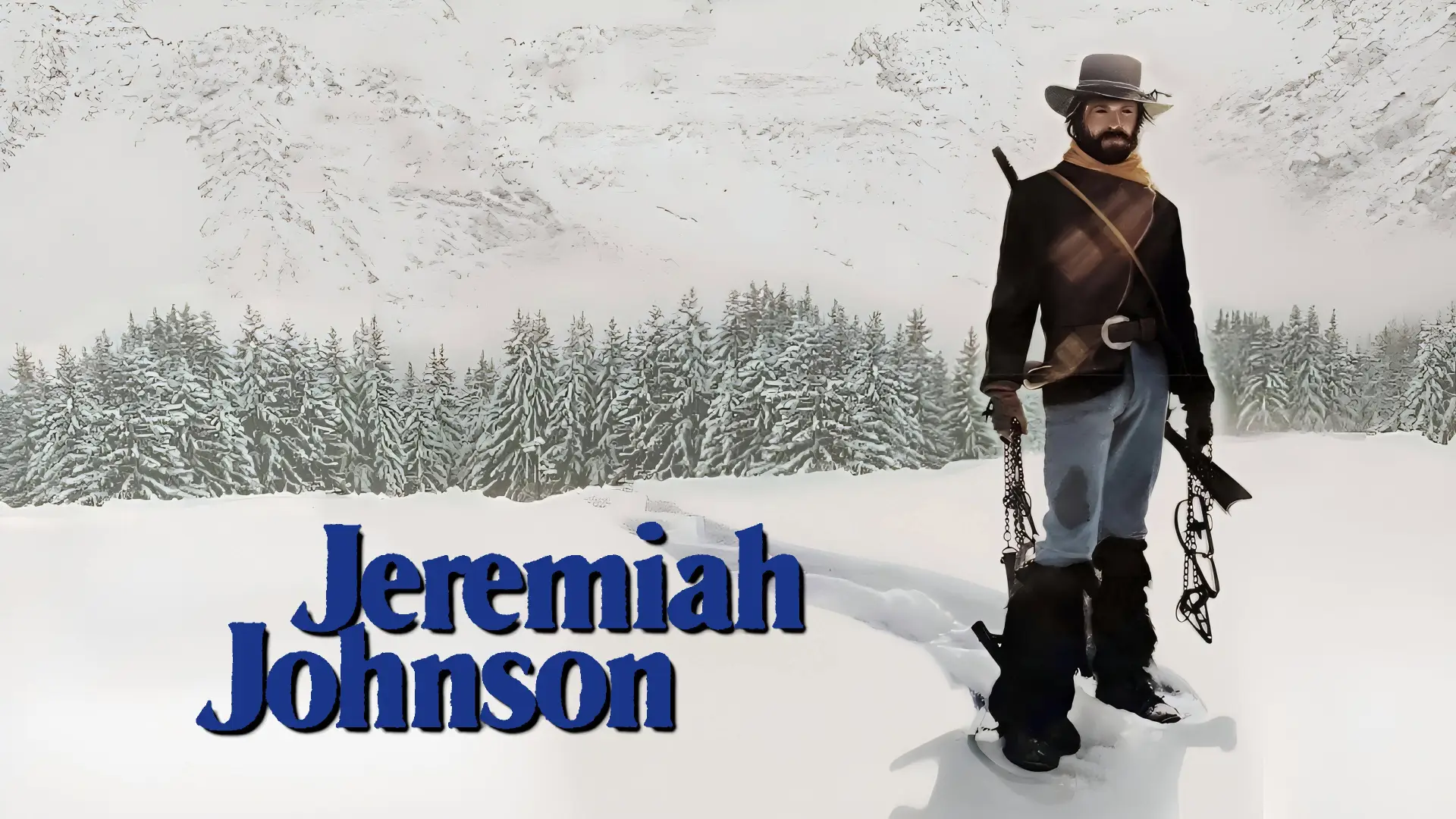
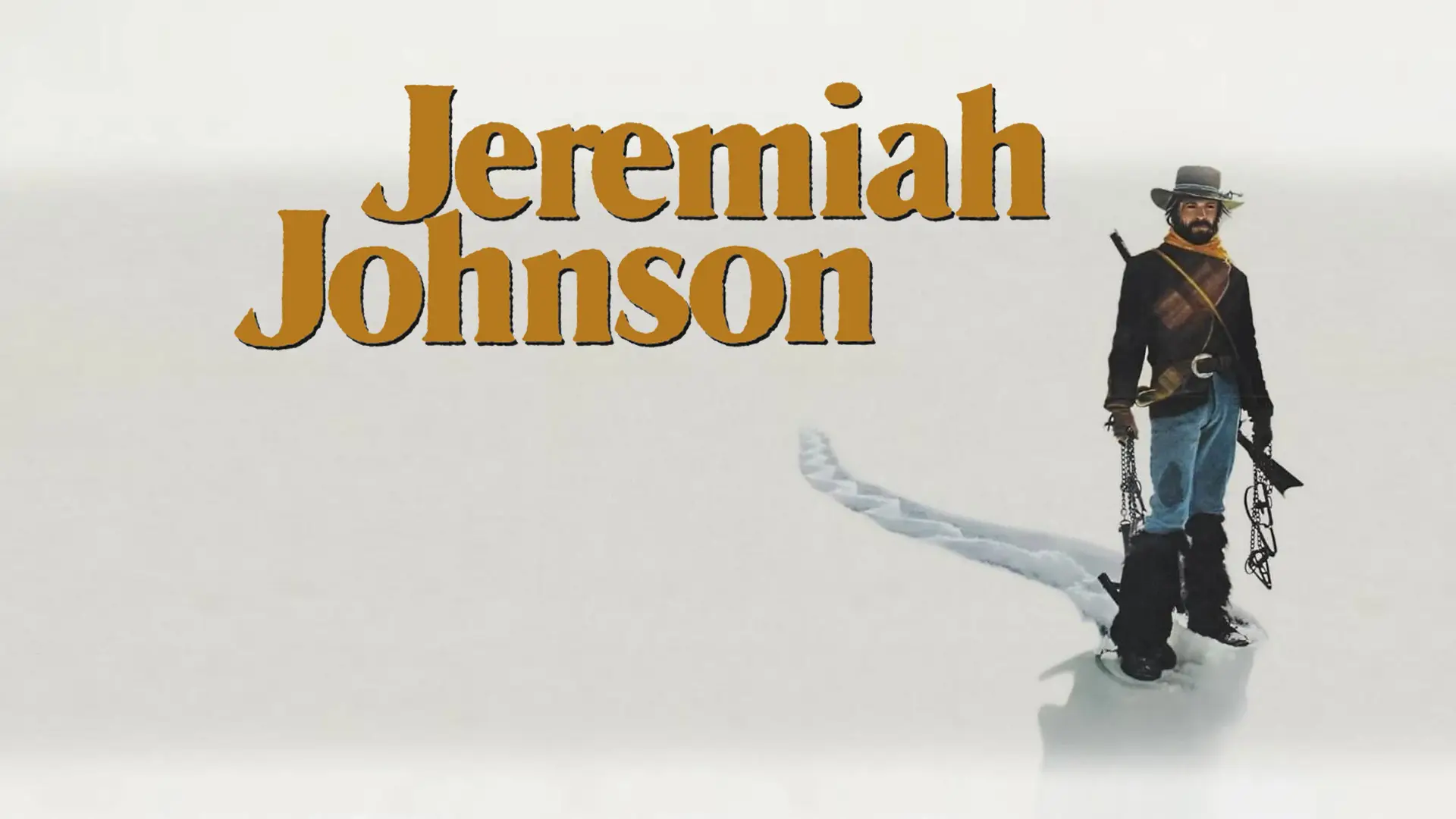
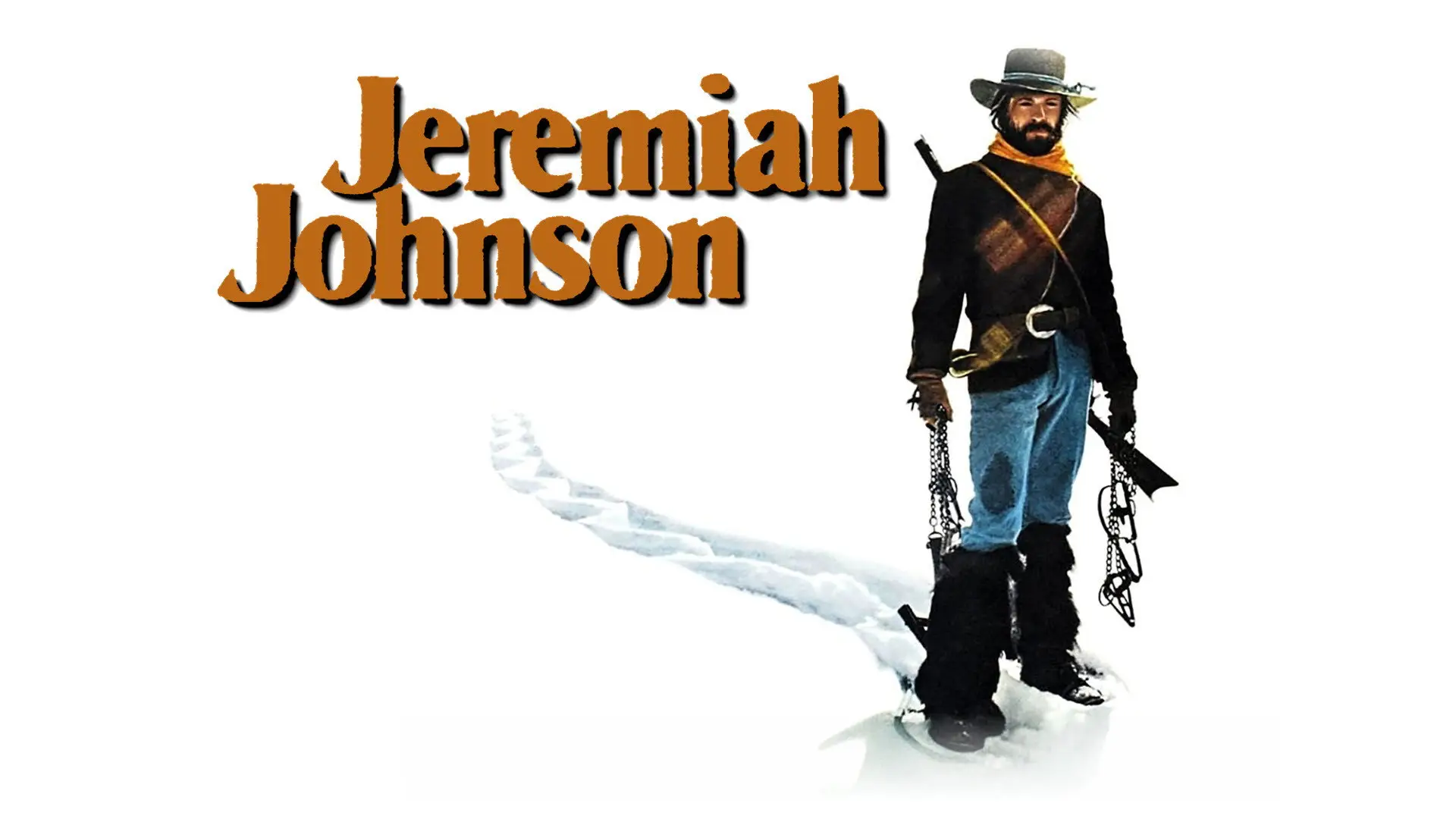
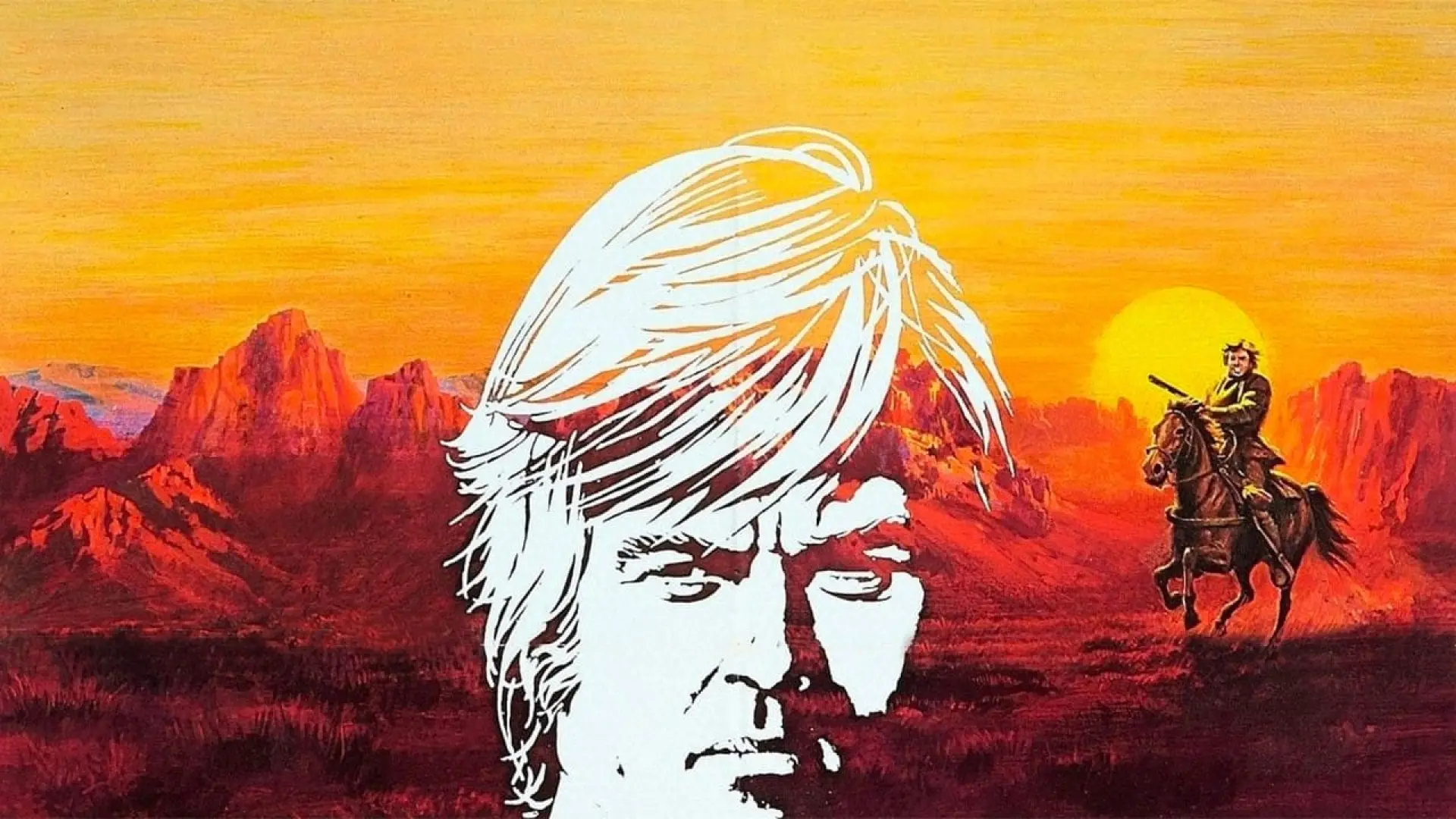
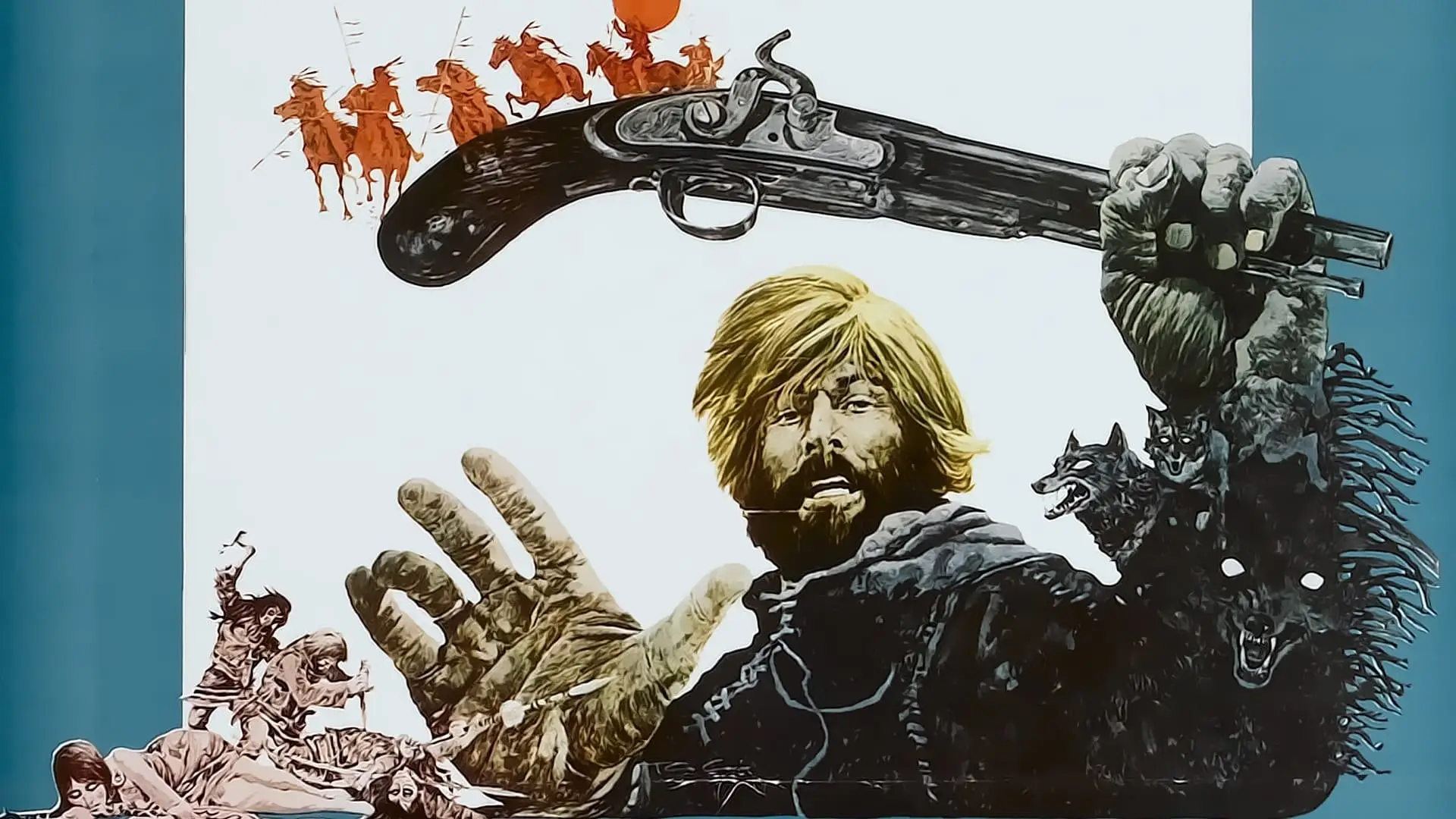
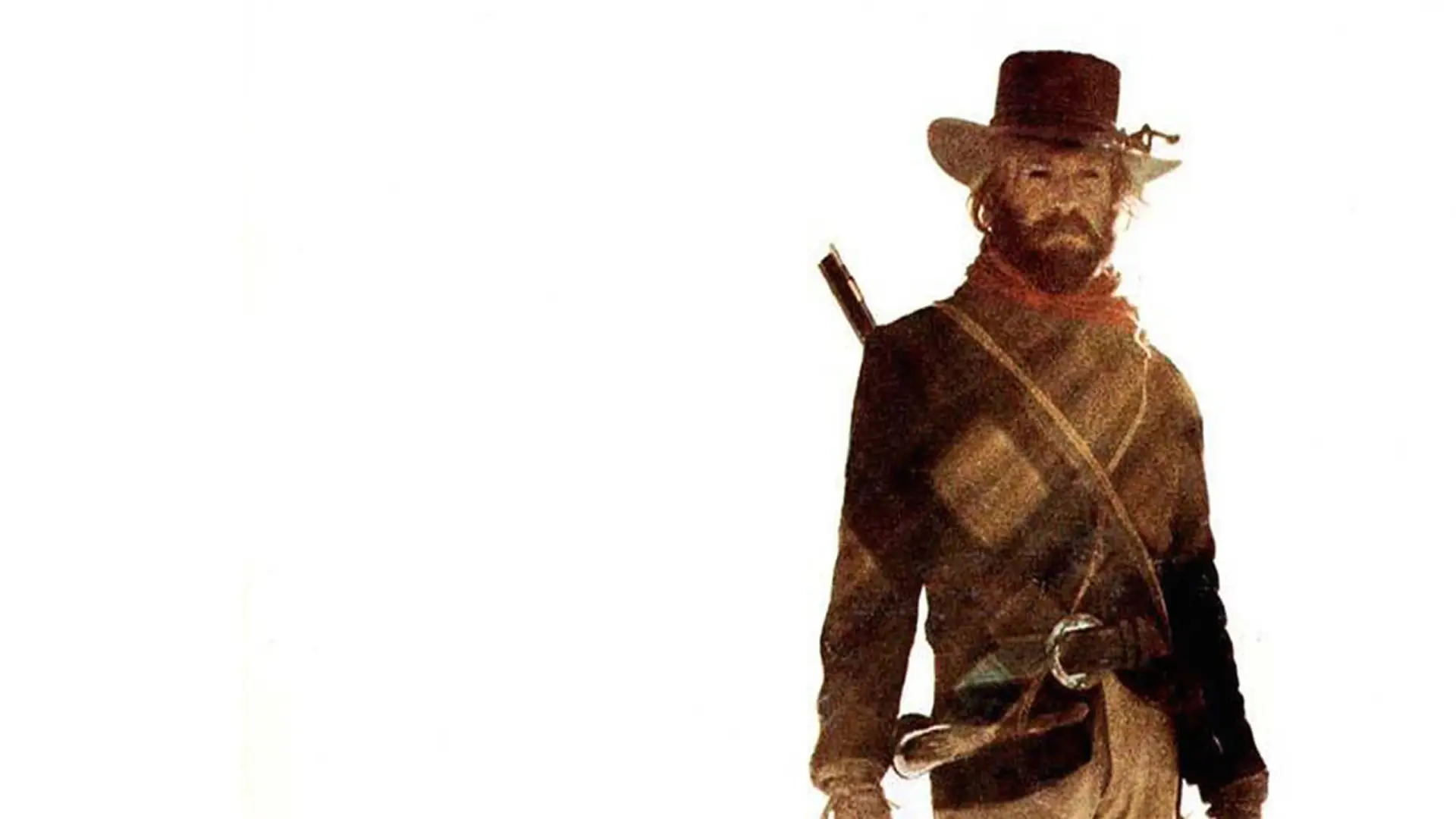
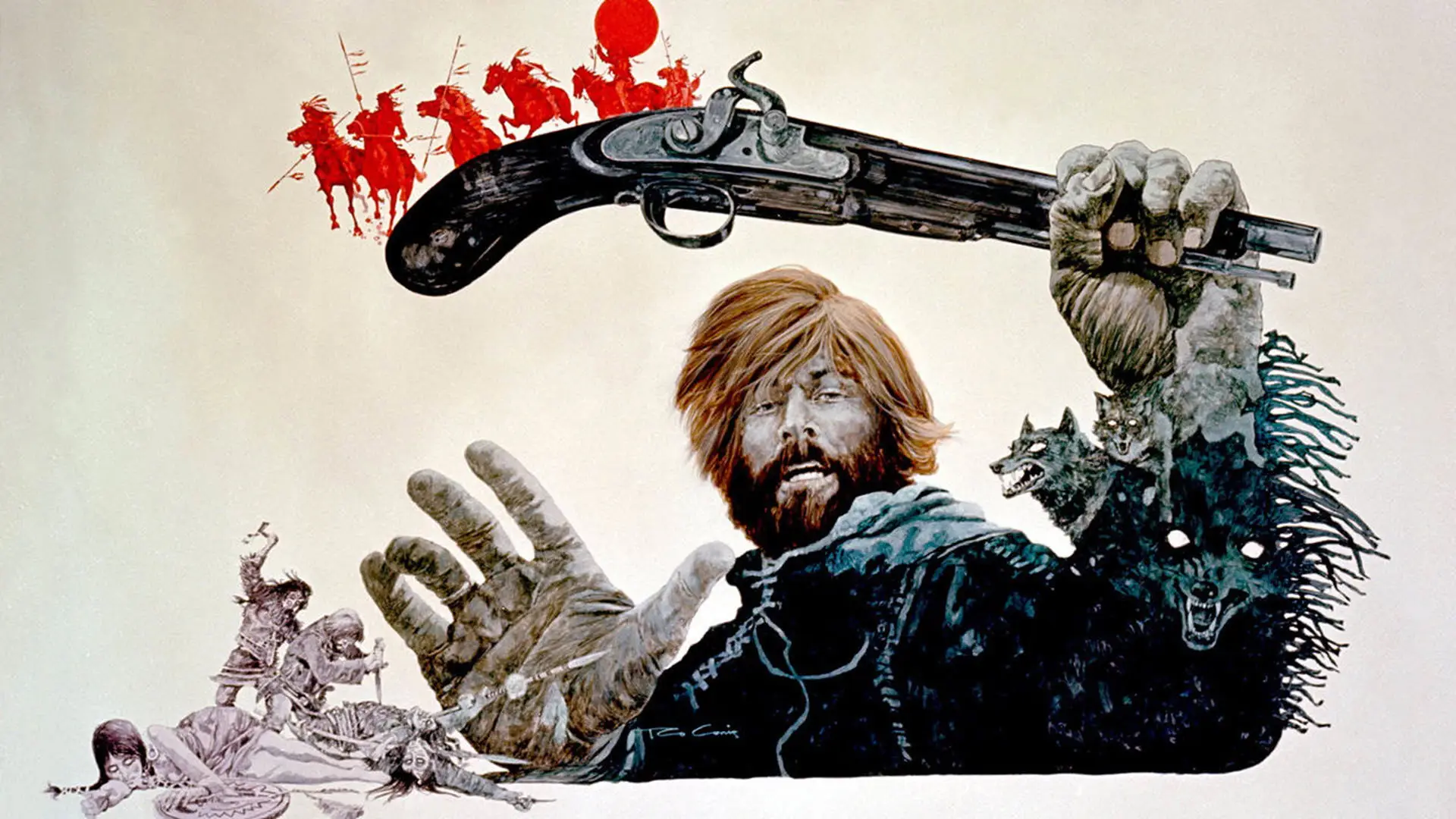
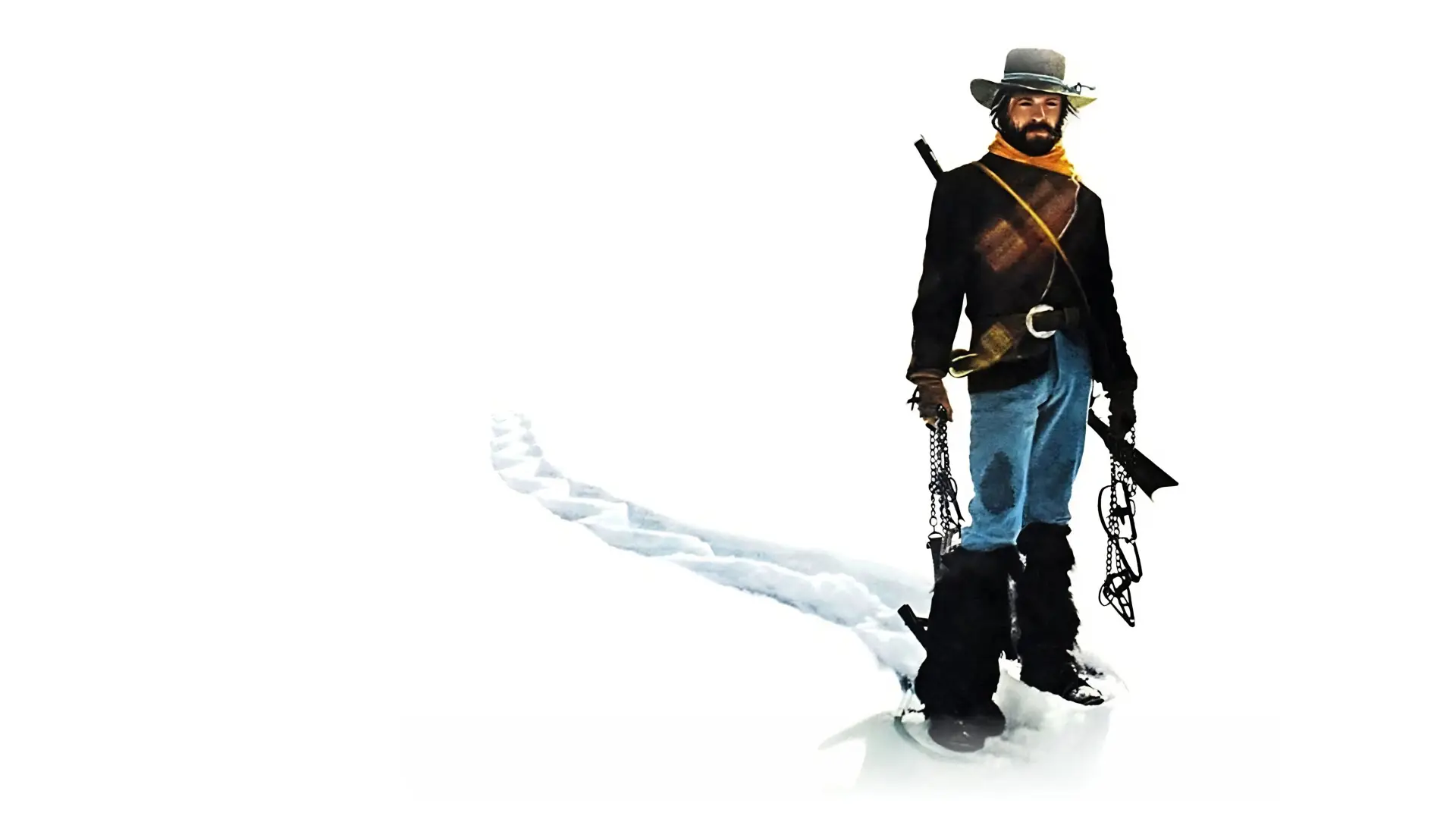
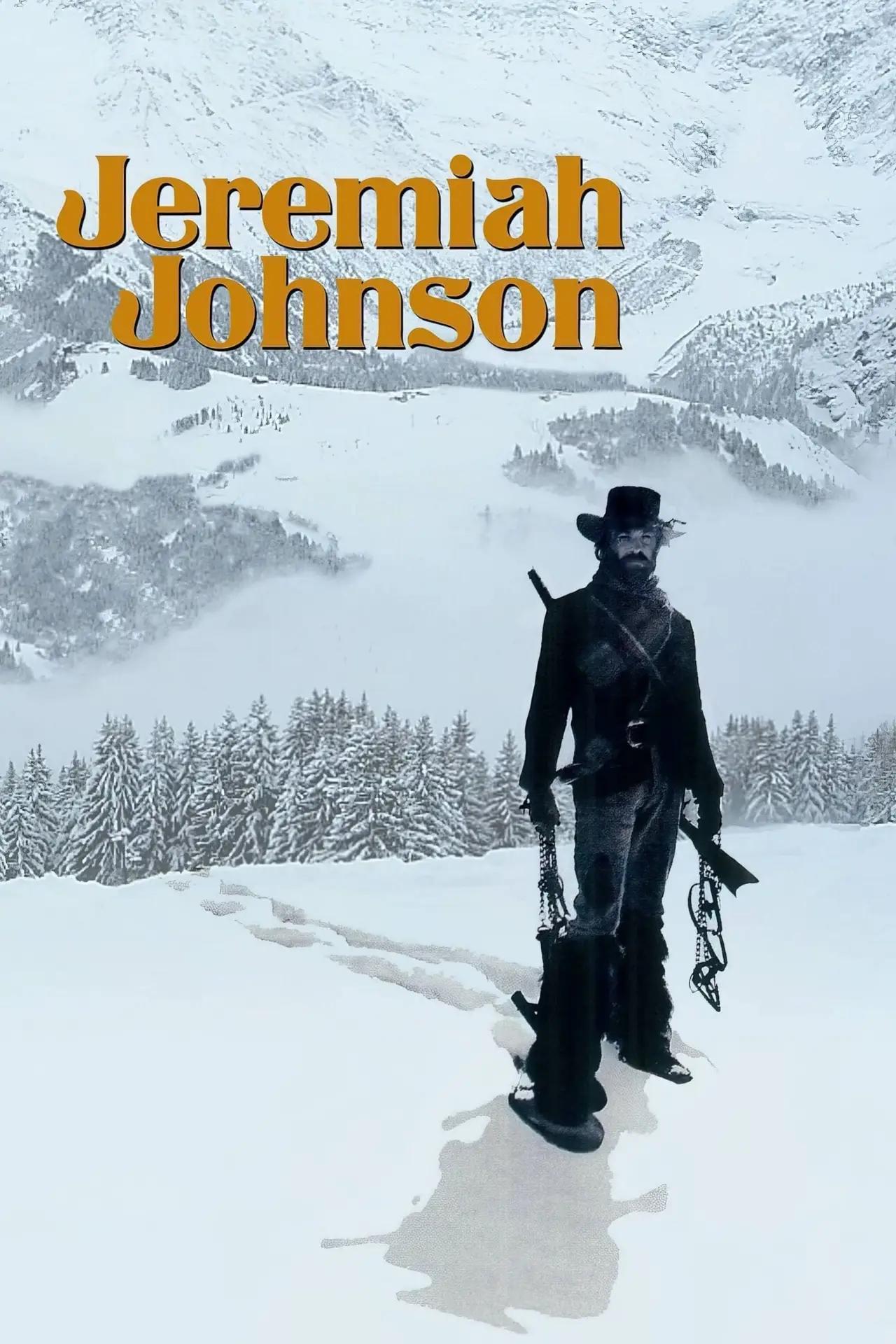
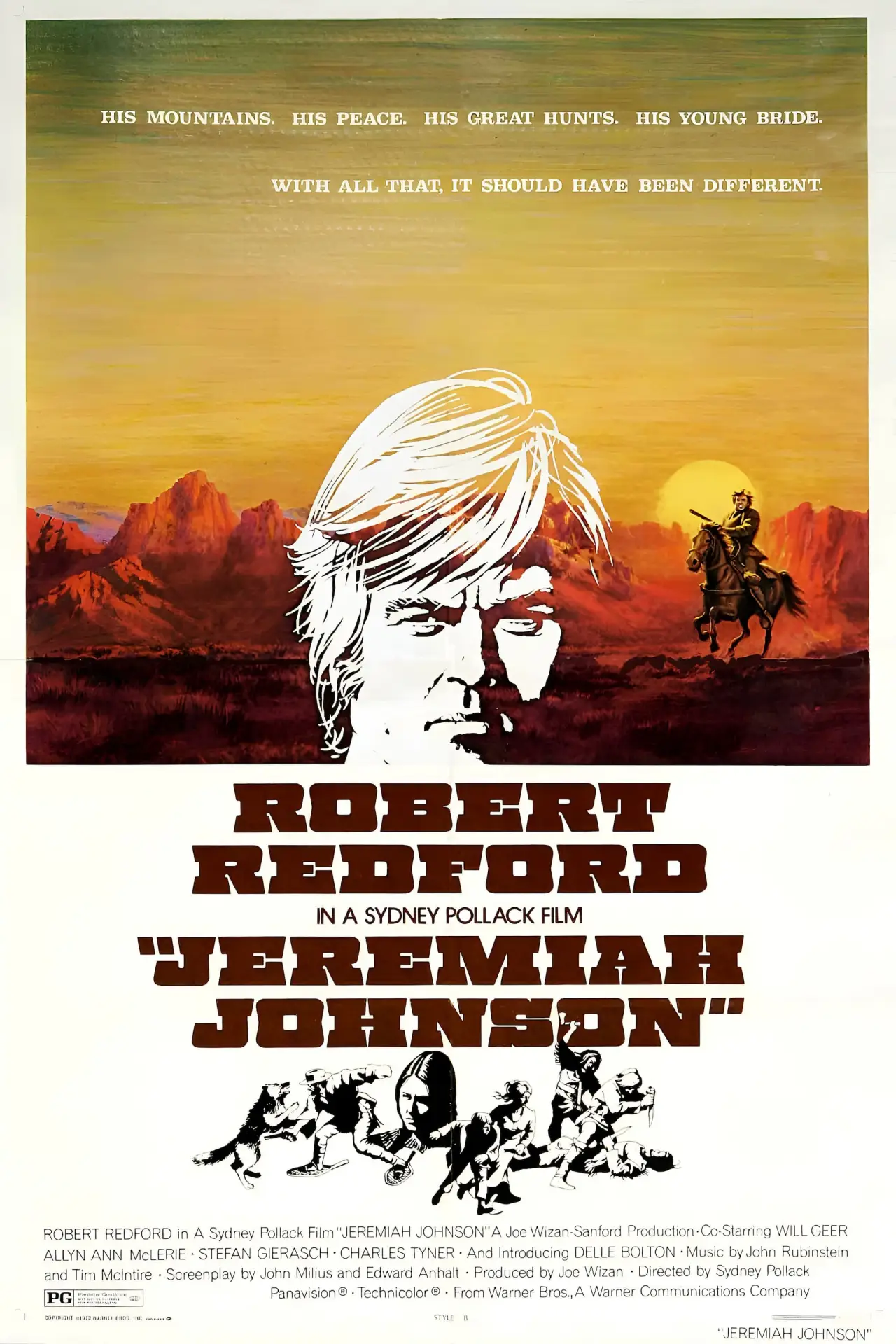
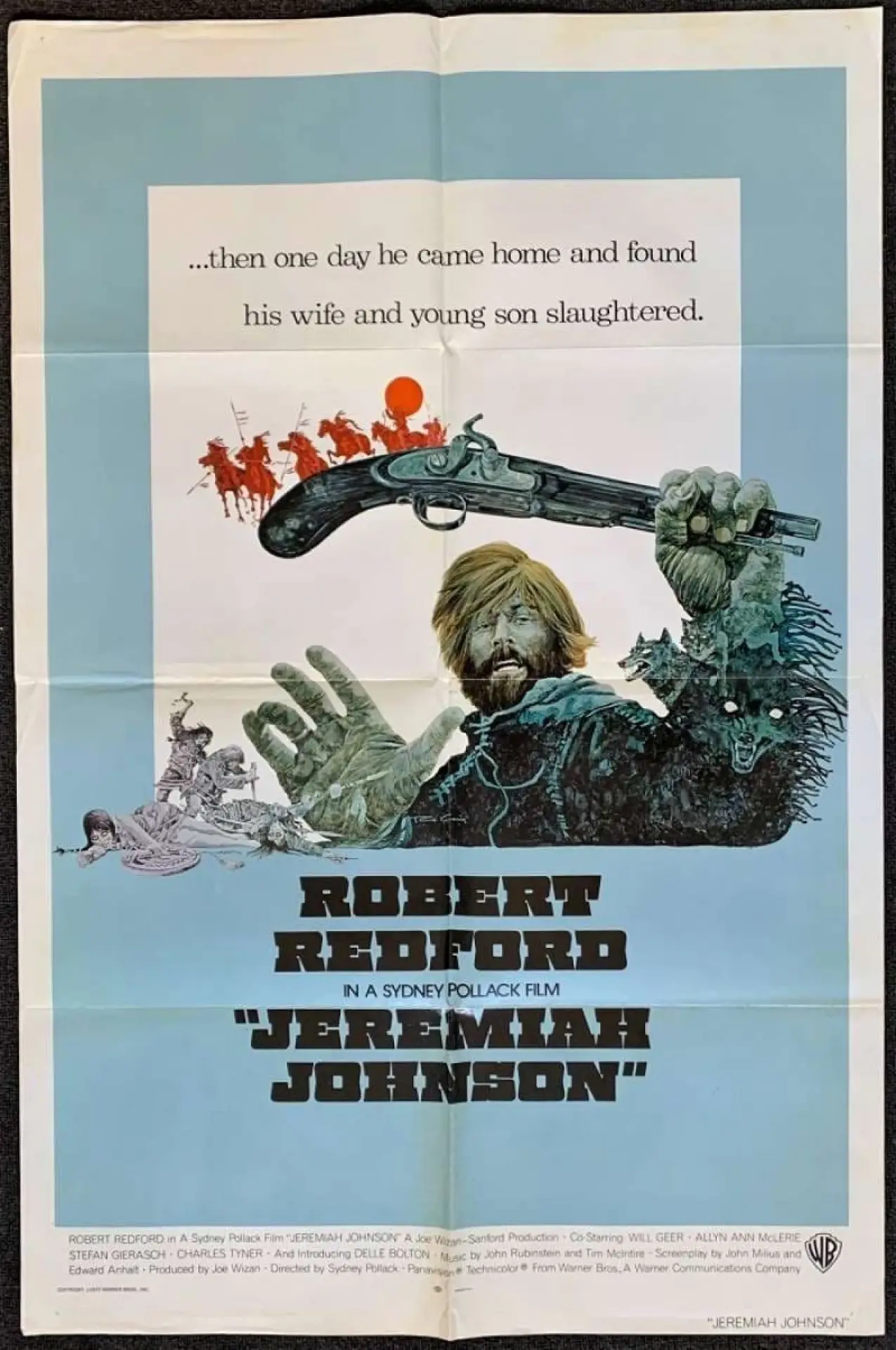
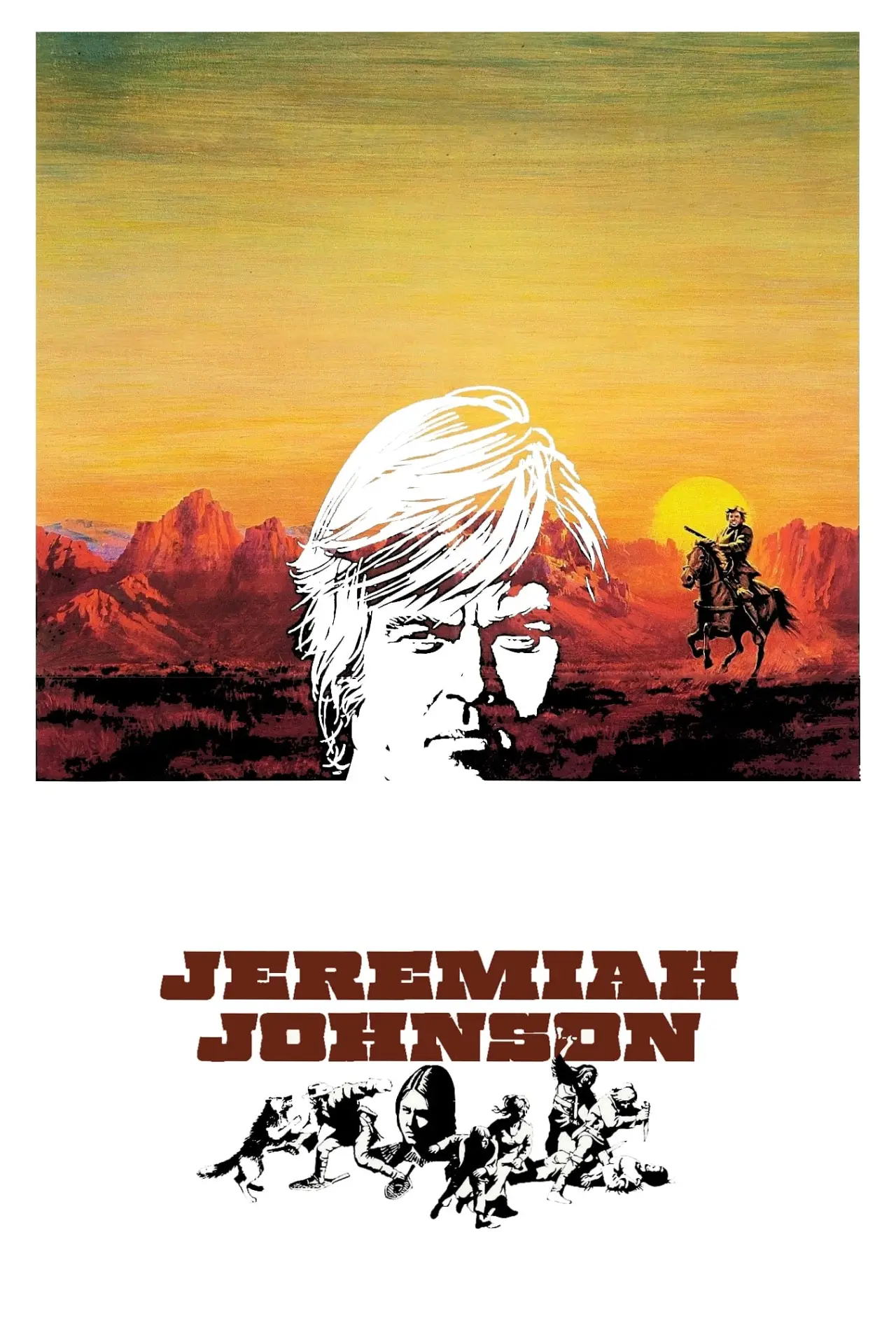
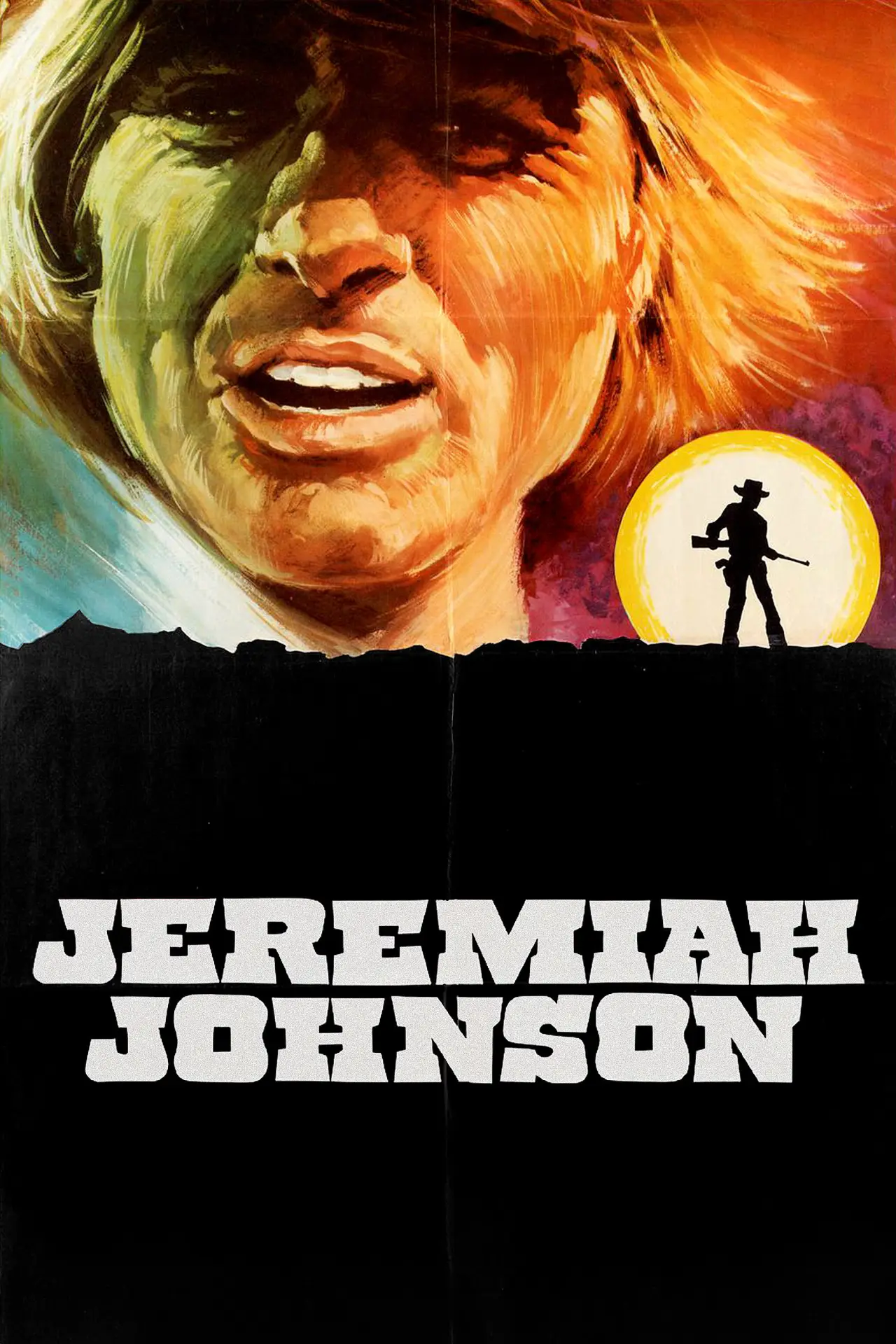
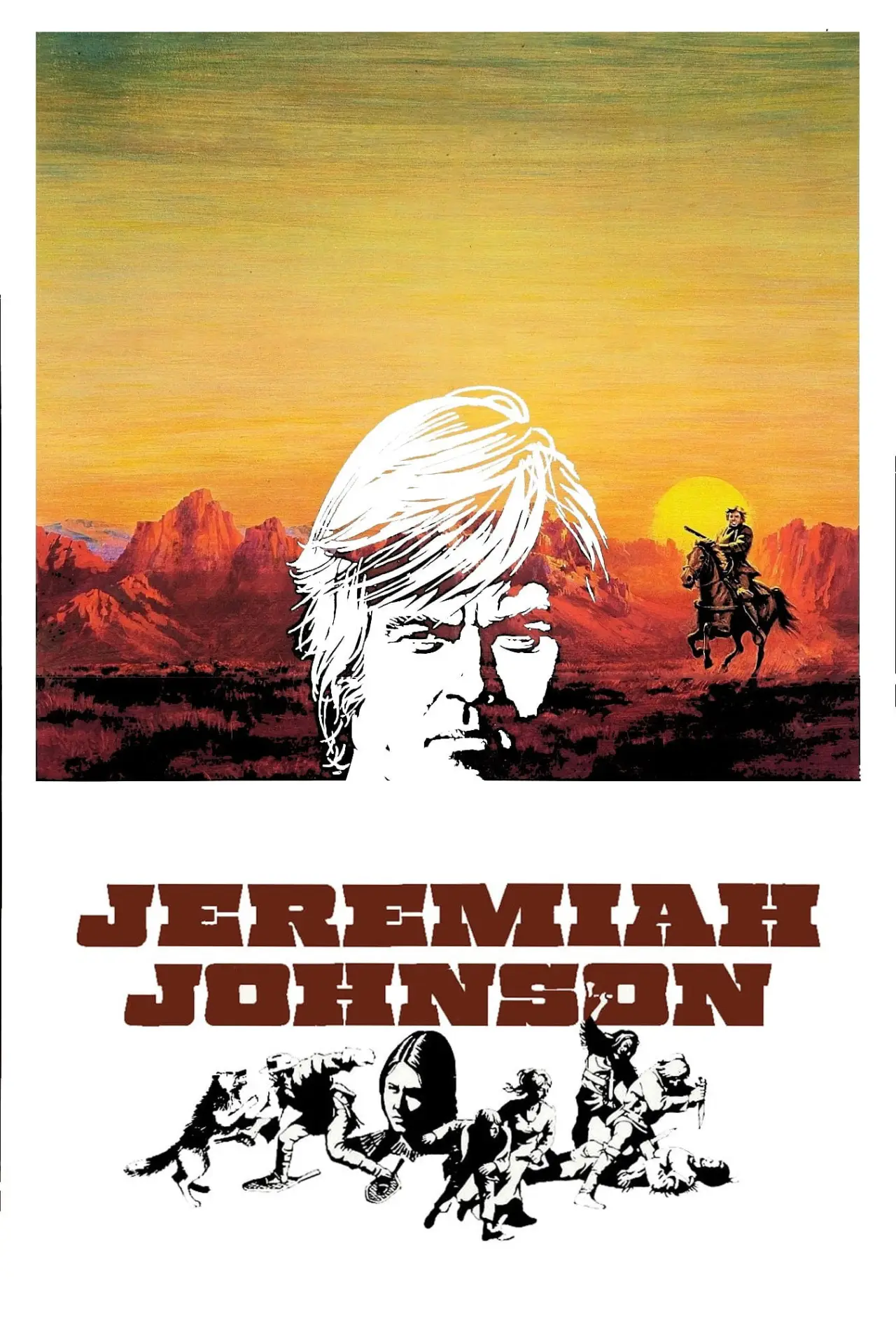
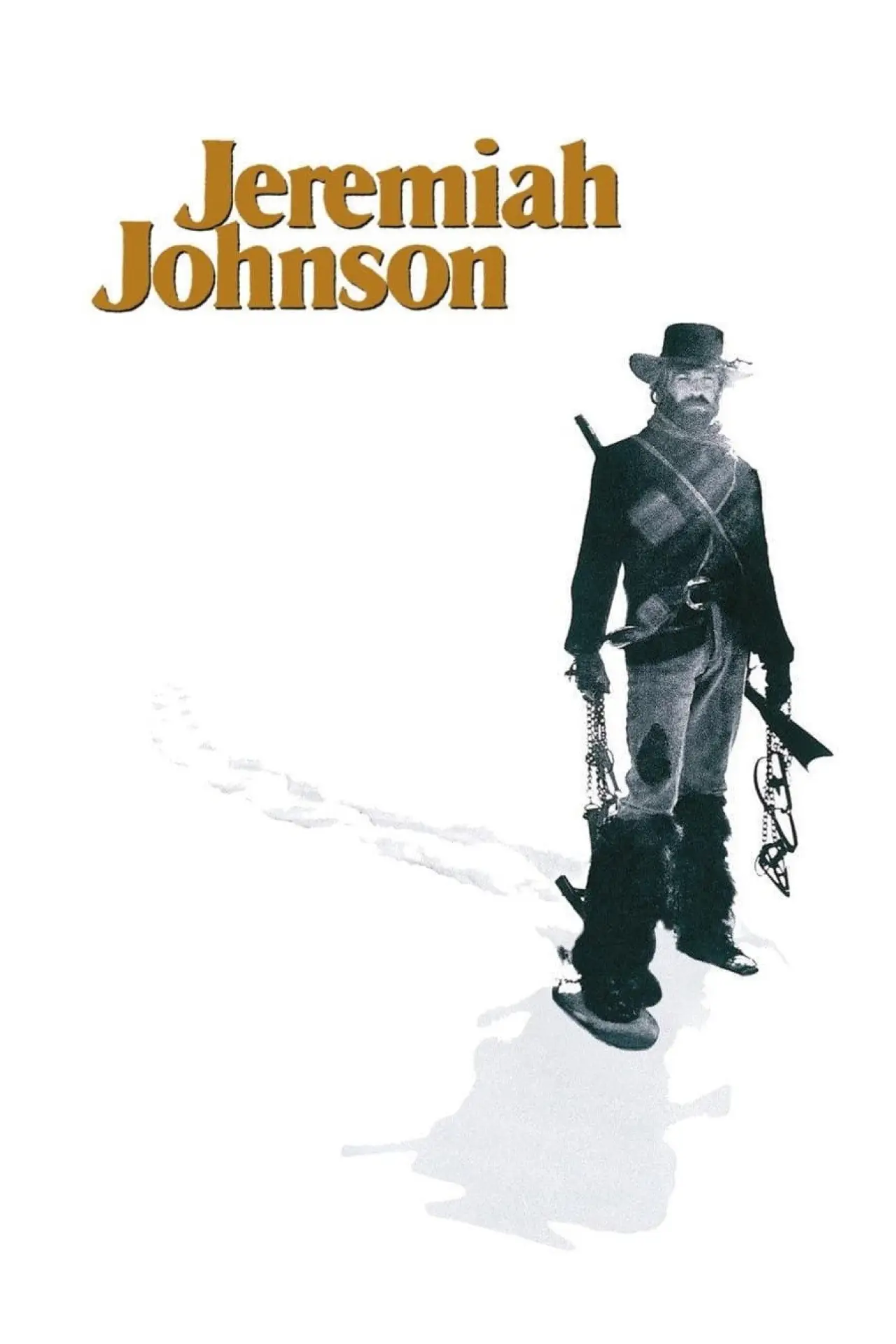
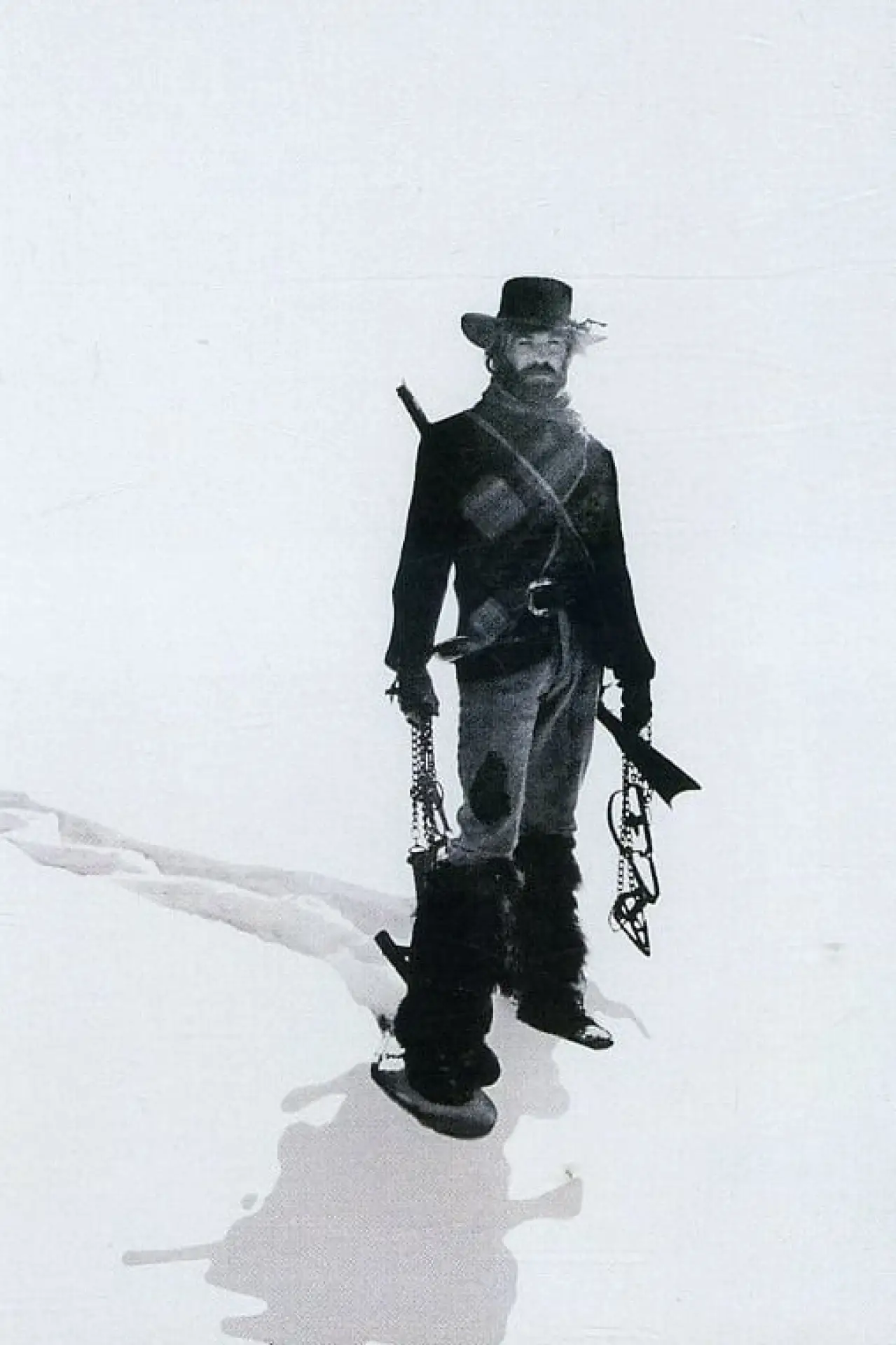
Poster to the movie "Jeremiah Johnson" #1059145K UHD 2700p
Poster to the movie "Jeremiah Johnson" #1059152K 1500p
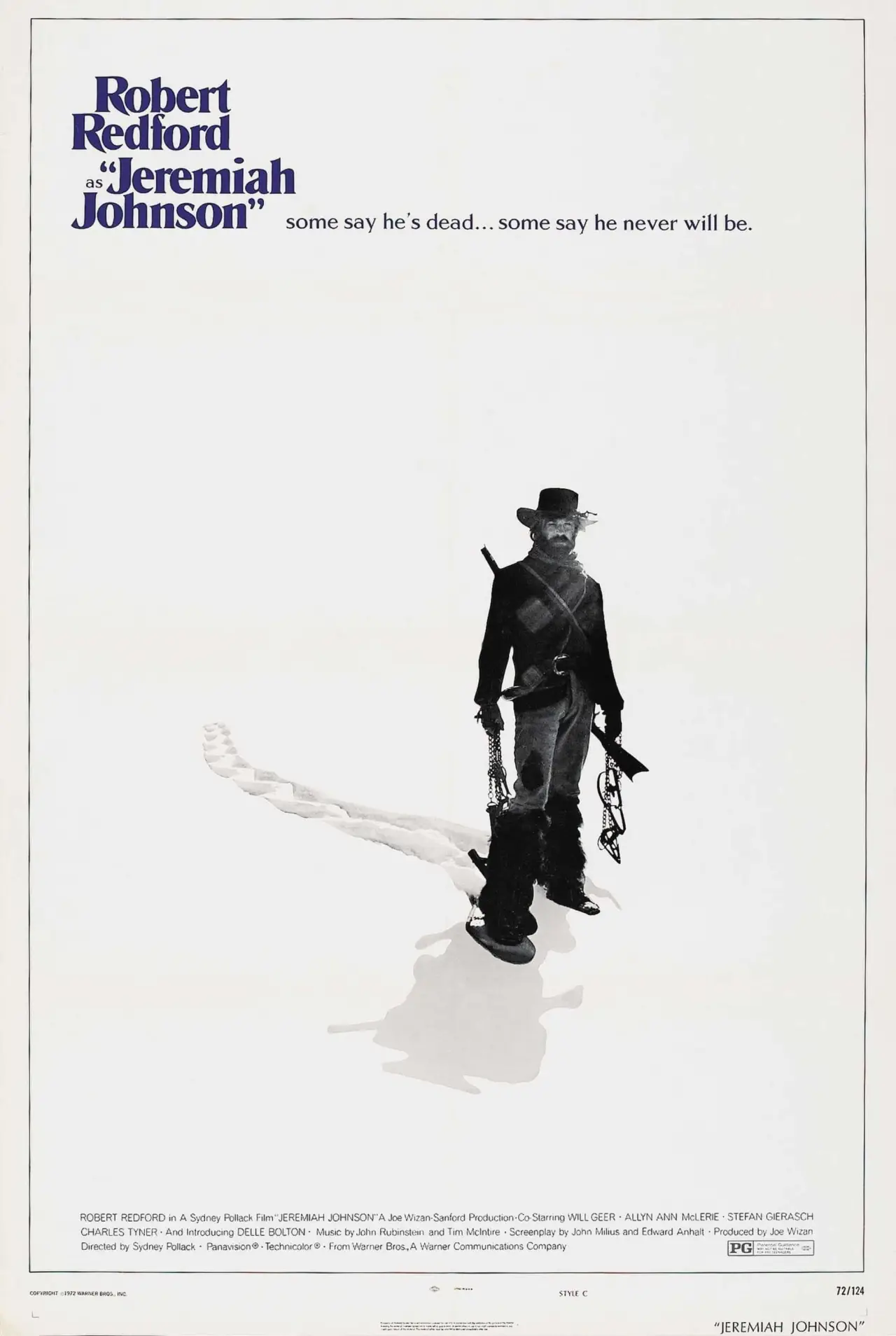
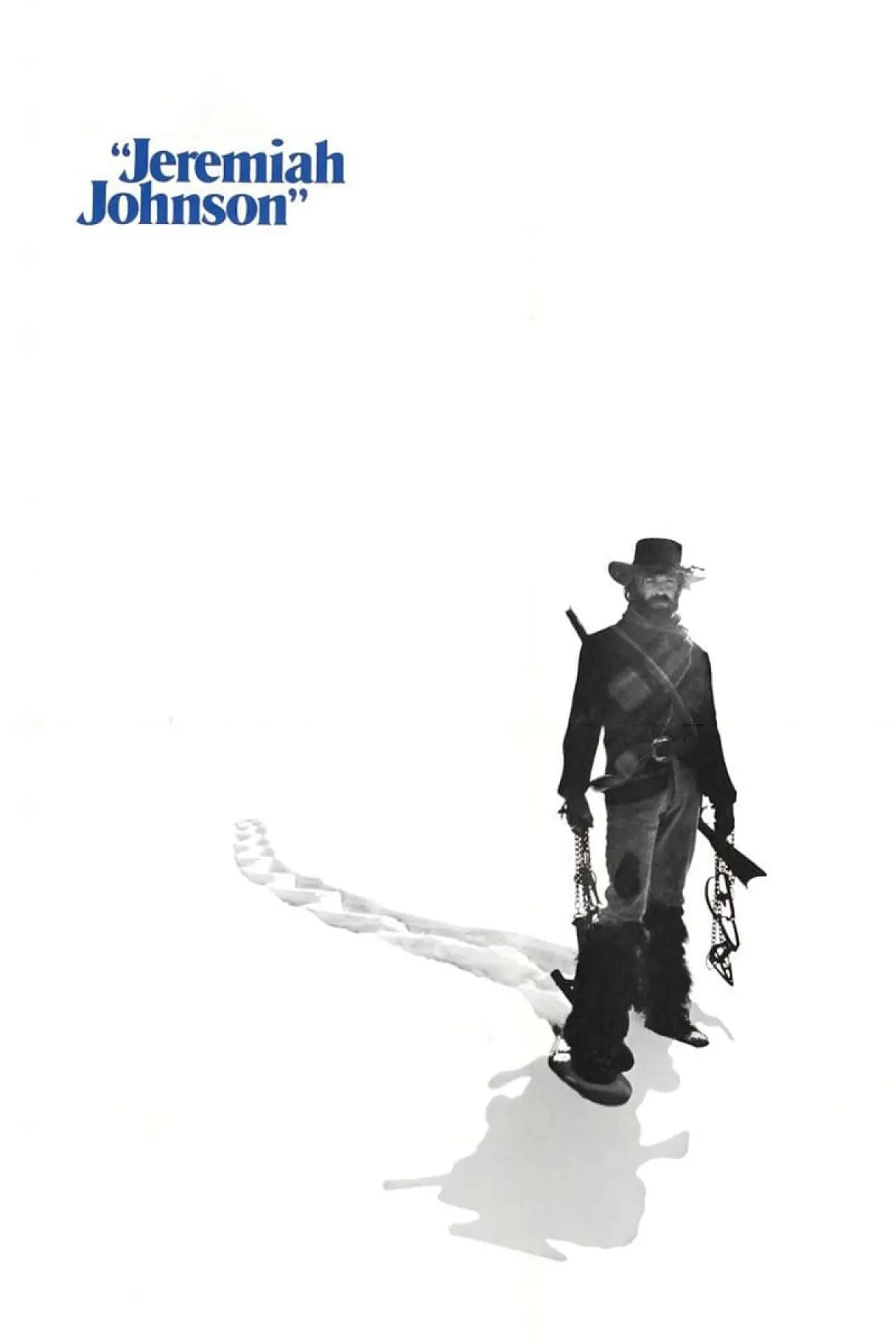
Poster to the movie "Jeremiah Johnson" #1059165K UHD 3000p
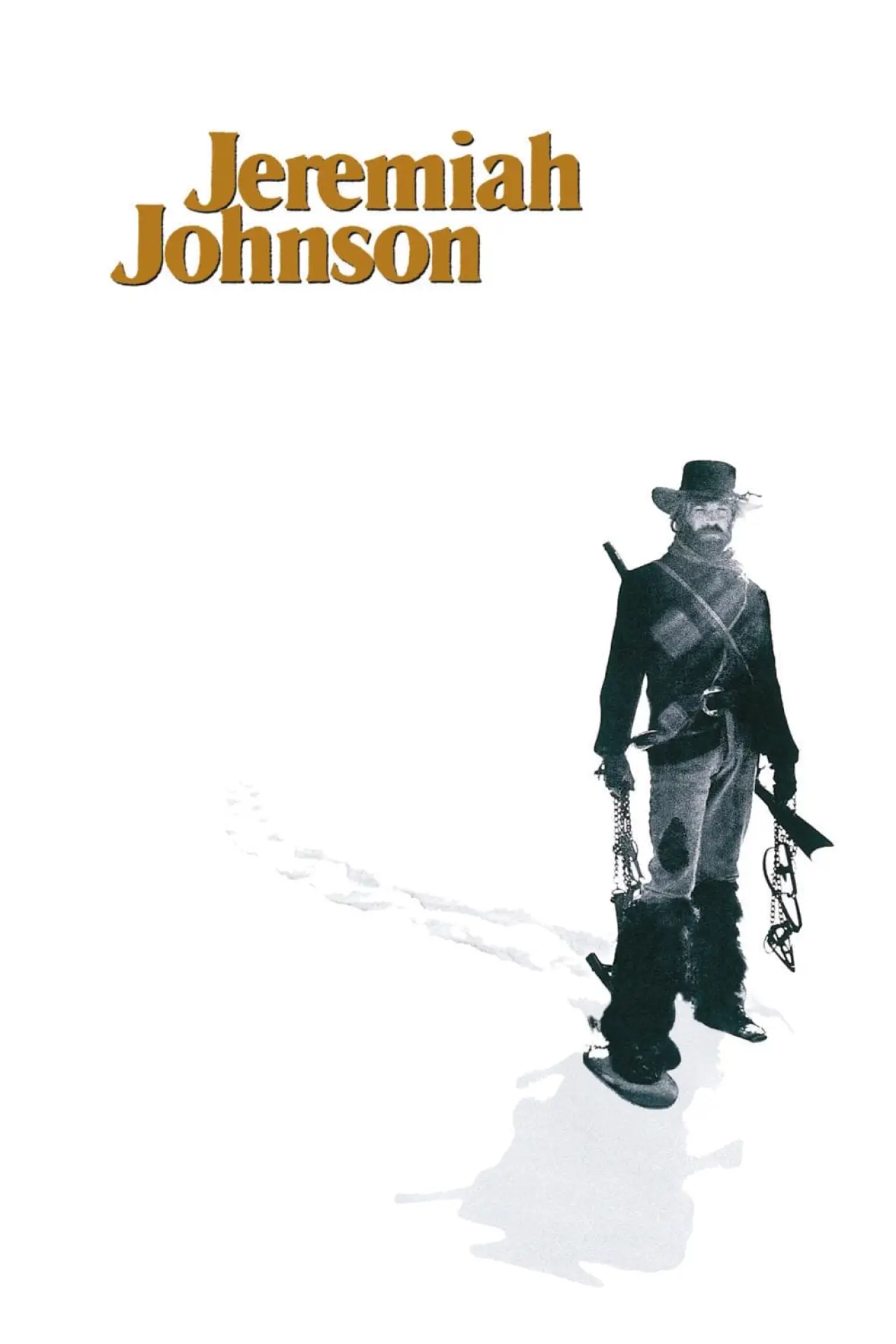
Poster to the movie "Jeremiah Johnson" #1059175K UHD 3000p
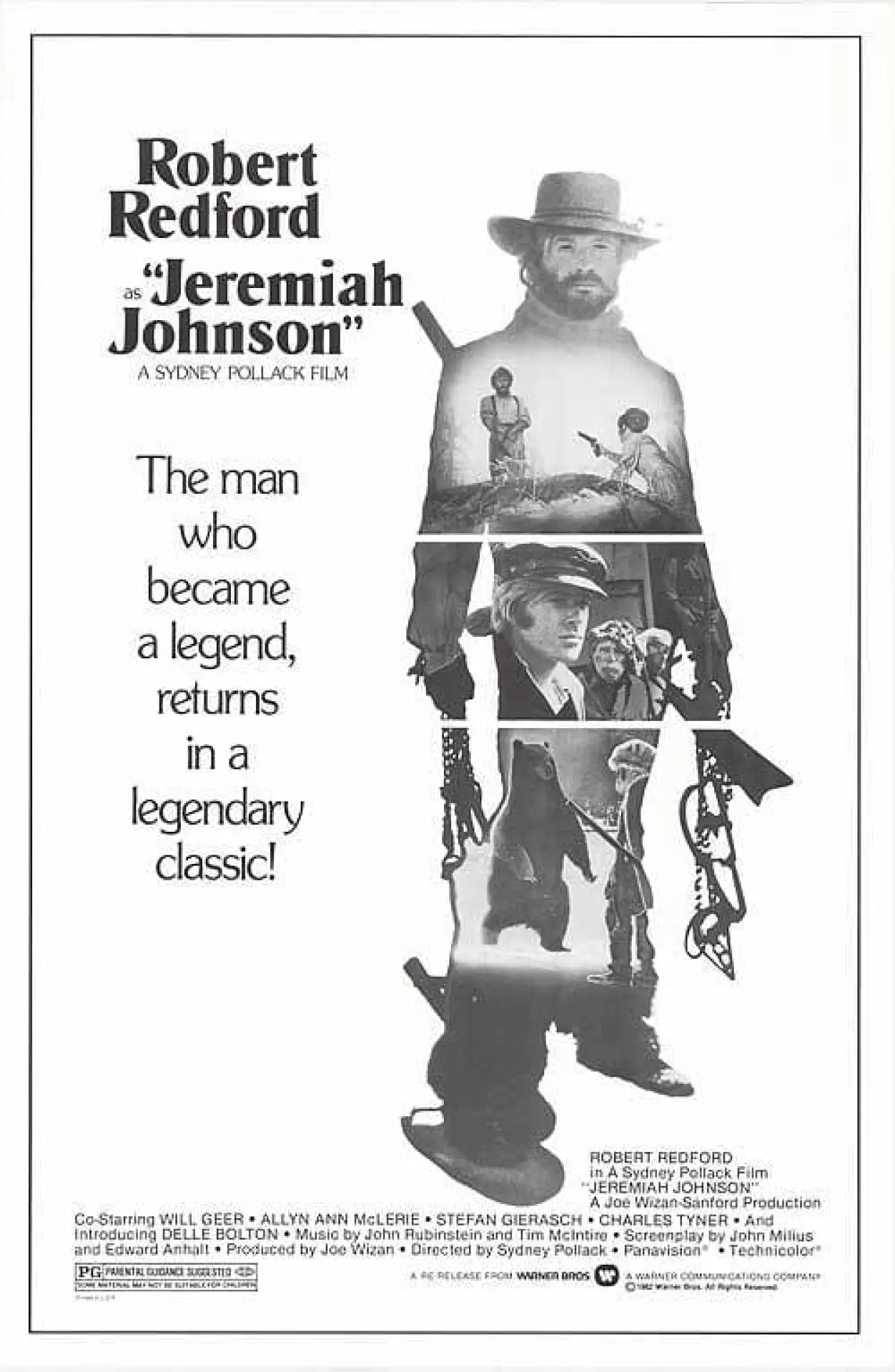
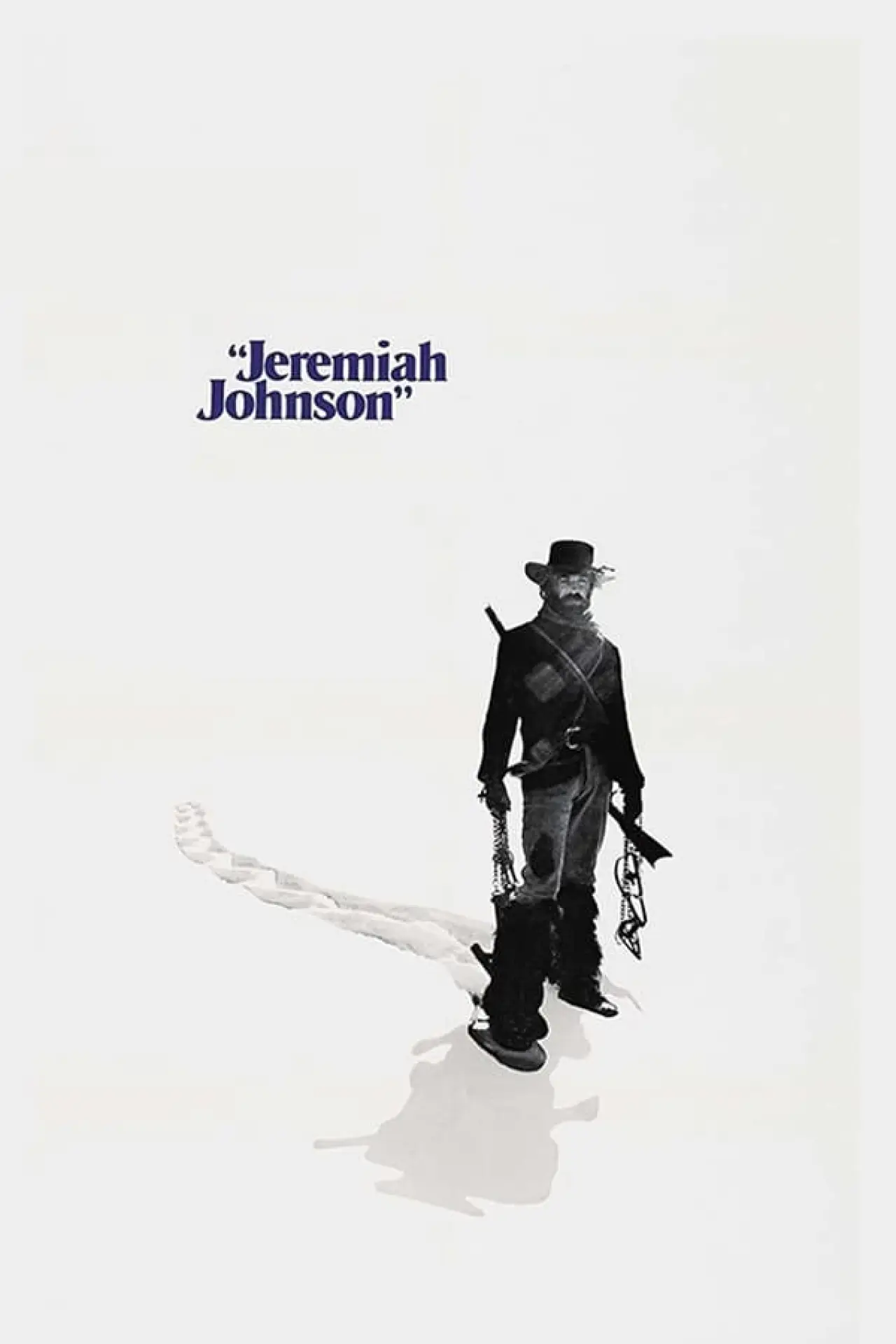
Poster to the movie "Jeremiah Johnson" #1059185K UHD 3000p
Poster to the movie "Jeremiah Johnson" #1059195K UHD 2950p
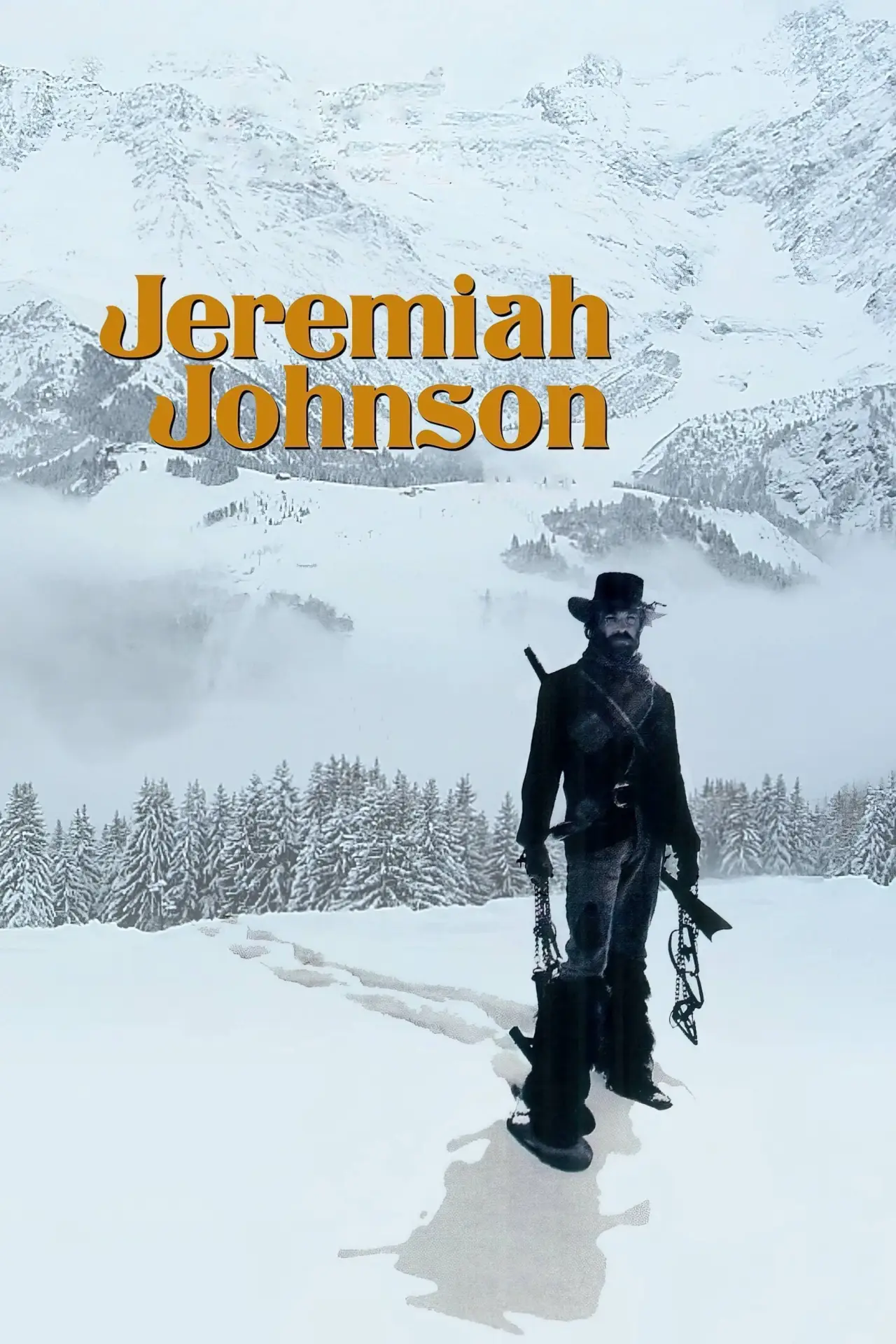
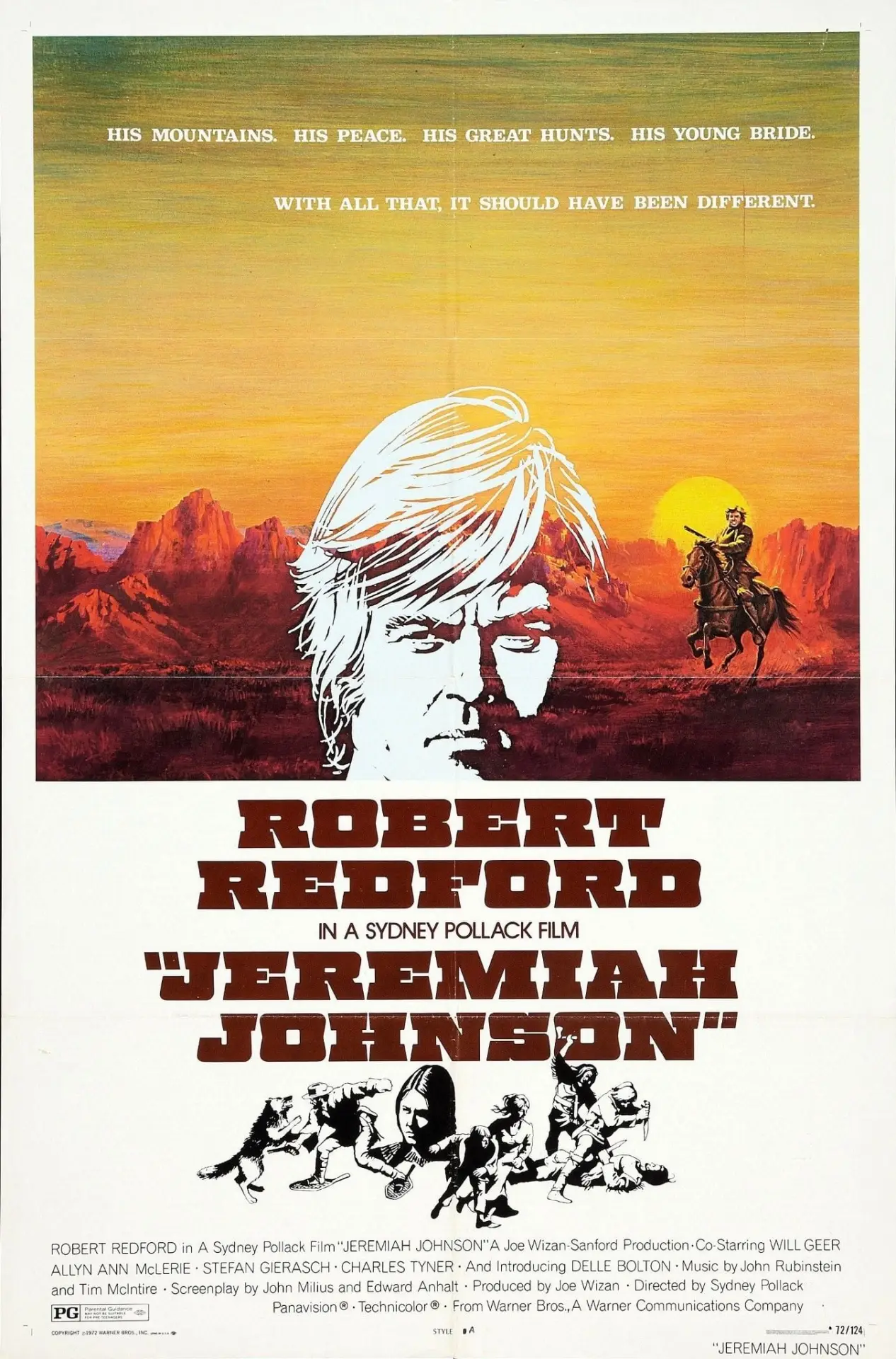
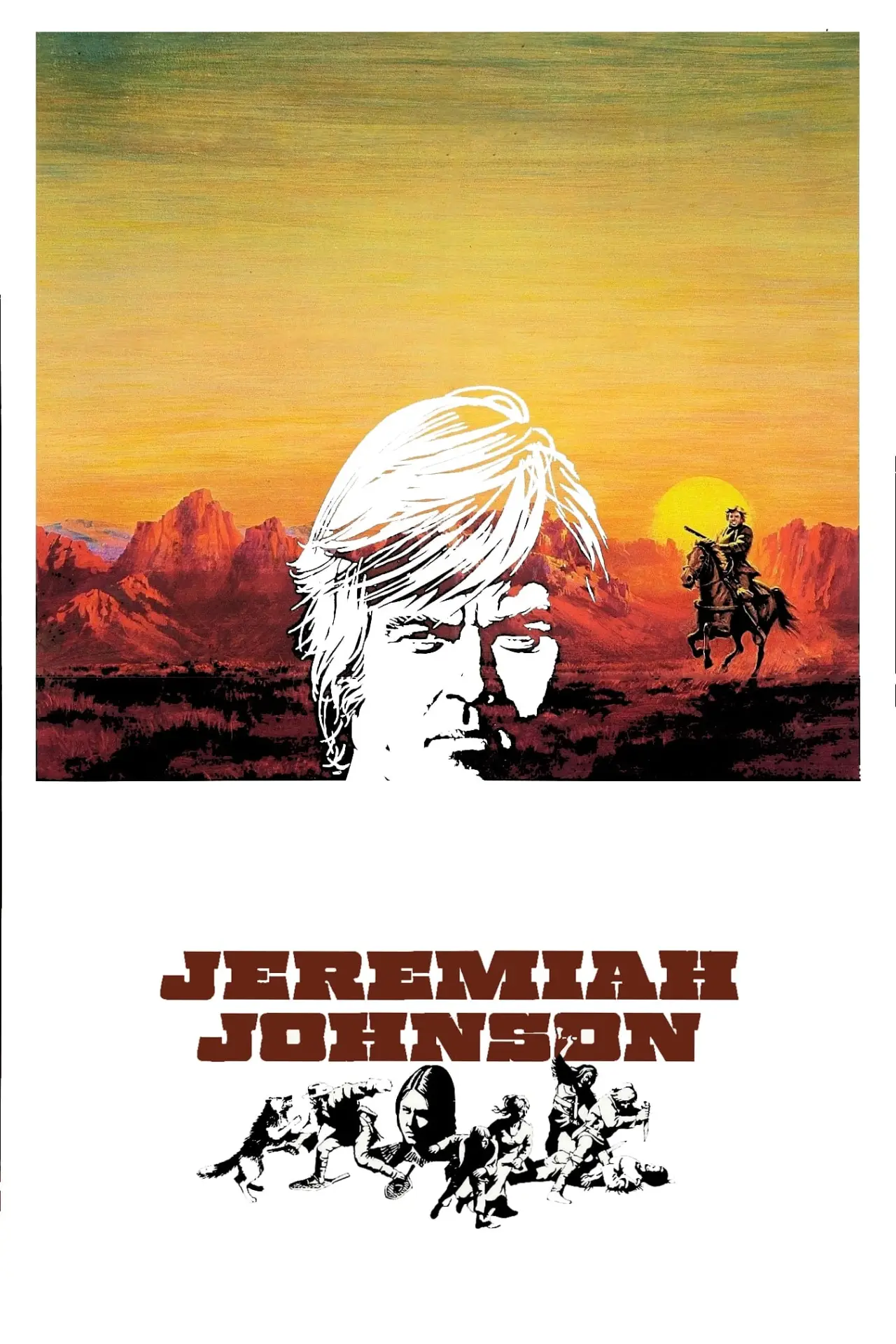
Poster to the movie "Jeremiah Johnson" #105920HD Ready 767p
Poster to the movie "Jeremiah Johnson" #1059213K 2048p
Poster to the movie "Jeremiah Johnson" #105922Full HD 1205p
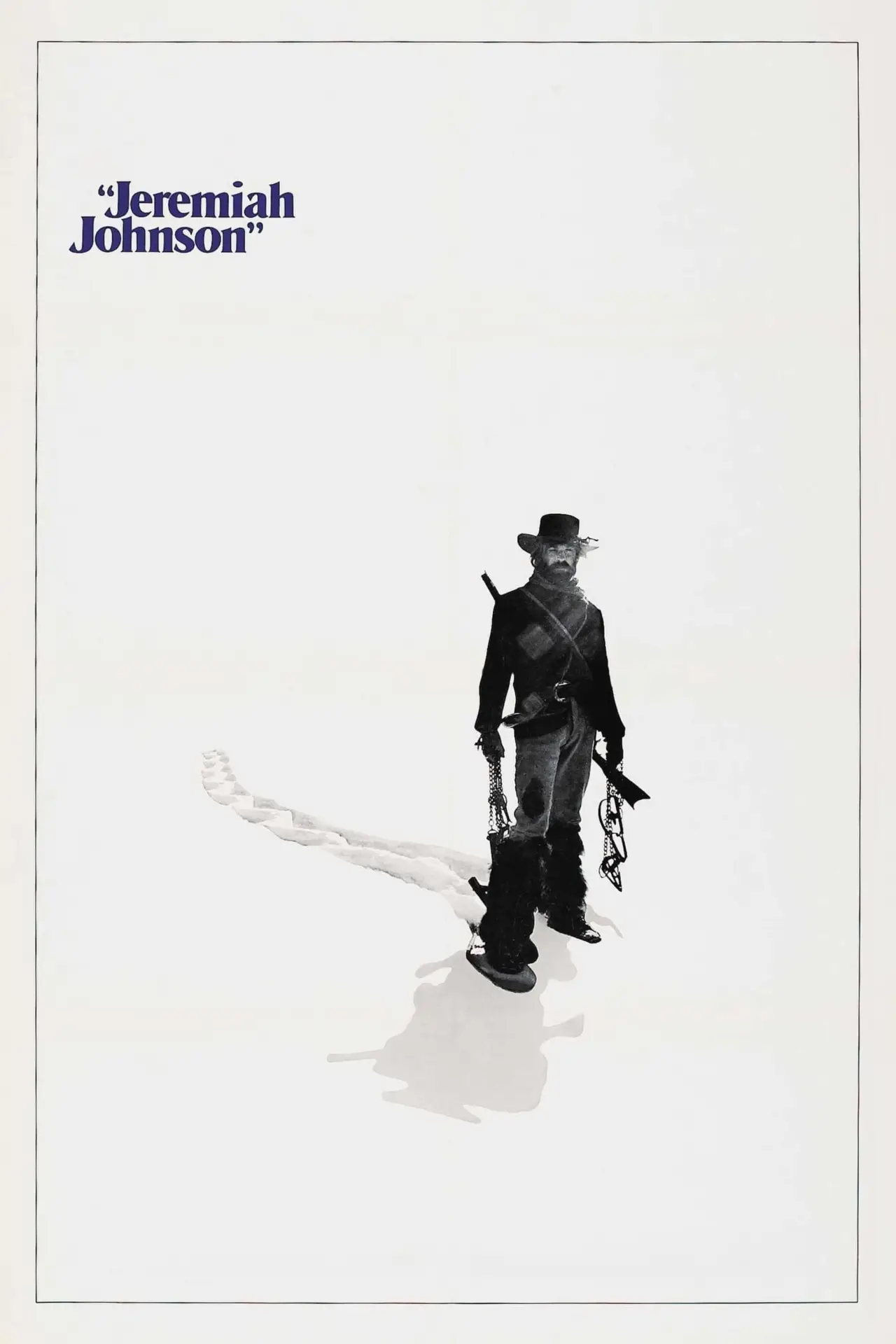
Poster to the movie "Jeremiah Johnson" #105923Full HD 1200p
Poster to the movie "Jeremiah Johnson" #105924HD Ready 900p
Poster to the movie "Jeremiah Johnson" #1059253K 2025p
Poster to the movie "Jeremiah Johnson" #1059263K 2025p
Poster to the movie "Jeremiah Johnson" #225878HD Ready 761p

Backdrops, wallpaper

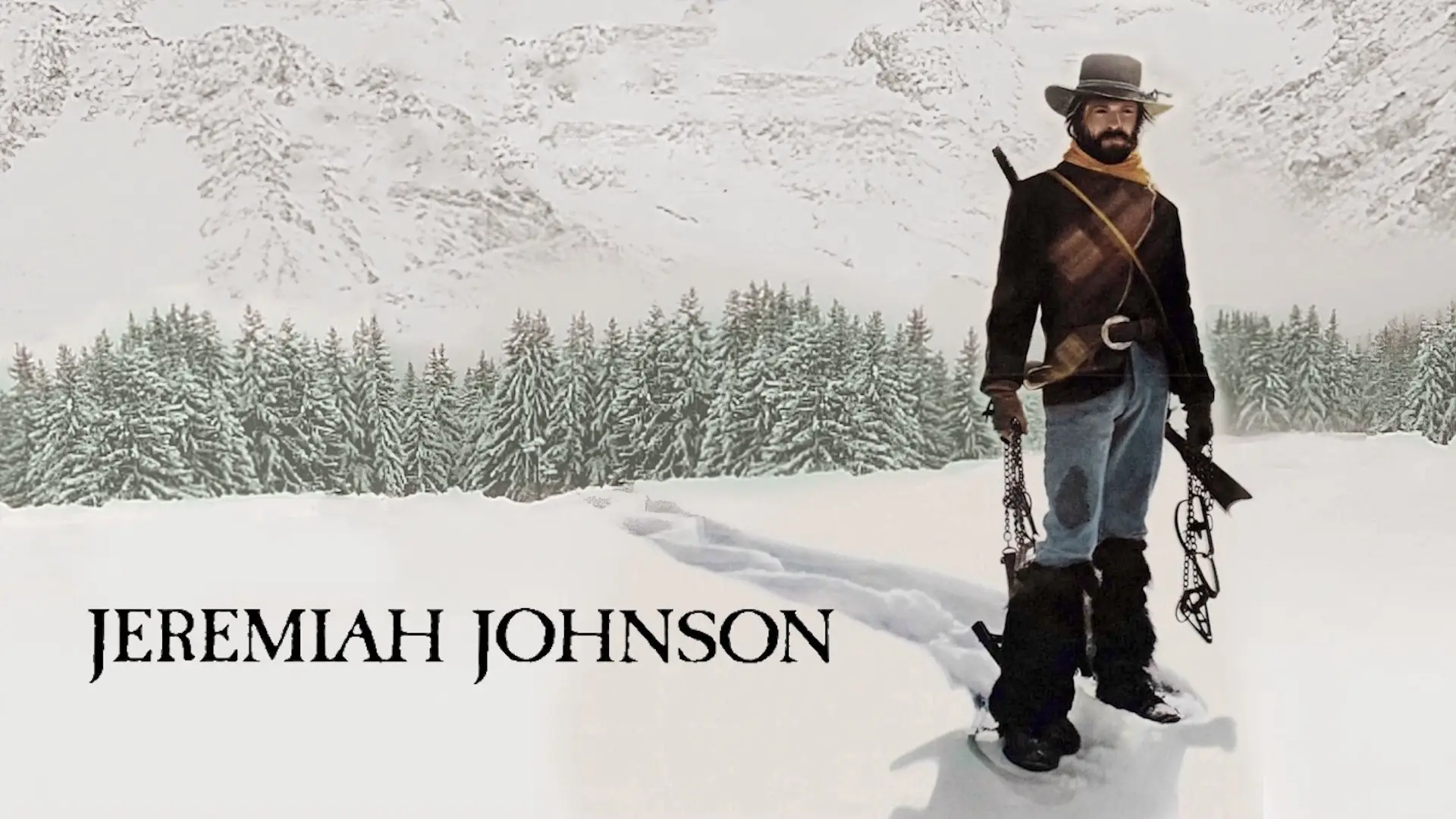
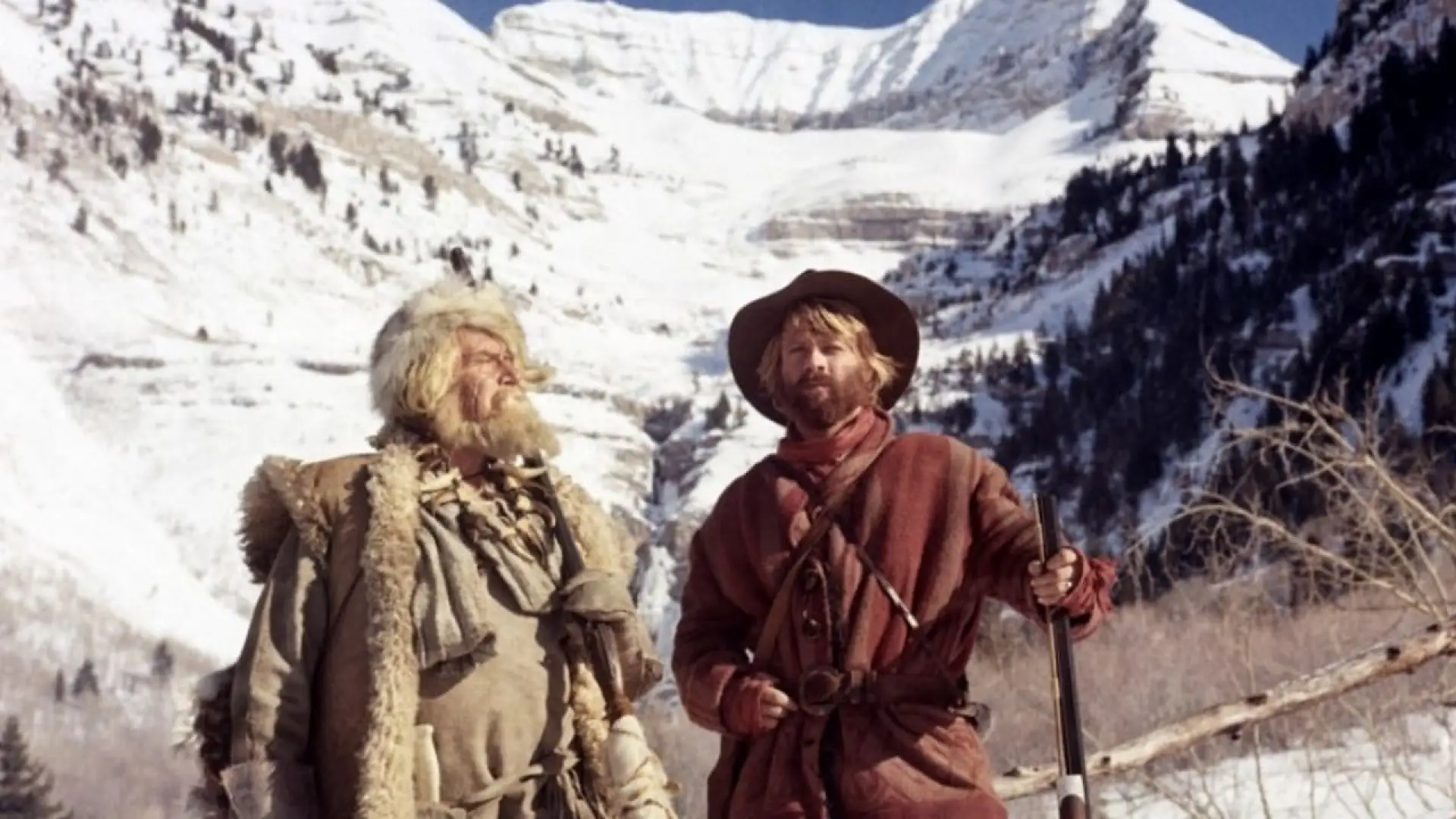
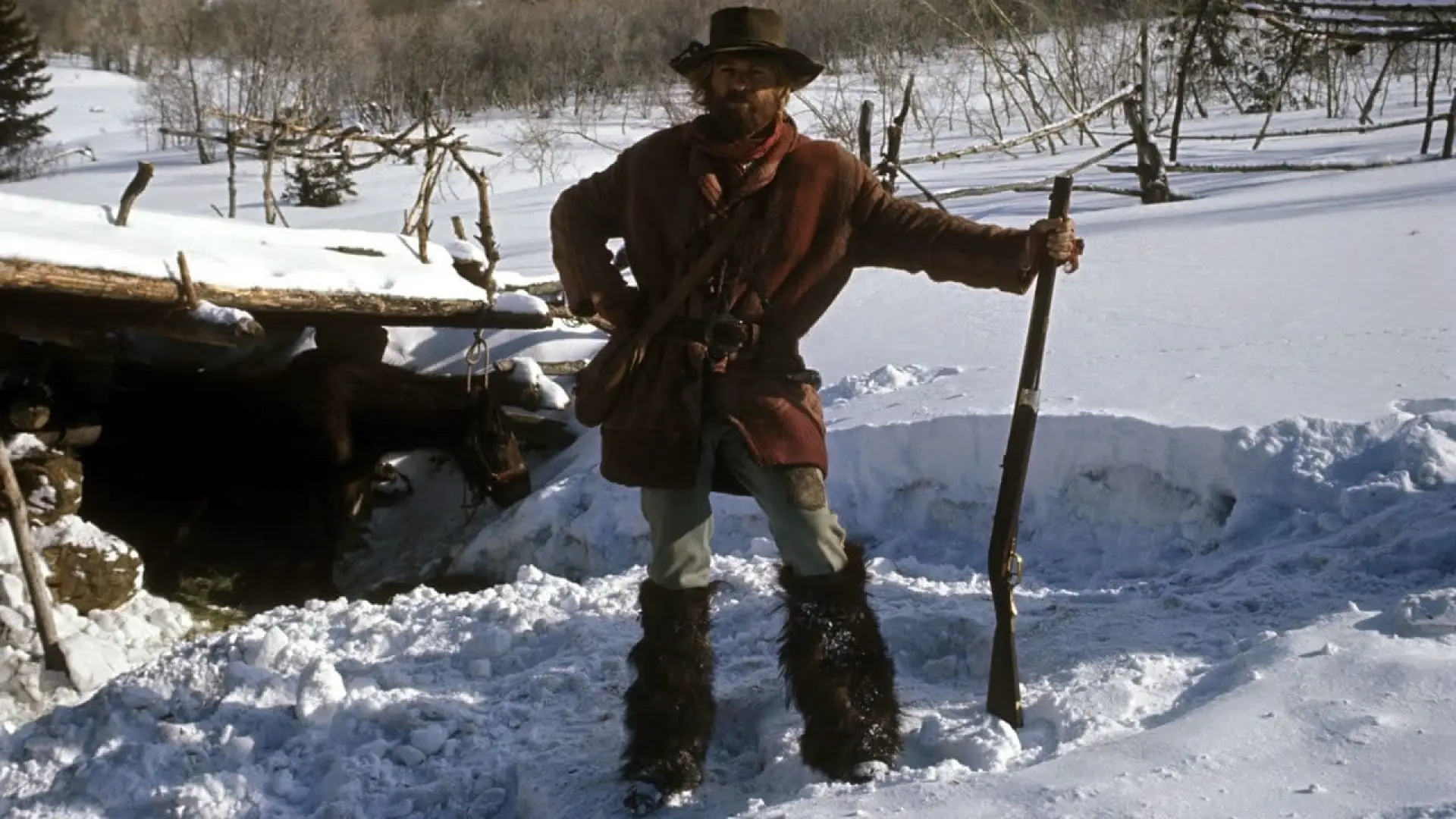
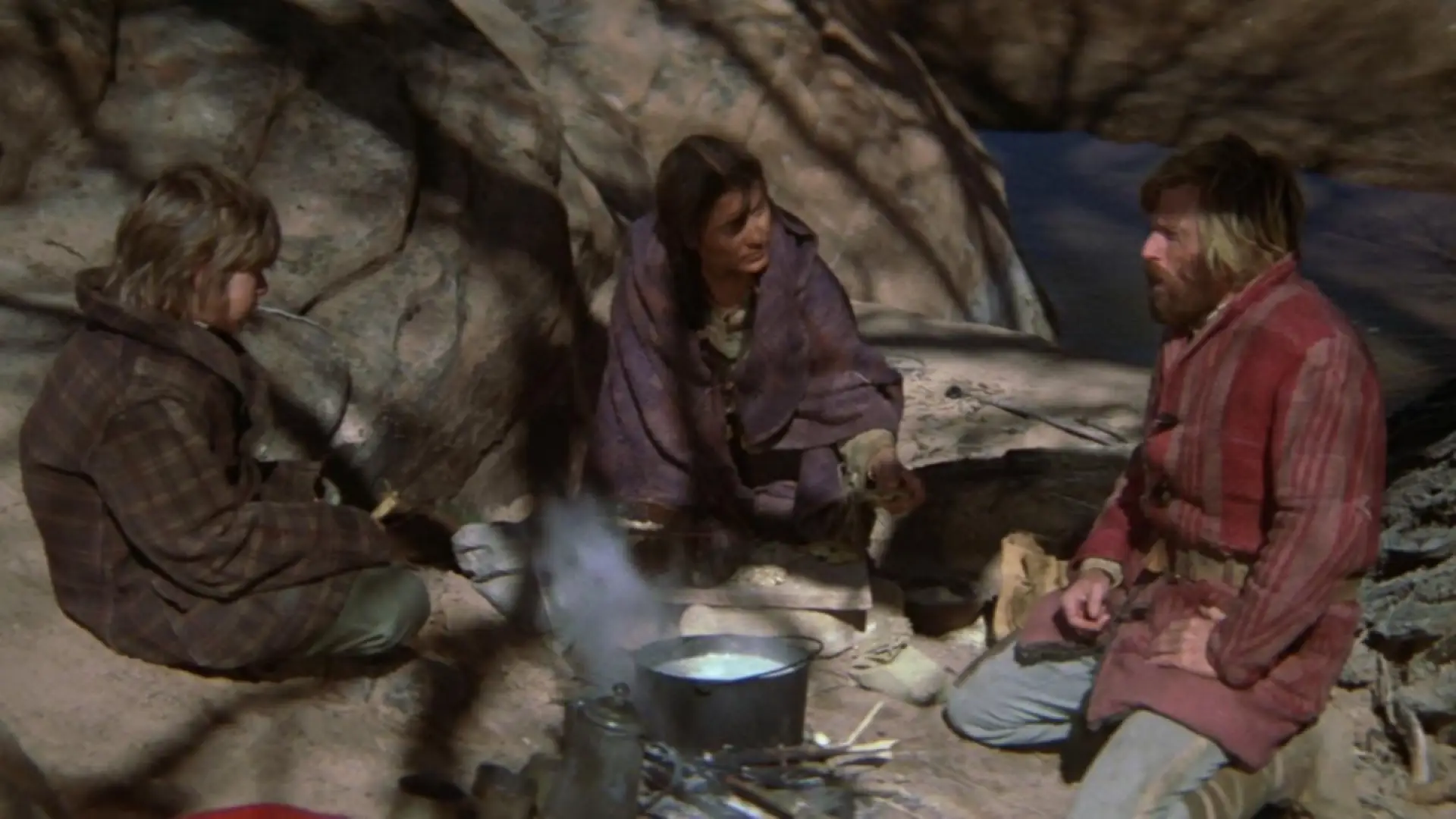
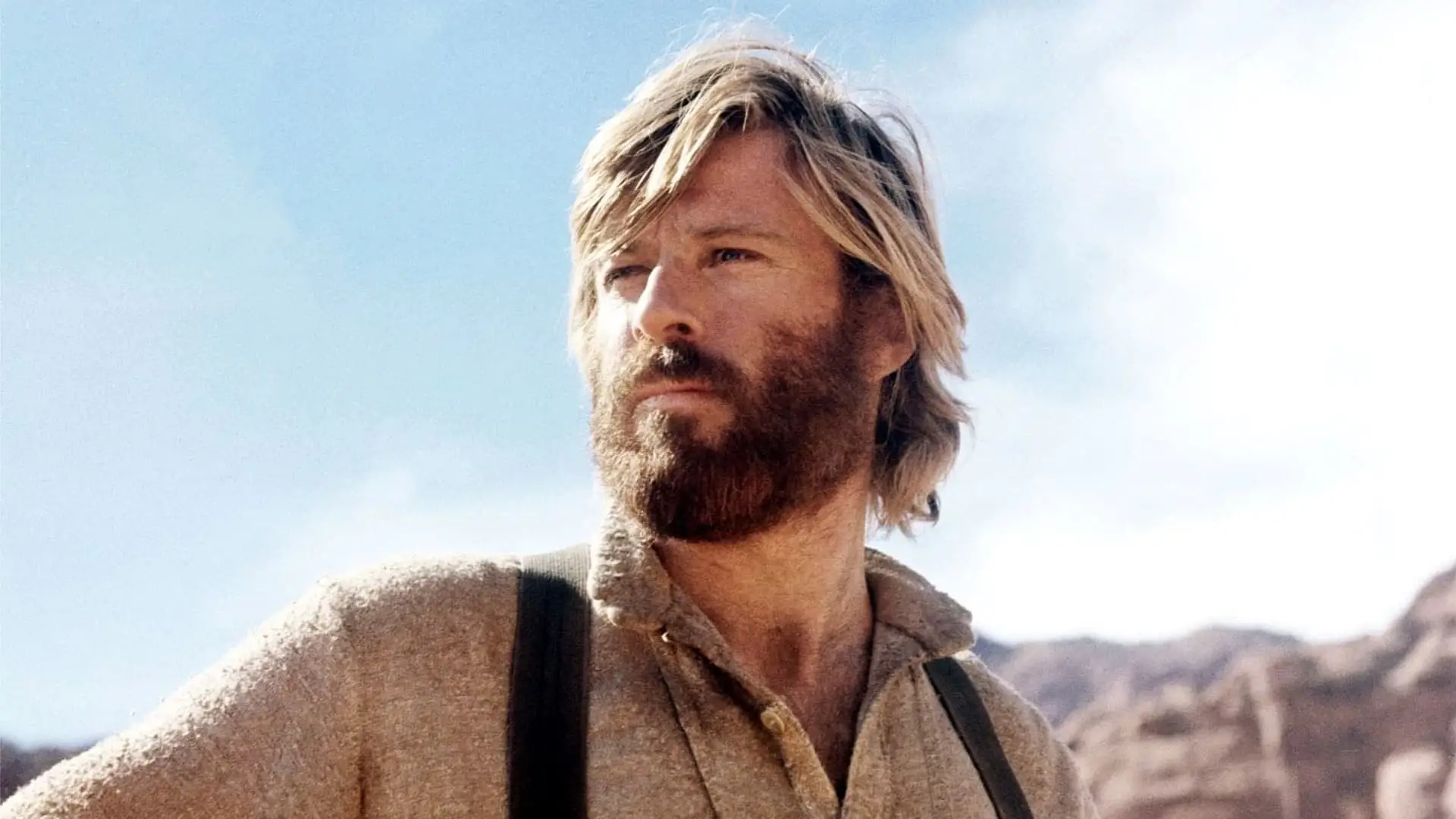
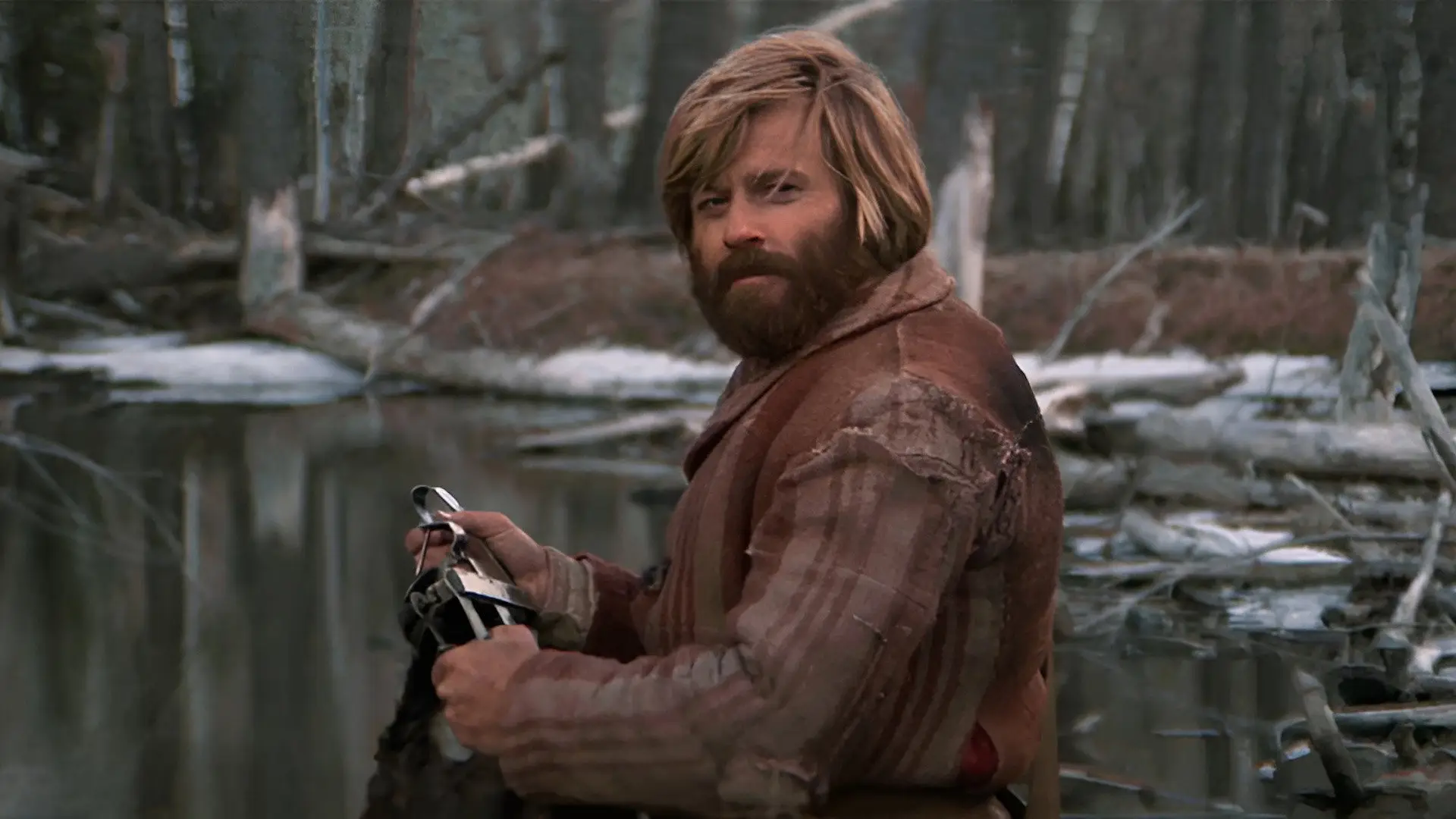
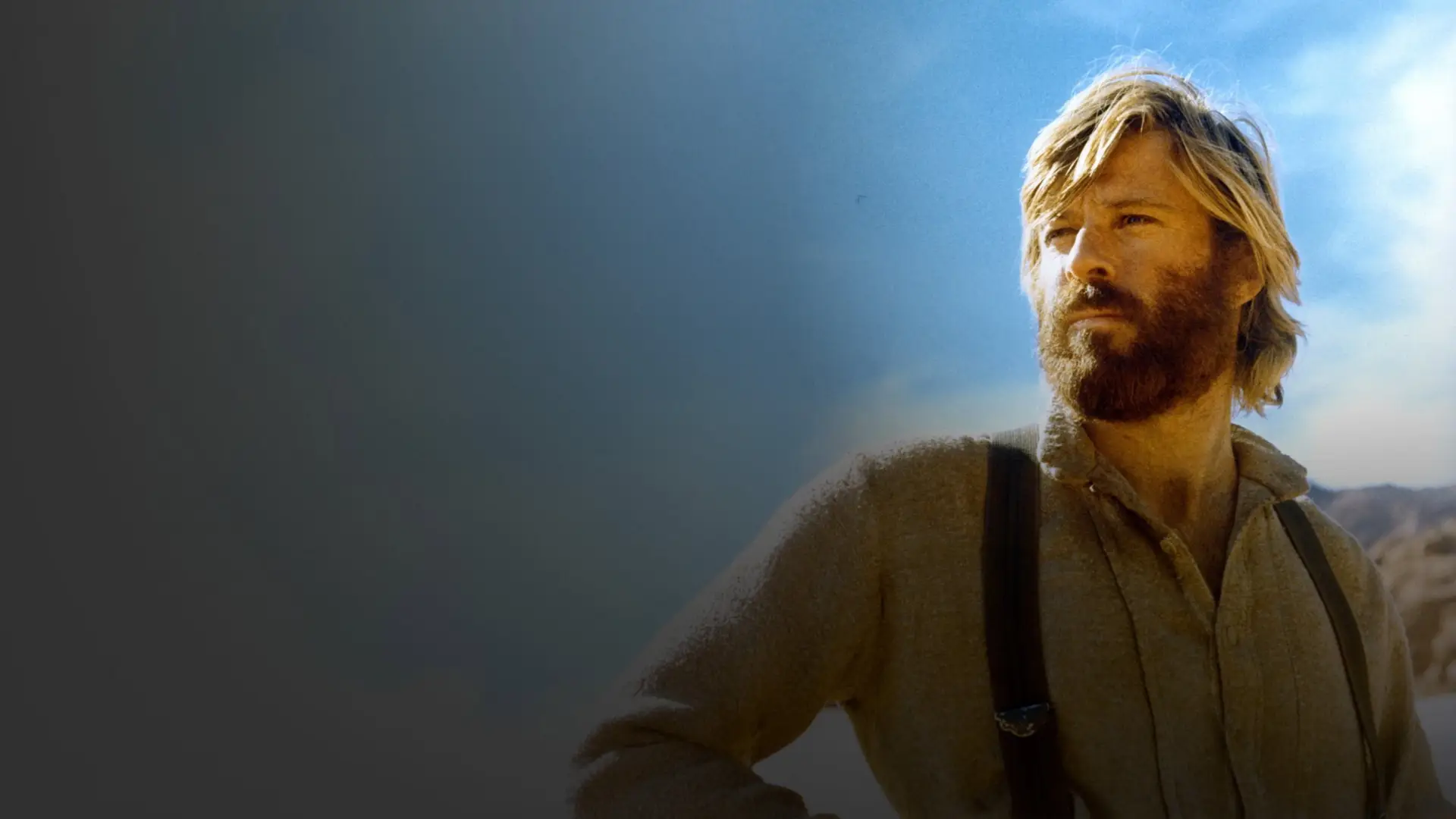
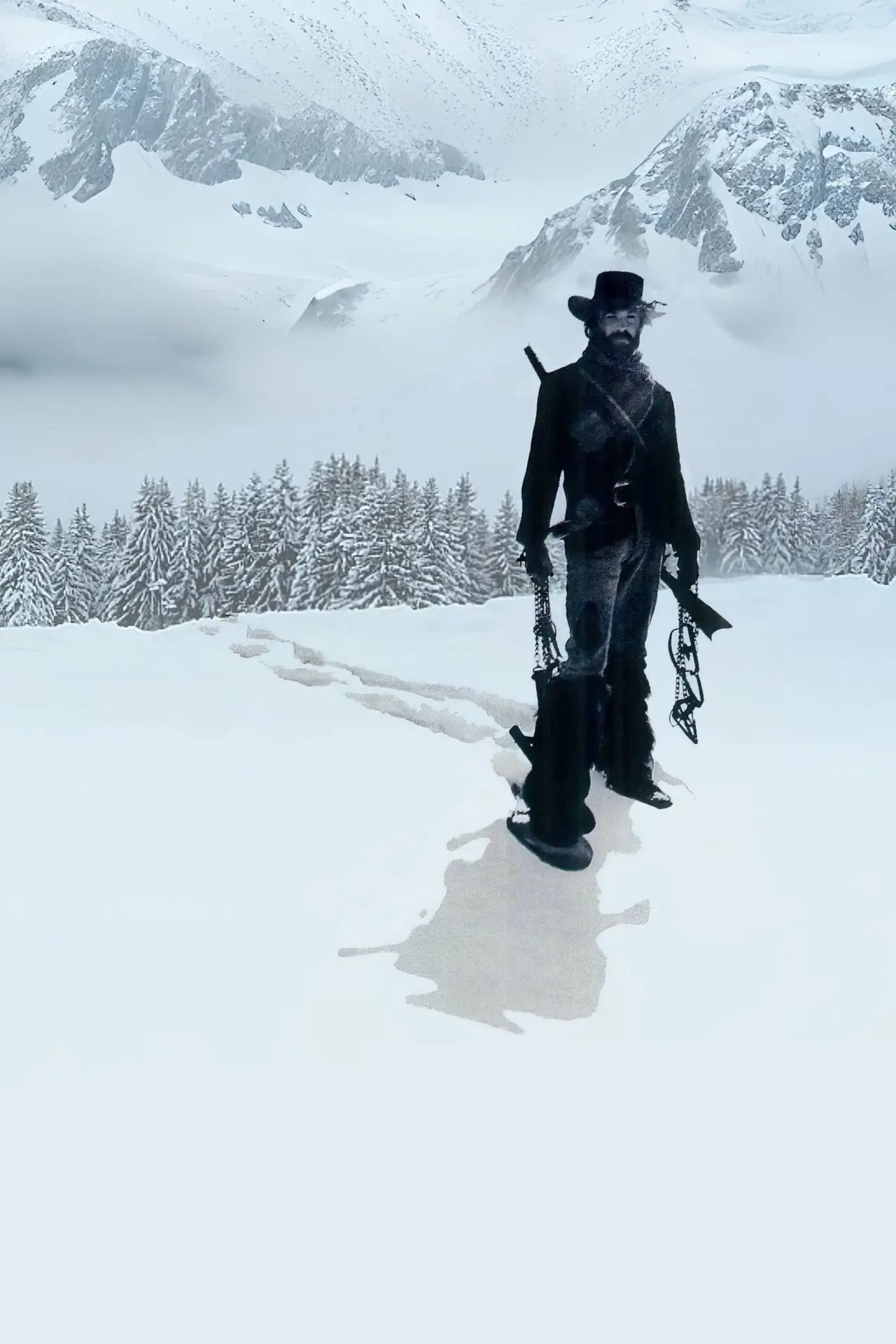
Backdrop to the movie "Jeremiah Johnson" #225872HD Ready 720p
Backdrop to the movie "Jeremiah Johnson" #225873HD Ready 720p
Backdrop to the movie "Jeremiah Johnson" #225874HD Ready 810p
Backdrop to the movie "Jeremiah Johnson" #225875HD Ready 720p
Backdrop to the movie "Jeremiah Johnson" #225876Full HD 1080p
Backdrop to the movie "Jeremiah Johnson" #225877Full HD 1080p

What's left behind the scenes

  • Director Sydney Pollack (1934-2008), producer Joe Wisen, and production designer Ted Haworth traveled over 40,000 kilometers in search of filming locations.
  • Having buried her loved ones, a distraught woman begins to sing the Christian hymn "Shall We Gather at the River." Jeremiah joins in. The hymn was written by Robert Lowry (1826-1899) in 1864, long after the events depicted in the film.
  • It was only at the very end of filming that Sydney Pollack decided how to conclude the story of Jeremiah Johnson, played by Robert Redford. In reality, this decision was made by the actor himself.
  • Fort Howly is mentioned twice in the film. In reality, it was Fort Hall, a trading post established in 1834 on the riverbank in what is now Idaho. Fort Howly did exist, but was located downstream from Fort Benton on the south bank of the Missouri, near its right tributary, the Mussel Shell.
  • The following national parks and forests in Utah are featured in the film: Uinta National Forest near Provo, Zion National Park near Springdale, Wasatch National Forest south of Salt Lake City, Snow Canyon State Park near Ivins, and Ashley National Forest near Vernal.
  • Throughout the film, the sounds of gunfire from modern weapons are heard – a sharp crack as the bullet exits at supersonic speed, not the boom produced by firearms using gunpowder, where the bullet travels at subsonic speed. Furthermore, modern smokeless powder is used in the shots, which was only invented around 1890.
  • In the 1970s and 1980s, Hollywood released several films about "mountain men," for example, "Man in the Wilderness" (Richard C. Sarafian, 1971), “Jeremiah Johnson” (1972), “The Life and Times of Grizzly Adams” (Richard Friedenberg, 1974), “The Mountain Men” (Richard Lang, 1980), “Deadly Pursuit” by Peter R. Hunt (1981), and “The Glory” (Charlton Heston, 1982).
  • The search for someone to play Lebed, Jeremiah’s wife, took three months. Delle Bolton was auditioning for another film when she interviewed alongside 200 Native American women and secured the role.
  • Locations that were inaccessible by car were scouted and selected from the air.
  • During filming, the outdoor temperature dropped to minus 3 degrees Celsius.
  • The number of filming locations almost reached a hundred.
  • According to Robert Redford, seven cases of frostbite, four cases of severe colds, and two cases of pneumonia were recorded during filming. And the film crew had only three cases of brandy.
  • A documentary film shot by Elliot Geisinger in 1972 states that 'Jeremiah Johnson' was filmed in Utah in places where no one had been before, except for the 'mountain men' featured in the film.
  • It is claimed that Robert Redford performed many of the stunts himself. He even paid the stunt guild to keep its members unemployed.
  • The film featured a large number of Native Americans in acting roles and as extras.
  • Filming began in January 1971, but a sharp deterioration in weather conditions interfered with the plans.
  • According to Sydney Pollack, filming the scene with the grizzly bear took over two weeks.
  • A real Native American encampment was built in a remote area of the mountains. Dinosaur bones had been found in those parts before.
  • Initially, Lee Marvin (1924-1987) was supposed to play Jeremiah, then Clint Eastwood, and Sam Peckinpah (1925-1984) was to direct. However, Peckinpah and Eastwood did not have a good working relationship, Peckinpah left the project, and Eastwood went to Don Siegel (1912-1991) to star in the police action film 'Dirty Harry' (1971). Warner Bros. got involved, the script was rewritten for Robert Redford, and he convinced Sydney Pollack to take on directing, having worked with him in 1996 on 'Broken Arrow'.
  • The search for an actress for the role of Lebed' took about three months.
  • In 1972, the film was included in the competition program of the Cannes Film Festival. It was the first Western to be included in the competition program in Cannes.
  • Del Gyu, played by Stefan Giraš, is buried in the sand, and initially he is shown completely sweaty. A minute later, his head is already almost dry.
  • John Milius was paid $5,000 for the first draft of the script. He subsequently made numerous revisions and rewrites to the script, earning a total of around $80,000 as a result.
  • The film's screenplay is based on the short story "The Crow Killer" (1958) by Raymond W. Thorpe and Robert Bunker, and the novel "Man of the Mountains" (1965) by Vardis Fisher.
  • The film tells the story of the real hunter John Johnson, known as "Crow Killer" and "Liver-Eating Johnson," for eating the livers of the Crow tribe Indians he killed after they killed his wife, and he vowed revenge.
  • Screenwriter John Milius recounted that he didn't get along with Robert Redford and Sydney Pollack, and was eventually fired. It turned out, however, that no one else could write it like that, and the only one who brought something worthwhile to the script was Edward Anhalt (1914-2000). Anhalt later left the project, and Milius returned.
  • In reality, the 'mountain men' in the Rocky Mountains spoke a mixture of Spanish, French loanwords from St. Louis, and a dialect of English spoken in the Wild West.
  • Robert Redford worked hard even off-camera during filming. According to Sydney Pollack, he 'constantly rode a snowmobile and dug us all out.'
  • At the beginning of the film, a grizzly bear is shown chasing one of the characters, and this happens in winter. In fact, grizzly bears hibernate all winter, and this period lasts from 5 to 7 months of the year.
  • In the final shot, showing Jack, you can see the actor breathing even though the character is already dead.
Did you like the film?

© ACMODASI, 2010-2026

All rights reserved.
The materials (trademarks, videos, images and text) contained on this site are the property of their respective owners. It is forbidden to use any materials from this site without prior agreement with their owner.
When copying text and graphic materials (videos, images, text, screenshots of pages) from this site, an active link to the site www.acmodasi.in must necessarily accompany such material.
We are not responsible for any information posted on this site by third parties.