Pink Floyd: The Wall





Short description
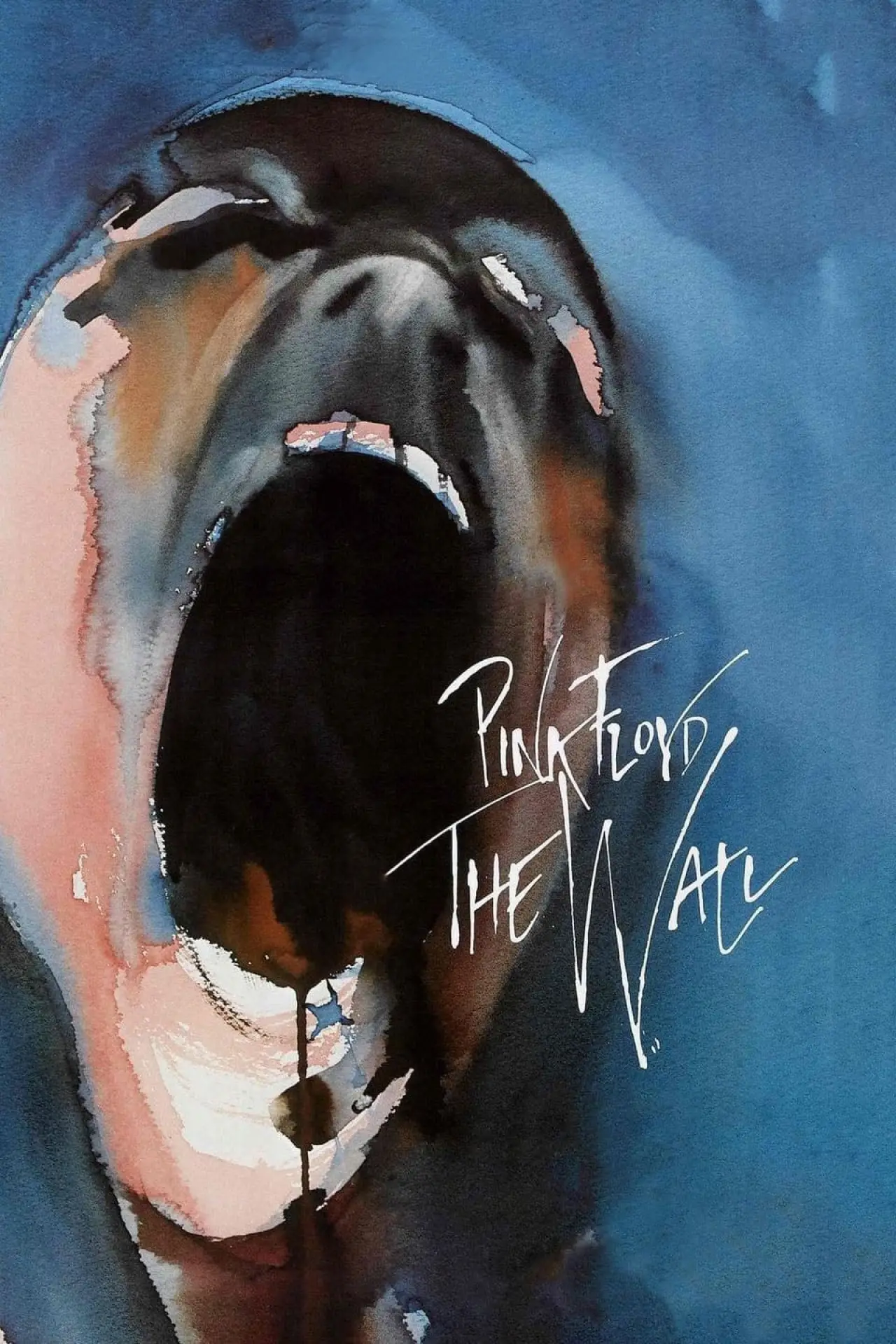
Pink Floyd: The Wall follows Pink, a rock musician shut away in a Los Angeles hotel room as he drifts between memory and hallucination. Scenes from his childhood, the death of his father in the Second World War, an overbearing mother and a failing marriage mix with his present isolation and drug use. The film moves between live action and animated sequences, and the songs of Pink Floyd carry the story rather than conventional dialogue.
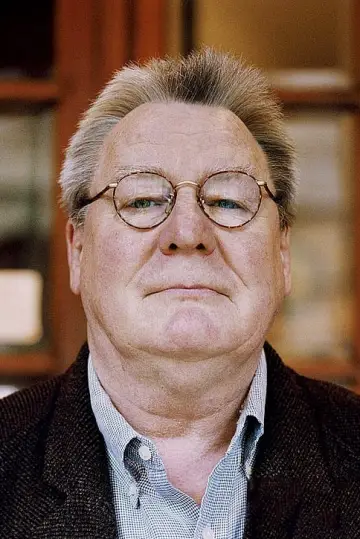
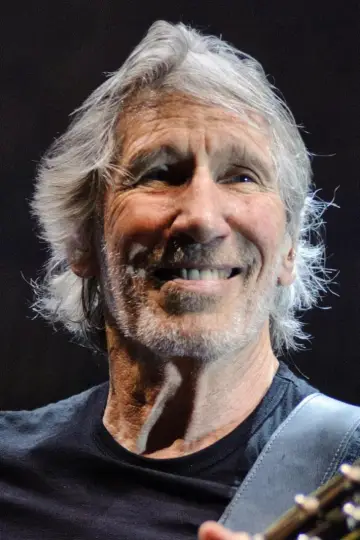
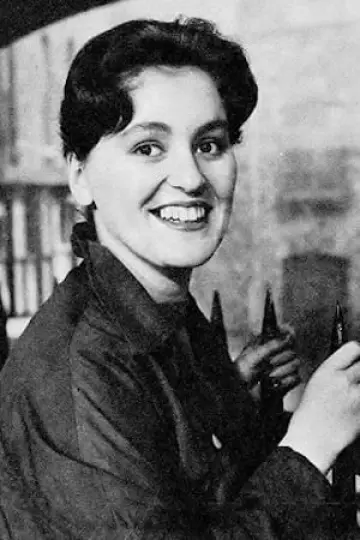
Alan Parker directed from a screenplay by Roger Waters, who wrote the Pink Floyd album the film is based on. It was Parker's fourth feature, arriving between Fame and Birdy. Bob Geldof plays Pink, with Christine Hargreaves as his mother, James Laurenson as his father, Eleanor David as his wife, Kevin McKeon as the young Pink and Bob Hoskins as his manager. Gerald Scarfe created the animation. The production cost about 12 million US dollars and took roughly 22 million worldwide.
On IMDb it holds 8 out of 10 from 90,000 votes, while on TMDB it also sits at 8 out of 10, from far fewer votes. A critics' rating of 7.3 out of 10 from 30 reviews places it somewhat below the audience scores. The film has remained a durable piece of the early 1980s British music cinema.
What's left behind the scenes
- The film is based on Pink Floyd’s double album — “The Wall,” which achieved platinum status 23 times and has sold a total of 11.7 million copies worldwide.
- In the scenes for the song “The Happiest Days of Our Lives,” the lyrics recited by the teacher and laughed at by the class are taken from Roger Waters’ song “Money” from the album “The Dark Side of the Moon.”
- The most famous and charting song from “The Wall” is “Another Brick in the Wall, Part II,” which sings about the oppression of schoolchildren by teachers.
- The film is partially based on the biographies of Roger Waters and Syd Barrett.
- In the film, the main character wears an Ingersoll Mickey Mouse watch from the 1930s, which can be noticed at the beginning of the film.
- Bob Geldof wrote in his autobiography that he first heard about the project from his agent while riding in a taxi, and that he initially refused it on the grounds that he simply didn't like Pink Floyd's work. Roger Waters found out about this not because he read it in Geldof's autobiography, but because the taxi driver turned out to be his brother.
- Bob Geldof cut himself badly during the filming of the scene where his character trashes a hotel room, but to the surprise of everyone present, he only allowed a doctor to be called after director Alan Parker (1944-2020) finished filming the scene.
- In the scene where Pink calls home from America and hears a male voice on the other end of the line, they actually used a real international call to the UK through an unsuspecting telephone operator. The conversation was recorded and overlaid on the footage. However, on the album, the call comes at the end of the song “Young Lust,” while in the film it is shown first, followed by the song.
- Bob Geldof is afraid of blood, so filming the scene with the razor was difficult for him. Initially, it was supposed that he would only shave his eyebrows, but the actor got into the role and shaved his entire body. This is a reference to the band's founder, Syd Barrett (1946-2006), who suffered from a mental disorder caused by excessive drug use and left the band in the early 1960s. According to the other members of the band, once during some dinner party, Barrett got up from the table without saying a word to anyone, went out, and went home, shaved his head, and returned to the table as if nothing had happened.
- Many of the extras in the scenes filmed as visuals for the songs “Run Like Hell” and “Waiting for the Worms” were actually members of neo-Nazi groups (they were hired for greater realism). Artist Gerald Scarfe was genuinely frightened when they once arrived on set with a two-crossed-hammers symbol shaved on one side of their heads. In the late 1980s, a fascist group called Hammerskins even emerged, using crossed hammers as their symbol, which Parker, Scarfe, and Waters strongly disapproved of, as they had originally intended to make this scene in the film an anti-fascist anthem.
- The music video for “Hey You” features British police officers in full riot gear, equipped to disperse protesting crowds. During editing, Roger Waters and Alan Parker reviewed the footage and concluded that the film's atmosphere was becoming increasingly bleak. They immediately decided to cut the song altogether – to make the overall atmosphere of the film less depressing, and because the footage sometimes duplicated shots already used in the visuals for other songs. The cut material was considered lost for some time, but was later found, albeit in black and white.
- In the music video for “The Thin Ice,” Bob Geldof’s character is shown lying on his back on the surface of the water in a pool. Geldof was known for his dislike of water and couldn’t swim (nor could he stay afloat), so his body was supported from below by a clear plastic mattress, similar to the ones used during the filming of the flight scenes in Richard Donner’s (1930-2021) science fiction film *Superman* (1978).
- Throughout the film, footage from the 16th episode of the "Tom and Jerry" (1940-1972) cartoon series, which is also owned by MGM, can be seen on Pink's television.






 Auditions in India
 Casting calls in USA
 Castingi w Polsce
 Кастинги в Україні

