Princess Mononoke - actors, characters and roles

All actors and their roles in the film "Princess Mononoke"
もののけ姫 (1997)
Timing: 2:14 (134 min)
Princess Mononoke - TMDB rating
8.3/10
8893
Princess Mononoke - Kinopoisk rating
8.268/10
219539
Princess Mononoke - IMDB rating
8.3/10
481000

Actors and characters

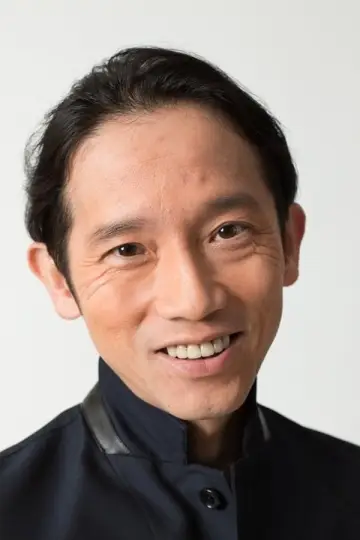
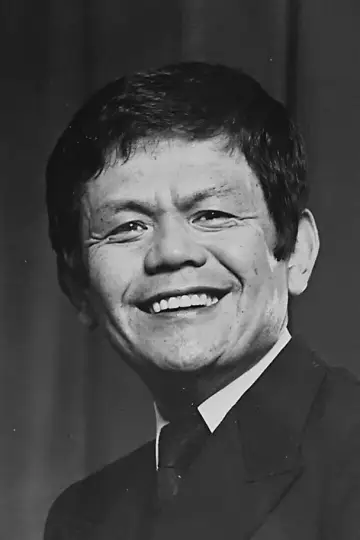
Photo Youji Matsuda #38056
Youji Matsuda
Character Ashitaka (voice)

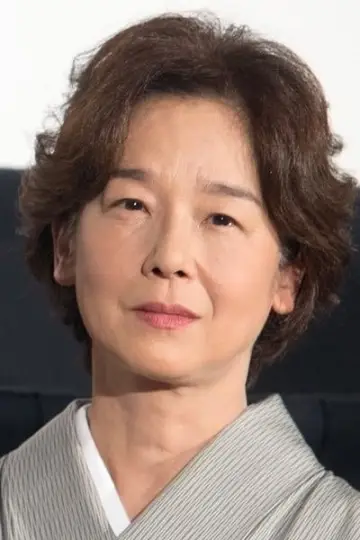
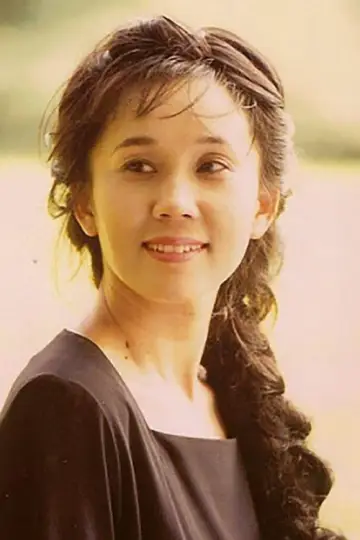
Photo Yuriko Ishida #38057Photo Yuriko Ishida #38058
Yuriko Ishida
Character San / Kaya (voice)

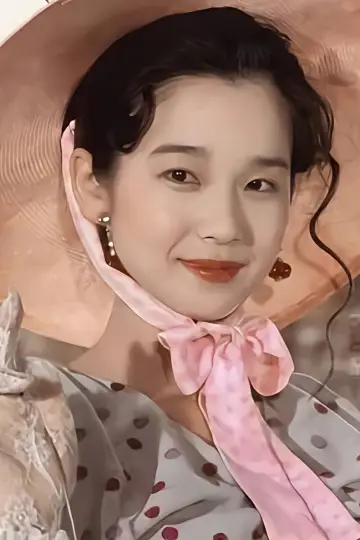
Photo Yuko Tanaka #38059Photo Yuko Tanaka #38060

Yuko Tanaka

Yuko Tanaka
Character Eboshi Gozen (voice)
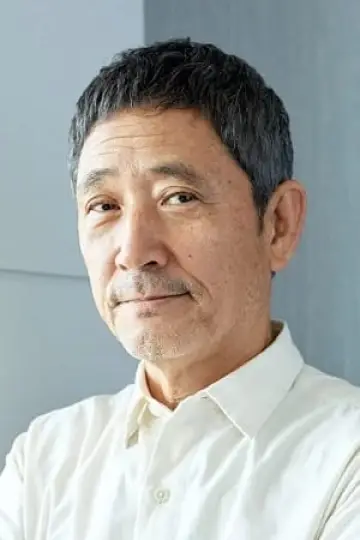
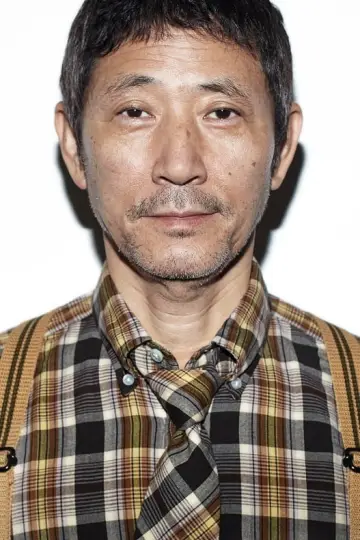
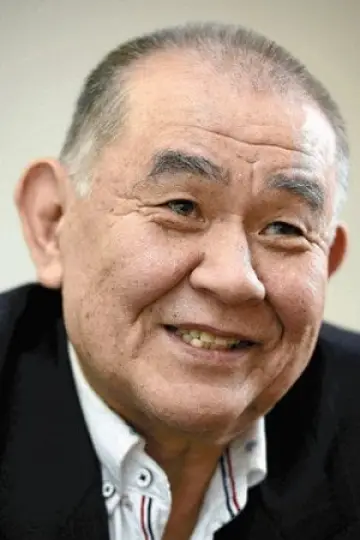
Photo Kaoru Kobayashi #30508Photo Kaoru Kobayashi #30509
Kaoru Kobayashi
Character Jikobo (voice)

Photo Masahiko Nishimura #38061
Masahiko Nishimura
Character Kouroku (voice)
Photo Tsunehiko Kamijō #20301

Tsunehiko Kamijō

Tsunehiko Kamijō
Character Gonza (voice)
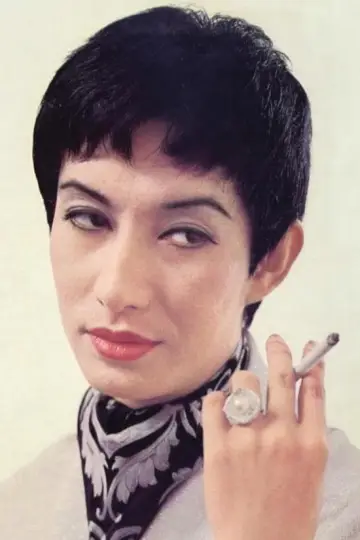
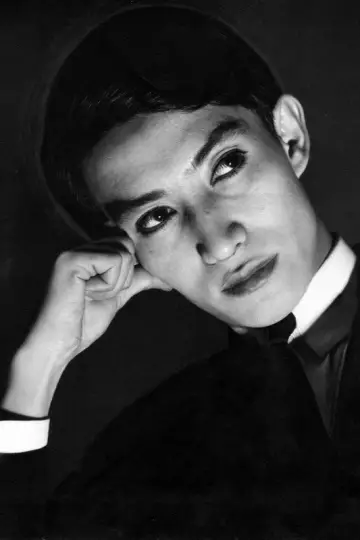
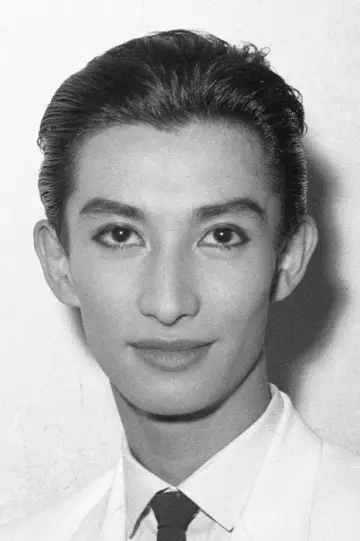
Photo Akihiro Miwa #23425

Akihiro Miwa

Akihiro Miwa
Character Mrs. Moro (voice)
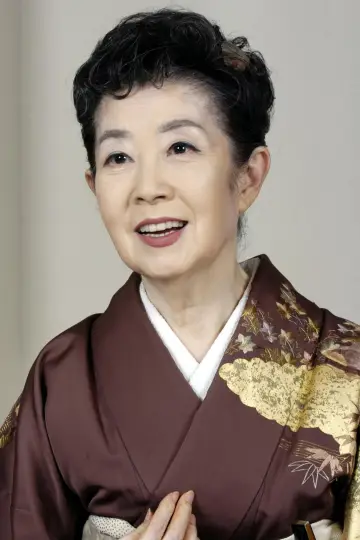
Photo Mitsuko Mori #38062
Mitsuko Mori
Character Mrs. Hii (voice)
Photo Hisaya Morishige #38063

Hisaya Morishige

Hisaya Morishige
Character Chief of Affairs (voice)
Photo Sumi Shimamoto #36953

Sumi Shimamoto

Sumi Shimamoto
Character Toki (voice)
Photo Tetsu Watanabe #25492

Tetsu Watanabe

Tetsu Watanabe
Character Wild Dog (voice)
Photo Makoto Satō #38064

Makoto Satō

Makoto Satō
Character Tatari God (voice)
Photo Akira Nagoya #38065

Akira Nagoya

Akira Nagoya
Character Cowherd (voice)
Kei Iinuma
Character Chief of the Sick (voice)

Photo Tsuzuki Kayako #312202
Yayoi Kazuki
Character Kiyo (voice)
Kimihiro Reizei
Character Cattleman (voice)
Photo Yoshimasa Kondo #15230
Yoshimasa Kondo
Character Cattleman (voice)

Photo Akira Sakamoto #38066
Akira Sakamoto
Character Cattleman (voice)
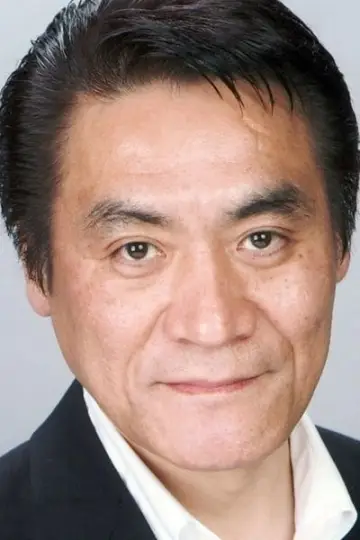
Photo Shirô Saitô #14415
Shirô Saitô
Character Cattleman (voice)
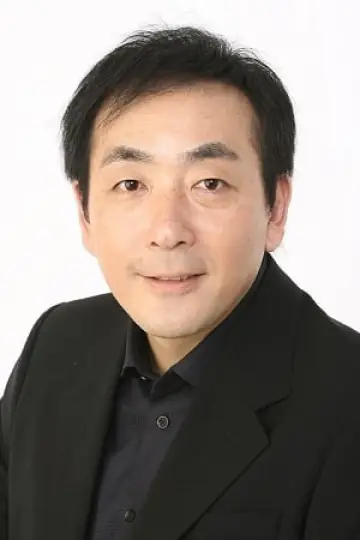
Photo Daikichi Sugawara #38067
Daikichi Sugawara
Character Cattleman (voice)

Photo Takako Katou #38068
Takako Katou
Character Tataraba Woman (voice)

Ikuko Yamamoto

Ikuko Yamamoto
Character Tataraba Woman (voice)
Kiho Iinuma
Character Emishi Girl (voice)
Michiko Yamamoto
Character (voice)


What's left behind the scenes

  • To express his disagreement with attempts to cut the American release of the film, Hayao Miyazaki sent Disney a bloodstained sword with the words "do not cut" written on it.
  • The names of the wolf goddess Moro’s other two children are not mentioned. However, the name San means “Three,” which suggests that the names of the wolves may be “Ichi” and “Ni” – “One” and “Two.” “Mononoke” can be translated as “vengeful spirit.”
  • Lady Eboshi’s cloak is a garment worn by men, not a kimono; the cloak demonstrates Lady Eboshi’s rank and importance.
  • Hayao Miyazaki preferred Japanese film and stage actors over professional voice actors (seiyuu) to avoid “stereotypical portrayals.”
  • In May 1995, Hayao Miyazaki and animator Masashi Ando, along with a team of artists and digital animators, traveled to the ancient forests of Yakushima Island, located 60 km south of Kyushu Island, and then to the Shirakami Mountains in northern Honshu for inspiration in creating landscapes, as was the case with the film 'Nausicaä of the Valley of the Wind'.
  • Production of the animated film began in July 1995. Miyazaki personally supervised each of the 144,000 frames in the film, and edited approximately 80,000 of them himself. Work on the film was finally completed just a few months before its Japanese premiere date.
  • The film was largely drawn by hand, but includes some moments using computer animation (a total of five minutes of footage). Another 10 minutes is taken up by digital painting, which was used in all subsequent films by Studio Ghibli.
  • Two titles for the film were initially proposed. One of them, which was eventually chosen, and the other was 'The Legend of Ashitaka'.
  • Roger Ebert placed 'Princess Mononoke' sixth on his list of the ten best films of 1999.
  • Cutting one's hair in feudal Japan signified that the person was dead, so by cutting off his topknot, Ashitaka showed that he was dead to the people of his village and that he would never return.
  • The girl in Ashitaka's village was not his sister. Calling him 'Older Brother' was a sign of respect.
  • The samurai who attacked Ashitaka mistook him for a high-ranking warrior because only they were allowed to wear helmets, and Ashitaka's hood resembled a helmet.
  • In fact, Moro has two tails. This can be seen in the moment the wolf attacks the caravan (two tails are clearly visible), and then when San strokes Moro's flank before jumping onto another wolf and saying, 'Run.'
  • To express his disagreement with attempts to cut the American release of the film, Hayao Miyazaki sent Disney a bloodstained sword with the words “do not cut” written on it.
  • The names of the goddess-wolf Moro’s other two children are not mentioned. However, the name San means “Three,” which suggests that the names of the wolves may be “Ichi” and “Ni” – “One” and “Two.” “Mononoke” can be translated as “vengeful spirit.”
  • Hayao Miyazaki preferred Japanese film and theater actors to professional voice actors (seiyuu) to avoid “stereotypical images.”
  • In May 1995, Hayao Miyazaki and animator Masashi Ando, along with a team of artists and digital animators, traveled to the ancient forests of Yakushima Island, located 60 km south of Kyushu Island, and then to the Shirakami Mountains in northern Honshu for inspiration in creating the landscapes, as was the case with the film “Nausicaä of the Valley of the Wind.”
  • Two titles for the film were initially proposed. One of them, which was ultimately chosen, and the other – “The Legend of Ashitaka.”
  • Roger Ebert placed “Princess Mononoke” sixth on his list of the ten best films of 1999.
Did you like the film?

© ACMODASI, 2010-2026

All rights reserved.
The materials (trademarks, videos, images and text) contained on this site are the property of their respective owners. It is forbidden to use any materials from this site without prior agreement with their owner.
When copying text and graphic materials (videos, images, text, screenshots of pages) from this site, an active link to the site www.acmodasi.in must necessarily accompany such material.
We are not responsible for any information posted on this site by third parties.