Princess Mononoke - crew, film crew

The entire team, the film crew of the film "Princess Mononoke"
もののけ姫 (1997)
Timing: 2:14 (134 min)
Princess Mononoke - TMDB rating
8.3/10
8893
Princess Mononoke - Kinopoisk rating
8.268/10
219539
Princess Mononoke - IMDB rating
8.3/10
481000

Film crew

Director

Producer

Executive Producer
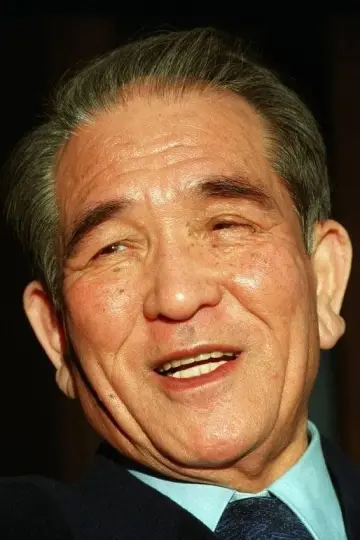
Seiji Okuda

Seiji Okuda
Executive Producer
Seiichiro Ujiie
Executive Producer
Yutaka Narita
Executive Producer

Writer

Editor

Art Direction
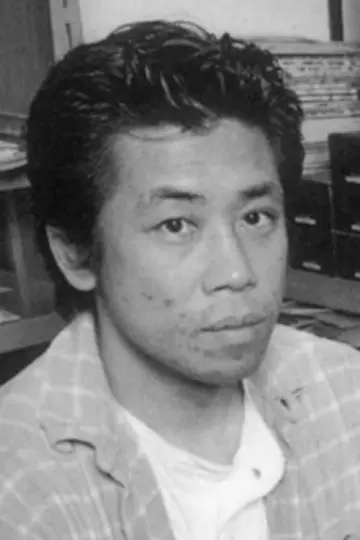
Photo Yoji Takeshige #300978
Yoji Takeshige
Art Direction
Naoya Tanaka
Art Direction
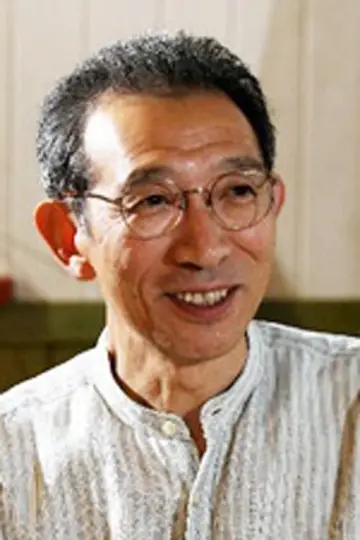
Photo Kazuo Oga #300980

Kazuo Oga

Kazuo Oga
Art Direction
Satoshi Kuroda
Art Direction

Original Music Composer
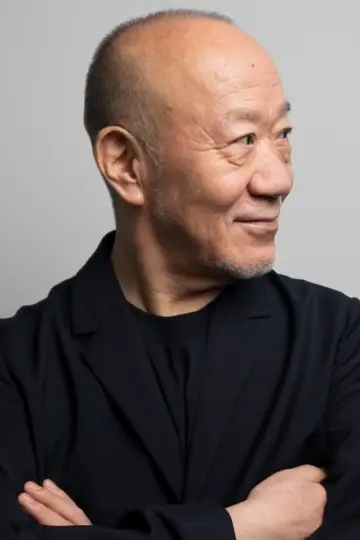
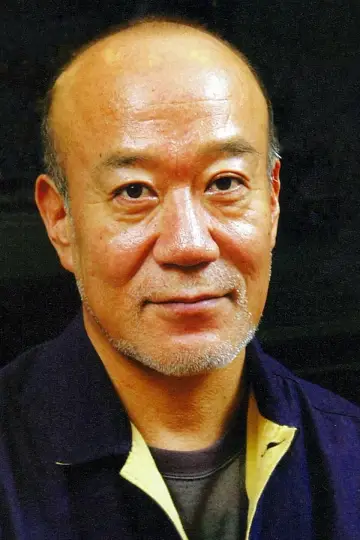
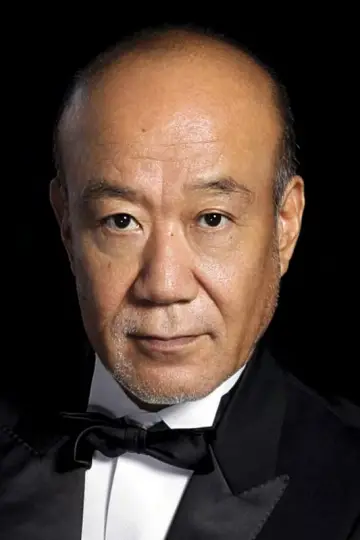
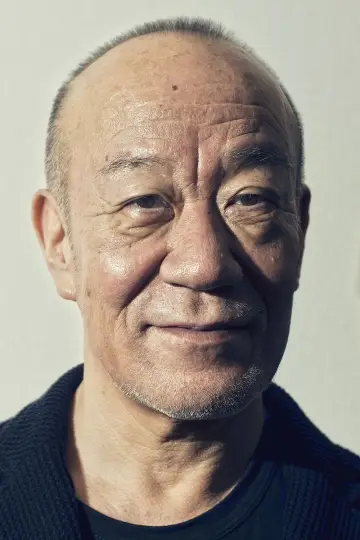
Photo Joe Hisaishi #20316Photo Joe Hisaishi #20317Photo Joe Hisaishi #20318Photo Joe Hisaishi #327620

Joe Hisaishi

Joe Hisaishi
Original Music Composer

Director of Photography

Photo Atsushi Okui #300977

Atsushi Okui

Atsushi Okui
Director of Photography

Sound Effects Editor

Michihiro Itou

Michihiro Itou
Sound Effects Editor

Character Designer

Photo Masashi Ando #20324
Masashi Ando
Character Designer
Photo Yoshifumi Kondo #71344

Yoshifumi Kondo

Yoshifumi Kondo
Character Designer

Animation

Makiko Futaki
Animation
Takeshi Inamura
Animation
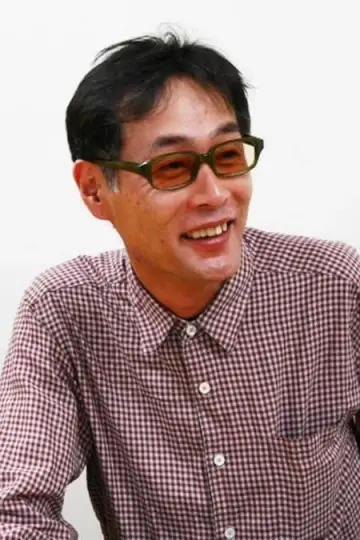
Junichi Taniguchi
Animation
Megumi Kagawa
Animation
Kenichi Yamada
Animation
Eiji Yamamori
Animation
Hideaki Yoshio
Animation
Atsuko Tanaka
Animation
Tsutomu Awata
Animation
Toshio Kawaguchi
Animation
Mariko Matsuo
Animation
Noriko Moritomo
Animation
Takehiro Noda
Animation
Hiroshi Shimizu
Animation
Masako Shinohara
Animation
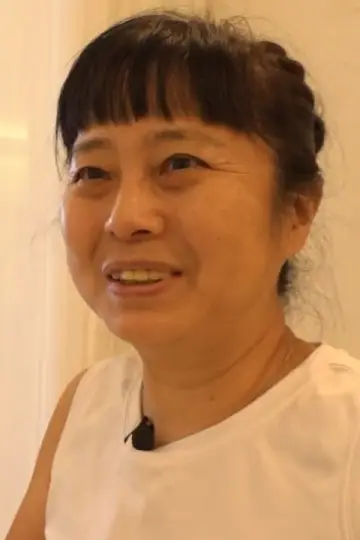
Photo Hitomi Tateno #71134
Hitomi Tateno
Animation
Keiko Tomizawa
Animation
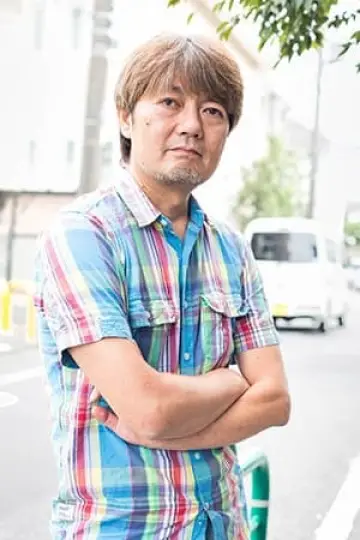
Photo Kenichi Yoshida #71346
Kenichi Yoshida
Animation
Atsuko Otani
Animation

Screenplay

Assistant Director

Hiroyuki Ito
Assistant Director

Sound Assistant

Tsutomu Asakura
Sound Assistant
Masahiro Fukuhara
Sound Assistant

Animation Director

Photo Masashi Ando #20324
Masashi Ando
Animation Director
Photo Yoshifumi Kondo #71344

Yoshifumi Kondo

Yoshifumi Kondo
Animation Director
Photo Kitaro Kosaka #20332

Kitaro Kosaka

Kitarou Kousaka
Animation Director

Color Designer

Original Story

Sound Recordist

Nobutaka Hirooka
Sound Recordist

Second Unit First Assistant Director

Koji Aritomi

Koji Aritomi
Second Unit First Assistant Director
Masakatsu Ishizone
Second Unit First Assistant Director

Background Designer
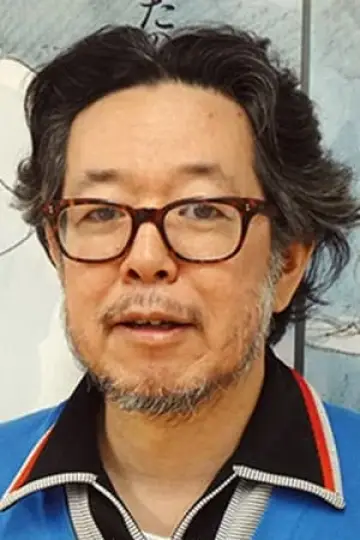
Photo Noboru Yoshida #300979
Noboru Yoshida
Background Designer
Seiki Tamura
Background Designer
Sayaka Hirahara
Background Designer
Sadayuki Arai
Background Designer
Ryoko Ina
Background Designer
Naomi Kasugai
Background Designer
Kyoko Naganawa
Background Designer
Masako Osada
Background Designer
Hisae Saito
Background Designer
Hiroaki Sasaki
Background Designer
Kiyomi Oota
Background Designer

Sound Effects

Kazuhiko Ikai
Sound Effects

Key Animation

Ikuo Kuwana
Key Animation
Masaru Matsuse
Key Animation
Hiroko Minowa
Key Animation
Shinji Otsuka
Key Animation
Sachiko Sugino
Key Animation
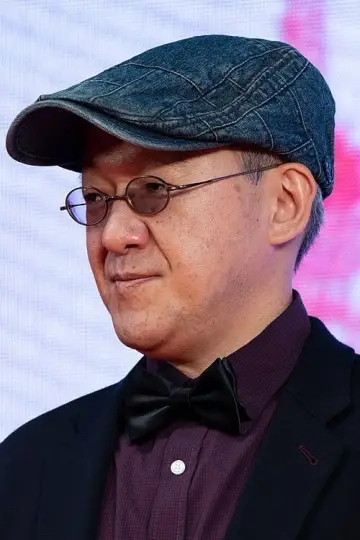
Michio Mihara
Key Animation

Animation Manager

Kazuyoshi Onoda
Animation Manager
Rie Nakagome
Animation Manager
Katsutoshi Nakamura
Animation Manager
Masaya Saitō
Animation Manager

Original Film Writer

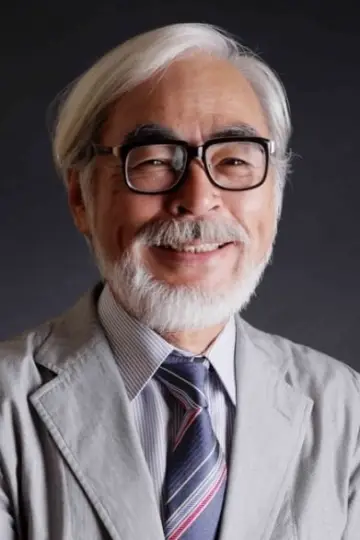
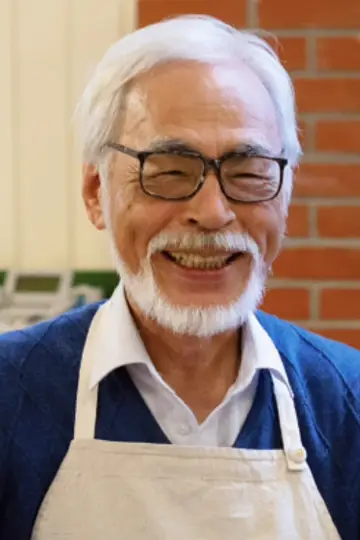
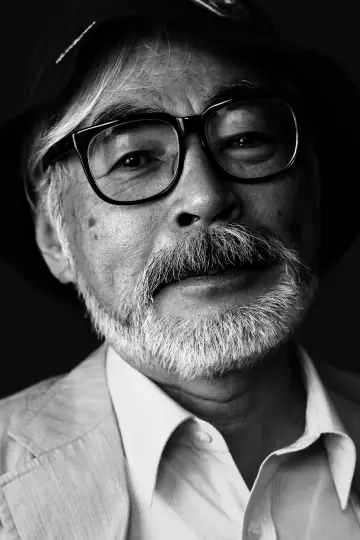
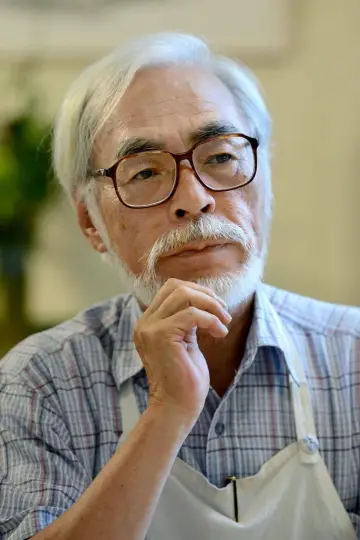
Photo Hayao Miyazaki #15502Photo Hayao Miyazaki #15503Photo Hayao Miyazaki #15504Photo Hayao Miyazaki #15505

Hayao Miyazaki

Hayao Miyazaki
Original Film Writer

What's left behind the scenes

  • To express his disagreement with attempts to cut the American release of the film, Hayao Miyazaki sent Disney a bloodstained sword with the words "do not cut" written on it.
  • The names of the wolf goddess Moro’s other two children are not mentioned. However, the name San means “Three,” which suggests that the names of the wolves may be “Ichi” and “Ni” – “One” and “Two.” “Mononoke” can be translated as “vengeful spirit.”
  • Lady Eboshi’s cloak is a garment worn by men, not a kimono; the cloak demonstrates Lady Eboshi’s rank and importance.
  • Hayao Miyazaki preferred Japanese film and stage actors over professional voice actors (seiyuu) to avoid “stereotypical portrayals.”
  • In May 1995, Hayao Miyazaki and animator Masashi Ando, along with a team of artists and digital animators, traveled to the ancient forests of Yakushima Island, located 60 km south of Kyushu Island, and then to the Shirakami Mountains in northern Honshu for inspiration in creating landscapes, as was the case with the film 'Nausicaä of the Valley of the Wind'.
  • Production of the animated film began in July 1995. Miyazaki personally supervised each of the 144,000 frames in the film, and edited approximately 80,000 of them himself. Work on the film was finally completed just a few months before its Japanese premiere date.
  • The film was largely drawn by hand, but includes some moments using computer animation (a total of five minutes of footage). Another 10 minutes is taken up by digital painting, which was used in all subsequent films by Studio Ghibli.
  • Two titles for the film were initially proposed. One of them, which was eventually chosen, and the other was 'The Legend of Ashitaka'.
  • Roger Ebert placed 'Princess Mononoke' sixth on his list of the ten best films of 1999.
  • Cutting one's hair in feudal Japan signified that the person was dead, so by cutting off his topknot, Ashitaka showed that he was dead to the people of his village and that he would never return.
  • The girl in Ashitaka's village was not his sister. Calling him 'Older Brother' was a sign of respect.
  • The samurai who attacked Ashitaka mistook him for a high-ranking warrior because only they were allowed to wear helmets, and Ashitaka's hood resembled a helmet.
  • In fact, Moro has two tails. This can be seen in the moment the wolf attacks the caravan (two tails are clearly visible), and then when San strokes Moro's flank before jumping onto another wolf and saying, 'Run.'
  • To express his disagreement with attempts to cut the American release of the film, Hayao Miyazaki sent Disney a bloodstained sword with the words “do not cut” written on it.
  • The names of the goddess-wolf Moro’s other two children are not mentioned. However, the name San means “Three,” which suggests that the names of the wolves may be “Ichi” and “Ni” – “One” and “Two.” “Mononoke” can be translated as “vengeful spirit.”
  • Hayao Miyazaki preferred Japanese film and theater actors to professional voice actors (seiyuu) to avoid “stereotypical images.”
  • In May 1995, Hayao Miyazaki and animator Masashi Ando, along with a team of artists and digital animators, traveled to the ancient forests of Yakushima Island, located 60 km south of Kyushu Island, and then to the Shirakami Mountains in northern Honshu for inspiration in creating the landscapes, as was the case with the film “Nausicaä of the Valley of the Wind.”
  • Two titles for the film were initially proposed. One of them, which was ultimately chosen, and the other – “The Legend of Ashitaka.”
  • Roger Ebert placed “Princess Mononoke” sixth on his list of the ten best films of 1999.
Did you like the film?

© ACMODASI, 2010-2026

All rights reserved.
The materials (trademarks, videos, images and text) contained on this site are the property of their respective owners. It is forbidden to use any materials from this site without prior agreement with their owner.
When copying text and graphic materials (videos, images, text, screenshots of pages) from this site, an active link to the site www.acmodasi.in must necessarily accompany such material.
We are not responsible for any information posted on this site by third parties.