All Quiet on the Western Front





Short description
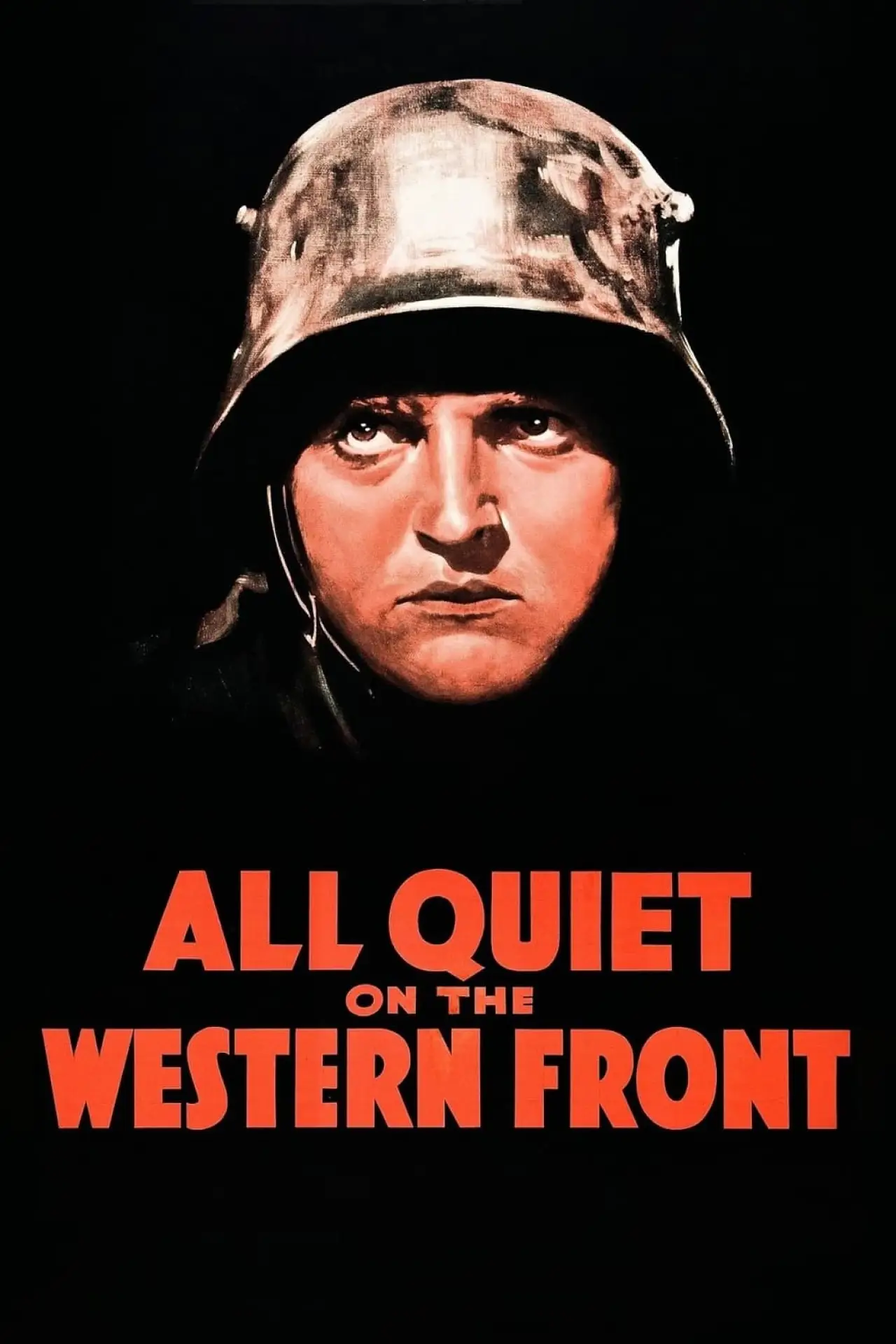
All Quiet on the Western Front follows a class of German schoolboys who enlist in the army during the First World War after their teacher's patriotic appeals. Assigned to the Western Front, they discover that the realities of trench warfare bear no resemblance to the rhetoric that sent them there, and their enthusiasm gives way to hardship and loss. Paul Bäumer and his friends encounter the brutal discipline of training under Himmelstoss before reaching the front, where the veteran soldier Katczinsky becomes a source of guidance and survival.
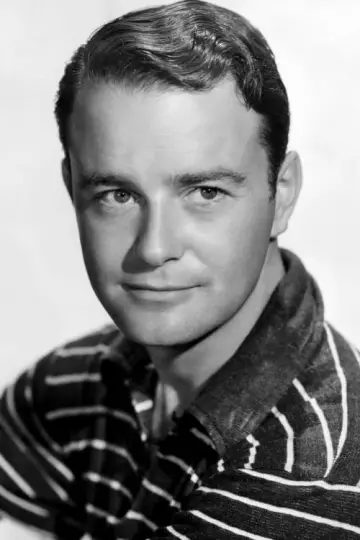
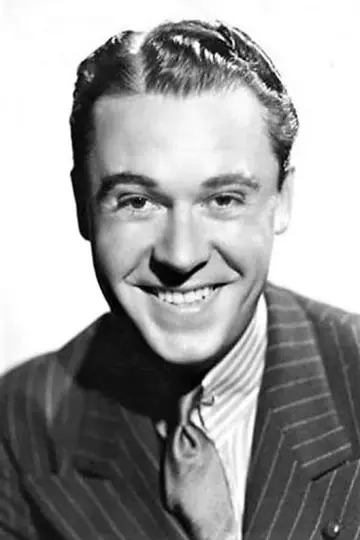
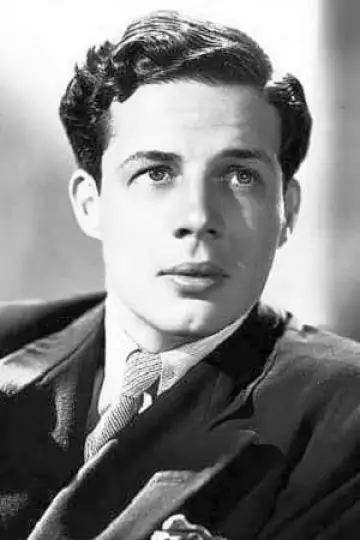
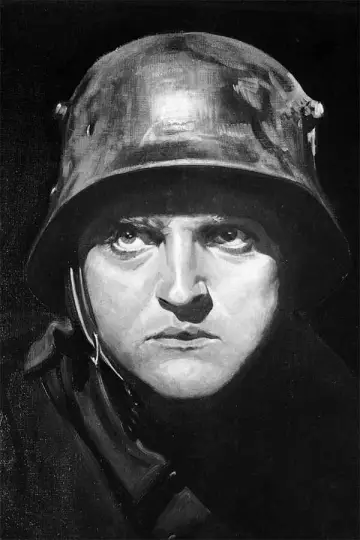
The film is an adaptation of Erich Maria Remarque's novel of the same name, directed by Lewis Milestone from a screenplay by George Abbott and produced by Carl Laemmle Jr. and Carl Laemmle for Universal Pictures. It was Milestone's second feature as director, following Betrayal in 1929 and preceding The Front Page in 1931. The large credited cast of 44 includes Louis Wolheim as Katczinsky, Lew Ayres as Paul Bäumer, John Wray as Himmelstoss, Arnold Lucy as Kantorek and Ben Alexander as Franz Kemmerich.
Made for about 1 million dollars and taking roughly 3 million dollars worldwide, the film drew strong critical attention, with a critics' rating of 9.3/10 from 91 reviews, while audiences on TMDB rate it 7.8/10 from 972 votes.
What's left behind the scenes
- The film is based on the novel of the same name by Erich Maria Remarque.
- For large-scale battle scenes and pyrotechnic effects, over 20 acres of a large ranch in California were transformed into battlefields with more than 2,000 'soldiers'.
- It was the first sound film to use a giant mobile crane with a camera, particularly for filming realistic battle scenes, and one of the first sound films to widely employ moving cameras.
- Initially, Sesa Pitts was cast in the role ultimately played by Beryl Mercer, but she was primarily associated with comedic roles and characters, so the audience began to giggle in anticipation of her appearance on screen during previews, and all scenes with her character were reshot with Mercer.
- In 1990, the film was included in the U.S. National Film Registry.
- The Minister of the Interior of Nazi Germany, Wilhelm Frick (1877-1946), banned the film on the grounds that it allegedly portrayed all Germans as cowards. Ironically, in neighboring Poland, the same film was declared illegal as being exclusively 'pro-German'.
- After playing the role of Paul Bäumer and gaining a certain moral experience during the film’s production, actor Lew Ayres refused military service during World War II for moral and ethical reasons.
- The Berlin premiere of the film was disrupted by Goebbels himself, who pelted the audience with "stink bombs" and live mice.
- The film's producer, Carl Laemmle Jr., was very unhappy with the film's tragic ending and demanded that Lewis Milestone rewrite it with a happy ending. Milestone sarcastically replied that in that case, the French would not win the war in the film, but the Germans, after which the conflict was resolved.
- Pro-Nazi provocateurs attempted to disrupt screenings of the film in Germany, often releasing pre-caught rats or stench bombs into cinemas, as the bitterness of defeat in World War I was still fresh. Eventually, the Nazis simply banned the film. It was not shown in Germany again until 1956, although immediately after its release, the film filled theaters in neighboring Switzerland, France, and the Netherlands. Special train and bus services were even organized for Germans wishing to see the film to the nearest cinema in those countries.
- The film depicts death and limb loss in great detail, making it quite graphic for its time. This is because the so-called Hays Code became an unofficial, yet effective, standard of moral censorship in American cinema only in 1934 (adopted in 1930 and named after the Republican politician who headed the Motion Picture Producers and Distributors Association, now the Motion Picture Association of America, from 1922-1945). Furthermore, Universal Pictures considered the film's subject matter important enough to allow scenes of violence to be shown on screen. The scene with a soldier grabbing onto barbed wire, but then an artillery shell explodes, leaving only the hands still clutching the wire, was suggested to director and screenwriter Lewis Milestone by a former German soldier. He was working as a general laborer on the set and had witnessed a similar event firsthand during a French attack on German trenches. Milestone decided to include this scene in the film.
- The film was banned from screening in Nazi Germany.
- Initially released in a 140-minute version, the film was later reduced to 110 and even 90 minutes. In 1939, a version with a special anti-Nazi insert was released.






 Auditions in India
 Casting calls in USA
 Castingi w Polsce
 Кастинги в Україні

