Napoleon




Short description
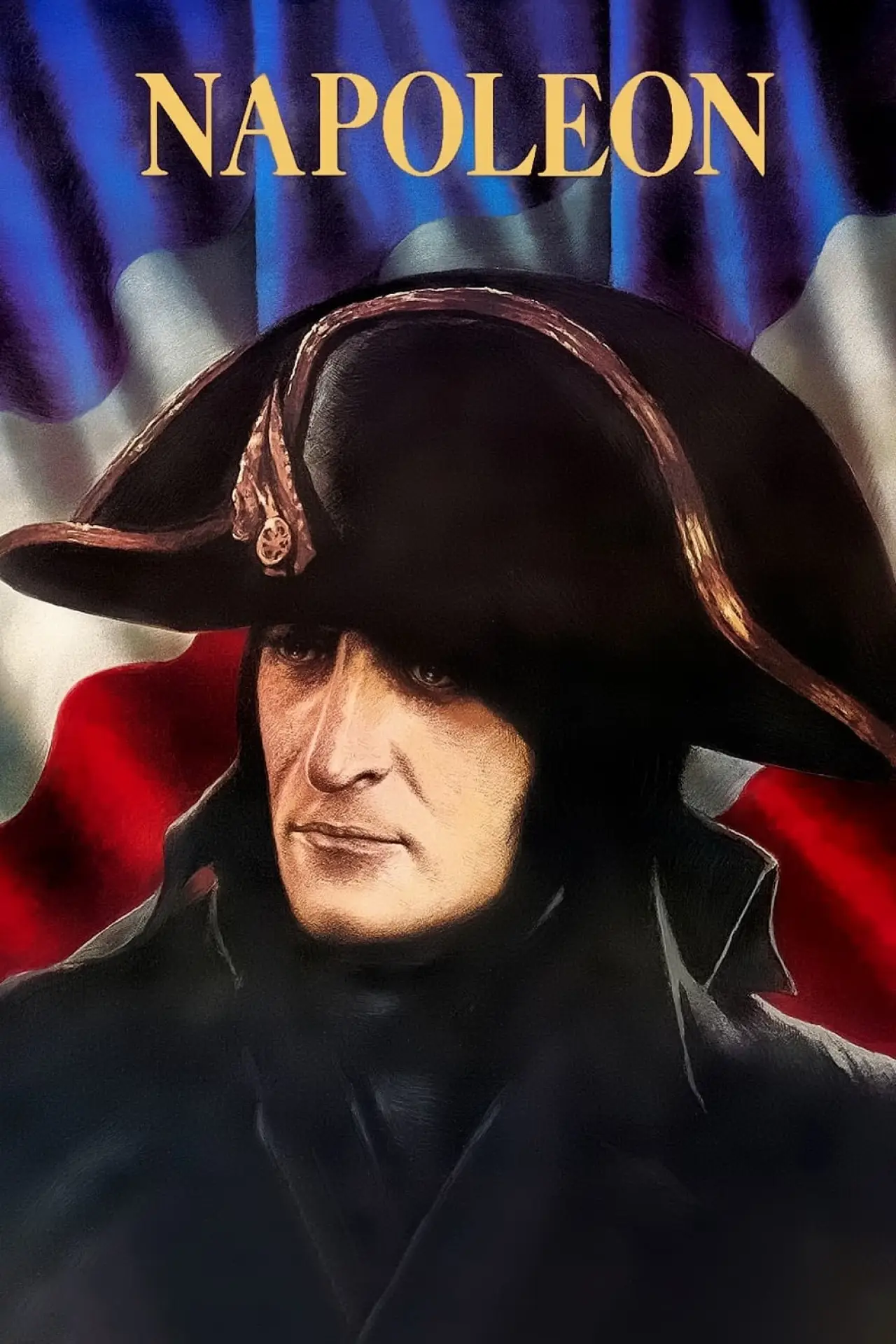
Napoleon is a French silent historical drama that follows Napoleon Bonaparte from his school days at Brienne through the early stages of his rise to power. As a boy he already shows a talent for strategy, organising a snowball fight like a military campaign. He joins the army, but his strong will and instinct for command win him few friends among his superiors or peers. His hopes of securing independence for his native Corsica through the French Revolution come to nothing, and after narrowly escaping the guillotine during the Terror he distinguishes himself at the siege of Toulon. The film culminates in his appointment to lead the Italian campaign of 1796, the moment that opens his path to prominence.
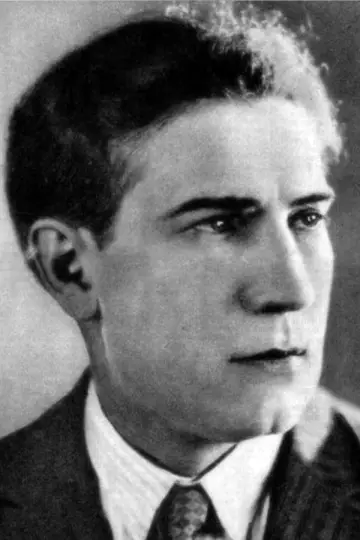
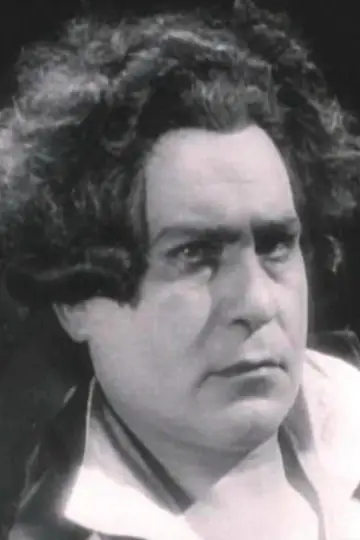
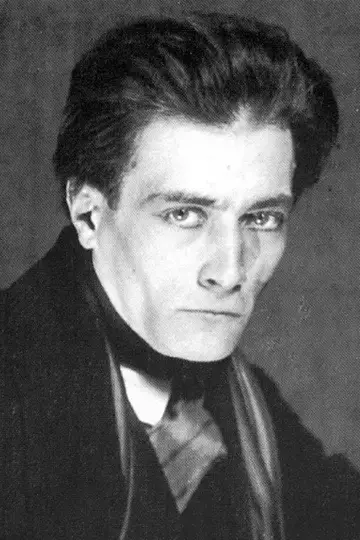
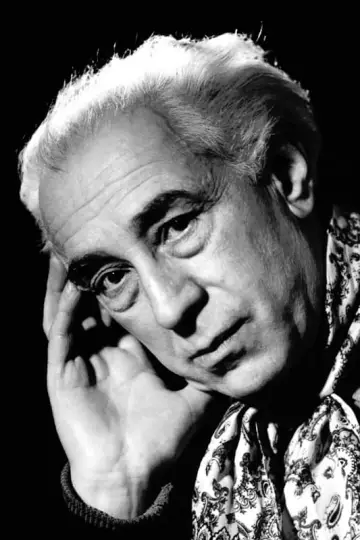
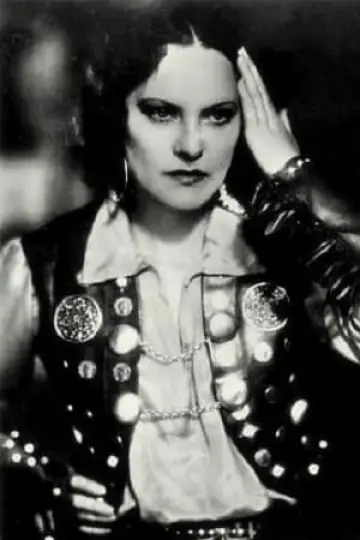
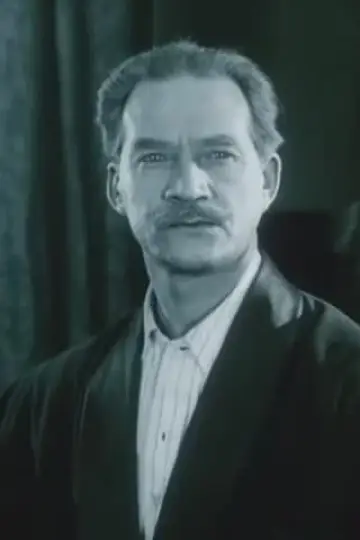
Abel Gance directed and wrote the screenplay, and appears in the cast as Saint-Just. Albert Dieudonné plays the adult Napoleon, with Vladimir Roudenko as the child. The large cast includes Edmond van Daële as Robespierre, Alexandre Koubitzky as Danton and Antonin Artaud as Marat. The production was a major undertaking with extensive crowd scenes and technical experiments in editing and staging.
Running 330 minutes, the film was released in January 1927. It stands first among the two films Gance directed that appear in the facts, ahead of Napoléon Bonaparte in 1935. On TMDB it holds a rating of 7.8 from 227 votes, indicating a strong reputation among viewers who have sought out this lengthy silent work.
What's left behind the scenes
- "Napoleon" was filmed in Briançon, Toulon, Corsica, Saint-Cloud, Brienne, Malmaison, and Paris.
- The director considered the following candidates for the role of Napoleon: playwright René Fauchois, chanson singer Jean Bastia, writer Pierre Bonardi, actor Van Daël (who played Robespierre), and Ivan Mozzhukhin (who refused, believing that only a Frenchman could create the image of Bonaparte).
- In 1923, Vengerov, a businessman of Russian origin and founder of the Vesti concern, proposed that Abel Gance film in Berlin. Gance replied, "I will film 'Napoleon' only in France." Vengerov then created an "international syndicate," which included the Pathé company.
- The film became the first in the world to be shot using panoramic cinema technology simultaneously on three film strips.
- Originally, the film was intended to consist of eight episodes, each three thousand meters long. The costs for this super-production were expected to be covered as follows: 20 percent in France, 7 percent in Spain, 4 percent in Holland, 7 percent in Scandinavia, 5 percent in Central Europe, and 50 percent across Germany, Great Britain, Latin America, and Russia; the sale of the film to the United States was intended to provide the profit for the entire operation. Before filming could begin, 8,000 costumes, 4,000 rifles, 60 cannons, and other equipment had to be gathered and ordered. However, during filming, Gance repeatedly faced difficulties in securing funds, interrupting production and changing investors.
- Filming of 'Napoleon' concluded during the summer of 1926, after which the film was edited over a period of seven months.
- Abel Gance recalled a scene that was removed by censors. In it, soldiers were shooting civilians, and the cameras were used like bullets, zooming sharply onto the targets.
- Hanns employed a wide variety of tricks to capture the shots he needed. Together with cinematographer Kruse, he developed 'synchronized lenses,' one of which served as a viewfinder and could be used by the operator at any moment for focusing; remote focusing; an automatic panoramic platform; the use of 'Hermage eidoscopes,' 275mm lenses for close-ups; telephoto lens systems with focal lengths up to 210mm; 'brachioscopic' lenses (down to 14mm), 'previously known only in photography,' and finally, the use of a triple screen.
- The screenplay written by Hanns adhered so little to historical facts that, anticipating criticism from historians, he included a disclaimer in the opening credits: 'Napoleon, as seen by A. Hanns.'
Similar movies



 Auditions in India
 Casting calls in USA
 Castingi w Polsce
 Кастинги в Україні
