Teenage Mutant Ninja Turtles








Short description
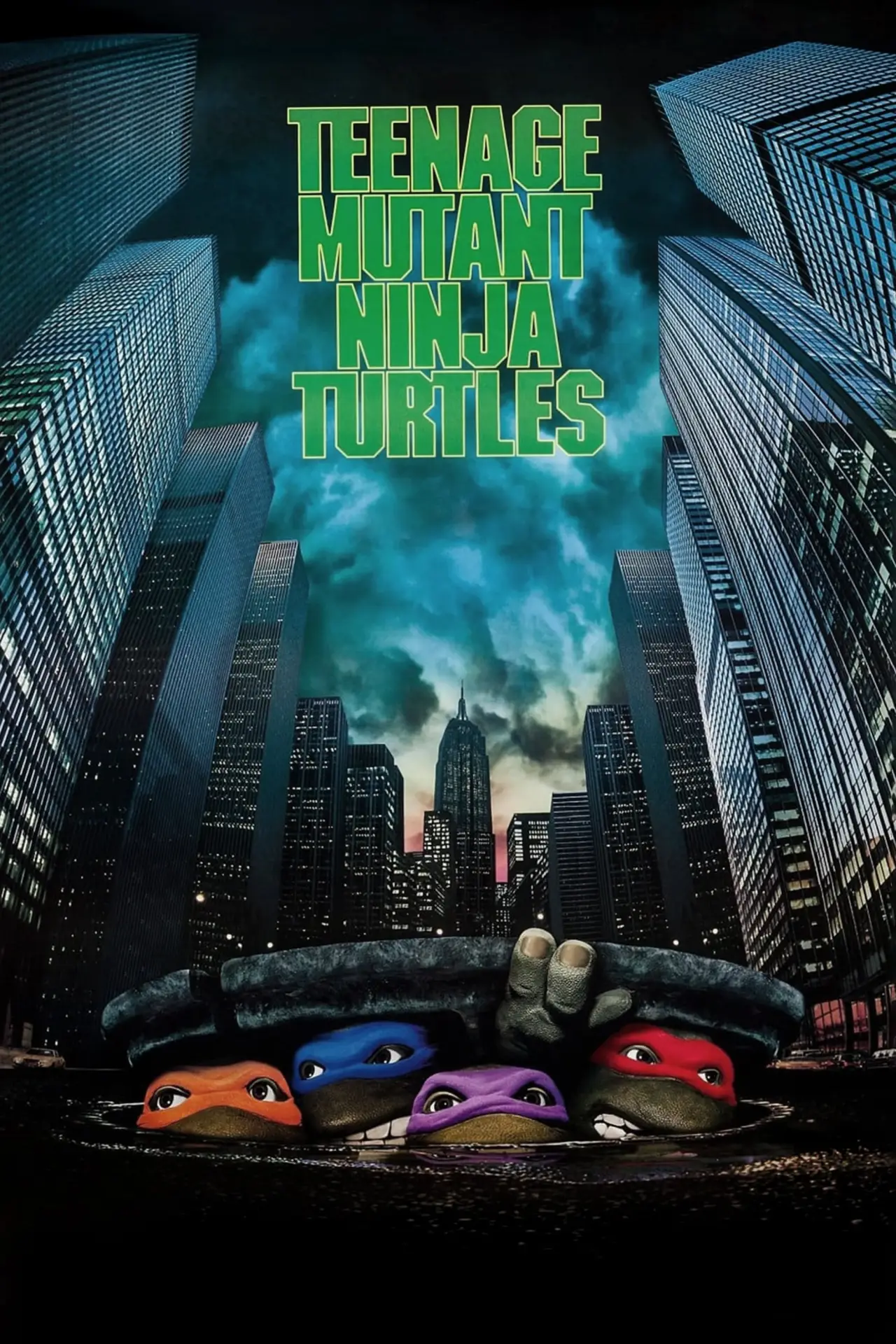
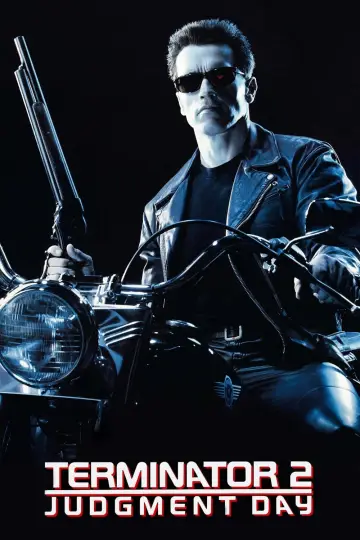
In New York City, a wave of crime led by the ninja master Shredder and his Foot Clan has grown beyond the reach of the police. The only force capable of opposing them is a group of four human-sized turtles who live in the sewers, trained in ninjutsu by their mentor, a rat named Splinter. Exposure to a chemical substance left the turtles transformed, intelligent and able to speak, and Splinter has taught them to remain hidden from the human world above. Their path crosses that of television reporter April O'Neil, who becomes an ally, while the vigilante Casey Jones also joins the fight.
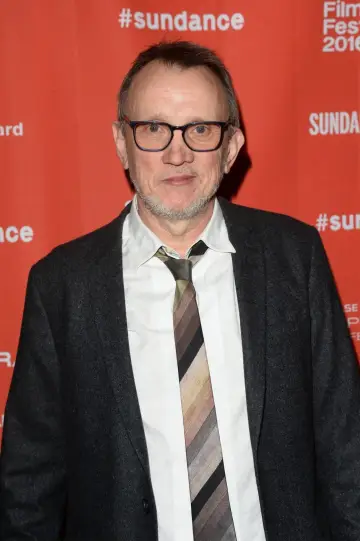
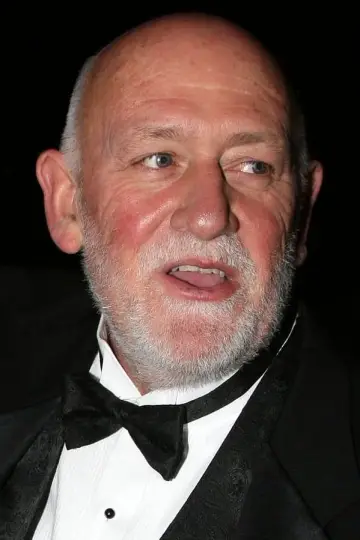
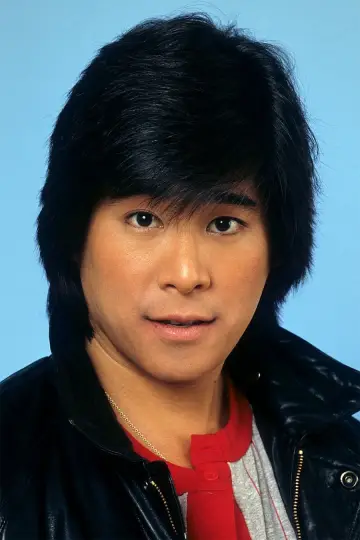
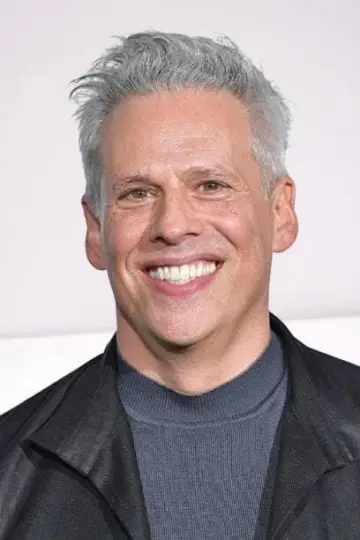
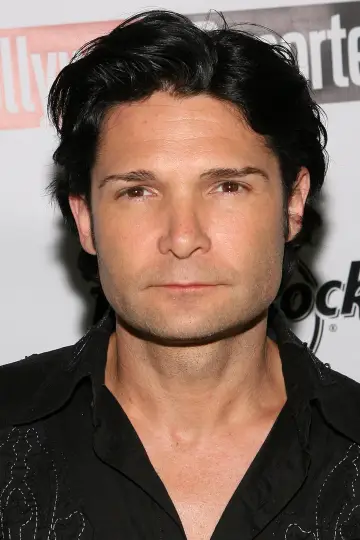
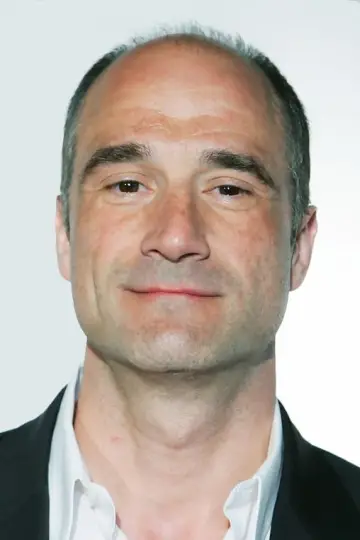
The film is a live-action adaptation of the Teenage Mutant Ninja Turtles characters created by Peter Laird and Kevin Eastman, with the turtles performed by puppeteers and their voices supplied by Brian Tochi, Josh Pais, Corey Feldman and Robbie Rist. Judith Hoag plays April and Elias Koteas plays Casey. Steve Barron directed, following his debut Electric Dreams and before Coneheads, The Adventures of Pinocchio, Rat and Dreamkeeper.
Released in March 1990 on a budget of about 14 million dollars, it returned roughly 202 million dollars worldwide. On IMDb it holds 6.8/10 from around 112,000 votes, and on TMDB 6.7/10 from about 2,000 votes, both well above the critics' rating of 5.1/10 from 57 reviews.
What's left behind the scenes
- Judith Hoag was not approached with an offer to reprise her role as April in the sequels to this film because she constantly complained on set about the six-day work week and the abundance of violent scenes in the film.
- To conceal how bulky the turtle costumes actually were, dialogue scenes were filmed at 23 frames per second, so that when played back at the normal speed of 24 frames per second, they would appear sharper. For the same reason, fight scenes were filmed at 22 or 23 frames per second.
- The script originally stated that the boy died from the beating, but objections were raised by the ratings board, and sounds of breathing and lines about the boy recovering were added to the scene at the last moment. In the French version of the film, the boy still dies.
- Initially, director Steve Barron wanted April's jumpsuit to resemble those seen in the early comics and the "Teenage Mutant Ninja Turtles" animated series (1987-1996). It was intended that her appearance would be more similar to April's in the cartoon (a yellow jumpsuit and a large cap of red hair, as opposed to a green jumpsuit and chestnut hair). Actress Judith Hoag, who played April, criticized the idea of such a jumpsuit, and it was abandoned. At the beginning of the film, April is shown wearing a yellow cloak (this is a reference to the yellow jumpsuit from the cartoon).
- According to Corey Feldman, he was offered only $1,500 for the voice-over work. Feldman accepted the offer, trusting the producer who told him it was a low-budget independent film that would achieve at least relative success after its release on video cassettes. The film grossed a huge amount of money in theaters.
- Splinter the puppet was operated by three people. Kevin Clash generally controlled the movements, while a second puppeteer remotely controlled the facial expressions, and a third controlled the hand movements.
- The Turtles themselves were created by Jim Henson's workshop in London. They were initially made from fiberglass, then sculpted from clay, and finally made from latex. The entire process took 18 weeks.
- After sketches were completed, some sets were created on the studio grounds. There were some problems with the manholes leading to the Turtles’ lair, as the room had to be built directly under the sets, and water began to seep in from below.
- Some scenes were filmed in New York City among the city’s landmarks – such as Times Square, the Empire State Building, and the Hudson River, but a significant portion of the filming took place on a studio lot in North Carolina, where sets depicting New York rooftops were created. The film’s artists, Ray Forge Smith (1929-2017) and Gary Wissner (1964-2001), spent four months in New York City before filming began, photographing rooftops and other locations. They were also allowed to descend into an abandoned subway branch in Brooklyn, as they were not permitted to enter the city’s sewer system. In addition, they visited a hydraulic tunnel from which enormous diameter pipes emerged.
- At the end of the film, Sam Rockwell's character tells the police they will find evidence in a building on Lairdman Island. This is a reference to the creators of the Turtles – Kevin Eastman and Peter Laird.




 Auditions in India
 Casting calls in USA
 Castingi w Polsce
 Кастинги в Україні

