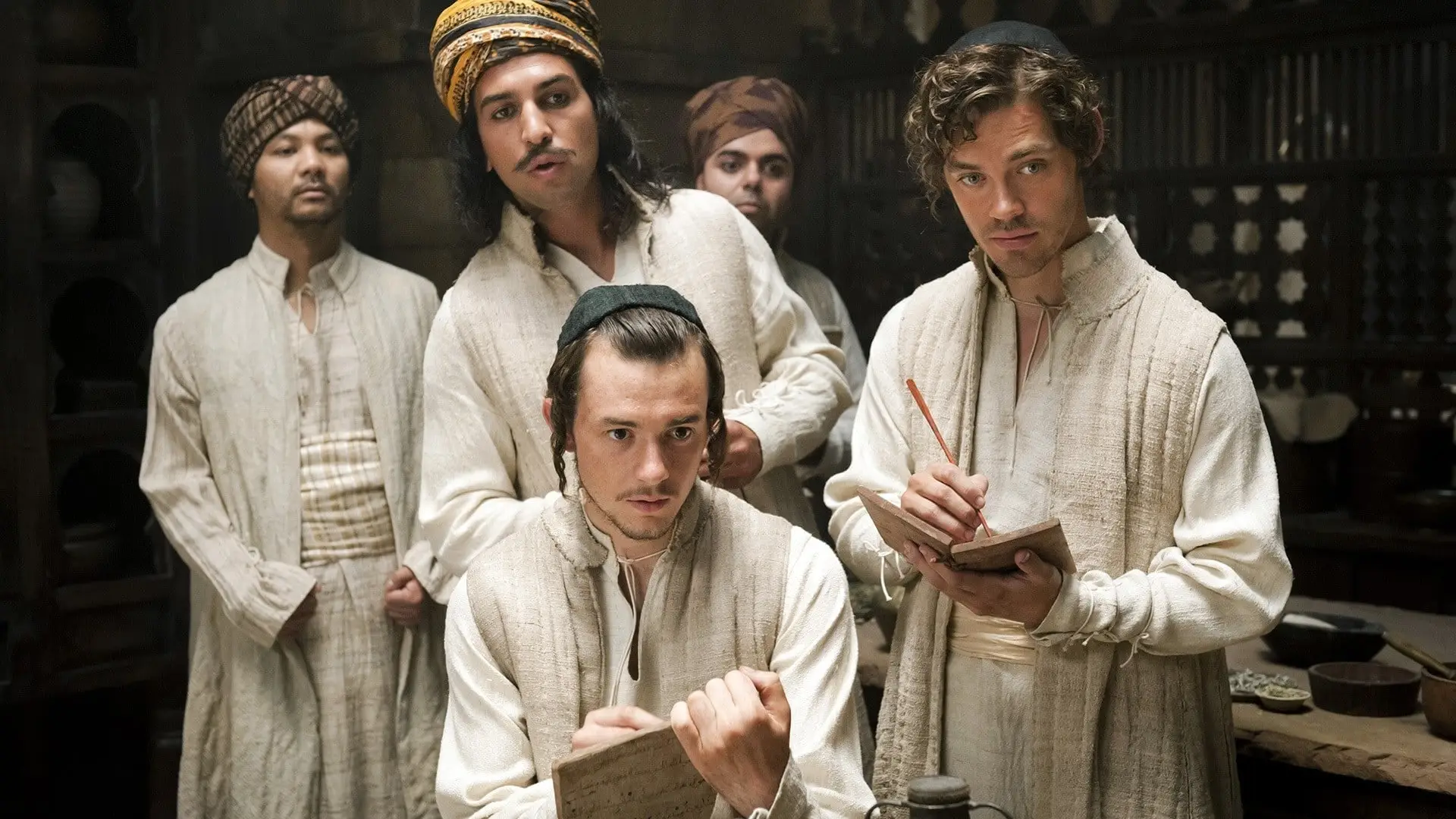
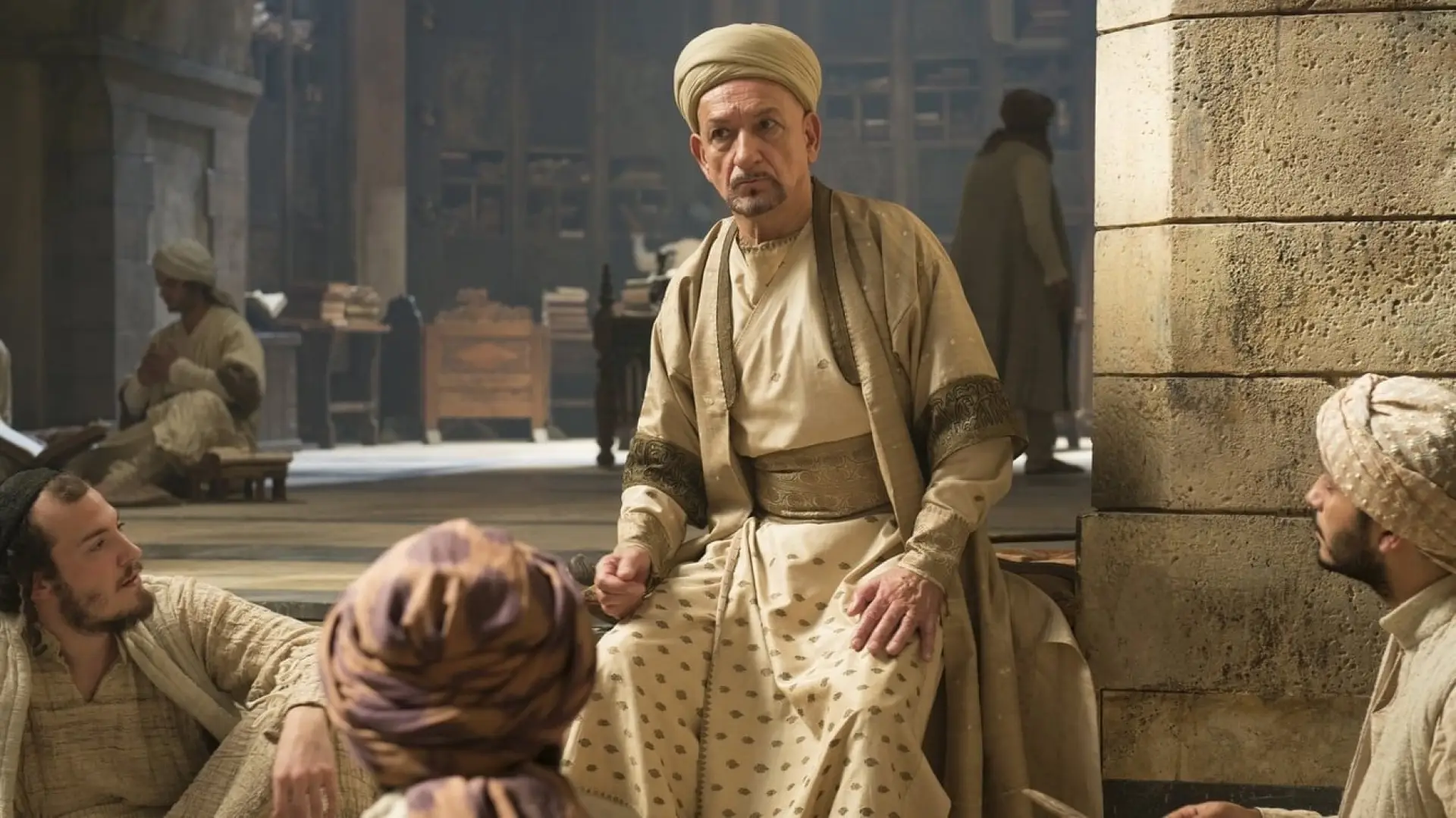
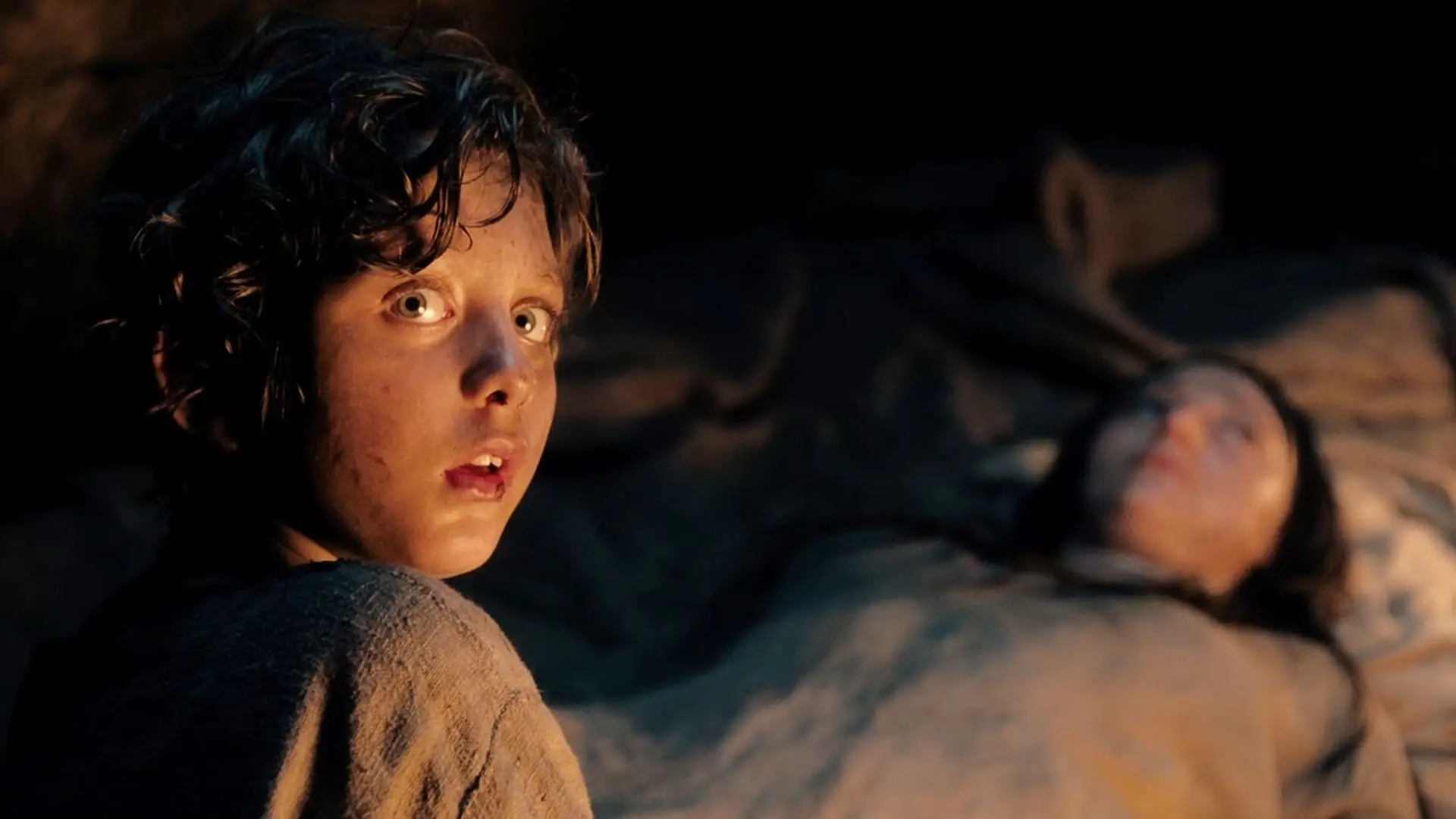
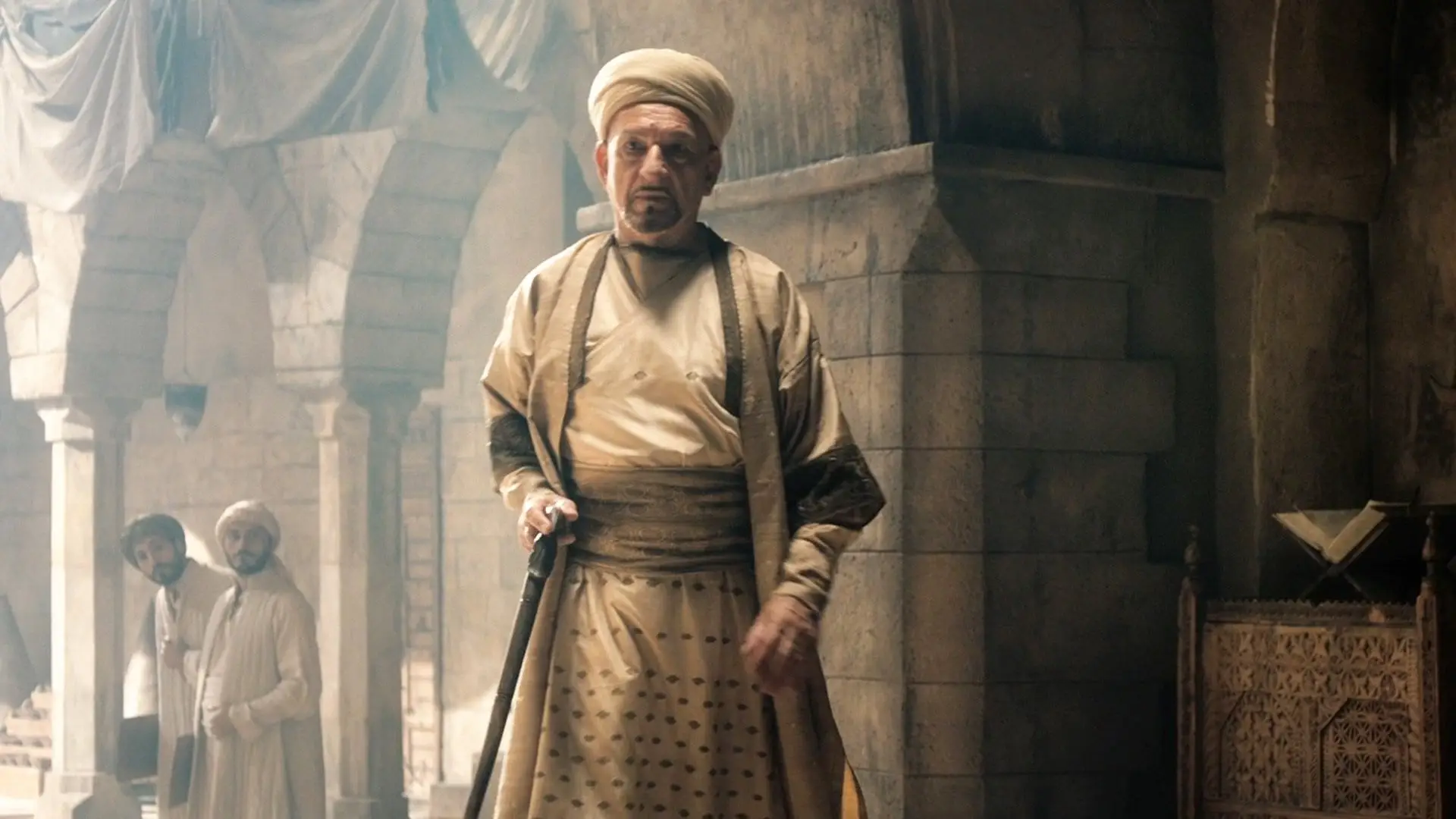
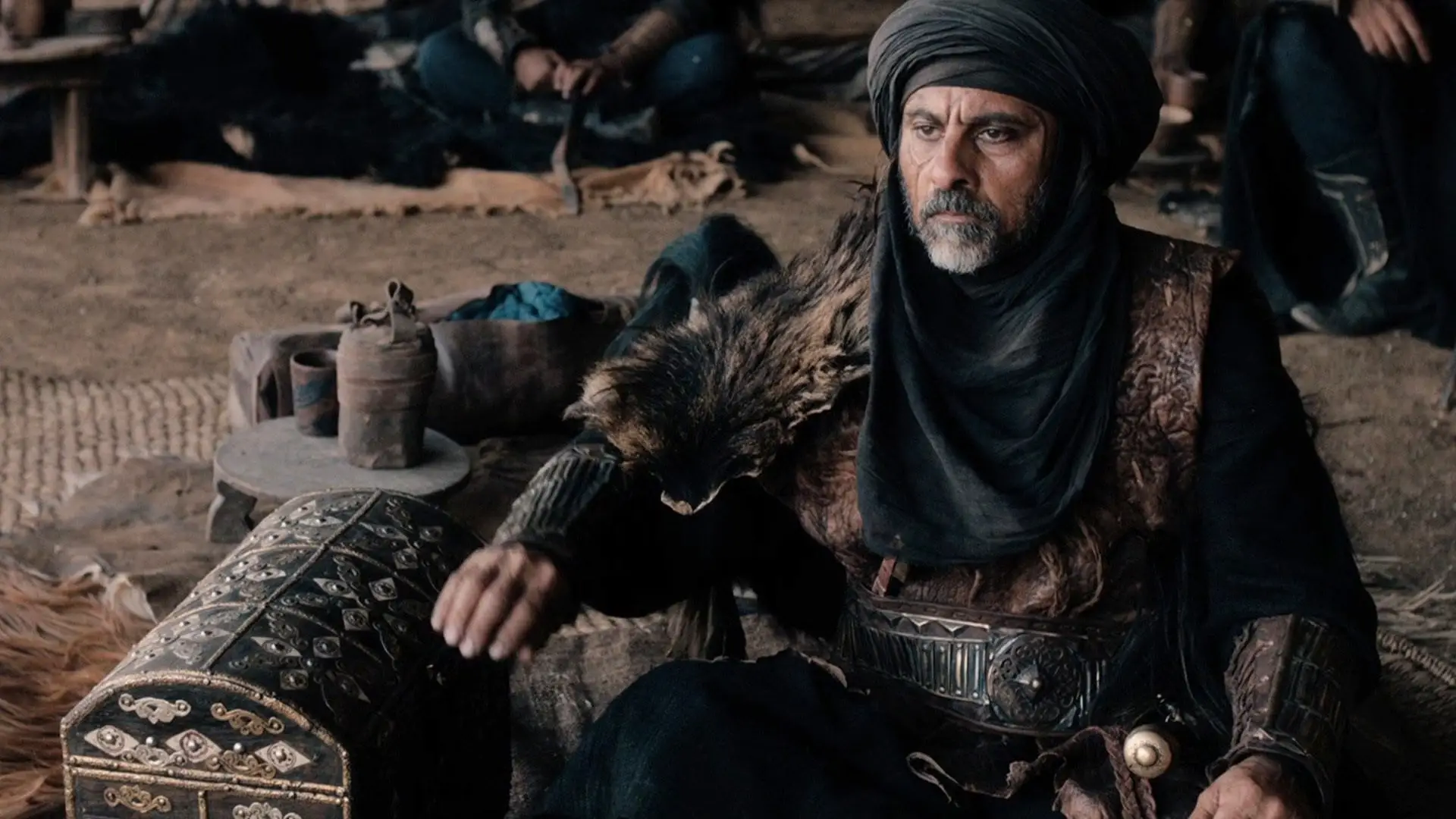
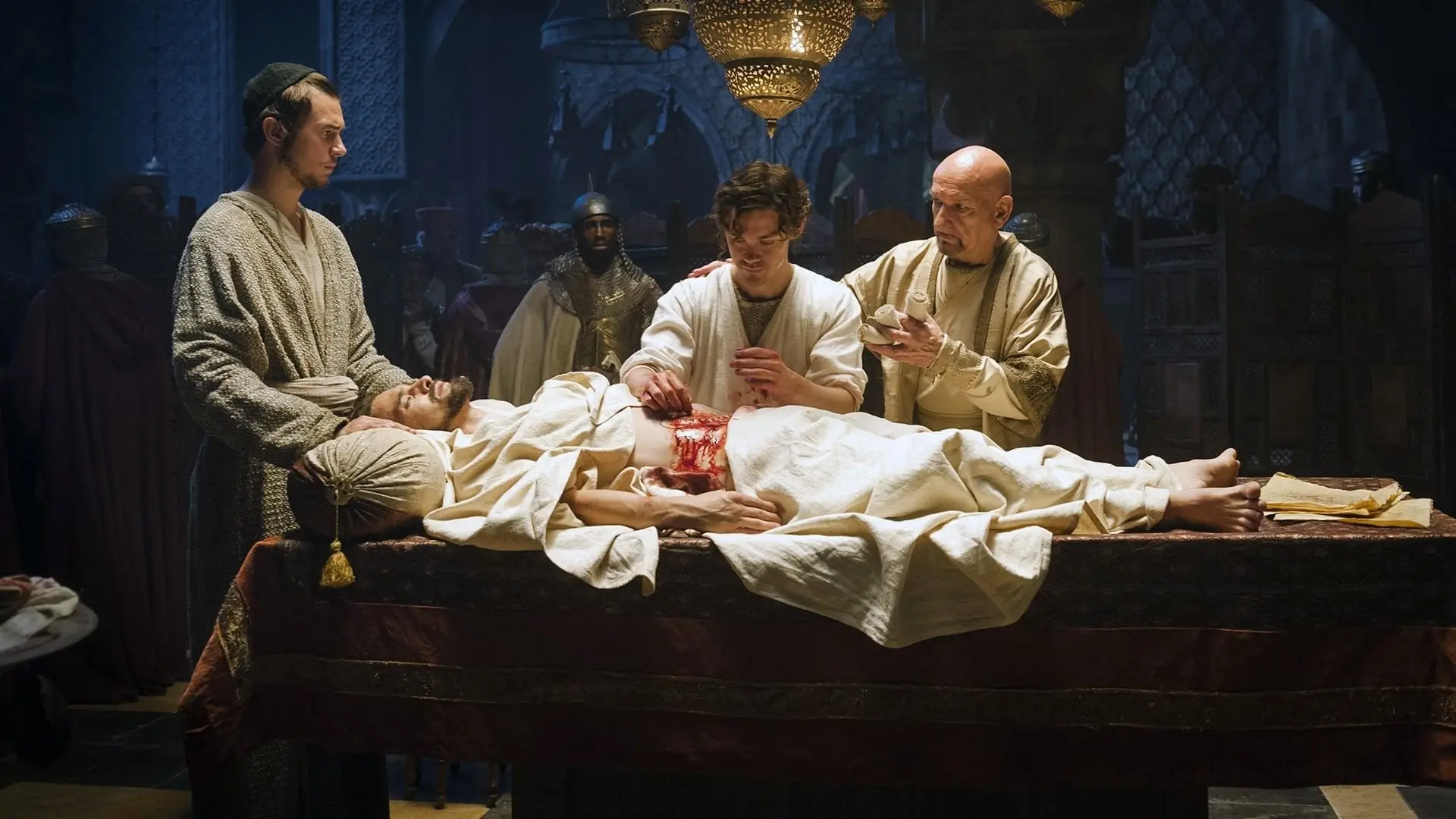
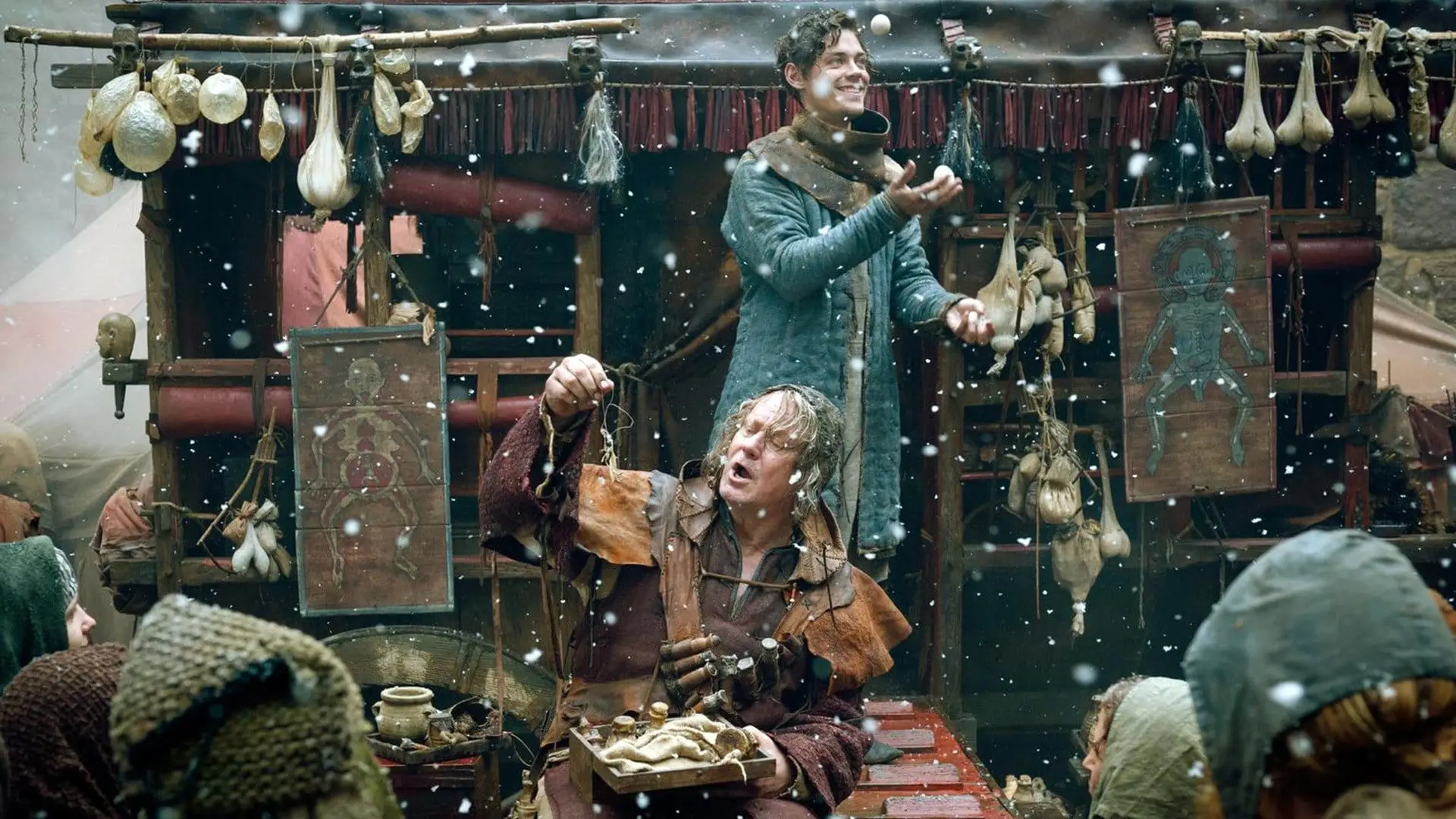
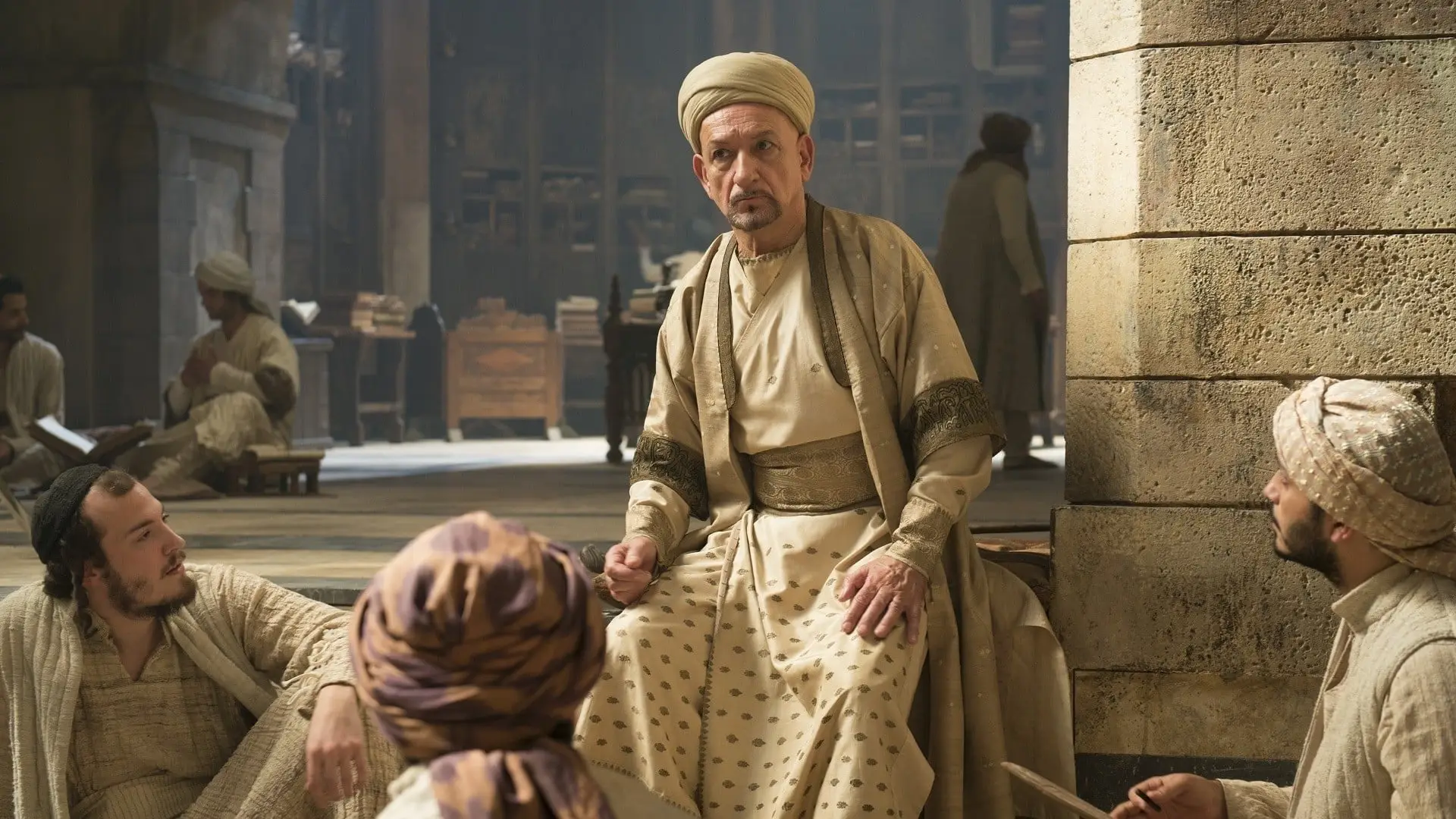
The Physician - posters, covers, wallpapers

Lots of posters, covers and wallpapers for the movie "The Physician"
The Physician (2013)
Timing: 2:35 (155 min)
The Physician - TMDB rating
7.338/10
1037
The Physician - Kinopoisk rating
8.109/10
496652
The Physician - IMDB rating
7.2/10
45000

Posters, covers

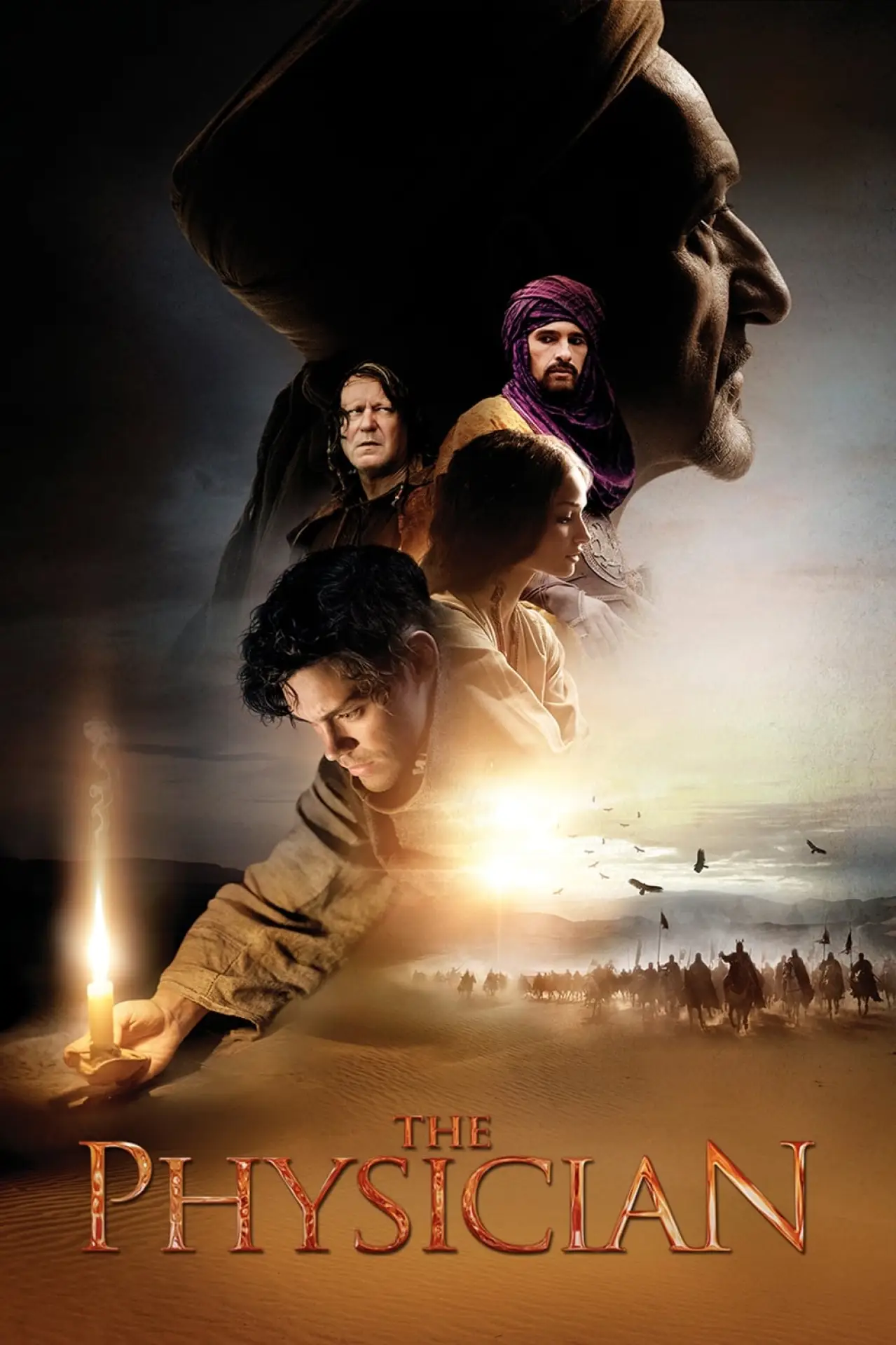
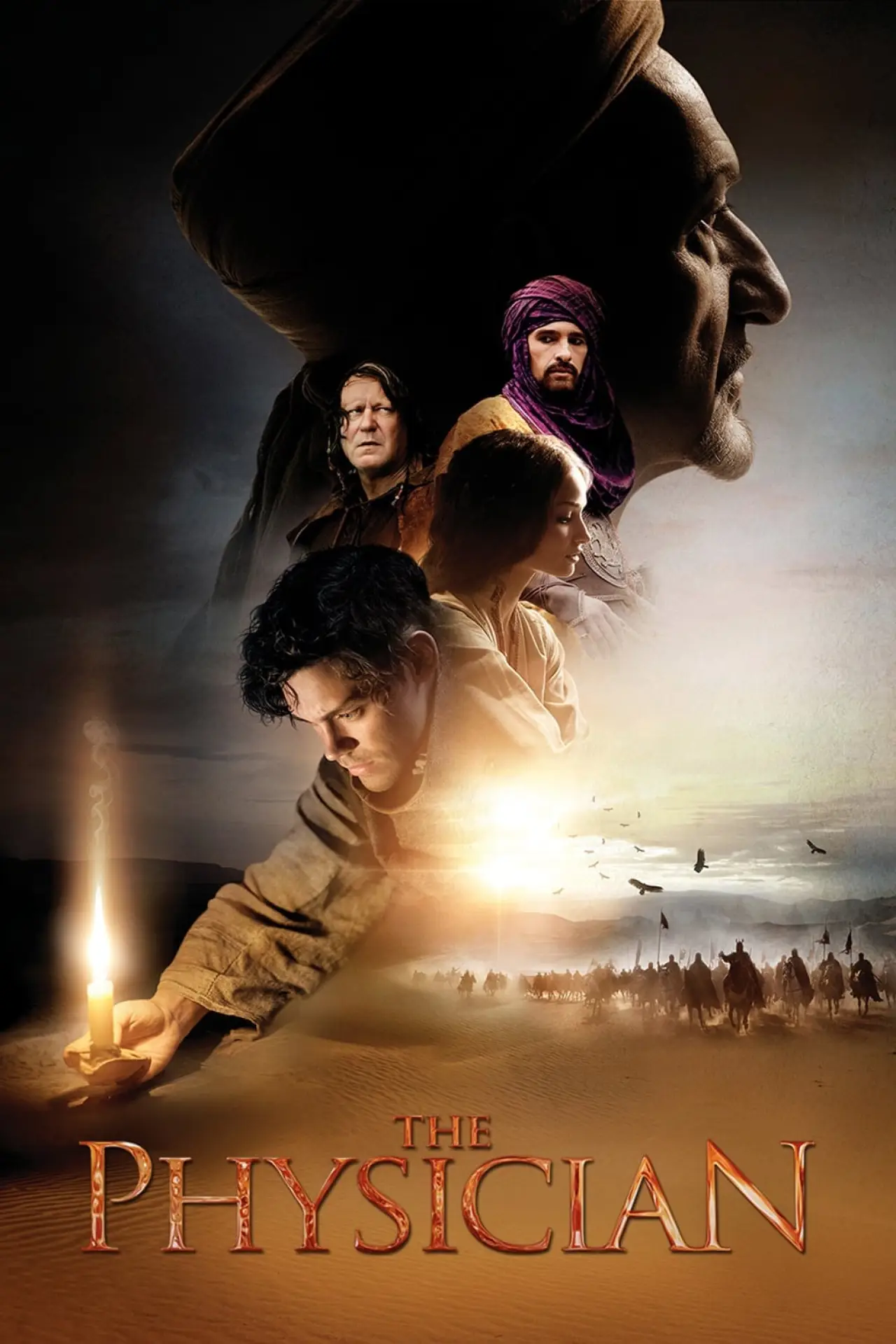
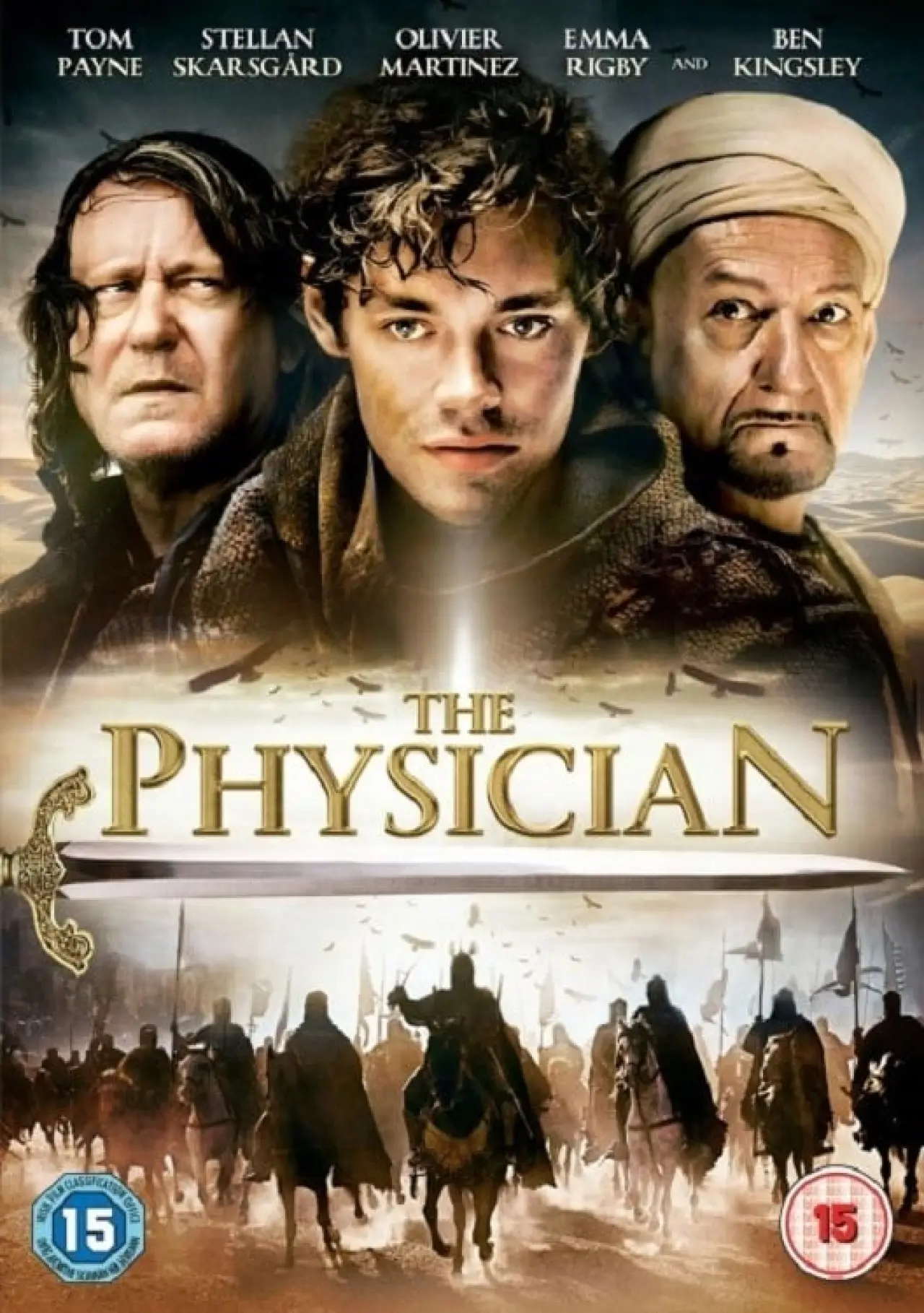
Poster to the movie "The Physician" #900582K 1501p
Poster to the movie "The Physician" #900592K 1500p
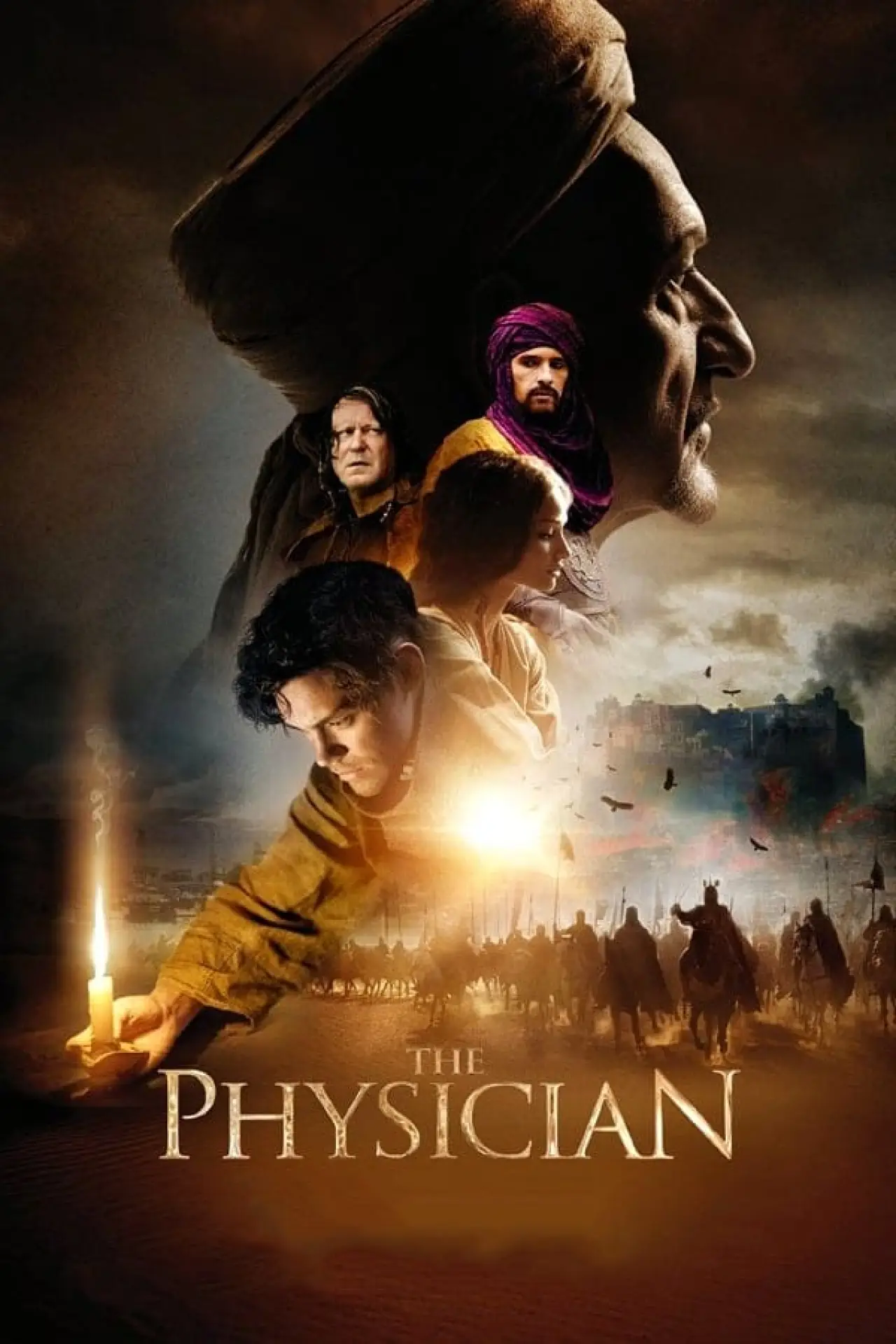
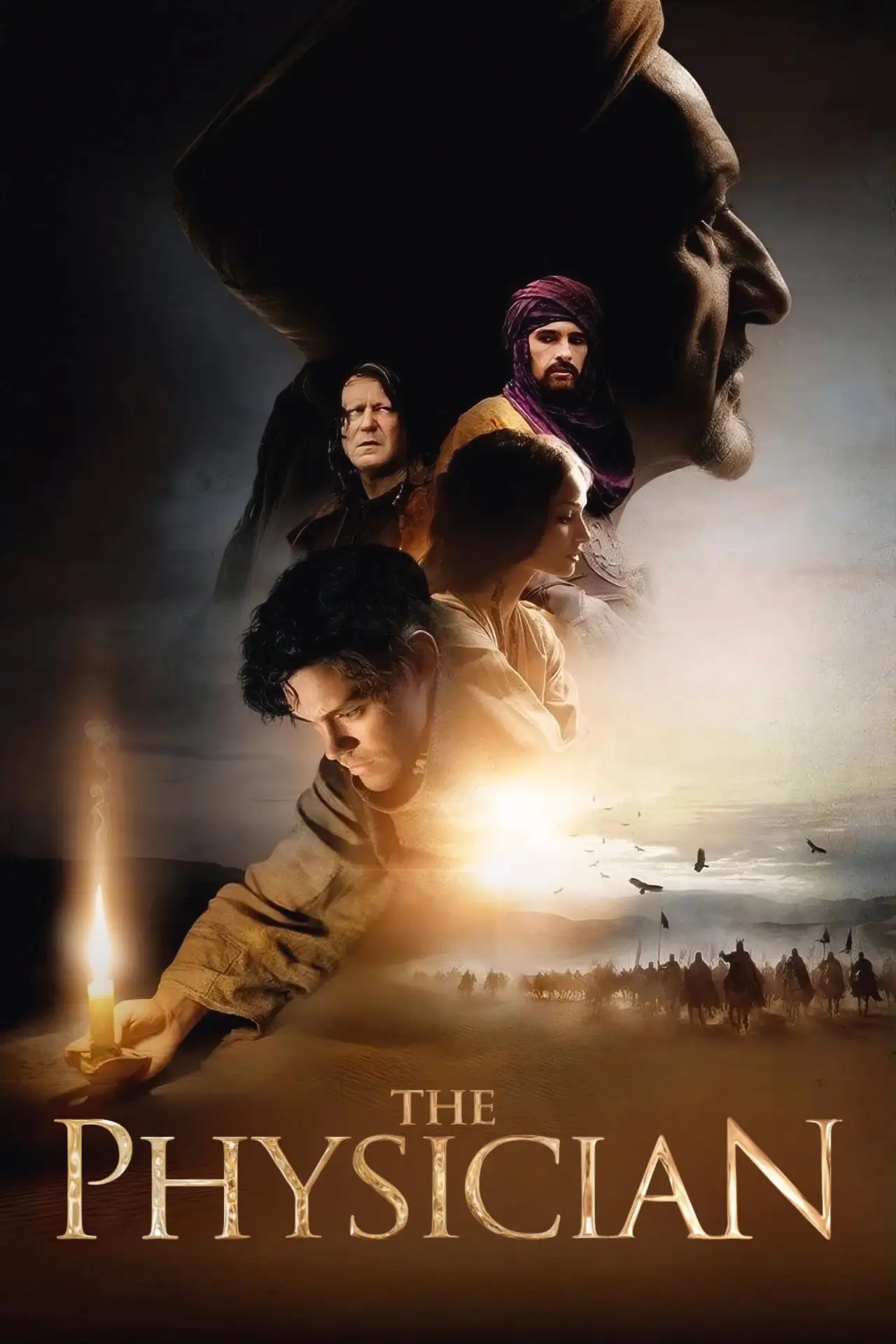
Poster to the movie "The Physician" #90060HD Ready 900p
Poster to the movie "The Physician" #90061HD Ready 750p
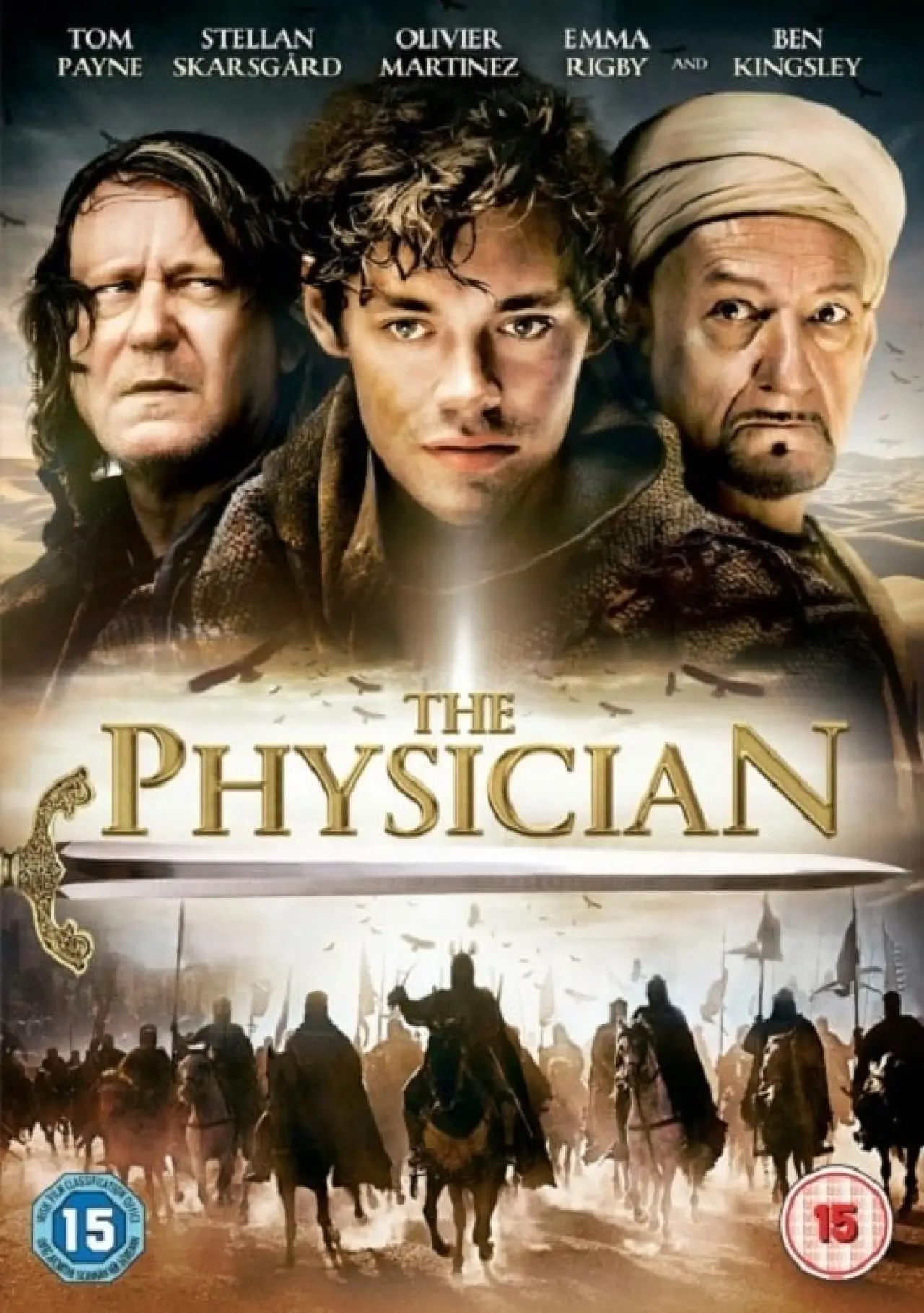
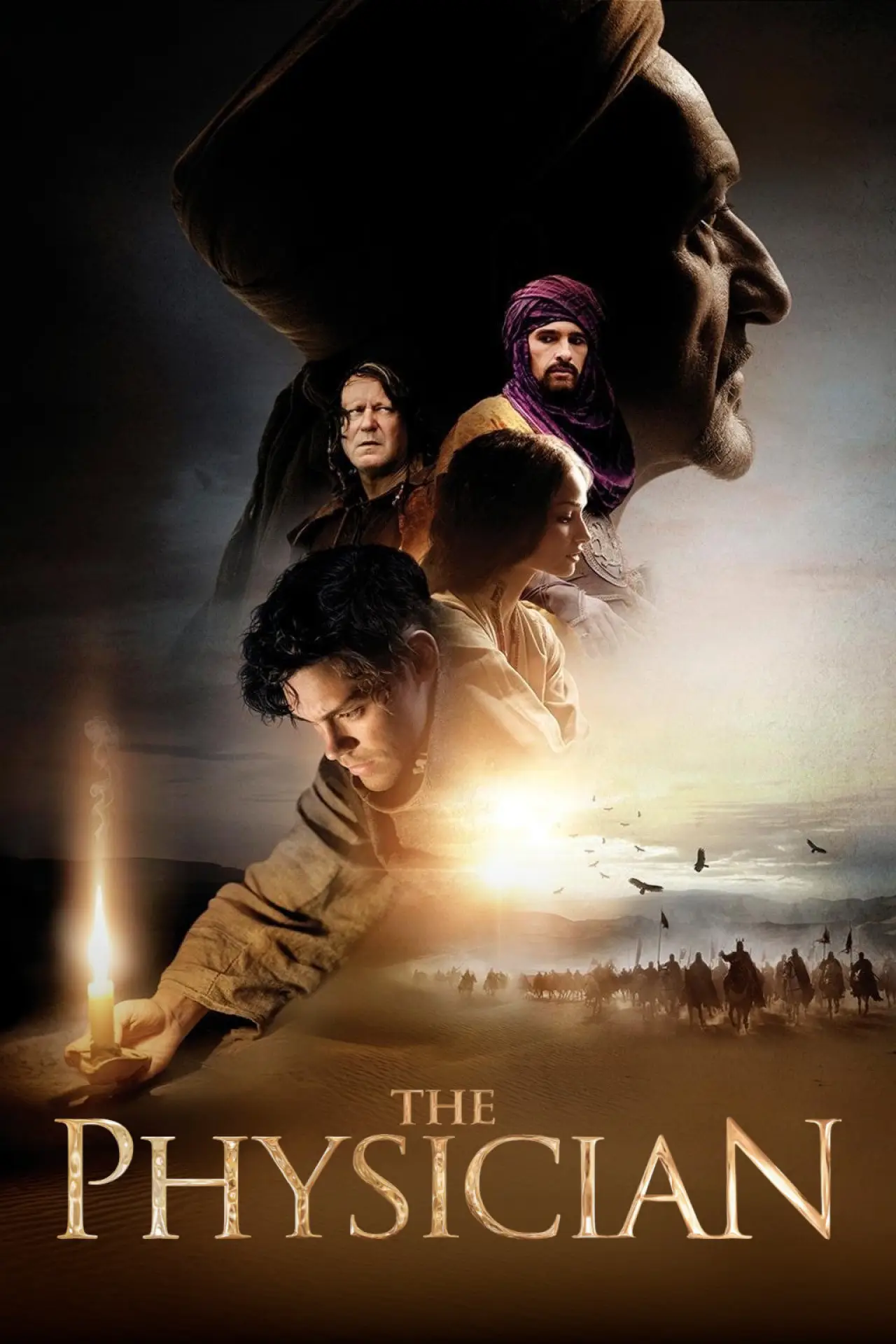
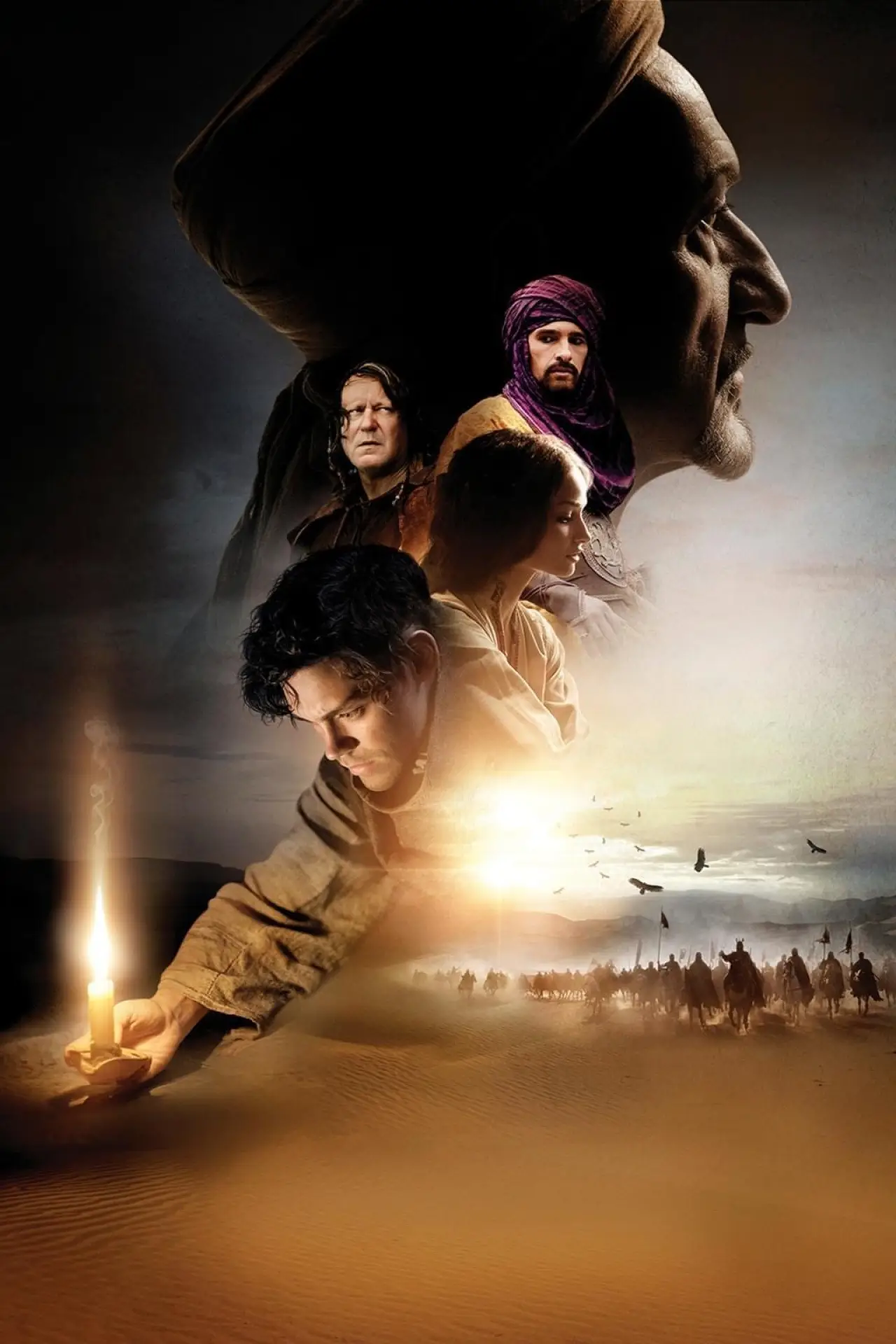
Poster to the movie "The Physician" #2241762K 1536p
Poster to the movie "The Physician" #224177Full HD 1426p

Backdrops, wallpaper

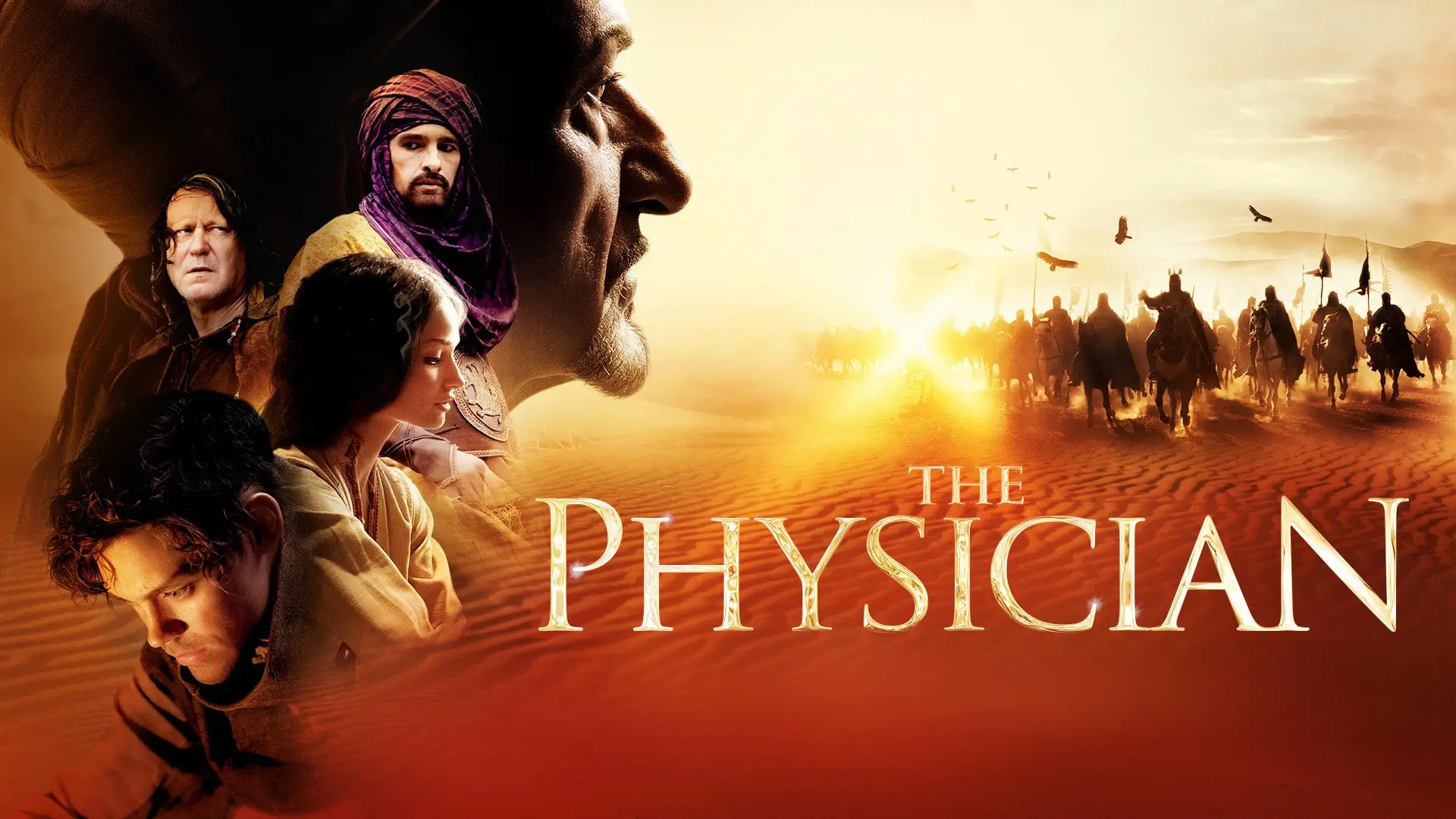
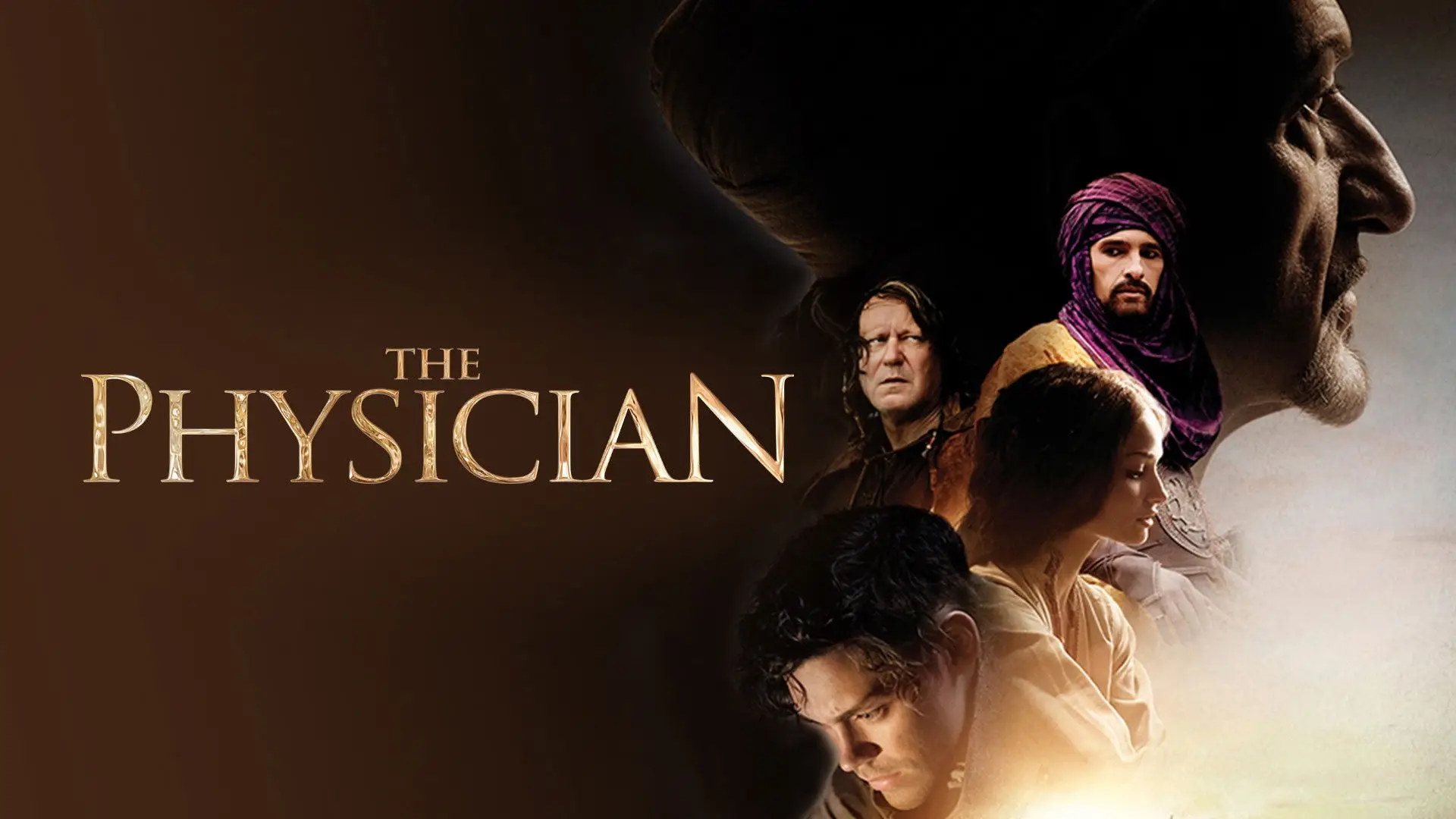
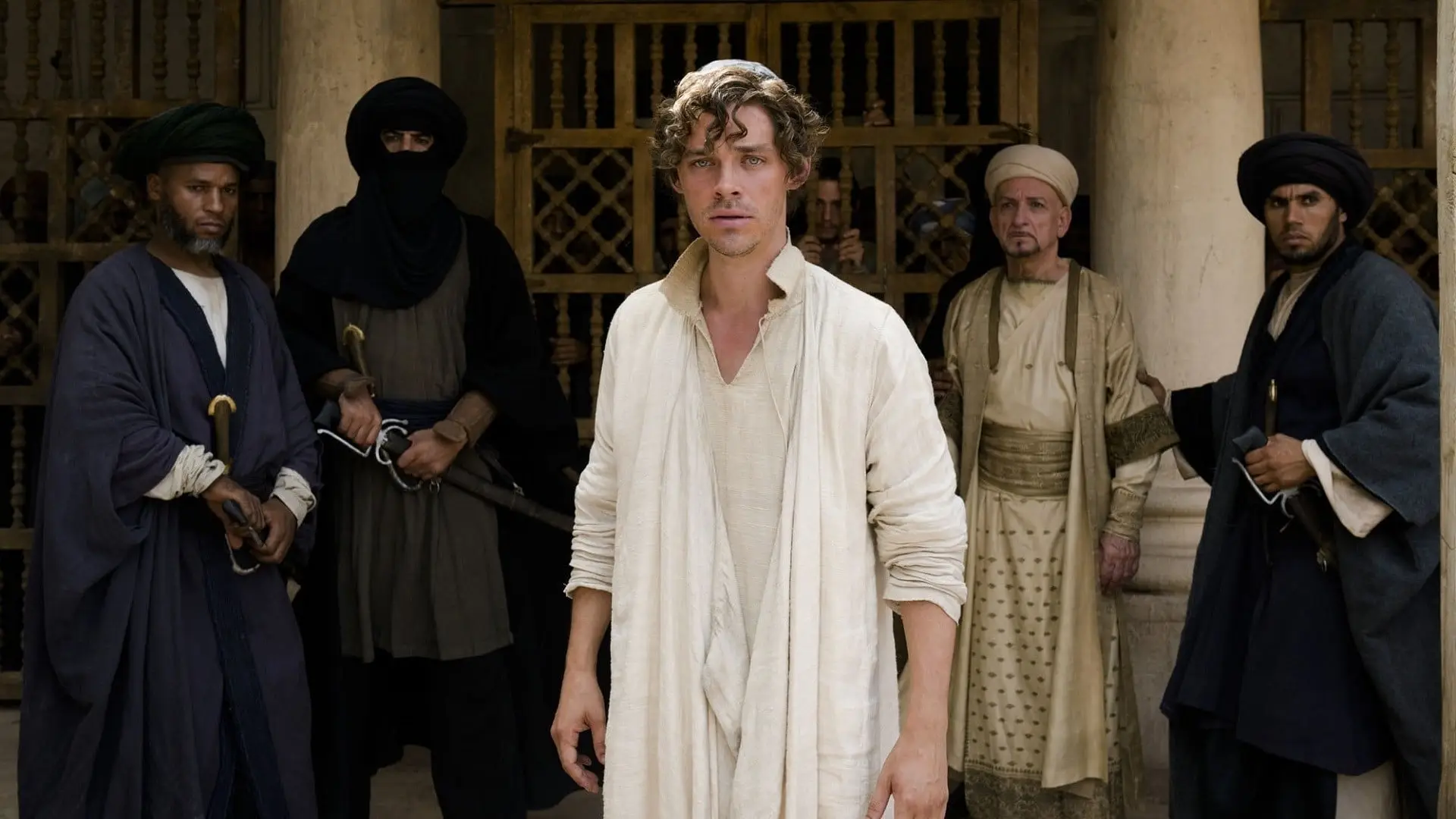
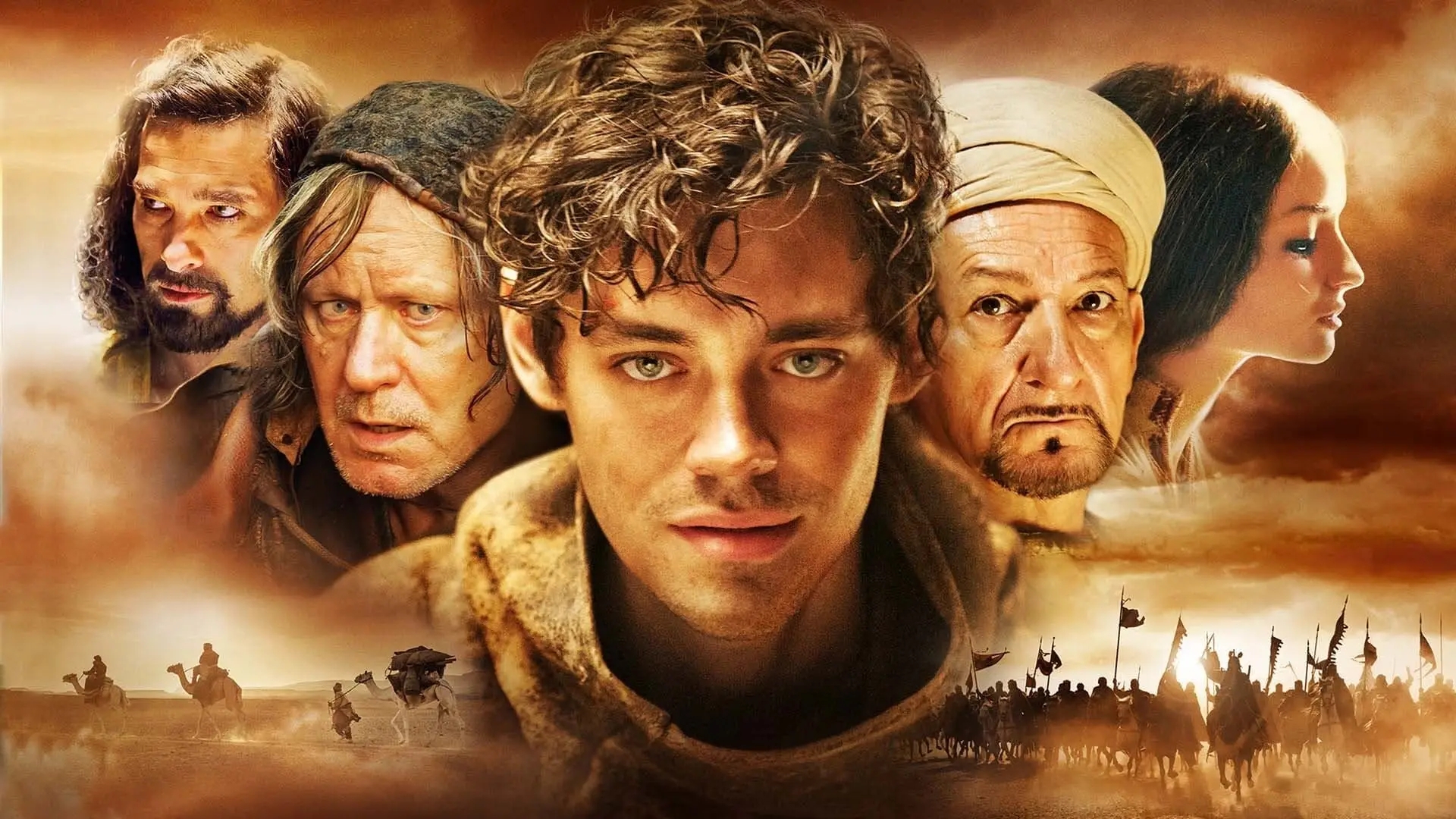
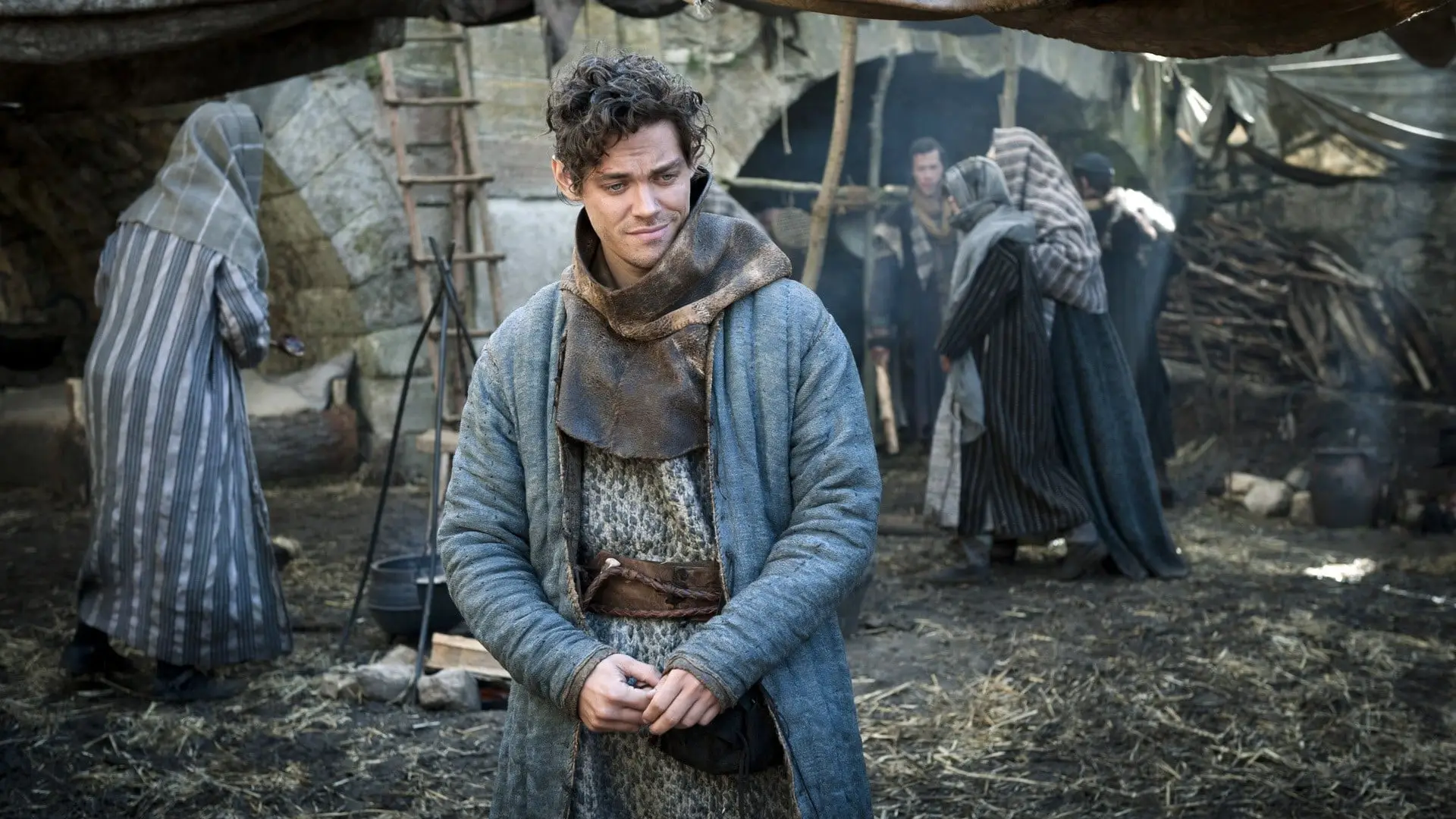
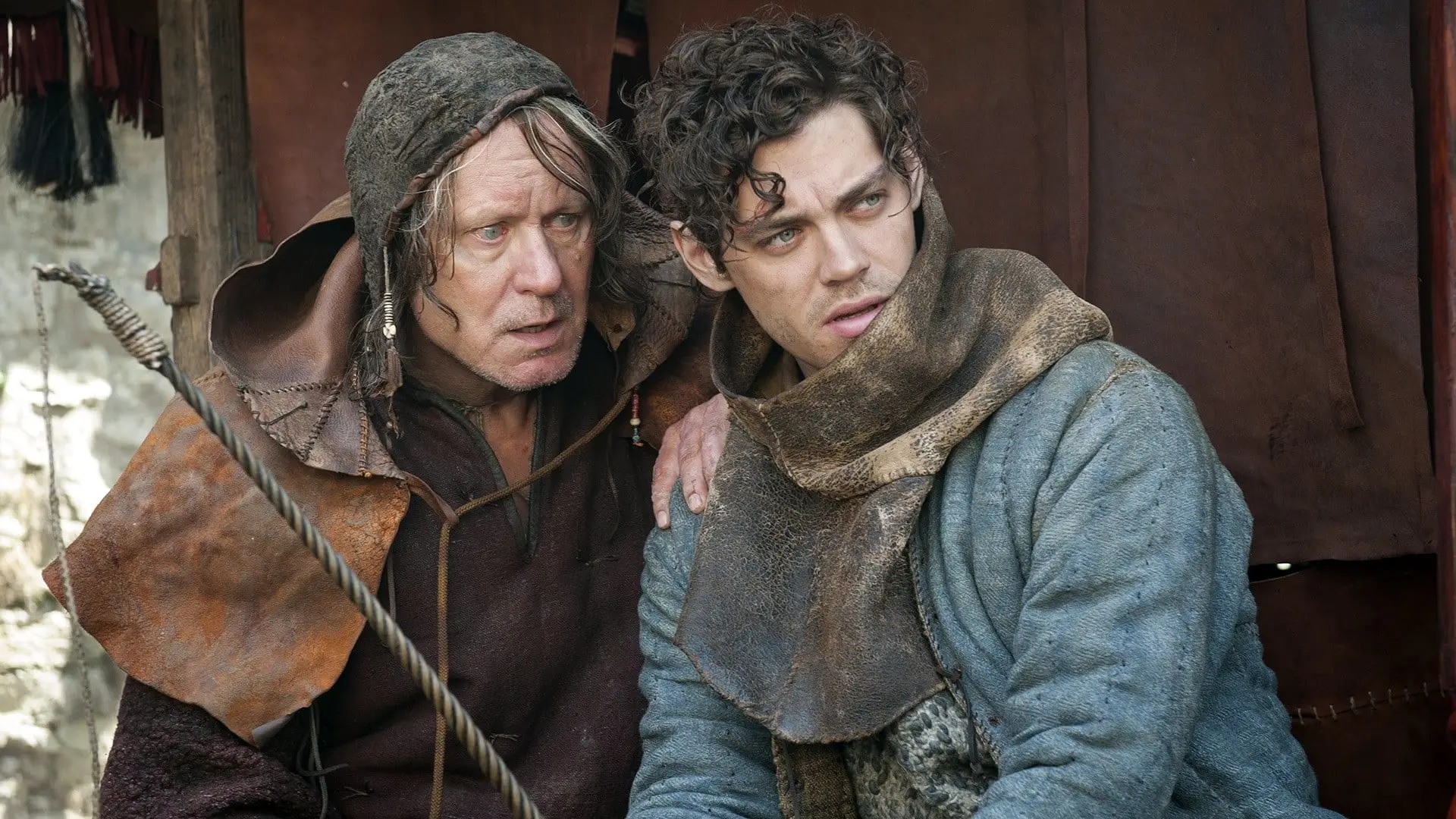
Backdrop to the movie "The Physician" #224164Full HD 1080p
Backdrop to the movie "The Physician" #224165Full HD 1080p
Backdrop to the movie "The Physician" #224166Full HD 1080p
Backdrop to the movie "The Physician" #224167HD Ready 750p
Backdrop to the movie "The Physician" #224168Full HD 1080p
Backdrop to the movie "The Physician" #224169Full HD 1080p
Backdrop to the movie "The Physician" #224170Full HD 1080p
Backdrop to the movie "The Physician" #224171Full HD 1080p
Backdrop to the movie "The Physician" #224172Full HD 1080p
Backdrop to the movie "The Physician" #224173Full HD 1080p
Backdrop to the movie "The Physician" #224174Full HD 1080p
Backdrop to the movie "The Physician" #224175Full HD 1080p

What's left behind the scenes

  • The film is based on the plot of the novel of the same name by American writer Noah Gordon.
  • For location shooting of the film, the crew traveled to Morocco and East Germany. In the eastern part of Germany, one of the last 11th-century castles in Europe has been preserved, which was perfectly suited to depict England of that era. Morocco transforms into Persia on the cinema screens.
  • The pursuit of authenticity in location shooting led to a year-long delay in production: due to unrest in Arab countries, filming scheduled for spring 2011 in Morocco had to be postponed.
  • The real historical Abu Ali Ibn-Sina (Avicenna) died of a stomach ailment, which he was ultimately unable to cure.
  • In the film, the barber Barber is cured of cataracts by Jewish doctors, after which he sees well again. In reality, in the Middle Ages, although cataract operations were performed, removing the clouded part of the lens with a spatula, thus opening access to light into the eyeball, it only allowed one to distinguish between light and shadow. After all, the lens itself, being destroyed, no longer performed any visual function.
  • Appendectomy was first performed only in the 18th century.
  • The real historical Ala al-Dawla was not a “shah,” but the emir of Isfahan, who in reality fought not the Seljuks, but the Afghans of Mahmud of Ghazni and his successor Masud I.
  • In the final episodes of the film, which are set shortly after 1037 (the death of Avicenna), the walls and towers of the Tower of London are clearly visible, although they were actually built only during the reign of King Richard the Lionheart (1189–1199).
  • On the streets of London, guards are visible wearing iron helmets resembling hats, which did not become widespread until much later.
  • The tale of Aladdin and the magic lamp was not originally included in the collection of “One Thousand and One Nights.” It is a later Western “addition” that first appeared in a French adaptation in the early 18th century.
Did you like the film?

© ACMODASI, 2010-2026

All rights reserved.
The materials (trademarks, videos, images and text) contained on this site are the property of their respective owners. It is forbidden to use any materials from this site without prior agreement with their owner.
When copying text and graphic materials (videos, images, text, screenshots of pages) from this site, an active link to the site www.acmodasi.in must necessarily accompany such material.
We are not responsible for any information posted on this site by third parties.