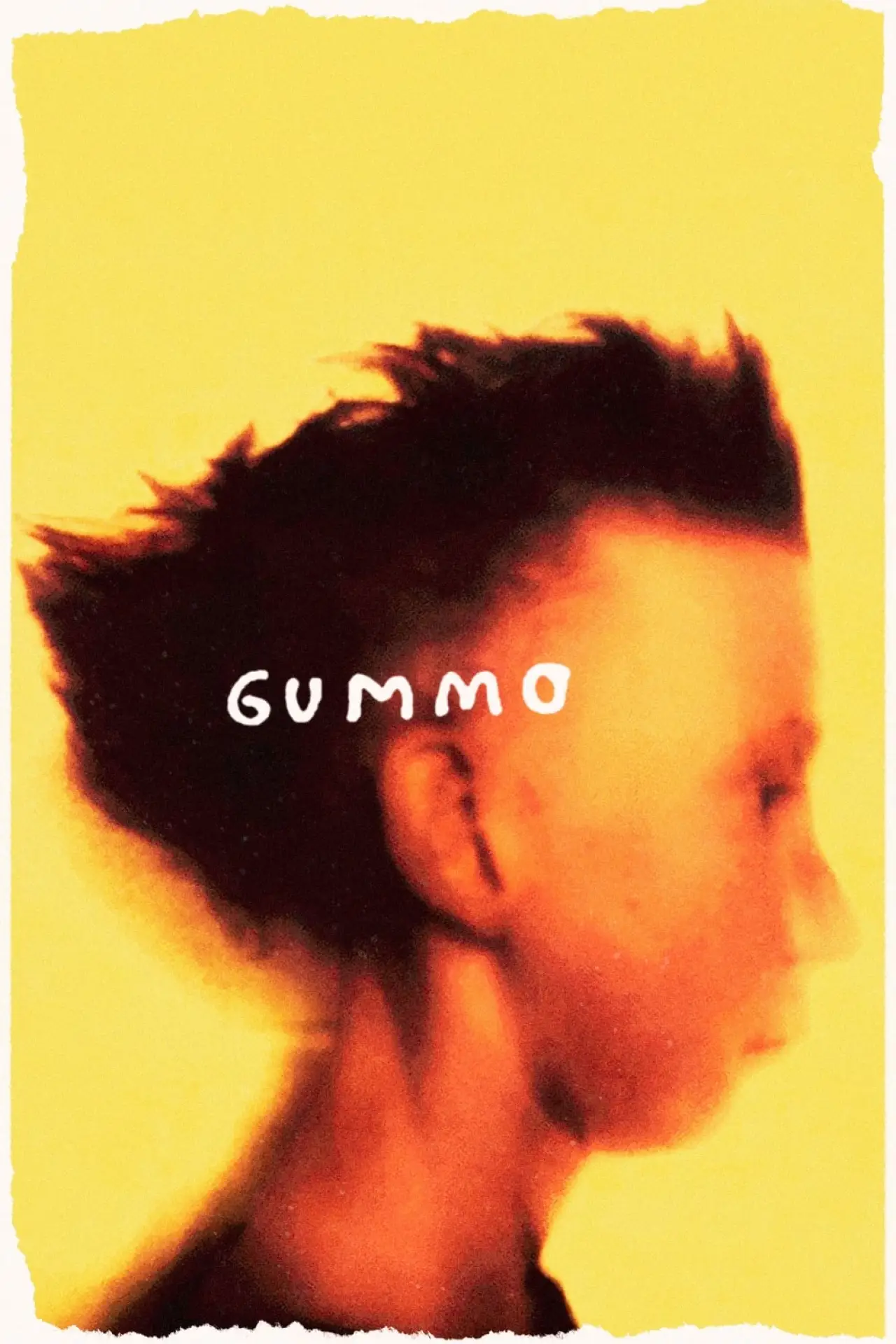
Gummo








Short description
Gummo takes place in Xenia, Ohio, a small town that never recovered from the tornado that tore through it in the 1970s. The film follows teenagers Solomon and Tummler, who fill their days with destructive and drifting pastimes in a place where there is little else to do. Around them, other residents of the town go about their strange routines, among them a boy who walks the streets in a rabbit costume. The result is less a single storyline than a series of loosely connected portraits of young people living among the wreckage of a community.
Harmony Korine wrote and directed the film, his first turn as a director after writing the screenplay for Kids. Cary Woods produced, and the cast includes Jacob Reynolds as Solomon, Nick Sutton as Tummler, Jacob Sewell as Bunny Boy, and Chloë Sevigny as Dot, alongside a large ensemble of credited performers.
Made for about one million dollars, the film was released in October 1997 and runs 89 minutes. Its reputation has settled into that of a divisive independent debut: on IMDb it holds 6.6 out of 10 from roughly 42,000 votes, the same average on TMDB from far fewer votes, while a critics' rating of 6.2 out of 10 from 61 reviews places it slightly below the audience scores. Korine went on to direct Trash Humpers, Spring Breakers, The Beach Bum, Aggro Dr1ft, Baby Invasion and In Death We've Just Begun.
What's left behind the scenes
- Actors for the film were cast during a long period of pre-production. Harmony Korine often offered roles to ordinary people he met in bowling alleys or fast-food restaurants.
- To give the image a yellowish tint, fluorescent lamps were used during the filming of the movie, rather than conventional lighting fixtures.
- The film's title uses the name of the fifth and least-known of the Marx brothers, who participated in stage productions but did not appear in the films that brought the Marx brothers widespread fame.
- In the scene where the father and son are arm wrestling, the bottles on the table disappear and reappear.
- While filming on location, director Harmony Korine and cinematographer Jean-Yves Escoffier (1950-2003) often had to flee from local residents armed with sawn-off shotguns, who believed they were filming pornography.
- Chloe Sevigny was in charge of costumes. She found most of them in thrift stores around Nashville.
- Harmony Korine wrote the screenplay from scripts of around seventy sketches he had written about life in the backwater town of Xenia, Ohio, a place he himself had never been.
Similar movies




 Auditions in India
 Casting calls in USA
 Castingi w Polsce
 Кастинги в Україні
