Late Spring


Short description
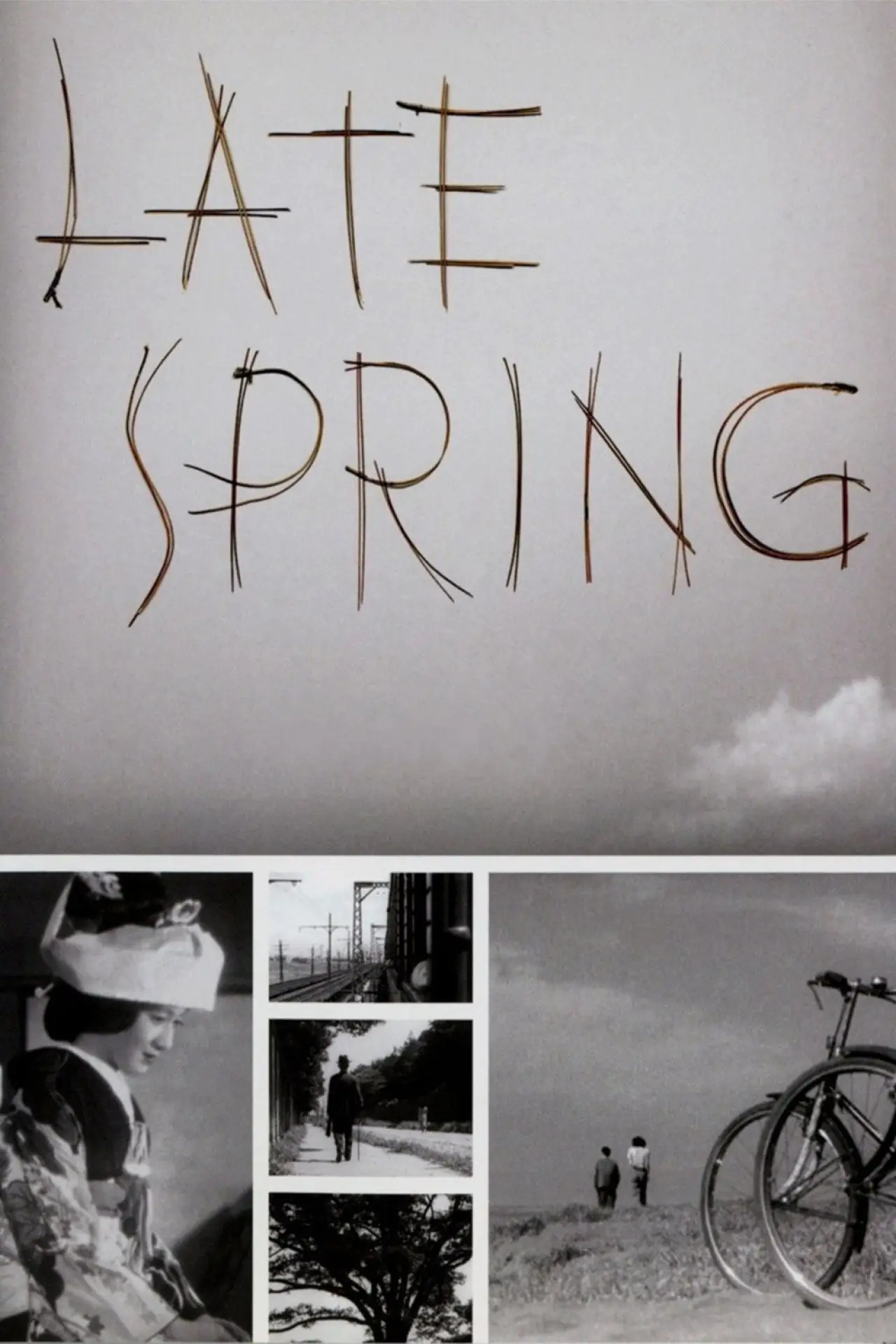
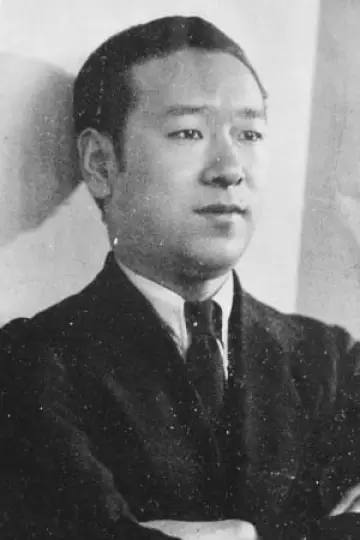
Late Spring centres on Noriko, a 27-year-old woman who lives contentedly with her widowed father, Shukichi, a professor. She has cared for him since her mother died young and has no wish to marry or leave the household. Her aunt Masa, however, presses Shukichi to arrange a match before his daughter's chances pass, and Noriko's resistance to the idea forces him to take drastic steps. Convinced he is acting in her interest, he resorts to a deception about his own plans, at some cost to his own happiness, so that she will accept a marriage.
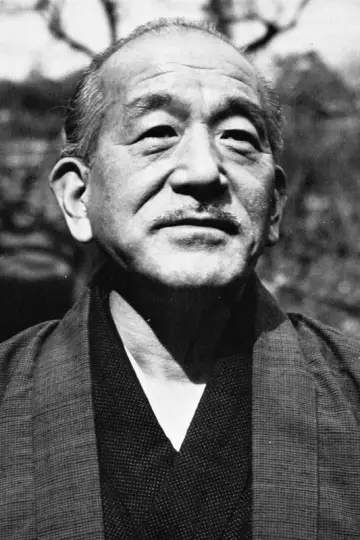
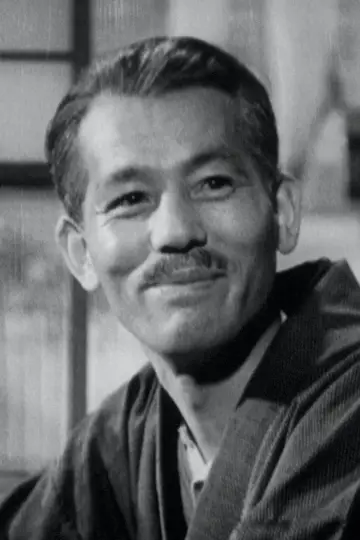
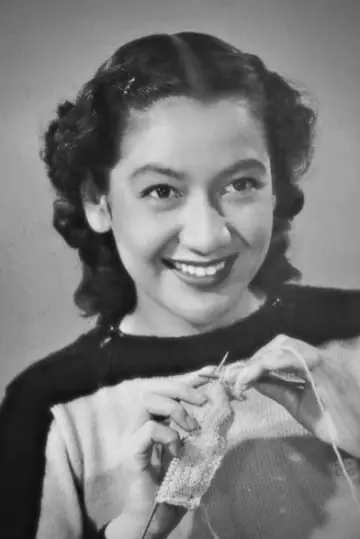
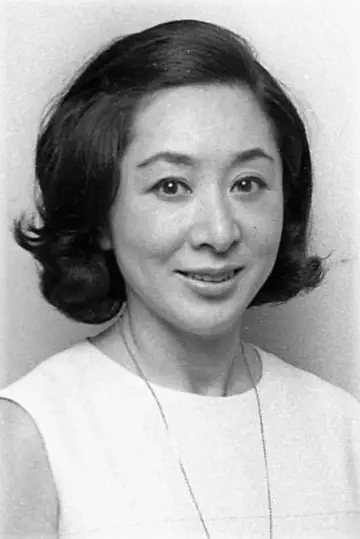
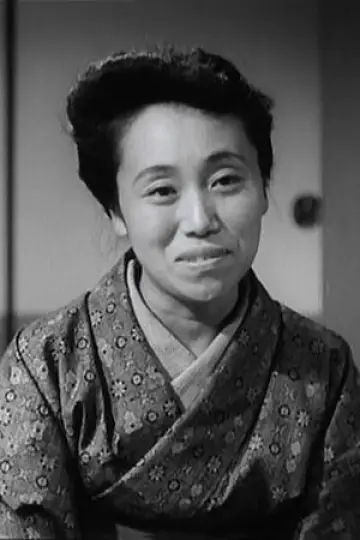
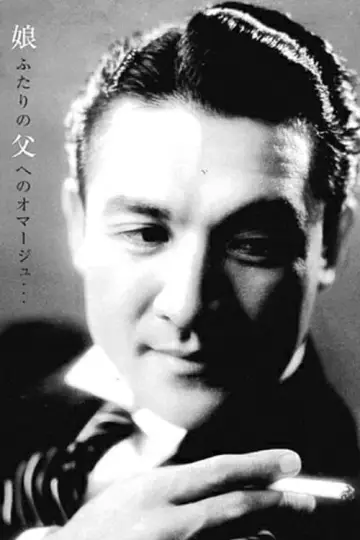
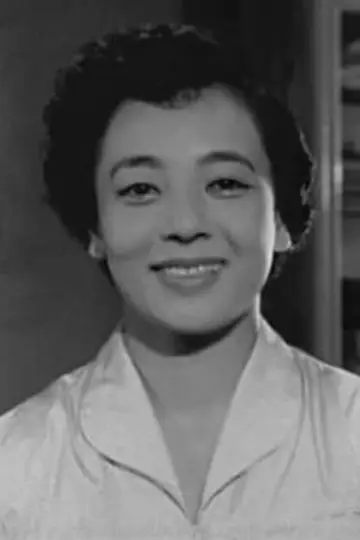
Yasujirō Ozu directed and co-wrote the film with Kōgo Noda, produced by Takeshi Yamamoto for Shochiku. It is the seventh of the sixteen features Ozu directed in chronological order, following There Was a Father and preceding Early Summer. Chishū Ryū plays Shukichi and Setsuko Hara plays Noriko, with Yumeji Tsukioka, Haruko Sugimura, Hohi Aoki and Jun Usami among the thirty credited cast members.
The film runs 108 minutes. On IMDb it holds a critics' rating of 8.9/10 from 26 reviews, while on TMDB its audience rating is 8/10 from 492 votes. The two measures sit close together, indicating a similar level of esteem from reviewers and viewers alike.
What's left behind the scenes
- Yasujiro Ozu's 42nd film was shot from May to September 1949 and is the first film in the so-called «Noriko Trilogy», which also includes «Early Summer» (1951) and «Tokyo Story» (1953).
- The film «Late Spring» is considered one of Ozu's best and most important works, largely determining his future creativity: from this point on, the main motif for him becomes the separation of parents and children, and the focus shifts from son to father. Another important aspect of the film is the conflict between traditional values and modernization (Westernization), reflecting the processes in post-war Japanese society; this conflict is expressed in the social pressure experienced by the main character regarding marriage issues, to which she is unable to resist. Since Ozu does not offer a simple way to resolve this conflict, the film allows for a wide range of interpretations – from expressing conservative views to a radical rejection of traditions.
- The film is based on Katsuo Hirotsu's novel «Father and Daughter».
- The film received the Kinema Jumpo award for Best Film, as well as four Mainichi Film Awards: for Best Film, Best Director, Best Screenplay, and Best Actress (Setsuko Hara).




 Auditions in India
 Casting calls in USA
 Castingi w Polsce
 Кастинги в Україні

