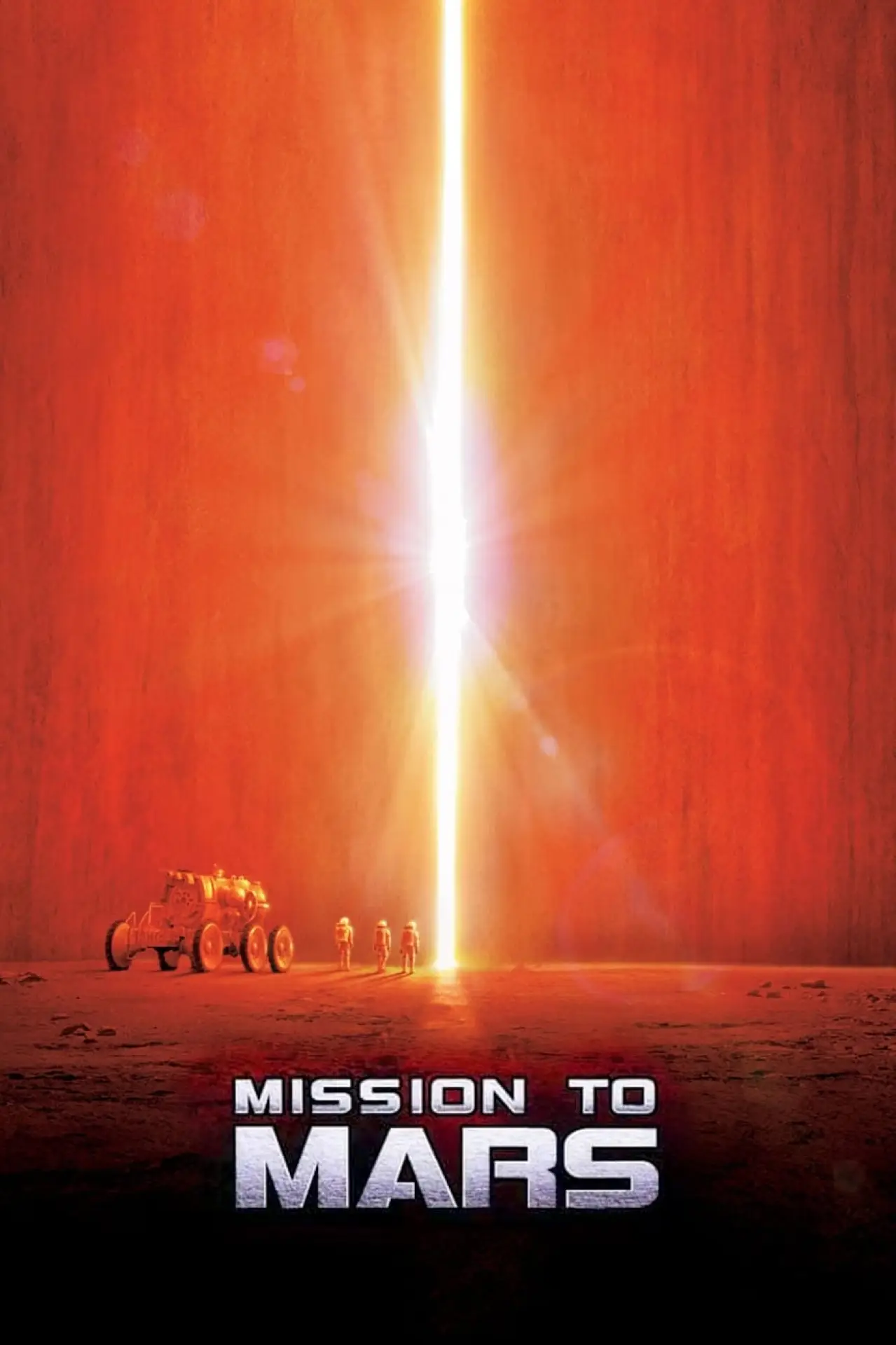
Mission to Mars
For centuries we've been looking for the origin of life on earth. We've been looking on the wrong planet.



![Watch film Mission to Mars — Mission to Mars (2000) Original Trailer [HD]](https://i.ytimg.com/vi/njIN5HU4UMQ/sddefault.jpg)
Country
Production
Genre
Budget
$90 000 000
Revenue
$110 983 407
Director
Actors
Scenario
Producer
Tom Jacobson, Sam Mercer
Operator
Stephen H. Burum
Composer
Artist
Ed Verreaux, Aaron Pfau, John Marcynuk
Audition
Denise Chamian, Stuart Aikins
Editing
Short description
When the first manned mission to Mars meets with a catastrophic and mysterious disaster after reporting an unidentified structure, a rescue mission is launched to investigate the tragedy and bring back any survivors.
What's left behind the scenes
- The film depicts the human genome as a single molecule of DNA. In reality, the human genome consists of 46 chromosomes, each of which consists of one molecule of DNA.
- The Martian landscape was created in a huge sand quarry near Vancouver. It turned out to be one of the largest sets ever built for filming – with an area of approximately 185,000 square meters.
- The creation of each spacesuit cost approximately $100,000. The cost of a real spacesuit used by NASA varies from $10 million to $12 million.
- Over 53,000 liters of paint were used to paint the ground.
- Many props from the film, including a model of the spacecraft, now form a display near one of the attractions at Walt Disney World in Florida.
- Initially, Gore Verbinski was the film's director. Then the film's budget was increased, and Brian De Palma began to show interest in the project. When he became the director, some changes were made to the plot.
- The rock behind the astronauts weighed over 900 kilograms.
- The design of all the spacecraft was based on the design of spacecraft actually used by NASA. Materials genuinely used by aerospace companies were used in their construction.
- In creating the "face on Mars" and the alien hologram, the filmmakers drew inspiration from the works of Constantin Brâncuși, a French sculptor of Romanian origin, particularly his "Sleeping Muse" from 1910.
- Mars lacks sufficient moisture for cloud formation, and footage from space demonstrates their complete absence. However, after astronauts land on the planet's surface, significant cloud cover can be observed, including so-called cumulonimbus clouds (which produce heavy rainfall).
Similar movies
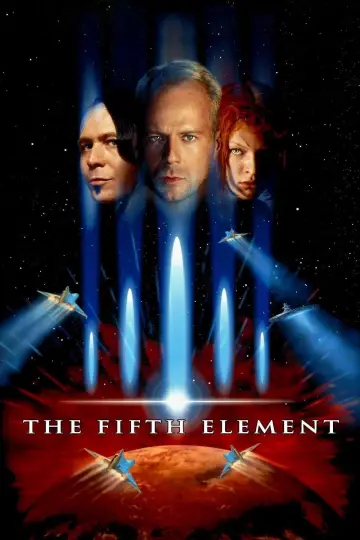
8/10

7.8/10
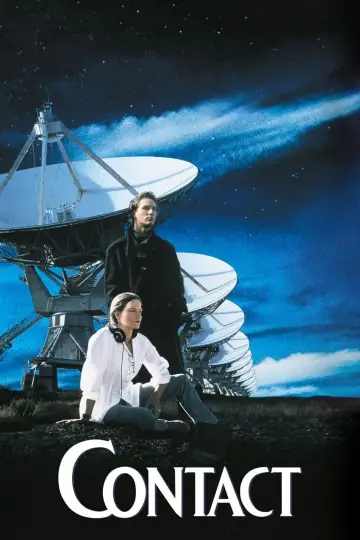
7.8/10
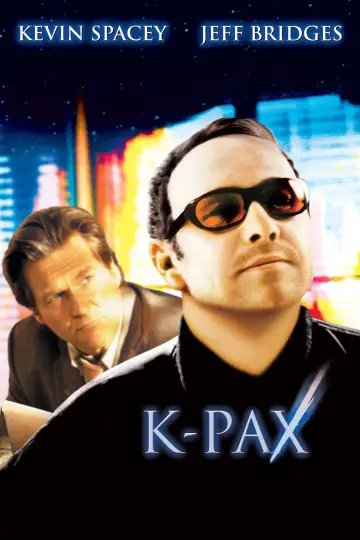
7.8/10
7.7/10
7.5/10
7.4/10
7.4/10
7.4/10
7.4/10


 Auditions in India
 Casting calls in USA
 Castingi w Polsce
 Кастинги в Україні
