Turkish Delight






Short description
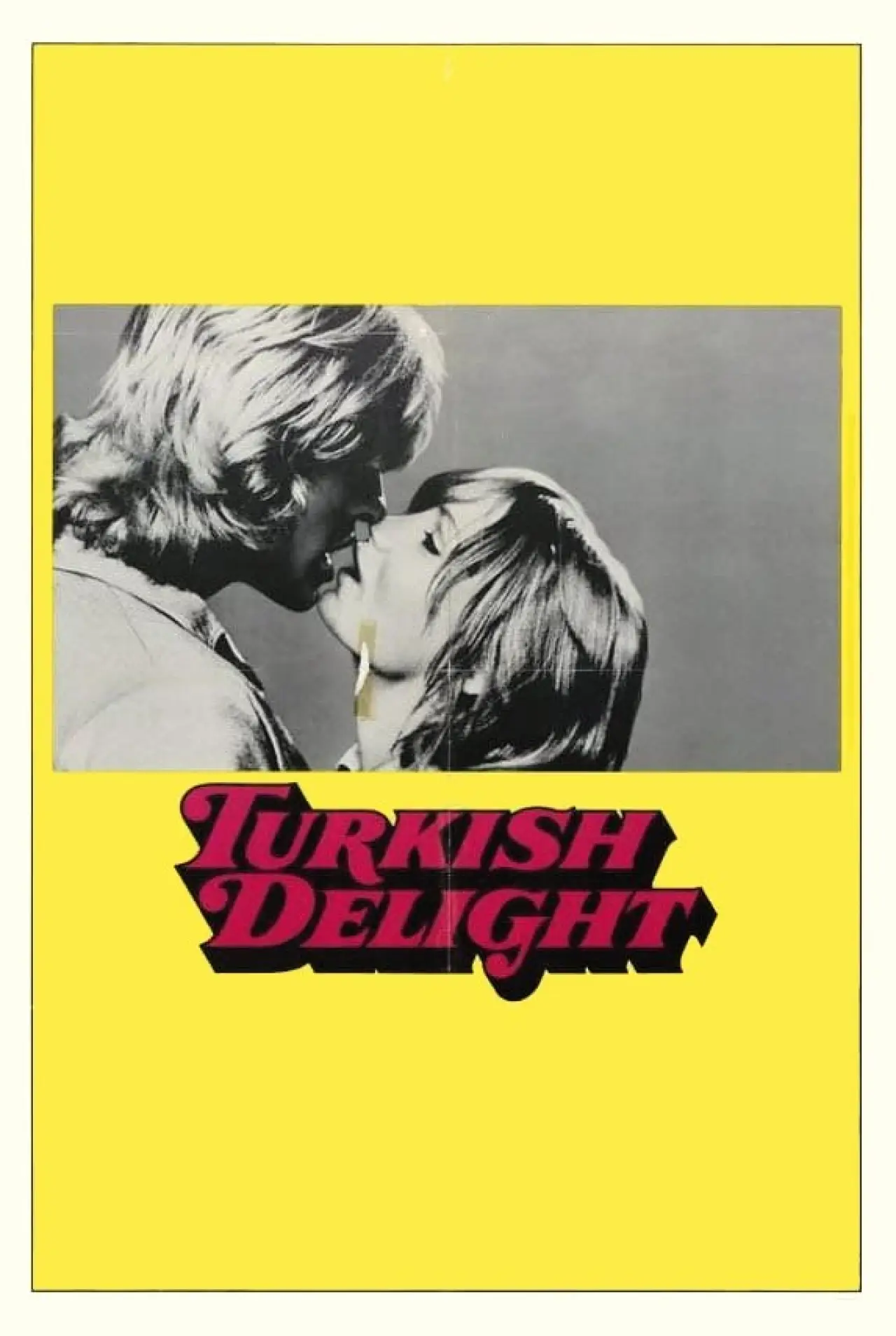
Turkish Delight, released in 1973, centres on Erik, a sculptor in Amsterdam with a rebellious streak and a taste for casual affairs. A chance encounter with a young woman named Olga, who gives him a lift while he is hitchhiking, turns into an intense and physical relationship. The two marry, but their happiness is short-lived: Erik's appetite for other women and Olga's insistence on living as she pleases pull them apart, and she eventually leaves with a wealthy American. Years later Erik runs into her again and learns how far her life has drifted.
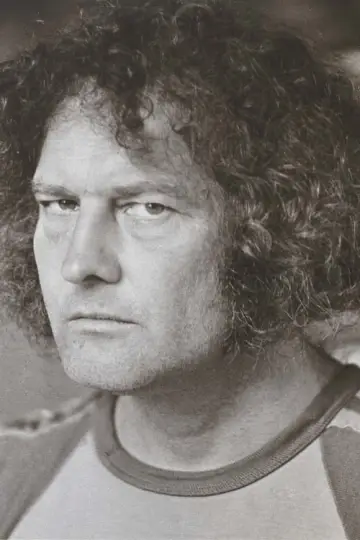
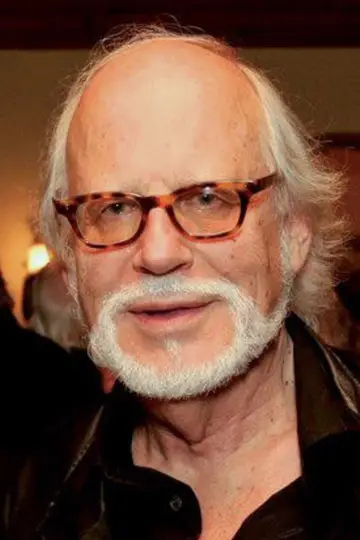
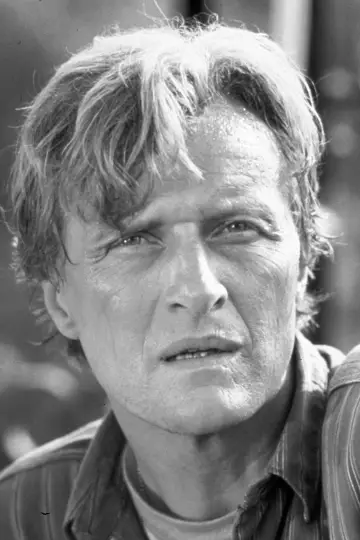
Paul Verhoeven directed the film, the first of the sixteen features listed for him in chronological order, ahead of Katie Tippel in 1975. Gerard Soeteman wrote the screenplay and Rob Houwer produced it for Verenigde Nederlandsche Filmcompagnie and Rob Houwer Film Holland. Monique van de Ven plays Olga and Rutger Hauer plays Erik, with Tonny Huurdeman, Wim van den Brink, Hans Boskamp and Dolf de Vries among the credited cast of forty. It runs 108 minutes.
On IMDb the film holds a rating of 7.1/10 from around 13,000 votes, while on TMDB it sits at 6.8/10 from roughly 218 votes, a lower figure drawn from a far smaller group. A critics' rating of 7.2/10 from seven reviews places it slightly above the audience scores on IMDb and TMDB.
What's left behind the scenes
- A more accurate translation of the title is “Turkish Delights”.
- Director Paul Verhoeven and cinematographer Jan de Bont had just watched William Friedkin’s thriller “The French Connection” (1971) and unanimously decided that for their future film, an emphasis on realism with natural lighting, handheld camera work, etc., would be ideal. However, after the start of filming, Verhoeven “backed down” and decided to return to shooting with stationary cameras and artificial lighting, as in his own 1971 film “Diary of a Hooker.” De Bont categorically refused to follow Verhoeven’s instructions and shot the first scenes of the film as they had originally envisioned. This led to a quarrel between Verhoeven and de Bont, and three days after the start of filming, Verhoeven almost fired the cinematographer. However, having seen the first results of the shooting, he found the courage to admit that he was wrong and that de Bont was right.
Similar movies




 Auditions in India
 Casting calls in USA
 Castingi w Polsce
 Кастинги в Україні
