Kill Bill: Vol. 1






Short description
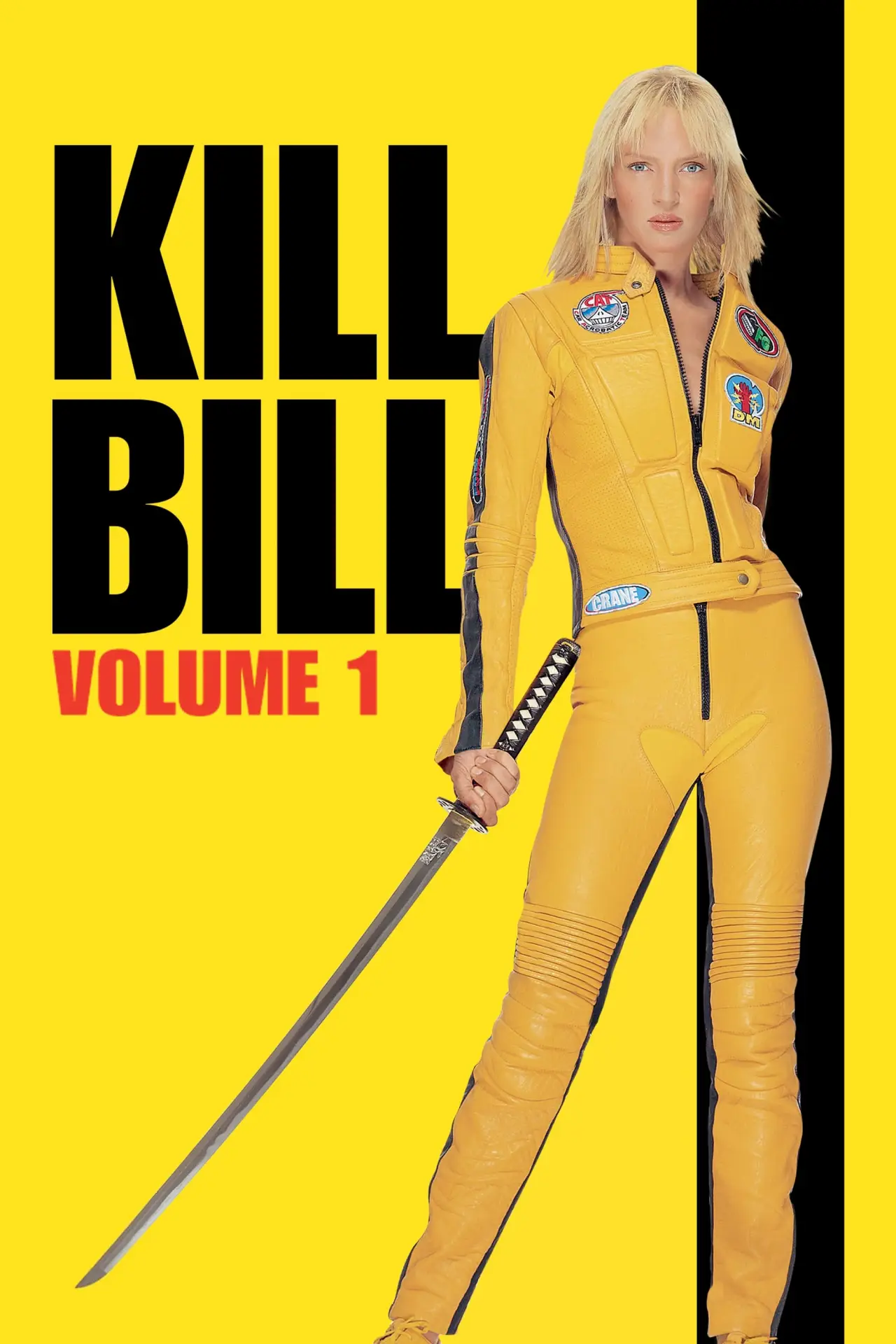
A woman who works as a professional killer, known as the Bride, is attacked along with everyone present at her wedding by order of her employer and former lover, Bill. She survives the massacre and wakes from a long coma determined to track down the people responsible, working her way through the members of Bill's circle of assassins before finally confronting the man who gave the order.
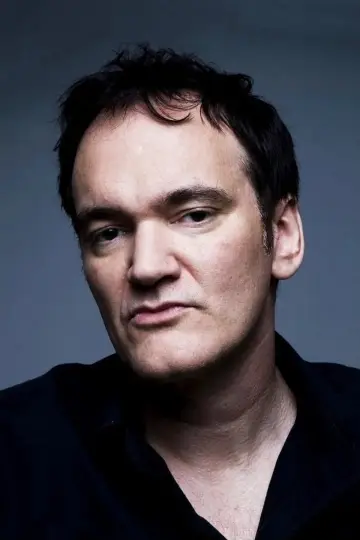
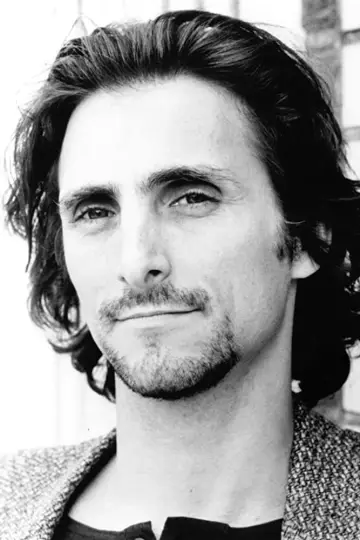
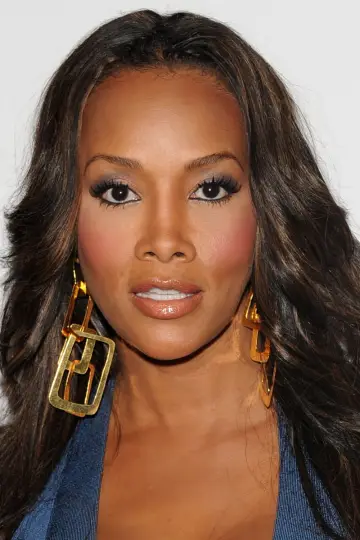
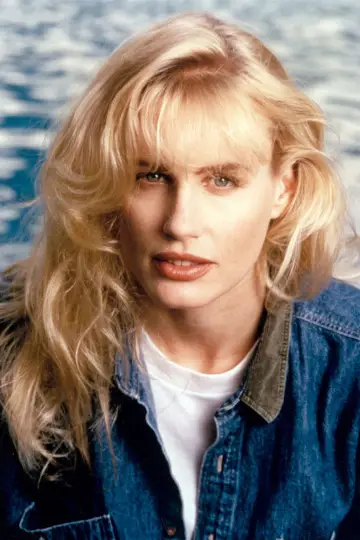
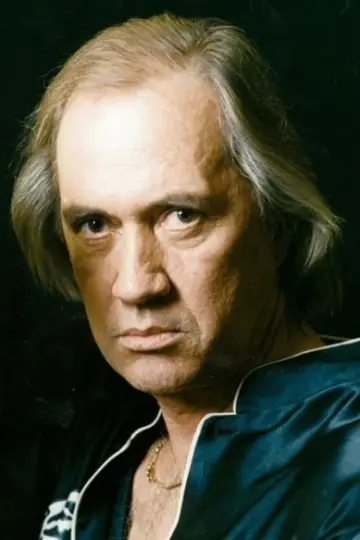
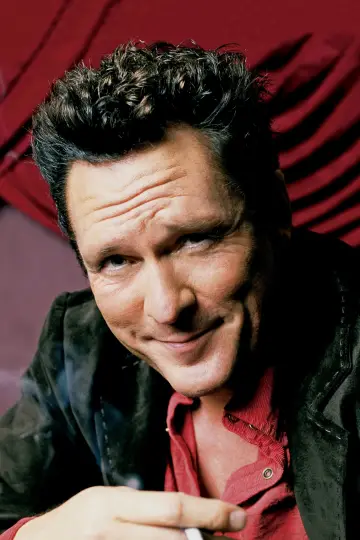
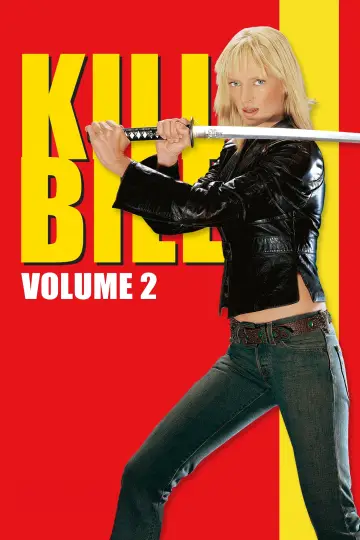
Quentin Tarantino directed and wrote the film, which he made after Jackie Brown and which stands as the sixth of the sixteen features he has directed; it was followed the next year by a second part continuing the same story. Uma Thurman plays the Bride, with Lucy Liu, Vivica A. Fox, Daryl Hannah, David Carradine and Michael Madsen among the credited cast. The production, backed by Miramax with A Band Apart and Super Cool ManChu, cost about 30 million dollars and took roughly 181 million dollars worldwide, a strong return on its budget.
Audience response has been consistently high: on IMDb it holds 8.2 out of 10 from well over a million votes, and on TMDB 8 out of 10 from close to twenty thousand. A critics' rating of 8 out of 10 from 238 reviews places it in line with those audience scores.
What's left behind the scenes
- Quentin Tarantino postponed the start of filming for a year due to Uma Thurman's pregnancy.
- Warren Beatty and Kevin Costner were considered for the role of Bill.
- Quentin Tarantino suggested Uma Thurman play the Bride on her thirtieth birthday.
- To achieve a memorable visual style reminiscent of 1970s Chinese martial arts films, Quentin Tarantino compiled an extensive list of films that Robert Richardson (cinematographer) needed to watch. The list included films by Chang Cheh and the Shaw brothers. Tarantino also forbade the use of computer special effects. Tarantino insisted that the gushing fountains of blood be made in the traditional style of Chang's films: condoms filled with fake blood are sprayed when pressure is applied to them.
- Some of the filming took place at the legendary 'Shaw Bros. studio' in Hong Kong.
- According to Quentin Tarantino, all the music for the film was taken from other movies. Quentin selected music from his extensive soundtrack collection.
- 450 gallons of fake blood were used during the filming of the first and second parts of the film.
- The names of the "DiVAS" members repeat the names of snakes: Sidewinder, Black Mamba, Cottonmouth, Copperhead, California Mountain snake. Additionally, the enemies of Captain America were also named the same way.
- Quentin Tarantino and Miramax Studios purchased the rights to a song from the film 'Master of the Flying Guillotine' (1976).
- The black and white scenes are a reference to television versions of kung fu films released in the US in the 1970s-1980s. Distributors deliberately 'colored' the films in black and white to avoid censorship complaints about fountains of blood. Originally, Quentin's film was not supposed to have black and white scenes, but at the insistence of the ratings board, some episodes had to be desaturated.
- Michael Parks played Sheriff Earl McGraw. The character Parks played was named exactly the same in 'From Dusk Till Dawn' (1995), only there he was a Texas Ranger.
- The Japanese characters in the background on the movie poster read "kirubiru," which means "Kill Bill."
- According to Quentin Tarantino, he originally planned to cast three actors of different nationalities representing the corresponding country: Jia Huiliu – China, Sonny Chiba – Japan, David Carradine – USA. Tarantino said that if Bruce Lee were still alive, he would have done everything possible to get him in the film.
- The church scene was filmed in the Mojave Desert.
- The title of the second chapter – “The Blood-Splattered Bride” – is a reference to the film “Bloody Bride” (1972), which was released in the US under the title “The Blood Splattered Bride”.
- Approximately $65,000 was spent on creating the Japanese blades.
- “Kill Bill: Volume 1” was the first film to receive an “R” rating in Canada according to the new film rating rules. Under the old rating system, the film would most likely have received a “18A” – individuals under eighteen must be accompanied by individuals over eighteen. According to the new rating system, “R” means – individuals under 18 are not admitted to view the film.
- Quentin Tarantino is a big fan of the film “Battle Royale” (2000), so he invited Chiaki Kuriyama, who played Takako Chigusa in “Battle Royale,” to play Gogo Yubari.
- The composition “Ode to O-Ren Ishii” is the title track from the film “Seven Notes in Darkness” (1977).
- According to Quentin Tarantino, if Warren Beatty had agreed to play Bill, the character would have been in the style of James Bond.
- The characters running vertically from top to bottom on the left side of the screen in the opening scenes are kanji and hiragana, read as “Hana yome ga kuru, hana yome ga kuru…”, which means “The bride is coming, the bride is coming…”
- Daryl Hanna's character is named Elle Driver. The company responsible for "Boogie Nights" (1997), a documentary about the making of "From Dusk Till Dawn" (1995), is called "L. Driver Productions".
- The map with which we can track the Bride's journey around the world also appears in "Jackie Brown" (1997).
- A piece of music playing in the animated sequence is borrowed from "Once Upon a Time in the West" (1968).
- The scene where the Bride fights against a blue screen, and we see her silhouette, is a reference to "The Samurai Story" (1998).
- According to Shingon, one of the main Buddhist schools in Japan, the number 88 represents all evil in the world.
- Quentin Tarantino wrote the screenplay for the film over six years. The rough draft, not divided into two parts, was 220 pages long. It is now easily found online.
- "Kill Bill" was the first film in Quentin Tarantino's career where the word "fuck" is uttered less than one hundred times during the film: only seventeen times.
- GoGo Yubari is not a real Japanese name. "GoGo" is a shortening of Mako GoGoGo, a character from Japanese anime that Quentin loved as a child. Yubari is the name of a small town on the island of Hokkaido, northern Japan. Tarantino first came to Japan for the "Yubari International Fantastic Film Festival," where he presented his first film, "Reservoir Dogs" (1991).
- Originally, Michael Madsen was supposed to play Johnny Mo, but Quentin Tarantino later decided he was more suitable for the role of Budd.
- The sheriff (Michael Parks) in the films "Kill Bill," "Planet Terror," and "Death Proof" is the same person. The events of the film (where he appears in cameos) take place in Texas.
- Quentin Tarantino often collaborates with Robert Rodriguez on his projects. Tarantino paid Rodriguez $1 for the music to "Kill Bill." Rodriguez didn't remain in debt and paid Tarantino $1 as a guest director in "Sin City." But he promised that in the second part of the film, everything would be more serious and he would pay Quentin $2.
- Earl McGraw (Michael Parks) calls his son “son number one,” which is a reference to the Charlie Chan films.
- The phrase “Revenge is a dish best served cold” is borrowed from the film “Star Trek VI: The Undiscovered Country” (1991).
- The music playing before the fight between The Bride and O-Ren Ishii (Lucy Liu), and The Bride and Vernita Green (Vivica A. Fox) is the main theme from the series "The Iron Side" (1967).
- The musical theme from the series "The Green Hornet" (1966) is heard in the scene where The Bride races on a motorcycle through nighttime Tokyo.
- When The Bride addresses the surviving Crazy 88, Quentin Tarantino is among them.
- In each of his films, Quentin Tarantino creates a long scene filmed in one take. In *Kill Bill*, this scene is: The Bride walks away from the door of O-Ren’s room in the “House of Blue Leaves” (when Gogo returns to the room), we follow her down the stairs through the bar, past the kitchen, into the women’s restroom. Then we exit the restroom, return to the stairs, meet Sofie and follow her into the women’s restroom. The end of the scene – a cell phone rings. All of this was filmed in one take, without any editing cuts. Preparation for the shooting took six hours. The scene was shot in one take. Rumor has it that after filming was completed, Larry McConkey (the cinematographer) fainted from physical exhaustion.
- In the restaurant, The Bride kills 57 people.
- Although the Bride's name is never spoken in the film, it can be discovered by carefully looking at her ticket to Okinawa, which clearly states the full name of Uma Thurman's character.
- The song that plays after the fight between the Bride and O-Ren is the main theme from “Lady Snowblood” (1973). The song's title is “Shura no hana”.
- The box containing Vernita Green's gun is a box for “KaBoom!” cereal.
- The fight in “The House of Blue Leaves” is a homage to Michael Cimino’s “Year of the Dragon” (1985).
- The scene where the Bride cuts a baseball in half contains no special effects. Zoë Bell, Uma Thurman's stunt double, performed the trick.
- According to Tarantino, the scene where Elle goes to the Bride's hospital room and the screen splits in half is a tribute to Brian De Palma.
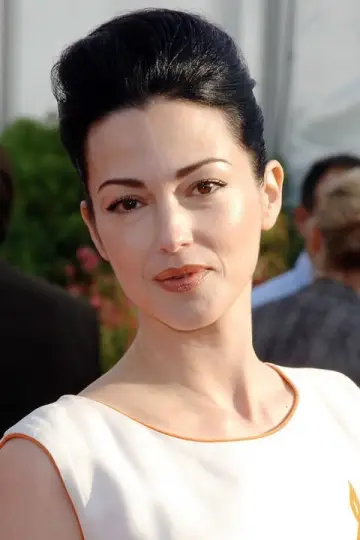
- Julie Dreyfus speaks three languages in the film: Japanese, French, and English. In real life, Julie is fluent in all three languages.
- In the animated scene, O-Ren’s line “Look at me closely. Do I look like one of the people you killed?” is borrowed from “Lady Snowblood” (1973), only Tarantino changed “raped” to “killed.”
- During the main battle with the samurai, The Bride strikes the warriors with her sword, causing blood to splatter on her face, hair, and yellow jumpsuit. However, in the main fight with O-Ren Ishii herself, bloodstains appear and disappear on different parts of her clothing.
- To achieve a memorable visual style reminiscent of 1970s Hong Kong martial arts films, Quentin Tarantino compiled a list of films for cinematographer Robert Richardson to watch. Tarantino also forbade the use of computer special effects and insisted that the fountains of blood be made in the traditional style of those films.
- Part of the filming took place at the legendary Hong Kong Shaw Bros. studio.
- During filming, Quentin Tarantino constantly came up with new scenes, resulting in a huge amount of footage for the film.
- The film's music was borrowed from other films.
- The names of the DiVAS members are snake names, just like the names of Captain America’s enemies.
- According to Tarantino, if Bruce Lee were still alive, Quentin would have done everything possible to get him in the film.
- Approximately $65,000 was spent on creating the katanas.
- Initially, Quentin Tarantino planned to cast a Japanese actress in the role of O-Ren Ishii. However, shortly before the start of casting, he saw Lucy Liu in "Shanghai Noon" (2000) and changed O-Ren's nationality so that Lucy could play the part.
- The map showing the Bride's journey around the world also appears in "Jackie Brown" (1997).
- When the Bride stands near Vernita Green's house, the jingle of an ice cream truck plays. In the first version of the script, Yuki Yubari pursued the Bride in an ice cream truck, trying to avenge her sister Gogo's death.
- The opening scene of the film is a reference to "The Good, the Bad and the Ugly" (1966), where Eli Wallach pointed a gun at Clint Eastwood.
- Quentin Tarantino wrote the screenplay for the film over six years. The first draft, not divided into two parts, was 220 pages long.
- When The Bride arrives in Tokyo, you can notice advertisements for Red Apple cigarettes. This is a fictional brand that appears in all of Tarantino's films. In 'Kill Bill', you can also see Julie Dreyfus, who played Sophie, on posters in Tokyo advertising Red Apple cigarettes.
- This is the first Quentin Tarantino film where the word 'fuck' is uttered less than one hundred times: only 17 times.
- Gogo Yubari received her name in honor of the anime 'Speed Racer' (Mahha GoGoGo), which Quentin loved as a child. Yubari is the name of a city on the island of Hokkaido.
- Filming took place from June 17, 2002, to March 3, 2003.
- Nurse Buck, allowing sex with The Bride, says: “We clearly came to an agreement on the first rule?” The exact same phrase is spoken by a character played by George Clooney in the film *From Dusk Till Dawn* (1995).
- In the original version of the script, Bill used various elixirs and serums of his own making much more often. His special serum was called “Goodbye Forever.” The film was supposed to include a detailed description of this elixir in the form of subtitles. The Bride used a serum called “The Undisputed Truth” to obtain information from Sophie Fatale.
- In the initial version of the script, Johnny Mo was called Mr. Barrel. The Bride convinced him not to fight her, he agreed and left O-Ren without bodyguards.
- The entrance to the tunnel in Tokyo is actually the entrance to a tunnel in Los Angeles, only with road signs in Japanese added.
- Buck’s phrase “My name is Buck, and I’m gonna fuck” was spoken by Robert Englund in the film *Eaten Alive* (1976).
- The fight scene in the House of Blue Leaves is a reference to Bruce Lee's film 'Fist of Fury' (1972).
- During the ceremony, when Hattori Hanzo (Sonny Chiba) presents the sword to the Bride, he says: 'Even if Buddha himself stands in your way, he will be cut down.' The same phrase was heard by Sonny Chiba's character when accepting the sword in Kinji Fukasaku's film 'The Resurrection of a Barbarian' (1981).
- The scene in which the Bride walks away from the door of O-Ren Ishii's room in the House of Blue Leaves has the camera descend the stairs through the bar, pass the kitchen, enter the women's restroom, exit the restroom, return to the stairs, meet Sofie, and follow her into the women's restroom. The scene ends with a cell phone ringing. It was filmed in one take, from the first attempt. Preparation for the shooting took six hours.
- While filming the scene where Tiaki Kuriyama (GoGo) throws the metal ball on a chain, she accidentally hit Quentin Tarantino in the head, as he was standing behind the camera at the time.
- The music playing after the Bride attacks the rapist is taken from Lucio Fulci's film 'Seven Notes in Darkness' (1977).
- The Bride's name is never spoken in the film, but it can be seen on her ticket to Okinawa.
- The song that plays after the fight between The Bride and O-Ren is "Shura no hana", the main theme from "Lady Snowblood" (1973).
- In the original script, Gogo had a twin sister, Yuki. After Gogo's death at the hands of The Bride, Yuki attempted to take revenge, but also perished. This plotline was dedicated to a separate chapter titled "Yuki's Revenge". If the film had been shot according to the original script, all of Gogo's lines would have been spoken by Yuki.
- The shot where The Bride cuts a baseball in half contains no special effects. Stuntwoman Zoë Bell performed this trick.
- The film's main plot, division into chapters, many camera angles, and phrases are borrowed from the film "Lady Snowblood" (1973).
- David Carradine confirmed that Bill is the murderer of O-Ren Ishii's parents.
- The phrase spoken by O-Ren and The Bride in the House of Blue Leaves—'Silly rabbit / Trix are for kids'—is a reference to an oatmeal cereal advertising slogan, as well as an anagram of The Bride's name.
- After O-Ren Ishii beheads one of the members of the Council of Five Bosses of the Tokyo mafia, she swings her sword, and blood from the sword splatters on the face of the man sitting nearby. In the next shot, the man's face is already without a single drop of blood.
- During the fight with the Yakuza, blood splatters from O-Ren Ishii onto The Bride's face, hair, and yellow jumpsuit. But in the duel with O-Ren Ishii herself, blood stains disappear and reappear on different parts of her clothing.
- The Bride's yellow suit is a reference to "Game of Death" (1978).
- Some of the miniature Tokyo sets were borrowed from the Godzilla film "Godzilla, Mothra and King Ghidorah: Giant Monsters All-Out Attack" (2001).
- Quentin Tarantino confirmed that the Deadly Viper Assassination Squad (DiVAS) is based on "Fox Force Five" – a fictional series in which Mia Wallace (Uma Thurman) from "Pulp Fiction" (1994) played one of the roles.
- According to Quentin Tarantino, the character Hattori Hanzo is a descendant of the main hero from the series "Shadow Warriors: Hattori Hanzo" (1980).
- Vernita Green (Vivica A. Fox)'s original code name was Cobra. However, it was later changed to Moccasin.
- The end credits state that the Bride character was created by Q and U. "Q" and "U" stand for Quentin Tarantino and Uma Thurman.
- The tune whistled by Daryl Hannah's character in the hospital lobby is the same tune hummed by the young man in 'Poor Little Rich Girl' (1968).
- The masks worn by the 88 Crazy 88s are a reference to Kato's (Bruce Lee) mask in the 'Green Hornet' (1966) series.
- The black and white scenes are a reference to American television versions of kung fu films released in the 1970s and 1980s. Distributors removed the color to avoid censorship issues regarding fountains of blood.
- When detectives enter the church, one can hear someone tuning a radio to the right station: “Dónde Està” plays before a final selection is made. In “Reservoir Dogs” (1991), in the torture scene, Mr. Blonde is also looking for a suitable radio station, and “Dónde Està” plays before he settles on “K-BILLY”.
- Buck has the exact same Elvis-style sunglasses as Clarence Worley (Christian Slater) from “True Romance” (1993).
- The multitude of sunglasses on the dashboard of the sheriff's car is a reference to the beginning of the film “Gone in 60 Seconds” (1974).
- The title of the second chapter, “The Bride Bleeds,” is a reference to the film “The Bride Wore Black” (1968).
- Quentin Tarantino is a big fan of the film “Battle Royale” (2000), so he invited Chiaki Kuriyama, who starred in it, to appear in his film.
- The composition "Ode to O-Ren Ishii" is the main musical theme of the film "Seven Notes in the Dark" (1977).
- Quentin Tarantino chose Jun Kunimura for the role of Boss Tanaka after seeing him in "Ichi the Killer" (2001).
- In real life, the "Pussy Wagon" belongs to Quentin Tarantino.
- The first film to receive an R rating in Canada under the new film rating rules.
Similar movies


 Auditions in India
 Casting calls in USA
 Castingi w Polsce
 Кастинги в Україні
