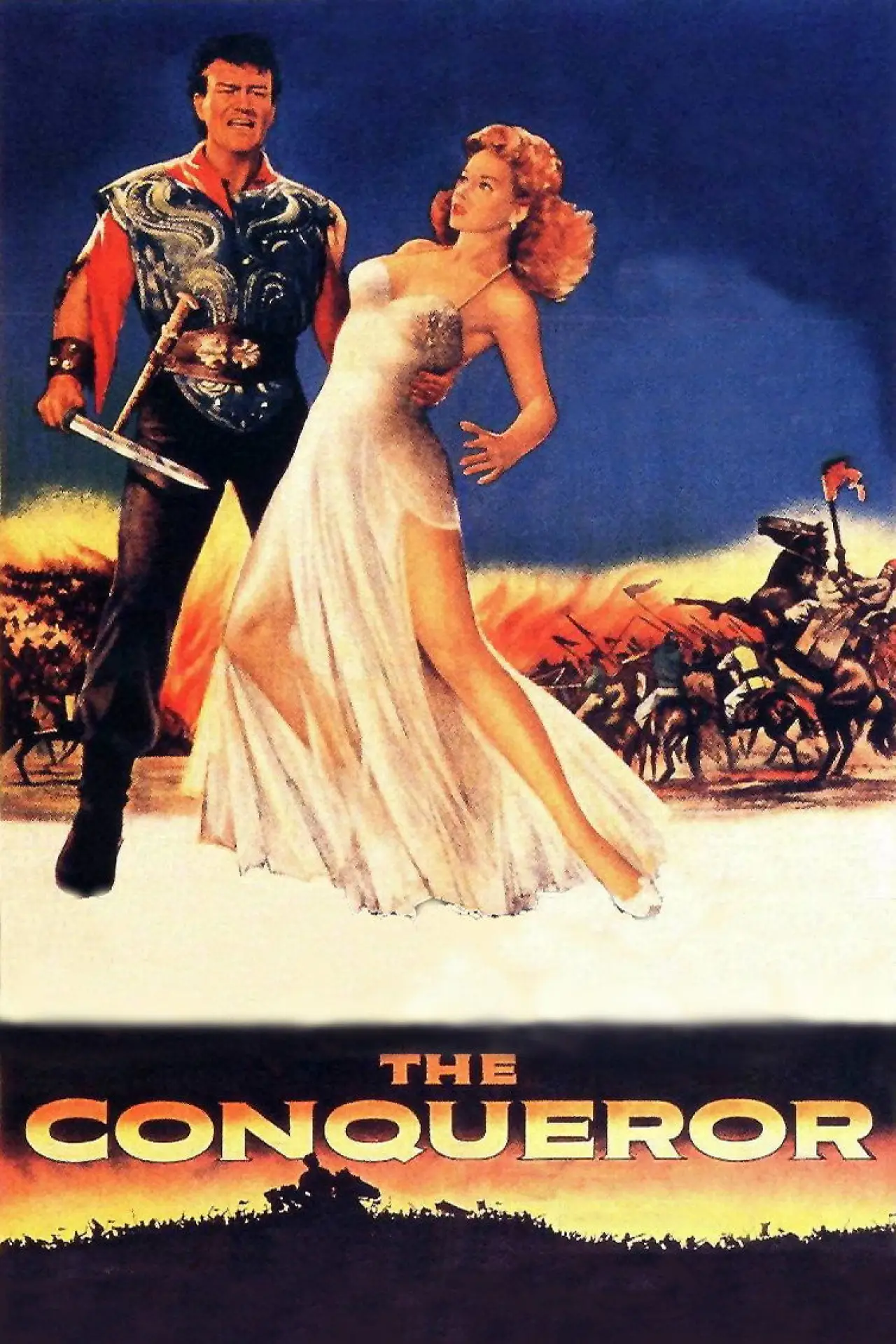
The Conqueror
GENGHIS KHAN! The world trembled at his name!


Production
Budget
$6 000 000
Revenue
$4 500 000
Director
Scenario
Oscar Millard
Composer
Producer
Actors
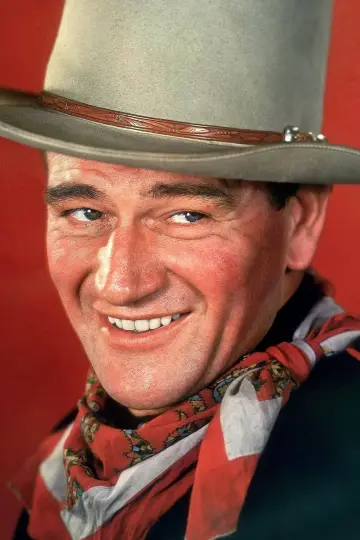
John Wayne
Temujin
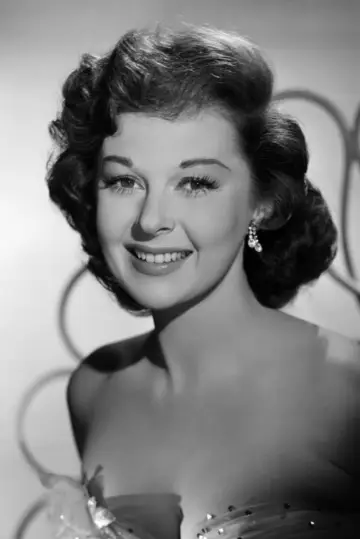
Susan Hayward
Bortai
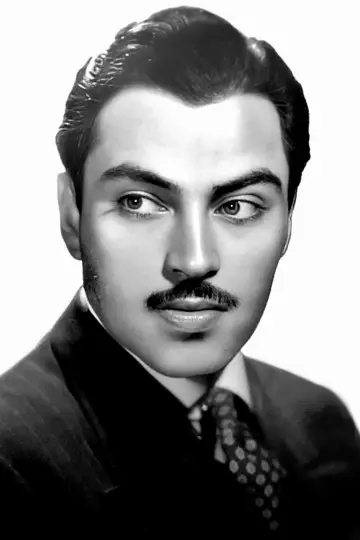
Pedro Armendáriz
Jamuga
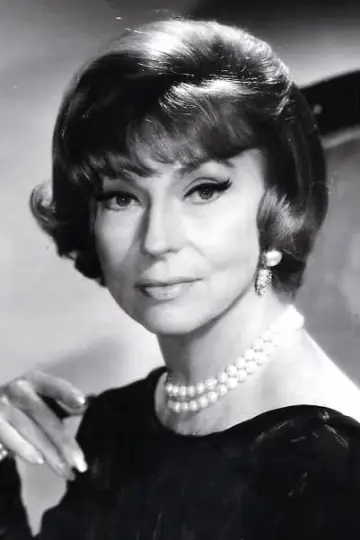
Agnes Moorehead
Hunlun

Thomas Gomez
Wang Khan
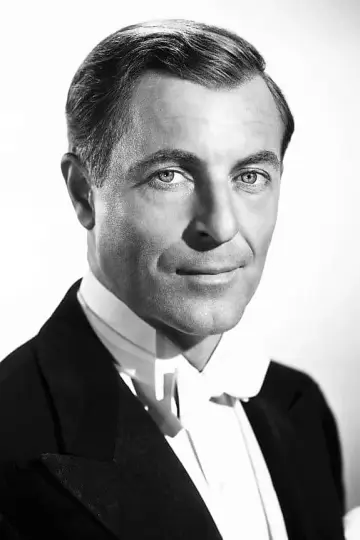
John Hoyt
Shaman

William Conrad
Kasar
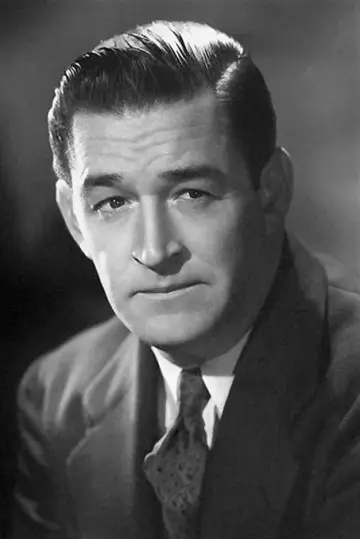
Ted de Corsia
Kumlek
Short description
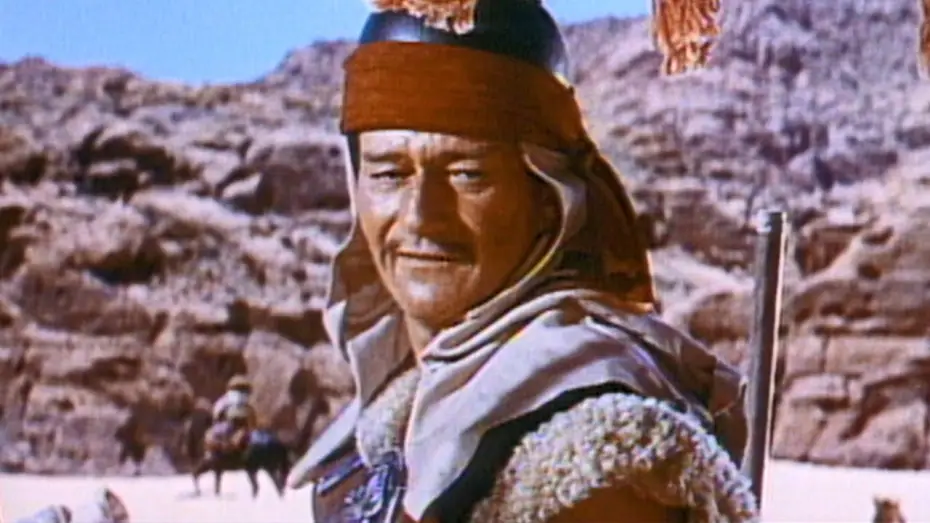
Mongol chief Temujin battles against Tartar armies and for the love of the Tartar princess Bortai. Temujin becomes the emperor Genghis Khan.
What's left behind the scenes
- Numerous inaccuracies in history, biography, weaponry, design, culture, and geography. Although the beginning of the film states that it is based on true events, this story is fictional.
- When Temujin throws a spear at a man, the wires are visible. Furthermore, the trajectory of the spear looks unrealistic.
- In many night scenes filmed in daylight, the tents, animals, and people cast very sharp shadows.
- After Temujin kills the shaman and the guard in Wang Khan's bedroom, his sword is completely clean, but when he strikes the gong upon leaving the bedroom, blood is visible on his sword.
- After Jamukha escapes from his cage and Kasar has already been killed, a guard pushes him atop the sundial. The shadow from the sundial first points to the left, but when Jamukha kills the guard, it points to the right.
- Howard Hughes' final film project after 30 years in the movie industry. A year later, the film 'The Jet Pilot' (1957), which he produced in 1949, was released.
- This film was included in the hundred worst films ever made, as stated in The Official Razzie Movie Guide.
- The film appeared in the book 'The Fifty Worst Films of All Time' written by Harry Medved and Randy Lowell.
- John Wayne regretted his role in this film so much that for many years afterward, he would cringe whenever someone mentioned the film's title in his presence. He once noted that the moral of the film is this: do not play the fool by trying to play a role for which you are not suited.
- The film's failure at the box office ultimately became the primary cause of RKO Pictures' bankruptcy.
- Most of the people playing the Mongolian extras were local Navajo Indians. They weren't even given any makeup.
- When Temujin fires a flaming arrow to signal his troops, it is nighttime, yet the troops see the arrow in broad daylight.
- This film was sometimes referred to as 'An RKO Radioactive Picture.' It was filmed near a nuclear test site, and the area had been subject to radioactive contamination. Photographs survive showing John Wayne holding a Geiger counter. After filming on location, contaminated soil was brought back to Hollywood for subsequent shots. Over the next 20 years, many actors and crew members developed cancer. People magazine conducted health research on those who worked on the project to publish an article. By the time it was published (November 1980), 91 out of the 220 people involved in the filming had cancer. 46 people died, including John Wayne, Susan Hayward, Pedro Armendáriz (who shot himself shortly after learning he had terminal cancer), Agnes Moorehead, John Hoyt, and director Dick Powell. These figures do not include several hundred local Indians who appeared as extras, nor the relatives of the actors and crew who visited the set. Among them was John Wayne's son, Michael Wayne. The article quoted the reaction of scientists from the U.S. Department of Defense's nuclear weapons administration in the news: 'Please, God, don't let us kill John Wayne.' In June 2011, this People magazine article became available in their online archive.
- Filming took place from mid-May to August 5, 1954. Premiere screenings were held in Los Angeles on February 22, 1956, and then at the Criterion Theater in Manhattan on March 30, 1956.
- John Wayne took his role very seriously: he followed a radical diet and took Dexedrine four times a day.
- Eccentric billionaire Howard Hughes provided financial support for the film. Later, driven by guilt, he paid $12,000,000 for every existing copy of the movie; he had paid for the ship that transported 60 tons of radiation-contaminated soil to Hollywood for the shoot. For 17 years, he ensured the film was not shown on television. It was only in 1974 that Paramount Pictures acquired the rights to reissue the film.
- According to the 'Hollywood Hall of Shame,' the screenplay was written with the expectation that Marlon Brando would play the lead role. John Wayne was to star in the final of three films under his contract with RKO Radio Pictures, and Dick Powell was appointed as director. They were reviewing various scripts in Powell's office when he was called away for a few minutes; upon his return, he found Wayne enthusiastically reading the script for 'The Conqueror' (1956), which Powell had intended to throw away. Powell tried to dissuade Wayne, but Wayne insisted that he wanted to make the film. Powell later remarked, 'Who am I to say no to John Wayne?'


 Auditions in India
 Casting calls in USA
 Castingi w Polsce
 Кастинги в Україні

