Gunga Din




Short description
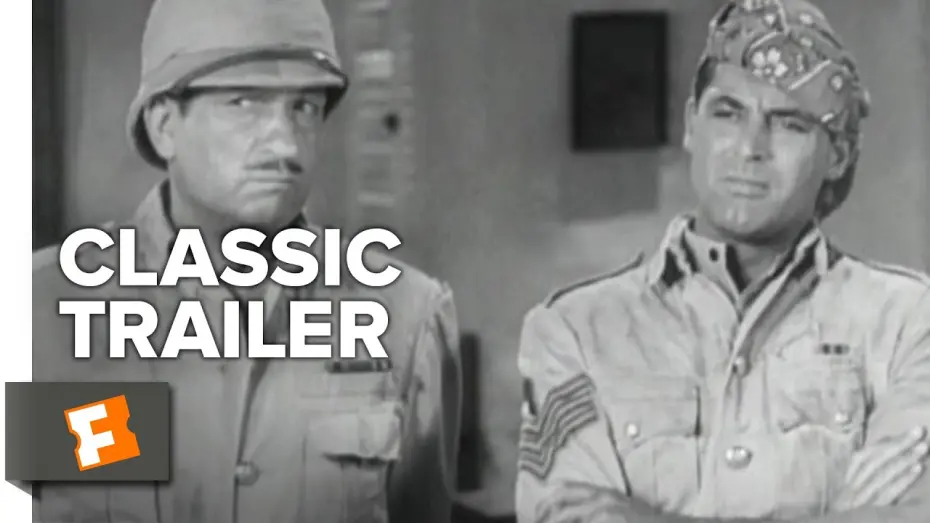
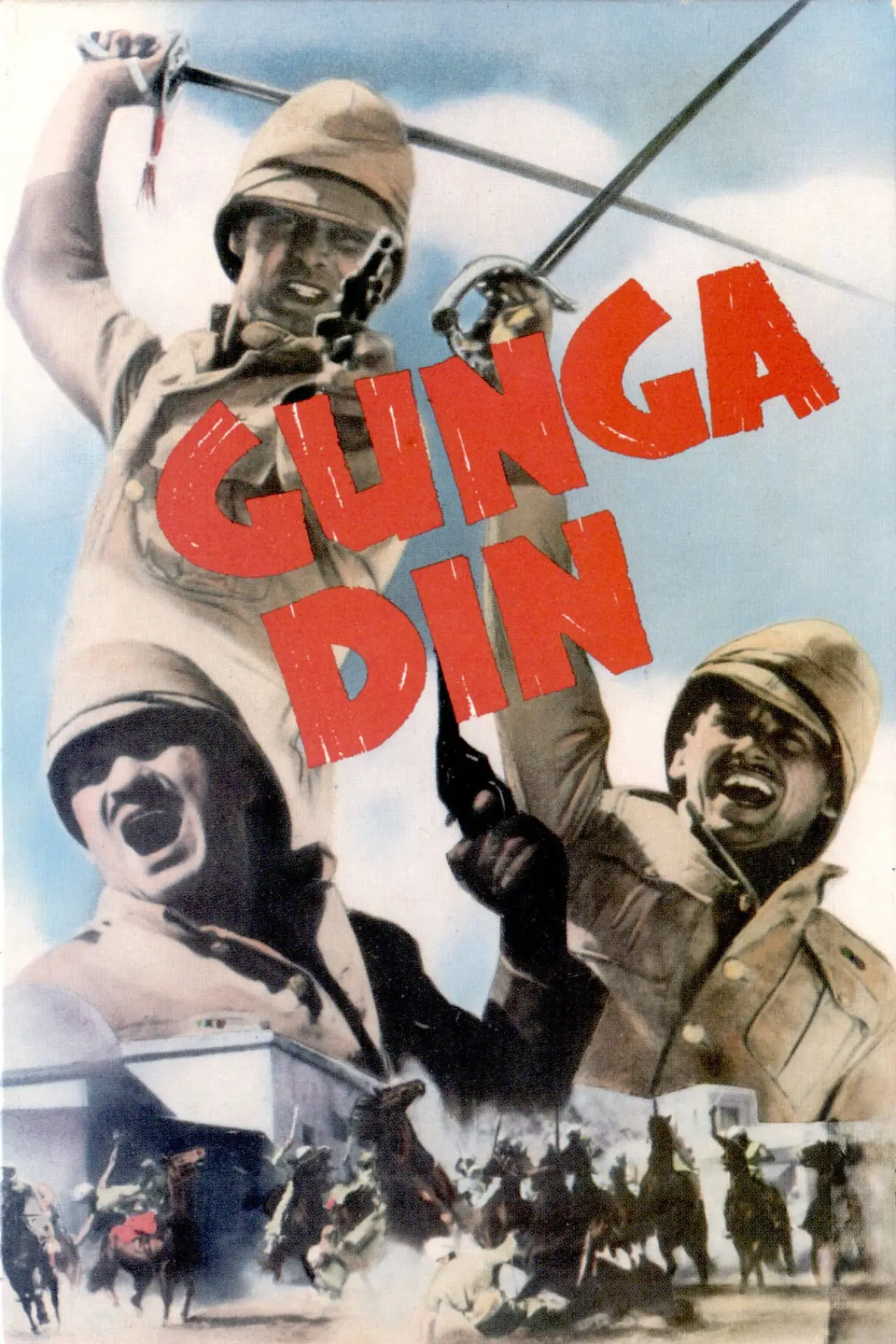
Gunga Din is set in 1880s India, where three British army sergeants, Ballantine, Cutter and MacChesney, have formed a close friendship over years of service. When a routine mission to repair a telegraph line uncovers signs of the Thuggee cult, the men find themselves facing a threat long thought to be legend. Matters grow more complicated when their water-bearer, Gunga Din, speaks of a hidden temple filled with gold, drawing the fortune-seeking Cutter into danger and leaving his comrades to mount a rescue.
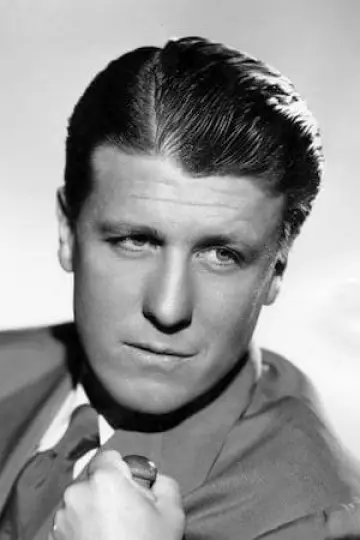
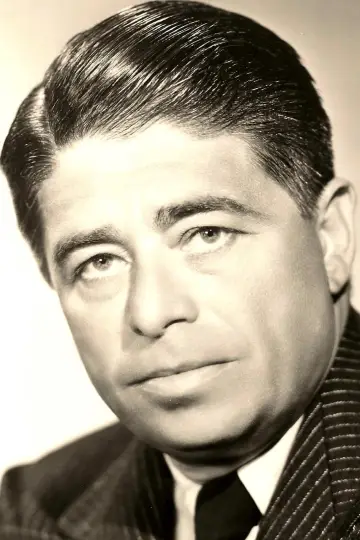
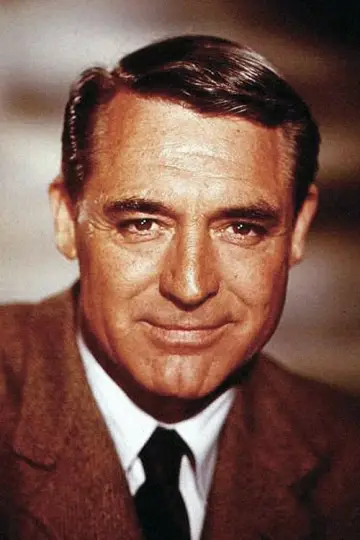
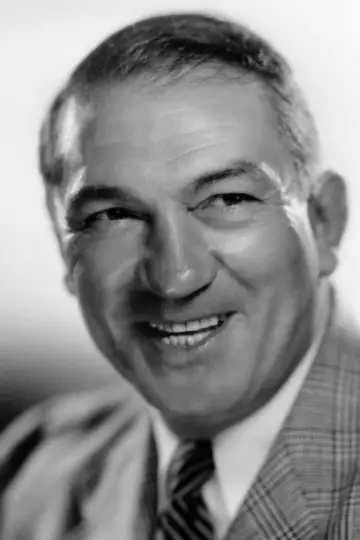
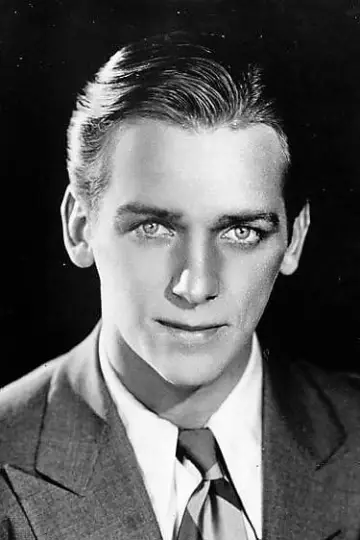
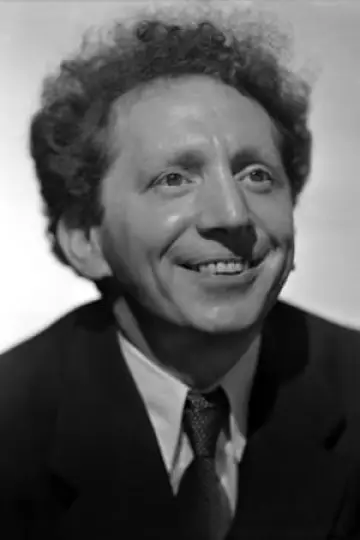
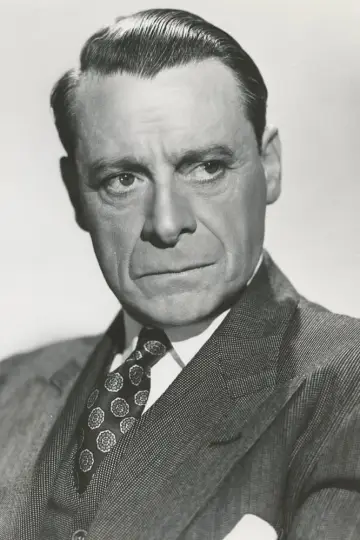
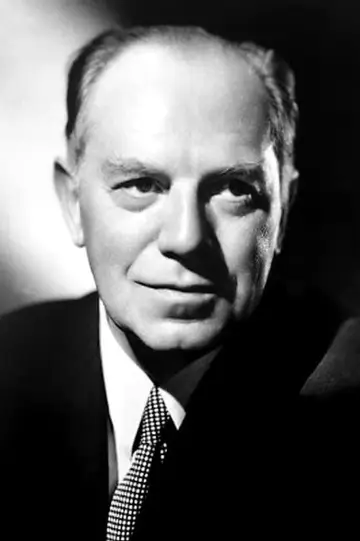
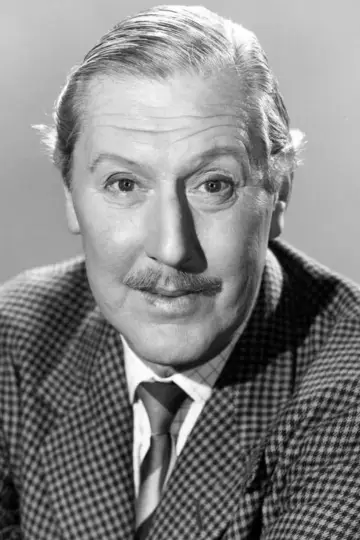
George Stevens directed and produced the film, which followed a run of lighter pictures including Swing Time and Vivacious Lady and preceded dramas such as Penny Serenade and A Place in the Sun. The screenplay was written by Fred Guiol and Joel Sayre, and the story draws on Rudyard Kipling's poem. Cary Grant, Victor McLaglen and Douglas Fairbanks Jr. play the three sergeants, with Sam Jaffe as Gunga Din, Eduardo Ciannelli as the Guru and Joan Fontaine as Emmaline Stebbins. Forty performers receive billing.
Made by RKO Radio Pictures for about two million dollars, the film took roughly three million worldwide. On IMDb it holds 7.2 from around 14,000 votes, while on TMDB it has 6.5 from 189 votes. A critics' rating of 8.2 from 27 reviews sits noticeably above the audience scores.
What's left behind the scenes
- According to the script, Kipling himself was supposed to appear at the end of the film as a chronicler of the exploits of British soldiers. The writer's widow strongly opposed his portrayal in the film, and scenes involving actor R. Sheffield (playing Kipling) had to be cut. Only in the 1980s, during the restoration of the film, did Ted Turner (who owned the rights to the old RKO films) order these scenes to be restored.
- The filmmakers managed to find a landscape resembling northern India in the Sierra Nevada. The role of Ballantyne was originally intended for Cary Grant, but he was more attracted to the figure of a treasure hunter, for which Douglas Fairbanks Jr. was invited. The final casting was decided by a coin toss thrown into the air by director Stevens.
- In 1999, "Ganga Din" was included in the National Registry of the most significant films. Despite the imperialistic prejudices of the colonial era inherent in the original material and some drawn-out scenes of military maneuvers, this film had a huge impact on the further development of the adventure genre.
- Five screenwriters, including future Nobel laureate William Faulkner, worked to turn a hundred lines of poetry into a dynamic 120-minute film. The main screenwriters, Ben Hecht and Charles MacArthur, based the plot not so much on Kipling's poem as on his story "The Three Soldiers."
Similar movies



 Auditions in India
 Casting calls in USA
 Castingi w Polsce
 Кастинги в Україні
