Sergeant York




Short description
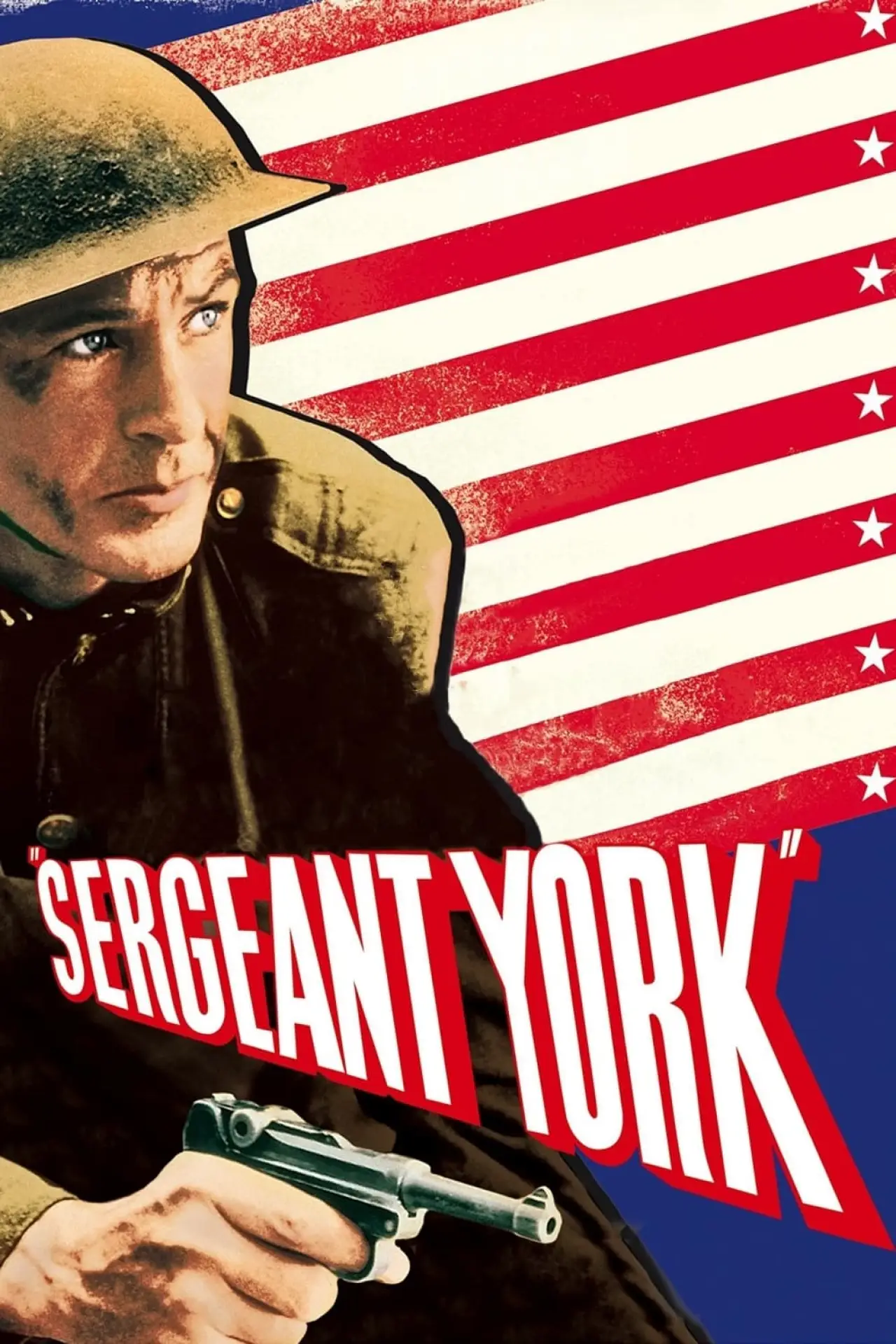
Sergeant York tells the story of Alvin C. York, a young farmer from the Cumberland Mountains of Tennessee whose life is shaped by hard drinking and brawling until a religious awakening turns him into a committed pacifist. When the United States enters the First World War, he is drafted despite his moral objections to killing. His remarkable skill as a marksman is noticed during training, and he is sent to France, where events force him to reconcile his faith with his duty as a soldier. The film is based on the real York's life.
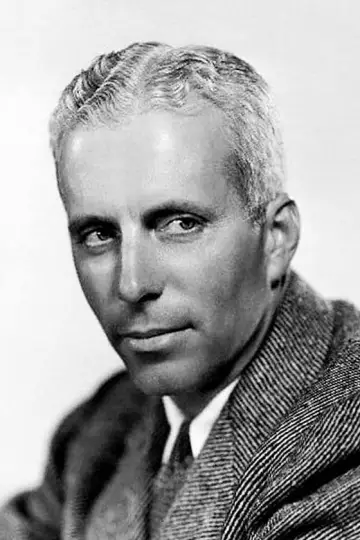
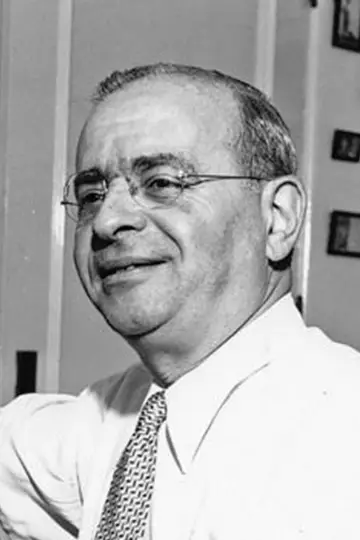
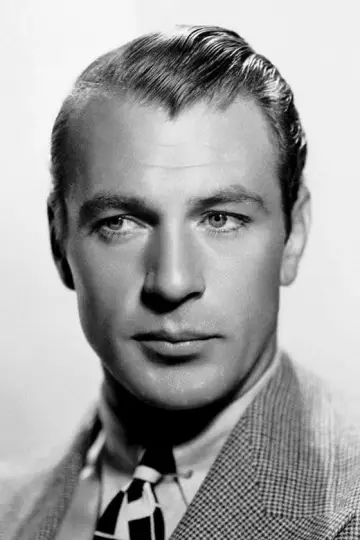
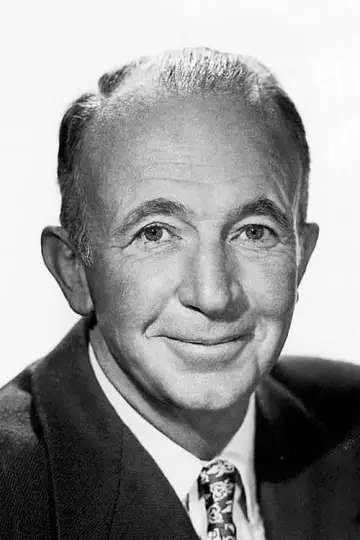
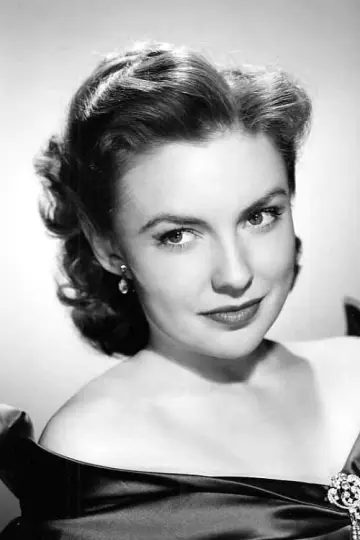
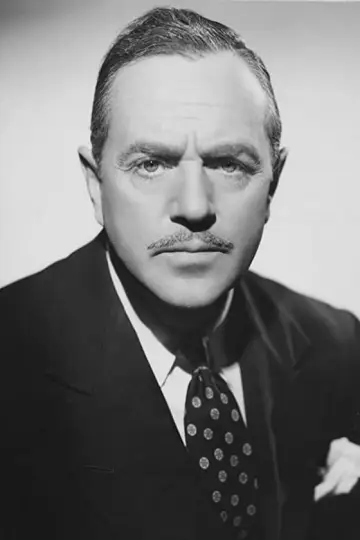
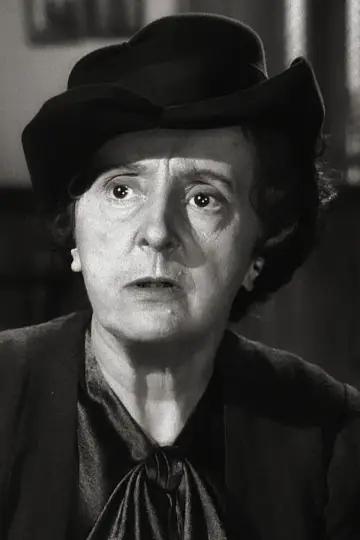
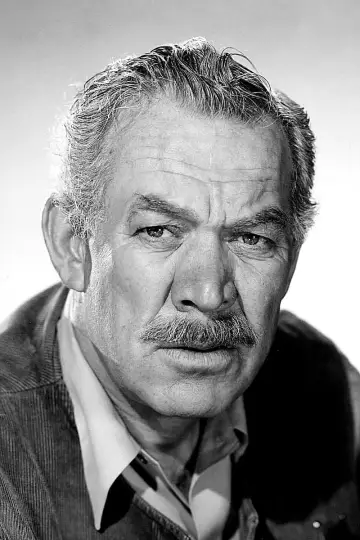
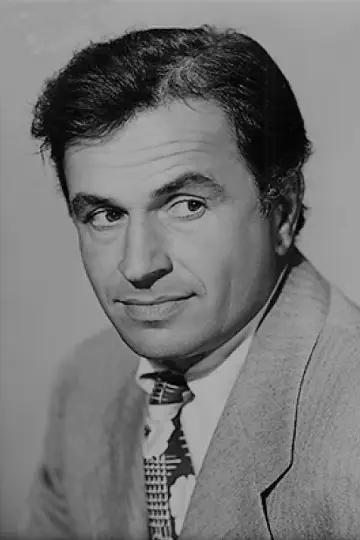
Howard Hawks directed, working from a screenplay by Howard Koch, John Huston and Abem Finkel. It was the sixth of the nineteen films he directed, following His Girl Friday and preceding Ball of Fire. Gary Cooper plays York, with Walter Brennan as Pastor Rosier Pile, Joan Leslie as Gracie Williams, George Tobias, Stanley Ridges and Margaret Wycherly in supporting roles. The credited cast runs to ninety-seven names. Made for about one million dollars, it returned roughly sixteen million worldwide.
On IMDb it holds 7.7 out of 10 from around 21,000 votes, and on TMDB 7.2 out of 10 from 238 votes. A critics' rating of 7.6 out of 10 from 26 reviews places it close to the audience scores.
What's left behind the scenes
- The film depicts York as the eldest of three children. In reality, he was the third of eleven children.
- In the film, York became a Christian after being struck by lightning while riding a mule. However, some say he did so to please his mother. Others say he did so to impress his future wife, Gracie Williams.
- The film shows that when York returned to his homeland, to a new home and land, it was gifted to him by the people of the state of Tennessee. In reality, York had a home and wife several years before the state gave him new farms.
- The screenplay drew on 'Sgt. York's Military Diary,' Sam K. Cowan’s 'Sgt. York and His Family,' and Tom Skeyhill’s 'Sgt. York—Last of the Long Hunters.'
- In 2008, the film was selected for inclusion in the National Film Registry.
- Alvin S. York himself was present on the set for several days. When someone on the crew tactlessly asked York how many Germans he had killed, he burst into tears and suddenly vomited. A scandal erupted, and the person who asked the question faced dismissal, but the next day York demanded that this crew member be left alone and not fired.
- Gary Cooper did not participate in World War II due to his age and a previous injury. The actor considered filming this movie to be his contribution to the victory.
- The scene of the protagonist's spiritual transformation after being struck by lightning was invented by the screenwriters. In reality, York owed his transformation from a reckless, drinking man into a Sunday school teacher to his wife. This process was much longer, less dramatic, and not at all suitable for the cinema.
- During the filming of this movie, public opinion in the United States was strongly isolationist, and Warner Bros. initially feared that the audience would react coldly to the film's military message. Producer Jesse L. Lasky went to great lengths to avoid presenting the film as a war movie. By the time the film was released, Adolf Hitler had already captured almost all of Europe, and public attitudes toward the war had changed significantly, so all fears proved unfounded.
- The film proved to be very accurate from a historical point of view, largely due to the studio's fear of being sued. Historical accuracy was strongly insisted upon by York himself, some townspeople from Tennessee, and the pastor.
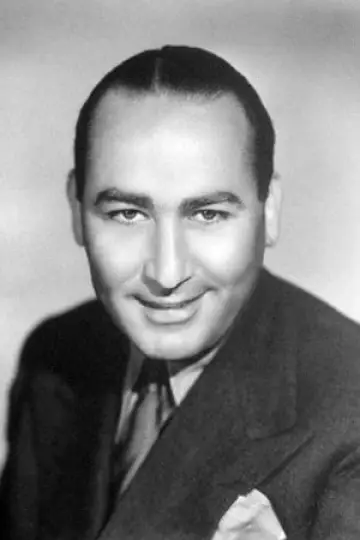
- Producer Jesse L. Lasky, who saw York in the Armistice Day parade in 1919, spent years persuading the modest Tennessean to allow a film about his life to be made. He finally obtained York’s consent on the condition that his share of the money go to charity and that Gary Cooper play him. The actor initially refused, but changed his mind after visiting York. "Warner Brothers" hoped that Michael Curtiz would direct, but Cooper didn’t want to work with him, and when several other directors didn’t take on the project, it was offered to Howard Hawks.
Similar movies


 Auditions in India
 Casting calls in USA
 Castingi w Polsce
 Кастинги в Україні
