Intolerance: Love's Struggle Throughout the Ages





Short description
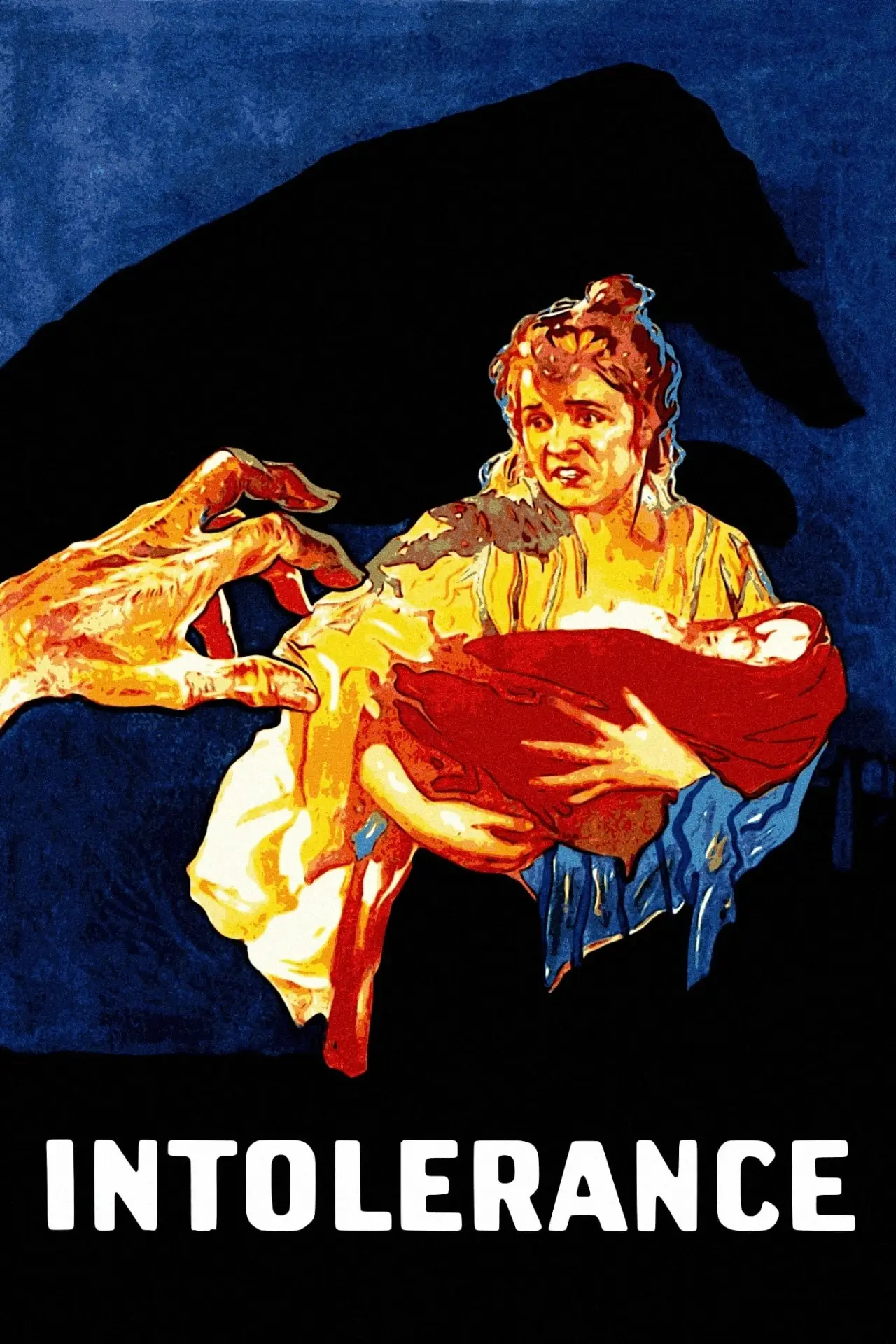
Intolerance: Love's Struggle Throughout the Ages is a silent drama that weaves together four separate stories from different eras, all illustrating the harm caused by intolerance. In the modern story, a young woman from a poor background is separated from her husband and child by prejudice and hardship. Alongside it are episodes set in ancient Babylon as it falls to its enemies, in biblical times around the wedding at Cana and the opposition to Jesus, and in sixteenth-century Paris during the massacre of Protestants. Across the centuries, the film traces how suspicion and cruelty repeat themselves.
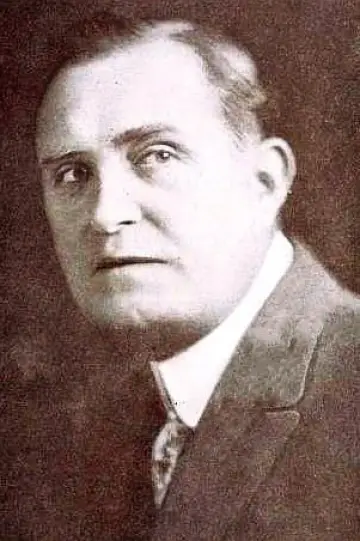
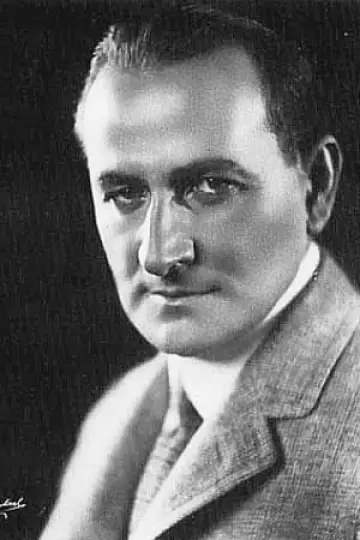
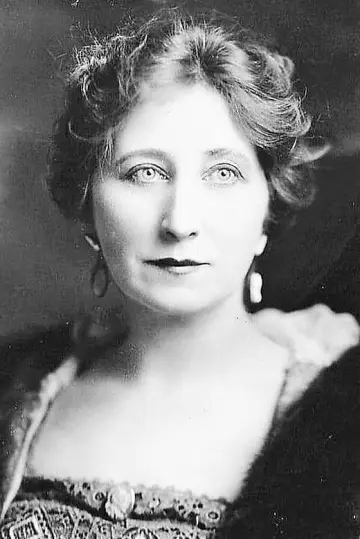
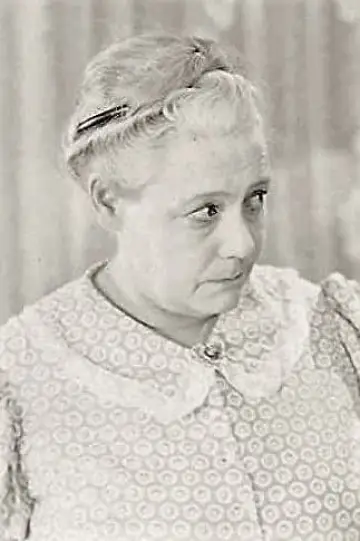
D.W. Griffith directed the film, which followed The Birth of a Nation and preceded Broken Blossoms or The Yellow Man and the Girl, Way Down East and Abraham Lincoln in his filmography. The screenplay is credited to Tod Browning, Anita Loos and Frank E. Woods, and the large credited cast of 107 includes Lillian Gish, Mae Marsh, Robert Harron, F.A. Turner, Sam De Grasse and Vera Lewis. The production was mounted on a scale unusual for its time, with the Babylonian scenes in particular requiring enormous sets and crowds of extras.
Released in September 1916, the film runs 197 minutes and earned about 2 million dollars worldwide. On IMDb it holds 7.6 out of 10 from 18,000 votes, while on TMDB it has 7.1 out of 10 from 390 votes. A critics' rating of 8.3 out of 10 from 42 reviews places it above both audience scores.
What's left behind the scenes
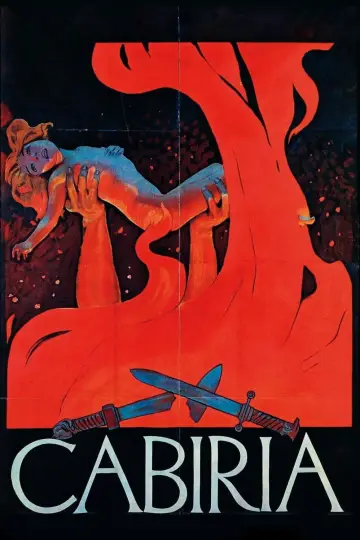
- David Wark Griffith originally intended to make the film in 80 parts and release it as a series, but he couldn't secure funding for it. A number of scenes and episodes from 'Intolerance' literally repeat scenes from 'Cabiria' (1914), although Griffith himself claimed he had not even seen that film.
- 'Intolerance' first appeared on screen on September 5, 1916, at the Liberty Theatre in New York City, in the midst of the campaign to re-elect President Wilson.
- David Wark Griffith called his film a 'sun drama' because he rarely shot scenes using artificial light.
- Almost all of the film's sets were destroyed in 1930-1932, but some were converted into houses.
- Pavilions of the Disney studio were built on parts of the foundations of the 'Babylonian sets'.
- The finished film consisted of almost 14 reels of film, that is, about 4,100 meters. This means that D.W. Griffith used only one meter out of 30 meters of filmed material.
- Griffith assigned the shooting of each scene of the 'Babylonian Episode' to a large number of cameramen. Filming was conducted simultaneously from different angles of the set, capturing shots in different perspectives and at different speeds. 'Traveling' in the 'Babylonian Episode' was achieved using a tethered balloon. This shooting method was rarely repeated even later.
- Only one of the four episodes ends well, the American episode.
- In the 2011 video game "L.A. Noire", one piece of evidence in one of the investigations is a photograph of the set for the Babylonian episode from the film Intolerance, in which the suspect played a role according to the plot, and at the end of this investigation there will also be a chase after the suspect through these sets. Also in the same game, but in a different case, you will have to search for a maniac on these sets.
- During the filming of the battle scenes, some extras became so immersed in their roles that they began to inflict real wounds on each other. After the completion of one of the shooting days, medical assistance was required to treat 60 wounds and injuries.
- D.W. Griffith was forced to reshoot the crucifixion scene when several public organizations raised a fuss, claiming that there were too many extras playing Jews and not enough playing Romans around the cross. Griffith burned the footage and remade the scene.
- Upon completion of filming, the Los Angeles Fire Department declared the sets of Babylon to be fire hazards and demanded their dismantling. The filmmakers were out of money and unable to comply with the order. The sets stood for nearly four more years before finally being demolished in 1919. By that time, they had deteriorated so much that dismantling required a much smaller sum.
- The walls of Babylon (wooden frame and plaster) were only 30 meters high, because 100-meter walls made of these materials would not withstand even a light breeze. Even the 30-meter walls had to be reinforced with steel cables, otherwise they would have collapsed.
- Jenkins and his charitable foundation are based on John D. Rockefeller and his philanthropic foundation. The mass killing of workers at the beginning of the film is a reference to the Ludlow Massacre of 1914, which ended a miners' strike against a number of coal companies, one of which was owned by the Rockefellers.
- The construction of the prison gallows shown in the film was supervised by a former warden of San Quentin State Prison in California.
- Cecil B. DeMille restored and reused the “Babylonian sets” for the film “The Ten Commandments” (1956).




 Auditions in India
 Casting calls in USA
 Castingi w Polsce
 Кастинги в Україні

