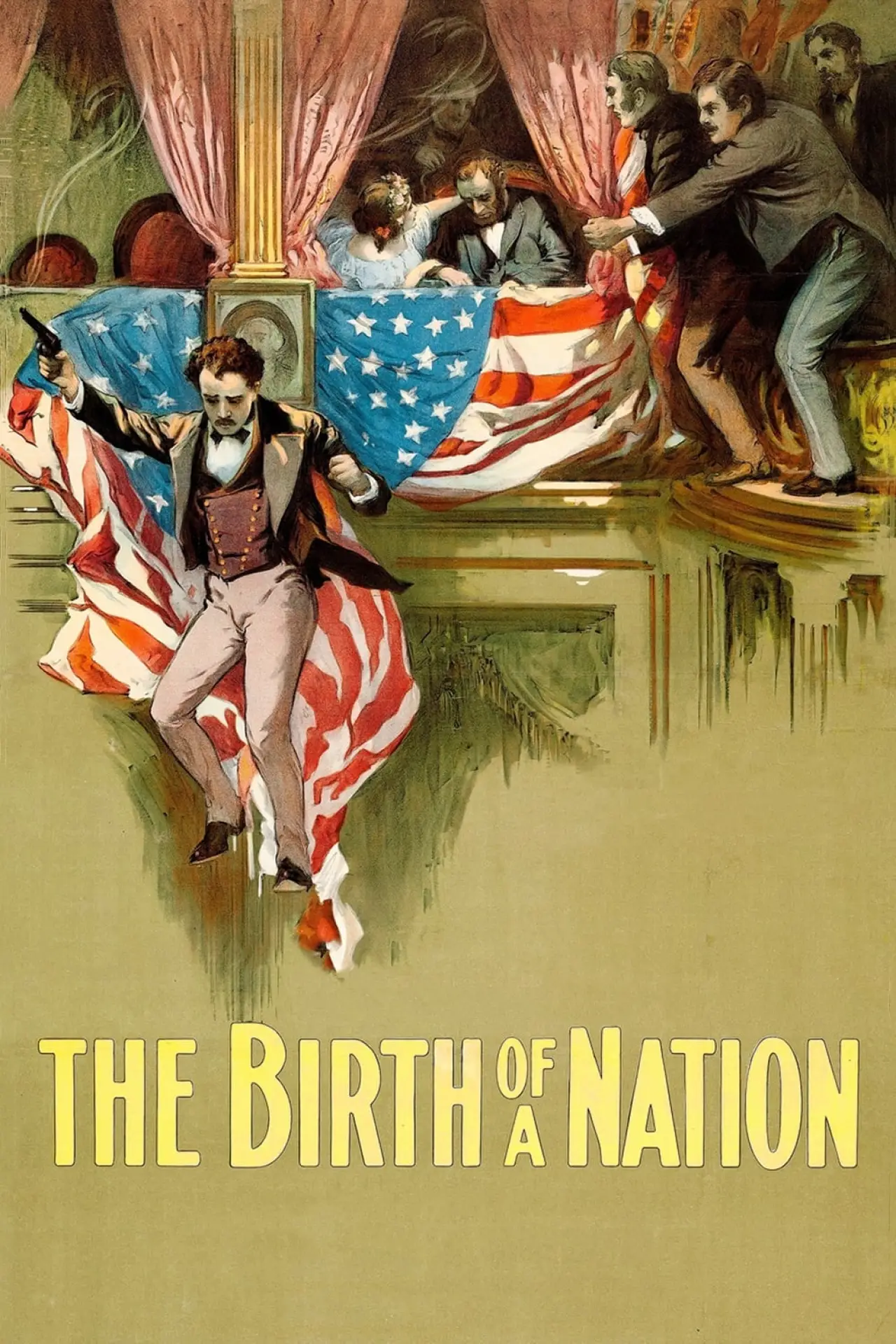
The Birth of a Nation



Short description
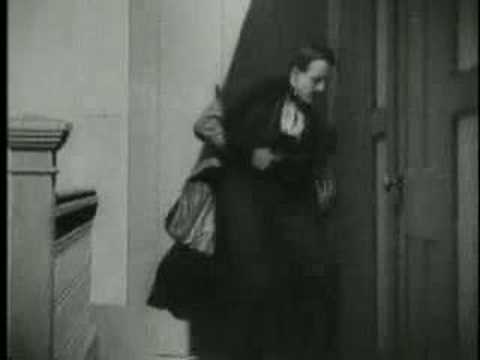
The Birth of a Nation follows two families whose friendship is broken apart by the American Civil War: the Stonemans, who support the North, and the Camerons, who own land in the South. Their children meet before the fighting starts, and the war soon takes the family sons in different directions. The story continues through the years after the conflict, when the country's politics and racial order are being remade, and it depicts the rise of the Ku Klux Klan.
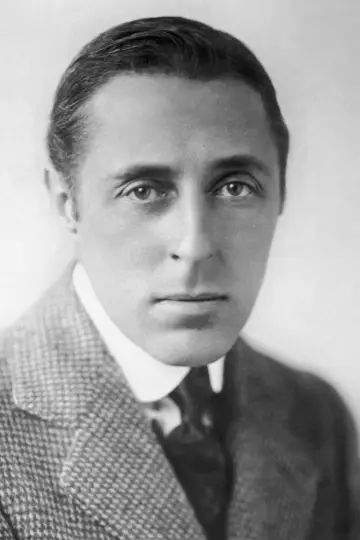
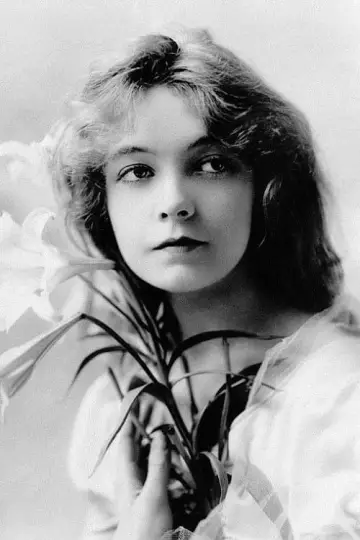
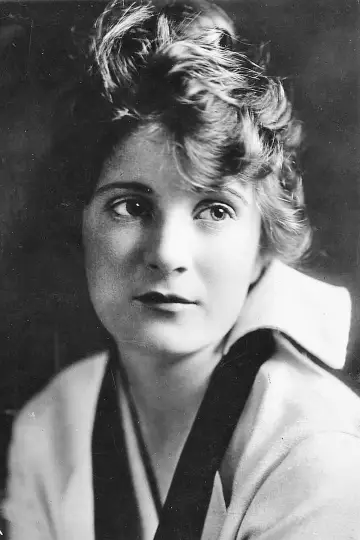
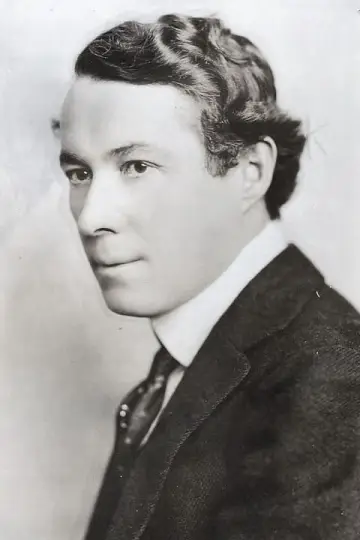
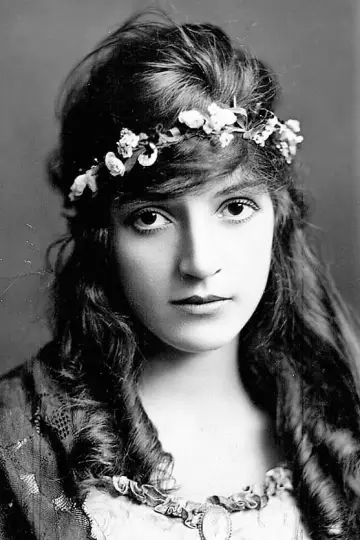
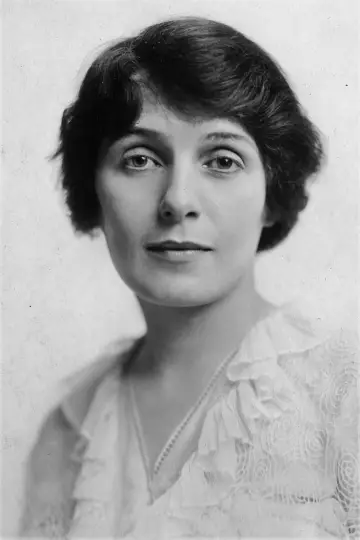
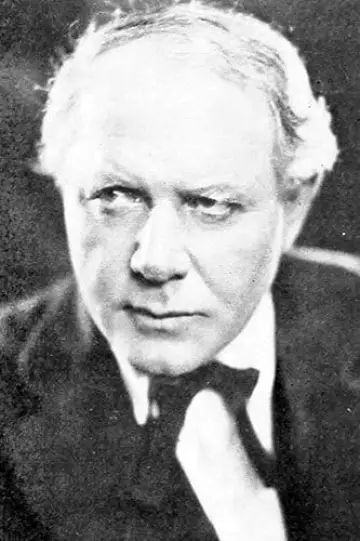
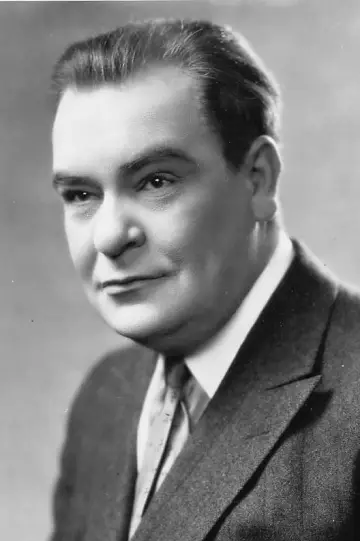
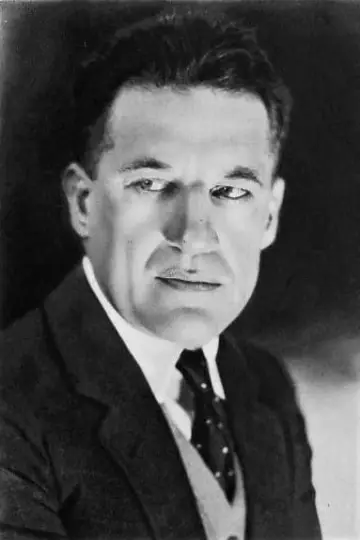
D. W. Griffith directed and produced the film and wrote the screenplay with Frank E. Woods. The large credited cast includes Lillian Gish as Elsie Stoneman, Henry B. Walthall as Colonel Ben Cameron, Mae Marsh as Flora Cameron and Ralph Lewis as Austin Stoneman. It is the second entry in the filmography listed here, arriving between My Baby and Intolerance, and its use of large-scale narrative techniques made it a landmark of early feature filmmaking.
Released in 1915, the film runs 195 minutes. It drew enormous audiences and remains one of the highest-grossing silent pictures, with a worldwide box office of about 100 million dollars. Assessments diverge sharply: critics rate it 8.1 out of 10 from 45 reviews, while audiences give it 4.8 on IMDb and 5.9 on TMDB, reflecting its contested reputation for its sympathetic portrayal of the Klan and its racist content.
What's left behind the scenes
- The film is based on the novel and play by Thomas F. Dixon Jr., "The Clansman" (1905).
- Many roles of Black characters were played by white actors who were made up to appear as Black (actor D. Sigman played the role of the mulatto Silas Lynch).
- The film was banned by censorship in France. In Paris, it was only shown in 1921 in an altered version.
- President Wilson ordered a screening of the film at the White House during one of his sessions, to which many statesmen and diplomats with their families were invited.
- Numerous innovations were employed in the making of the film, such as long panoramic shots, iridescence (an optical effect of rainbow coloring on a surface caused by the interference of light waves), night shoots, and the meticulous staging of battle scenes so that the hundreds of extras appeared to be thousands. In addition to all this, color tinting was used, as well as a musical score that emphasized the drama of the visual imagery.
- Director and screenwriter D.W. Griffith had a very clear vision of exactly how he wanted to shoot the film, so he worked without a pre-written script or notes.
- Smoke bombs were used extensively during the filming of battle scenes; this was necessary to conceal the largely empty battlefield.
- The performance of one of the bit-part actors (the watchman at the hospital entrance)—particularly his sigh upon seeing Lillian Gish enter—pleased audiences so much that D.W. Griffith later attempted to track him down, though apparently without success. Some sources claim that the role was played by William Freeman. Gish shared this opinion, later mentioning in her autobiography that she happened to cross paths with Freeman again many years later.
- The film's release inspired many African Americans to create their own movies, in which African Americans were portrayed in a positive light rather than as they were shown here.
- The filmmakers openly sympathize with the Confederates, and the subtext of some scenes is noticeably racist; consequently, the film was banned in several major US cities, such as Los Angeles and Chicago.
- D.W. Griffith was supposed to pay Thomas F. Dixon Jr. $10,000 for using ideas from his novel 'The Clansman' (1905) in the screenplay, but he was only able to pay a quarter of the required amount. He offered Dixon Jr. $2,500 plus 25% of the box office receipts. Dixon Jr. accepted the offer, albeit reluctantly, and eventually became a very wealthy man.
- The film enjoyed an almost frenzied popularity; countless copies were made from a single print, and it soon became worn out. Many copies of the film were actually copies of copies, which inevitably led to a loss in quality.
- The film's budget was planned at $40,000, but D.W. Griffith spent $110,000 on it, making 'The Birth of a Nation' the most expensive film of its time.
- In one of the scenes, boards were placed under the feet of Joseph Enaberry (who played Abraham Lincoln) to make the chair seem too small for the US president, whose height exceeded 190 cm. The actor studied supplementary materials on his character and applied the knowledge he gained to his portrayal (for example, he tracked down and wore steel-rimmed glasses).
- D. W. Griffith was the son of a Confederate Army soldier and sincerely failed to understand the often sharply negative reaction to the film from audiences and film critics.
- During the filming of the movie, only one scene with Mae Marsh had to be reshot due to a small detail in her character's costume. Everything else was captured in a single take.
- Joseph Enaberry, one of the director's assistants, played Abraham Lincoln and appeared on screen in 13 other episodic roles.
- For the premiere screening of the film, D. W. Griffith hired the Los Angeles Philharmonic Orchestra to perform the movie's music.
Similar movies


 Auditions in India
 Casting calls in USA
 Castingi w Polsce
 Кастинги в Україні
