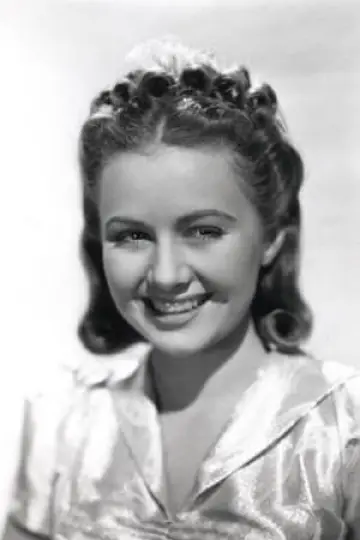
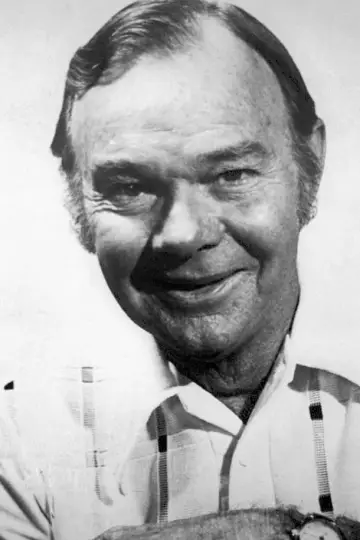
Bambi - actors, characters and roles

All actors and their roles in the film "Bambi"
Bambi (1942)
Timing: 1:9 (69 min)
Bambi - TMDB rating
7.01/10
5935
Bambi - Kinopoisk rating
8.085/10
136849
Bambi - IMDB rating
7.3/10
164000

Actors and characters

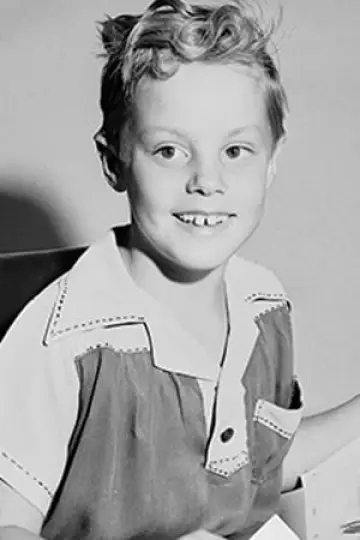
Photo Donnie Dunagan #48598

Donnie Dunagan

Donnie Dunagan
Character Young Bambi (voice) (uncredited)
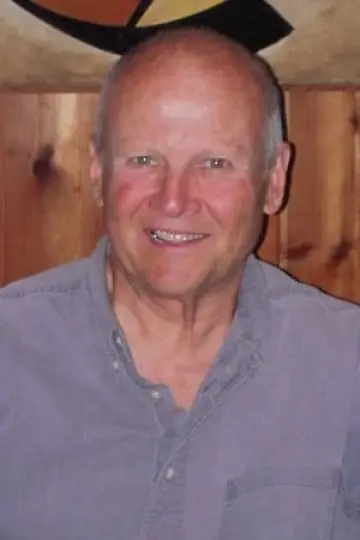
Photo Peter Behn #48599

Peter Behn

Peter Behn
Character Young Thumper (voice) (uncredited)
Stan Alexander
Character Young Flower (voice) (uncredited)
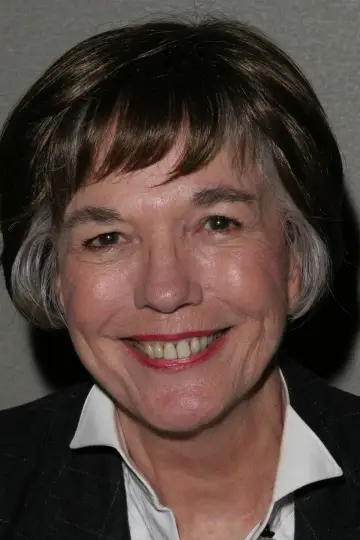
Photo Cammie King #48600
Cammie King
Character Young Faline (voice) (uncredited)
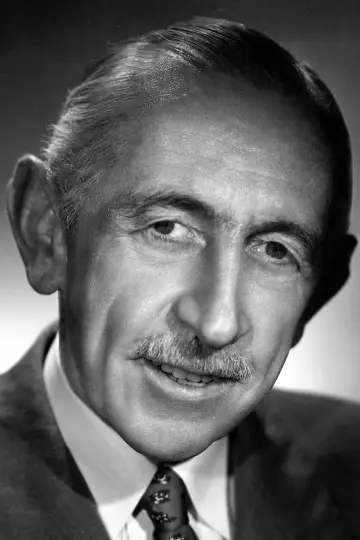
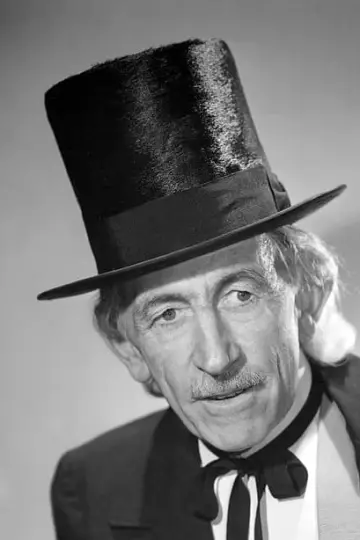
Photo Will Wright #48601Photo Will Wright #48602

Will Wright

Will Wright
Character Friend Owl (voice) (uncredited)
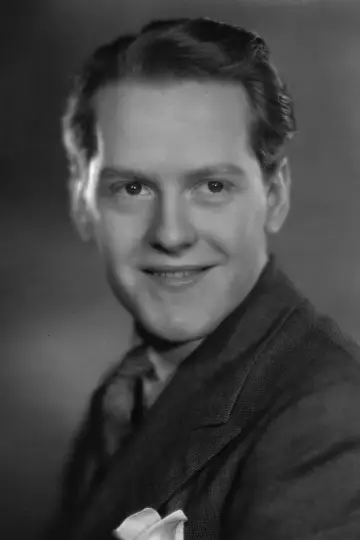
Photo Hardie Albright #48603

Hardie Albright

Hardie Albright
Character Adolescent Bambi (voice) (uncredited)
Photo Ann Gillis #48604

Ann Gillis

Ann Gillis
Character Adolescent Faline (voice) (uncredited)

Tim Davis

Tim Davis
Character Adolescent Thumper / Adolescent Flower (voice) (uncredited)
Photo Sam Edwards #48605
Sam Edwards
Character Adult Thumper (voice) (uncredited)
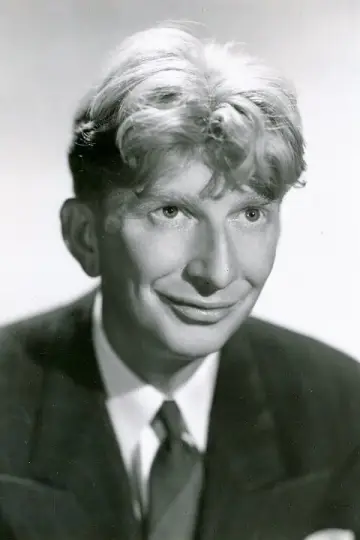
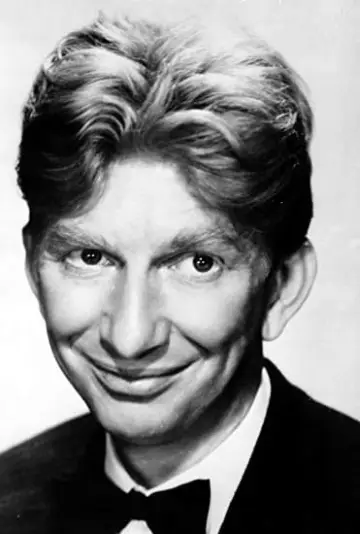
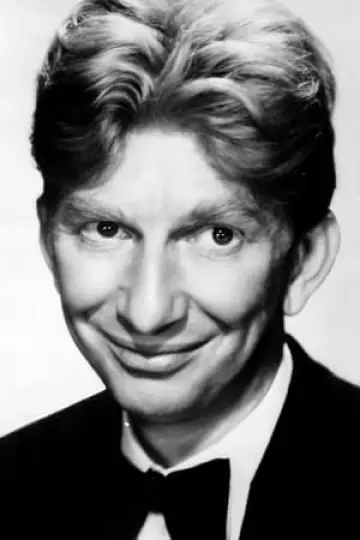
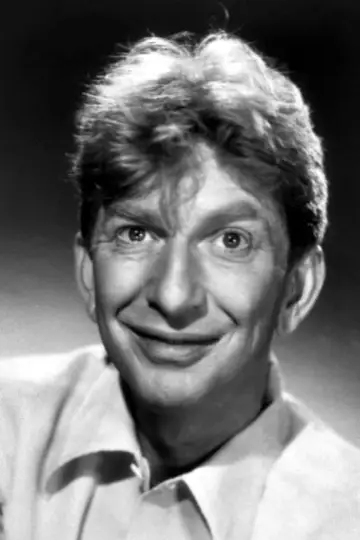
Photo Sterling Holloway #33114Photo Sterling Holloway #33115Photo Sterling Holloway #33116Photo Sterling Holloway #33117

Sterling Holloway

Sterling Holloway
Character Adult Flower (voice) (uncredited)
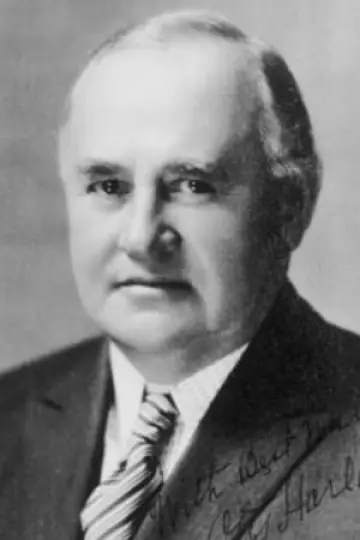
Photo Otis Harlan #32491
Otis Harlan
Character Mr. Mole (voice) (uncredited)

Thelma Boardman

Thelma Boardman
Character Girl Bunny / Quail Mother / Female Pheasant (voice) (uncredited)
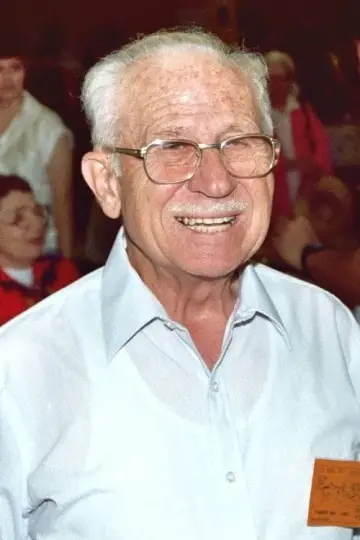
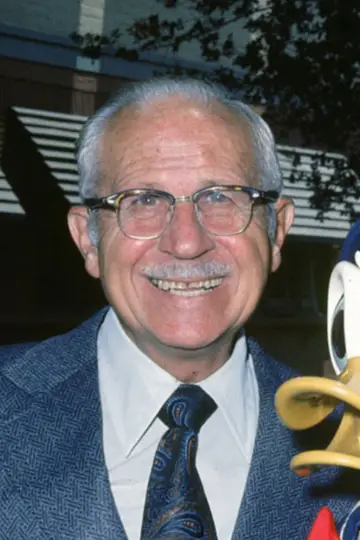
Photo Clarence Nash #48606Photo Clarence Nash #48607

Clarence Nash

Clarence Nash
Character Bullfrog (voice) (uncredited)
Marion Darlington
Character Birds (voice) (uncredited)

Eddie Holden

Eddie Holden
Character Chipmunk (voice)
Paula Winslowe
Character Bambi's Mother / Pheasant (voice) (uncredited)
Fred Shields
Character Great Prince of the Forest (voice) (uncredited)


John Sutherland

John Sutherland
Character Adult Bambi (voice) (uncredited)

What's left behind the scenes

  • Although the Man himself is not directly seen in the cartoon, his presence is signaled by ominous music. This method of depicting approaching danger (a heavy, simple, repeating motif) was later used by Steven Spielberg in his film *Jaws* (1975).
  • The reason the Great Prince appears so rarely in the cartoon and speaks so little is the difficulty of animating his antlers. Later, while working on the sequel *Bambi II* (2006), animator Frank Thomas (one of the lead animators on *Bambi*) admitted that the artists had to use a special deer statuette to draw him correctly, but even then, the animation looked unnatural in overly complex scenes.
  • Bambi is the second full-length animated film by Walt Disney (the first being *Dumbo* (1941)) to take place in the present day.
  • Two minor planets are named in honor of Bambi and Thumper – numbers 15845 and 16626 respectively.
  • The American Film Institute (AFI) recognized Man as one of the fifty greatest villains in cinema.
  • In some early drafts, Thumper was called Bobo.
  • Two negative female characters in the James Bond film "Diamonds Are Forever" (1971) were named after Bambi and Tamper.
  • The film is based on the book by Austrian writer and journalist Felix Salten "Bambi".
  • ‘Bambi’ was Walt Disney’s favorite cartoon.
  • According to a 2006 Los Angeles Business poll, ‘Bambi’ was recognized as the best Disney cartoon, receiving 21% of the votes (compared to 20% for ‘Snow White and the Seven Dwarfs’).
  • In 2011, the film was included in the National Film Registry of the United States of America.
  • In 1933, the rights to create a film based on Felix Salten’s book were bought by Sidney Franklin, one of the employees of MGM studio. However, it soon became clear that such a film could not be made using traditional filmmaking techniques, and in 1935, Walt Disney was offered to create a full-length animated film.
  • In the original book, in addition to Faline, Bambi has another deer friend – Gobo (Faline’s brother). Ronno also had a friend named Carus. Furthermore, after his mother’s death, Bambi was looked after by does Nettla and Morena. Faline’s mother was named Ena (in some translations, Enna).
  • The phrase from the cartoon 'Man in the Forest' was used by Walt Disney's subordinates when they noticed his approach.
  • None of Disney's animators, even the most experienced and skilled, could draw the antlers of Bambi's father. In the end, they found real antlers, cast them in plaster, and then filmed them from all possible angles, after which they used rotoscoping.
  • Instead of hiring adult actors to voice the animals, who would simply imitate the voices of young animals, Walt Disney went against common practice and hired children to do the voice acting.
  • Footage from this film was used in other projects more than footage from any other Disney cartoon. This generally applied to images of birds, leaves, and the like.
  • The original script stipulated that Bambi's mother, not Bambi himself, would be shot. Walt Disney himself rejected this idea. Later in the script, Bambi is also hit by a bullet, but it doesn't kill him.
  • While developing the images of Bambi, his parents, and friends, Disney animators spent a year studying deer and fawns. It is always difficult to portray a deer because their eyes are located on either side of the muzzle, they have no chins, and their mouths are not suitable for visually depicting speech. Animator Marc Davis solved all these problems by giving Bambi some human child-like features.
  • According to animator and screenwriter Mel Shaw, the project was frequently delayed and fell behind schedule. This was due to the fact that Walt Disney and his subordinates constantly came up with new ideas and new characters, they developed these ideas for a while, spent time on them, and then discarded them as unnecessary, becoming convinced that a particular idea would not work. Shaw cited as an example a scene in which Bambi steps on an anthill and disturbs the ants. Disney employees began to consider exactly what damage Bambi had done to the ants, and how it affected specific ant characters. It was then decided that this entire episode was not important to the overall plot, and they decided to abandon it altogether, having spent a considerable amount of time reaching that conclusion.
  • The authorities of the state of Maine sent Disney's studio two fawns, named the same as the future cartoon's heroes, so that the animators could study their movements, habits, and behavior in general. When the fawns grew up over time, they were released into a park near Los Angeles. Disney animators were also sent other animals for similar purposes (for example, skunks and squirrels).
Did you like the film?

© ACMODASI, 2010-2026

All rights reserved.
The materials (trademarks, videos, images and text) contained on this site are the property of their respective owners. It is forbidden to use any materials from this site without prior agreement with their owner.
When copying text and graphic materials (videos, images, text, screenshots of pages) from this site, an active link to the site www.acmodasi.in must necessarily accompany such material.
We are not responsible for any information posted on this site by third parties.