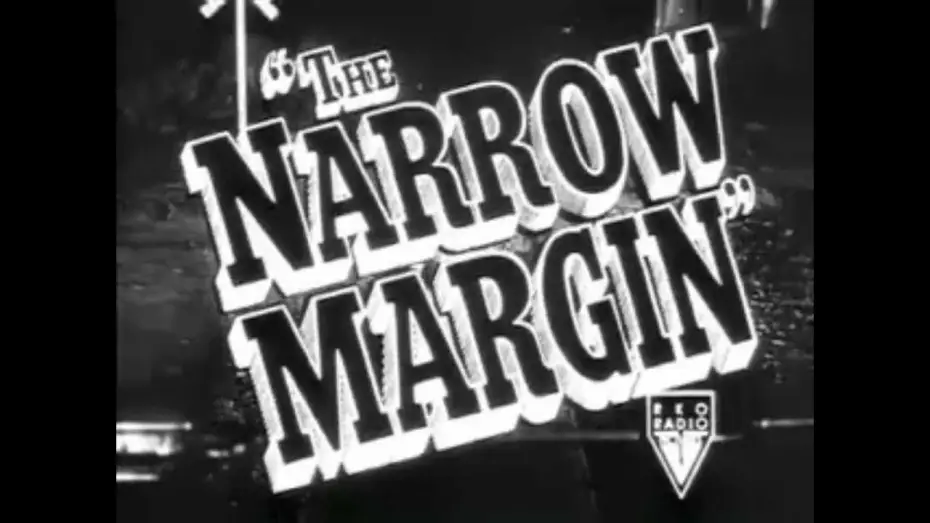
The Narrow Margin



Short description
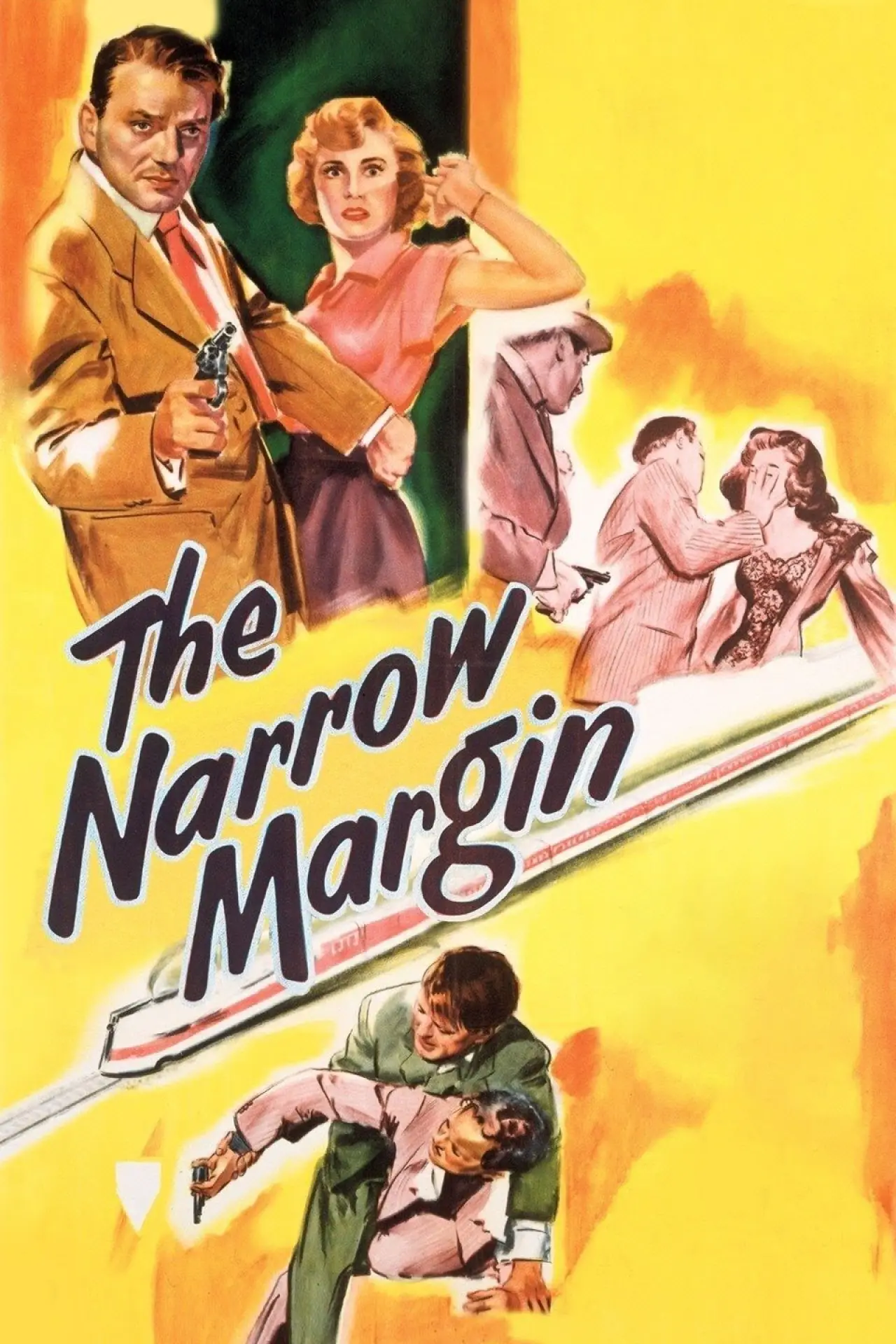
Detective Walter Brown is assigned to escort a gangster's widow from Chicago to Los Angeles, where she is to testify before a grand jury. Travelling under cover on a long train journey, he must keep her alive and out of sight of the men who want to stop her from talking. When his partner is killed, Brown is left to protect her alone, while killers ride the same train.
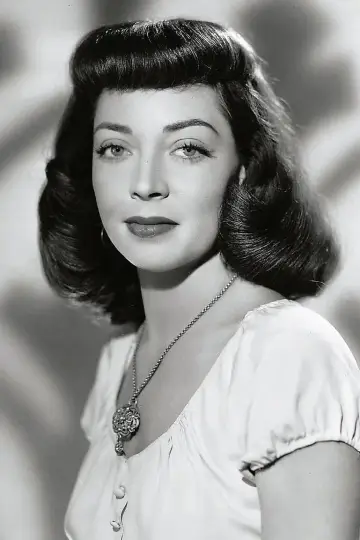
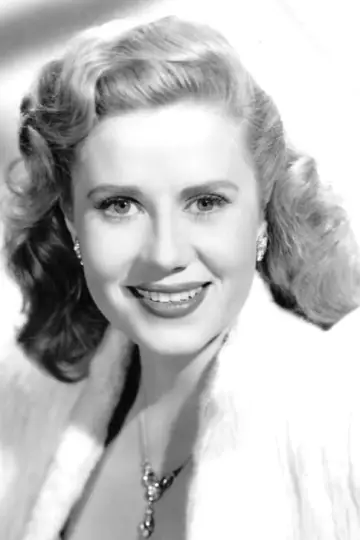
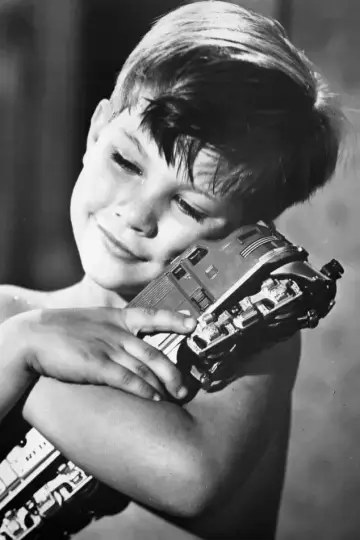
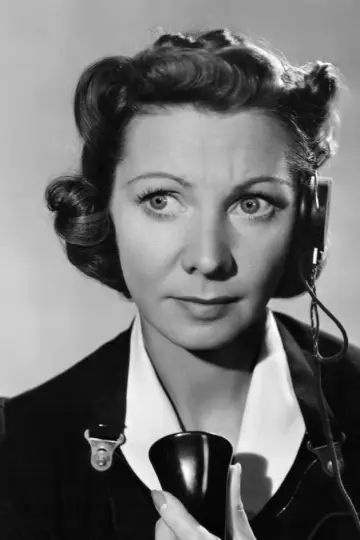
The Narrow Margin is a 1952 crime thriller directed by Richard Fleischer, the second of the twenty-three films he directed in chronological order, following His Kind of Woman and preceding 20,000 Leagues Under the Sea. Earl Felton wrote the screenplay, Stanley Rubin produced it for RKO Radio Pictures, and the picture runs seventy-one minutes. Charles McGraw plays Walter Brown, with Marie Windsor as Mrs. Frankie Neall, alongside Jacqueline White, Gordon Gebert, Queenie Leonard and David Clarke among a credited cast of thirty-five.
The film holds an IMDb rating of 7.6 from around 9,800 votes, while on TMDB it sits at 7.3 from roughly 180 votes, indicating a solid reputation that has held up over the decades despite the modest number of ratings there.
What's left behind the scenes
- According to director Richard Fleischer, Howard Hughes, the owner of RKO Pictures, liked the film, but decided it would be better to reshoot it, replacing Charles McGraw and Marie Windsor with Robert Mitchum and Jane Russell, respectively. Before these plans could be realized, Hughes sold the company and left the movie business. As a result, the film was released a few years later without changes.
- Instead of removing walls from the sets, director Richard Fleischer preferred the extensive use of handheld cameras, which could be carried onto the sets depicting interiors. This was one of the first films to employ such a technique. To save money, the sets depicting trains were bolted firmly to the floor, and the swaying motion of the train was simulated by the movement of the camera.
- The film was shot in 13 days, and only a few seconds of the scene showing the train arriving in Los Angeles were actually filmed on a train.




 Auditions in India
 Casting calls in USA
 Castingi w Polsce
 Кастинги в Україні

