Rififi






Short description
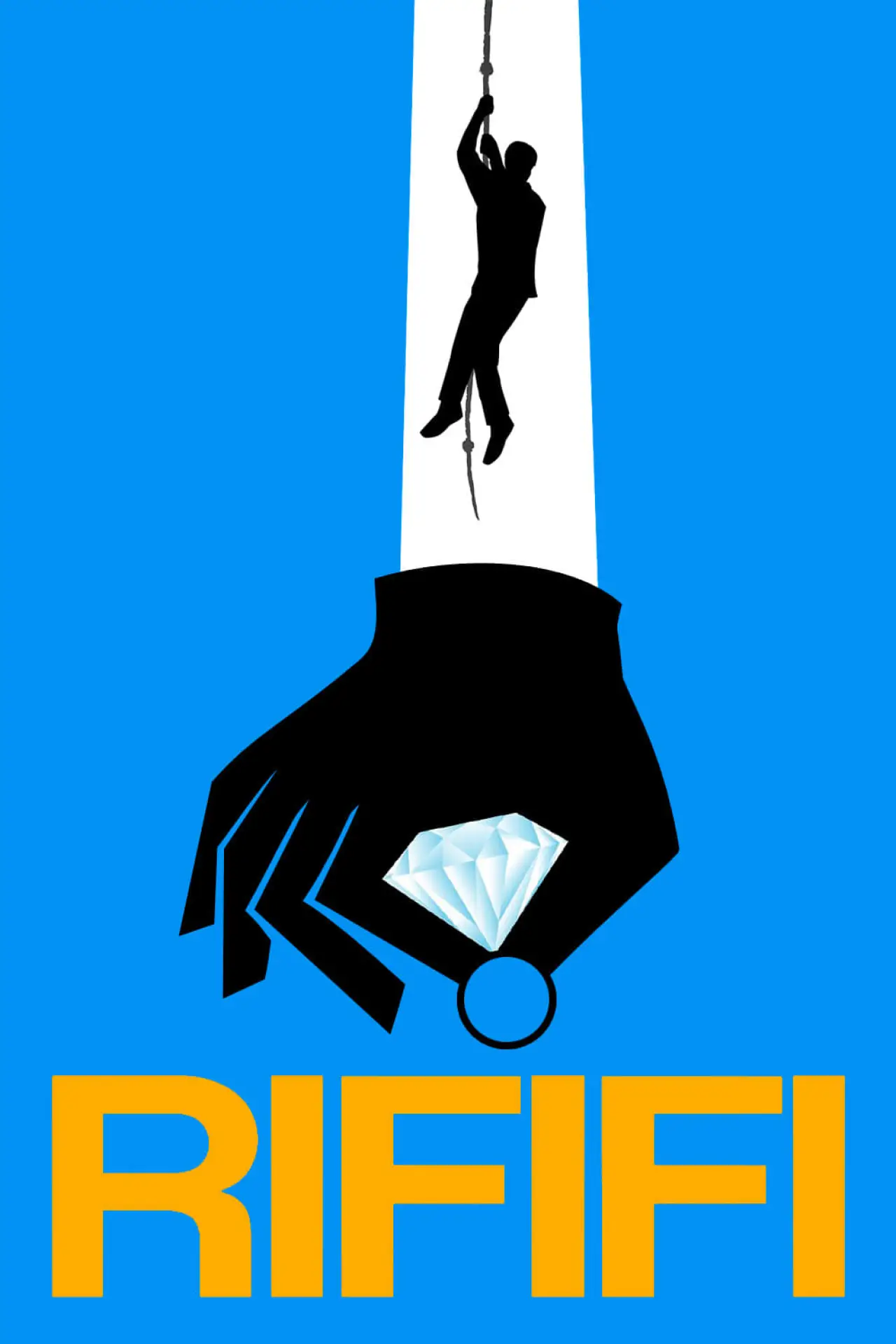
Fresh out of prison after five years, the jewel thief Tony Le Stéphanois intends to go straight, but he has no money and learns that his former partner Mado has taken up with a nightclub owner involved in contraband. Tony's friend Jo proposes a small job, and Tony instead assembles a crew for something far more ambitious: a meticulously planned burglary of a Paris jewellery shop. The robbery succeeds, but what the men do afterwards draws the attention of a rival gang, and a conflict between the two groups becomes deadly.
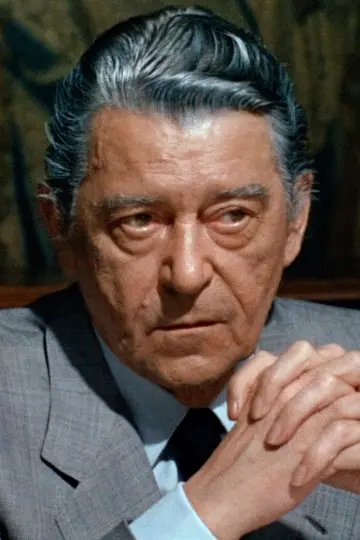
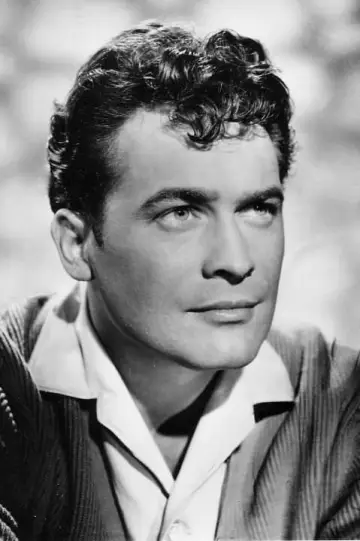
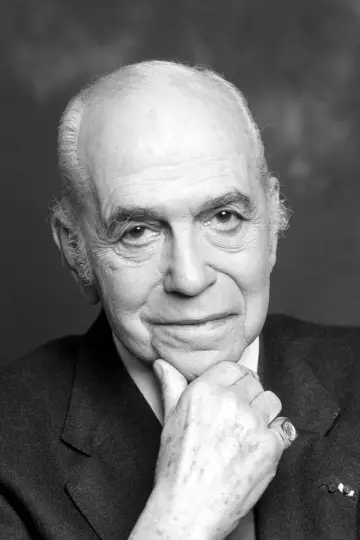
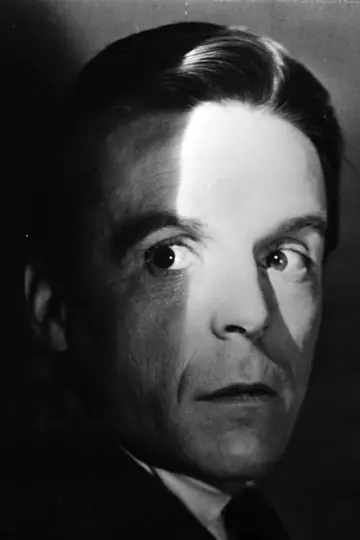
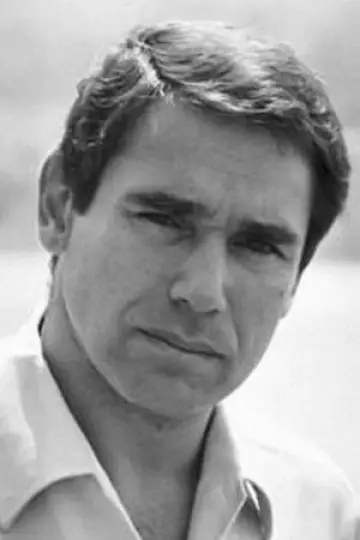
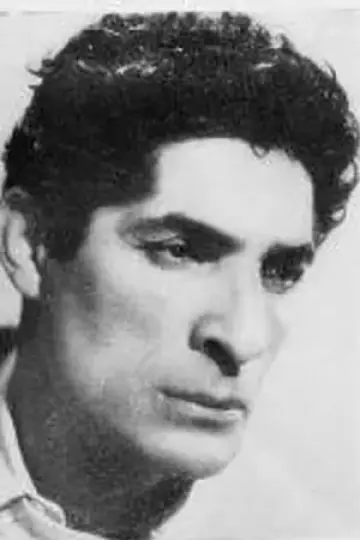
Jules Dassin directed this 1955 French crime drama, his fifth film, following Night and the City and later followed by Never on Sunday and Topkapi. Auguste Le Breton, who wrote the source novel, and René Wheeler wrote the screenplay, and Henri Bérard, René Bezard and Pierre Cabaud produced it. Jean Servais plays Tony, alongside Carl Möhner as Jo, Robert Manuel as Mario, Janine Darcey as Louise, Pierre Grasset as Louis Grutter and Robert Hossein as Rémi Grutter. Twenty-five cast members and forty-four crew members are credited.
The film runs 118 minutes and is regarded as a high point of the French crime genre. Its ratings are strong across audiences and critics alike, with an 8.1 out of 10 on IMDb from roughly 39,000 votes and a 7.8 out of 10 on TMDB from far fewer votes, while a critics' rating of 8.9 out of 10 from 53 reviews places professional assessment above the audience scores.
What's left behind the scenes
- The film is based on the novel of the same name by Auguste Le Breton.
- At the same time, some countries banned the film from being shown as a kind of textbook for thieves. For example, in Mexico, it was announced that the film had spawned a whole wave of jewelry store robberies.
- In 2000, a restored version of the film was successfully released in American cinemas.
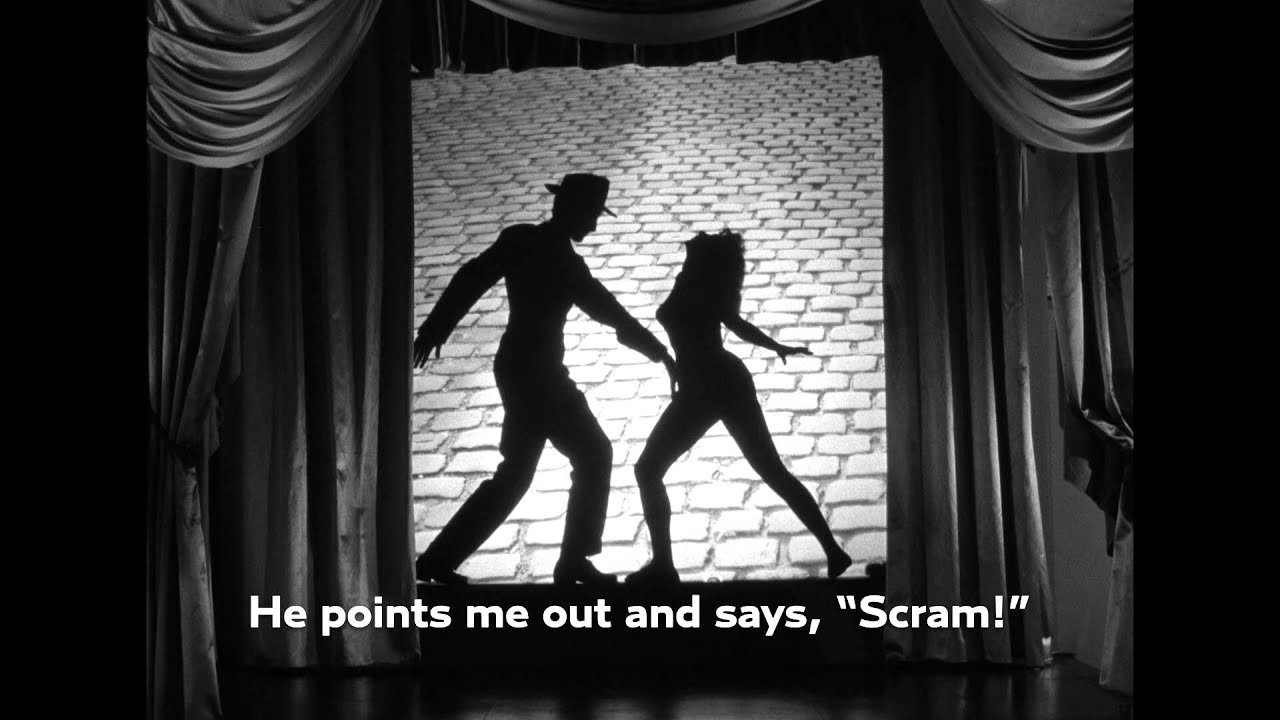
- The film contains several scenes that have become part of the golden fund of world cinema – the half-hour scene of the robbery of a jewelry store on Rivoli Street, filmed with maximum realism, in complete silence; the sensual performance of Magali Noël in front of men in a nightclub; the death agony of the main character behind the wheel of a car.
- "Rififi" is the first film in 5 years by American director Jules Dassin, exiled from Hollywood during the McCarthy era. Dassin was ostracized from his profession on the slander of his own colleagues. Echoes of his bitterness can be felt in the scene where Tony deals with Caesar (who, ironically, was played by Dassin himself). This scene, absent from the novel, was introduced into the film at the director's insistence.
- The film was shot on a tiny budget with second-rate actors. Jean Servais, who suffered from alcoholism, was chosen for the role of the fallen gangster; the director himself took on the role of Caesar. Despite the producers' objections, Dassen insisted on abandoning fight scenes (which were unavoidable in French crime films at the time) and shooting in sunlight ("everything must be gray," he explained).
- In the US, the film encountered censorship difficulties; it was said that the scenes of violence were excessive. After a moralizing epigraph from the Bible was added to the film, it was released in the American market and enjoyed great success there. Dassin became the first person to successfully break free from the Hollywood blacklist without losses.
- Before Dassin was approved as director, it was assumed that Jean-Pierre Melville would direct the film.
Similar movies



 Auditions in India
 Casting calls in USA
 Castingi w Polsce
 Кастинги в Україні
