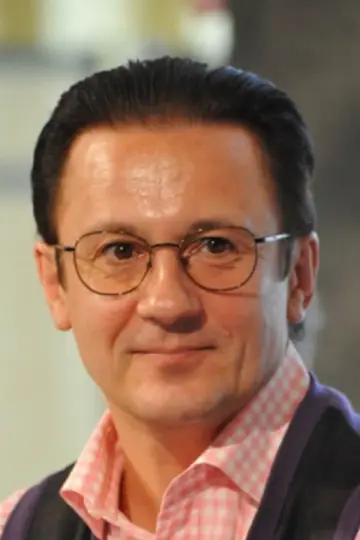
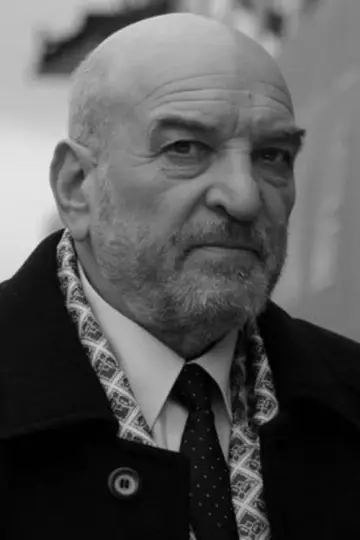
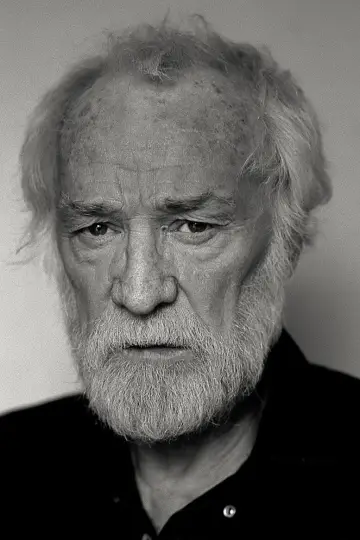
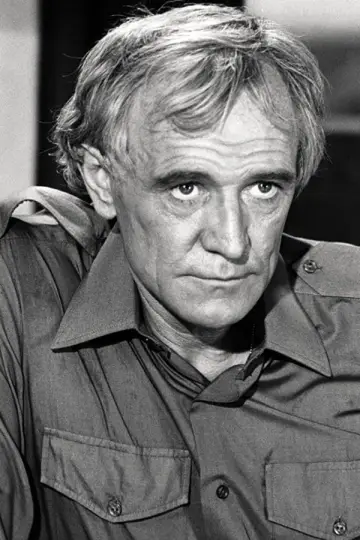
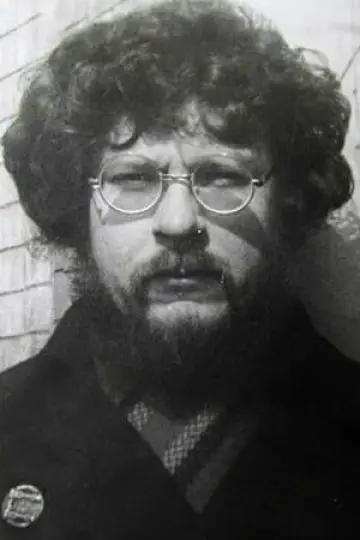
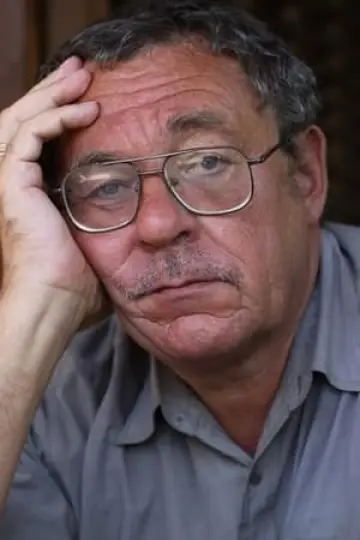
The Barber of Siberia - actors, characters and roles

All actors and their roles in the film "The Barber of Siberia"
Сибирский цирюльник (1998)
Timing: 3:0 (180 min)
The Barber of Siberia - TMDB rating
7.1/10
127
The Barber of Siberia - Kinopoisk rating
7.862/10
96091
The Barber of Siberia - IMDB rating
7.6/10
13000

Actors and characters

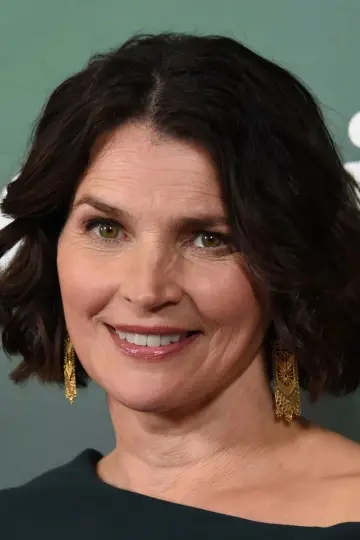
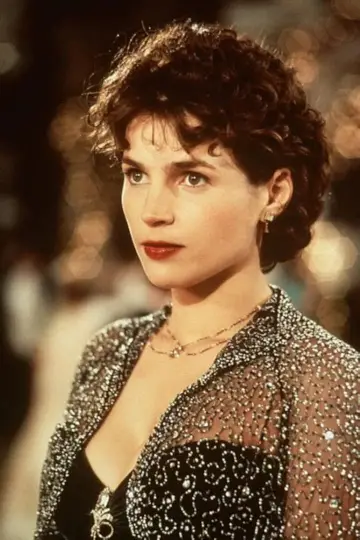
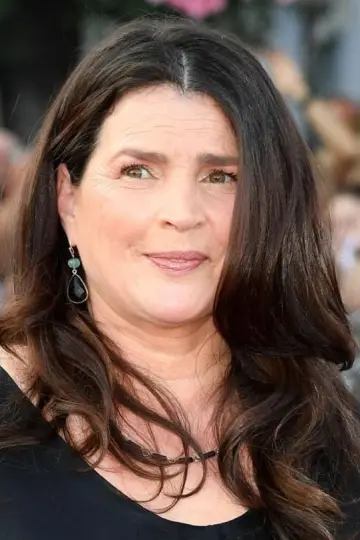
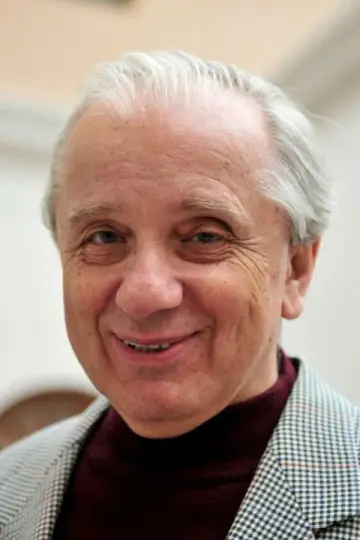
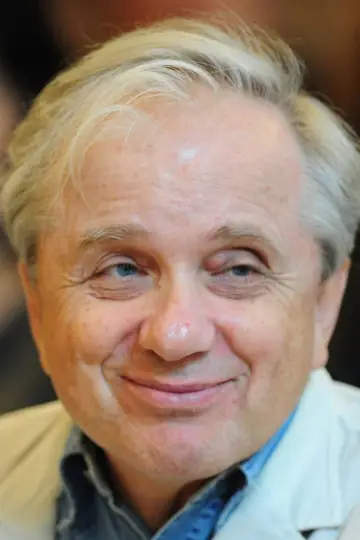
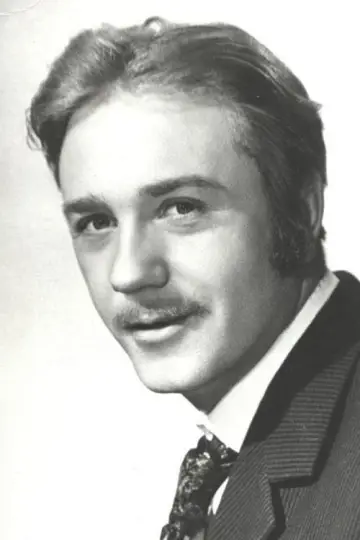
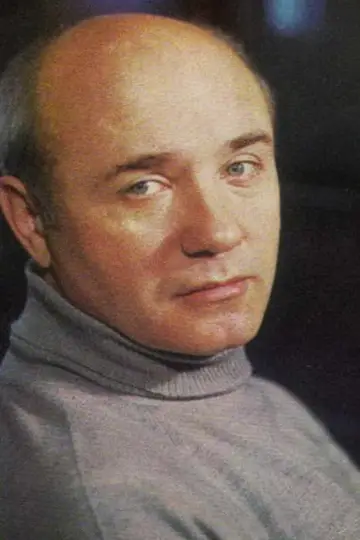
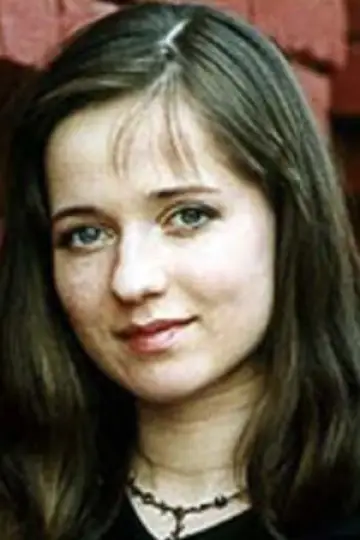
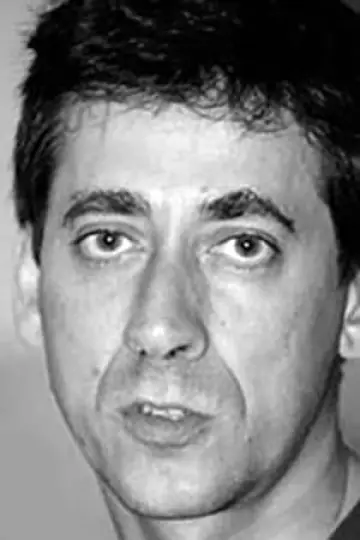
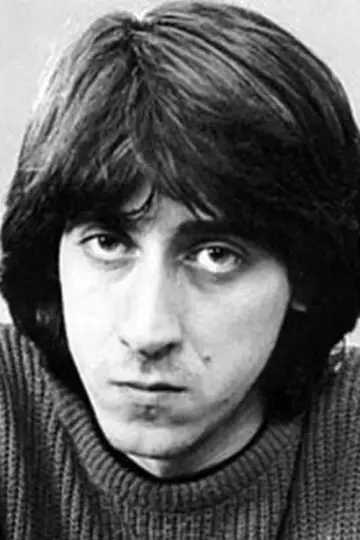
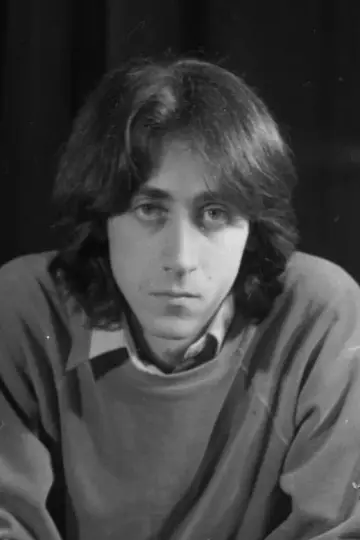
Photo Julia Ormond #40967Photo Julia Ormond #40968Photo Julia Ormond #40969Photo Julia Ormond #40970

Julia Ormond

Julia Ormond
Character Jane Callahan
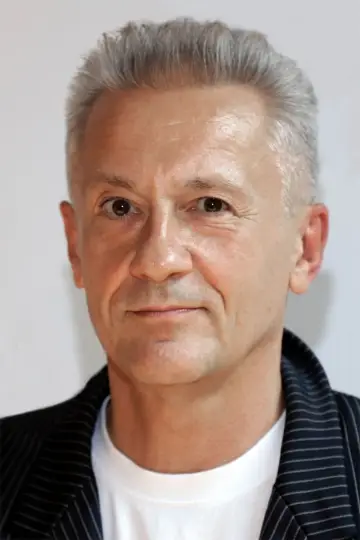
Photo Oleg Menshikov #81682Photo Oleg Menshikov #81683

Oleg Menshikov

Oleg Menshikov
Character André Tolstoi
Photo Aleksey Petrenko #117246

Aleksey Petrenko

Aleksey Petrenko
Character General Radlov
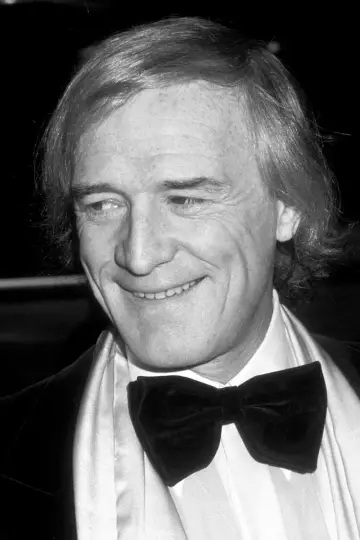
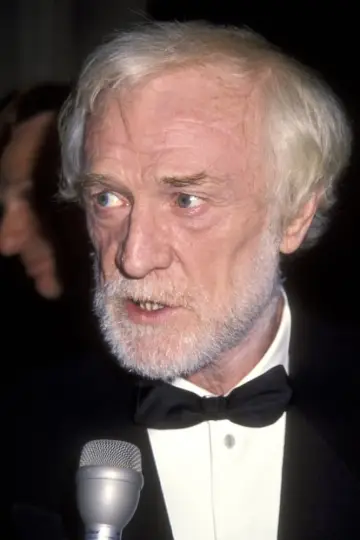
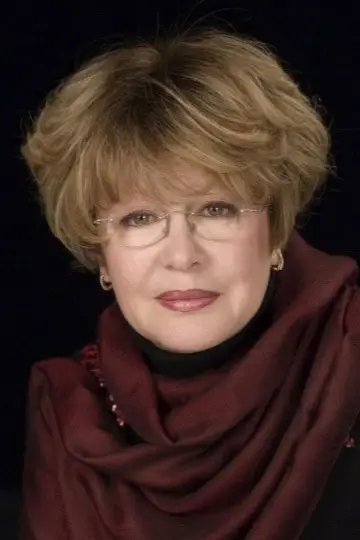
Photo Richard Harris #9944Photo Richard Harris #9945Photo Richard Harris #9946Photo Richard Harris #9947

Richard Harris

Richard Harris
Character Douglas McCraken
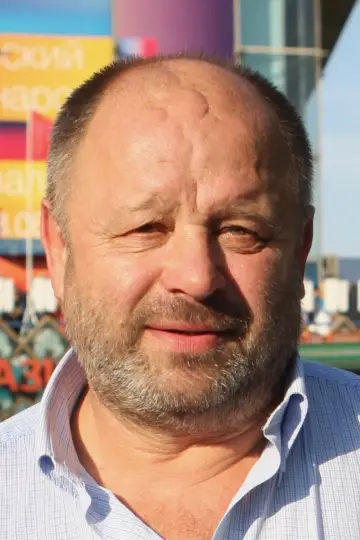
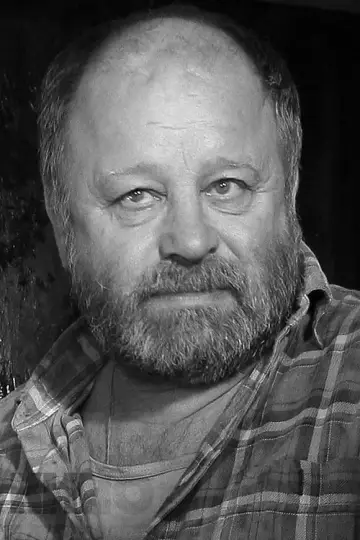
Photo Vladimir Ilin #57005Photo Vladimir Ilin #57006Photo Vladimir Ilin #57007
Vladimir Ilin
Character Captain Mokine
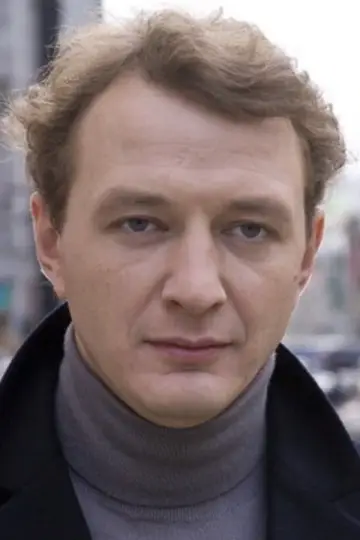
Photo Marat Basharov #133356Photo Marat Basharov #133357Photo Marat Basharov #133358

Marat Basharov

Marat Basharov
Character Polievsky
Photo Georgiy Dronov #231192Photo Georgiy Dronov #231193Photo Georgiy Dronov #231194
Georgiy Dronov
Character Nazarov

Photo Nikita Tatarenkov #287801
Nikita Tatarenkov
Character Alibekov

Photo Artyom Mikhalkov #259341Photo Artyom Mikhalkov #259342
Artyom Mikhalkov
Character Boutourline

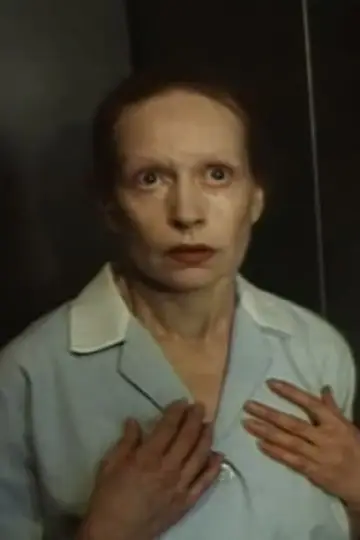
Photo Marina Neyolova #287802Photo Marina Neyolova #347920Photo Marina Neyolova #347921
Marina Neyolova
Character André Tolstoï's mother
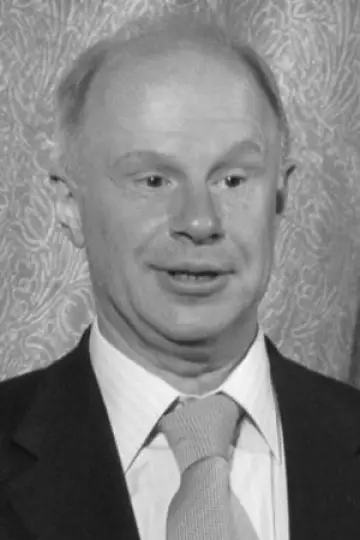
Photo Avangard Leontyev #171316Photo Avangard Leontyev #171317Photo Avangard Leontyev #171318Photo Avangard Leontyev #316256
Avangard Leontyev
Character André Tolstoi's uncle

Photo Anna Mikhalkova #119135Photo Anna Mikhalkova #119136
Anna Mikhalkova
Character Douniacha
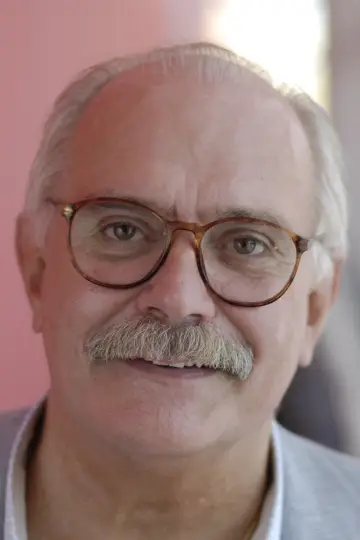
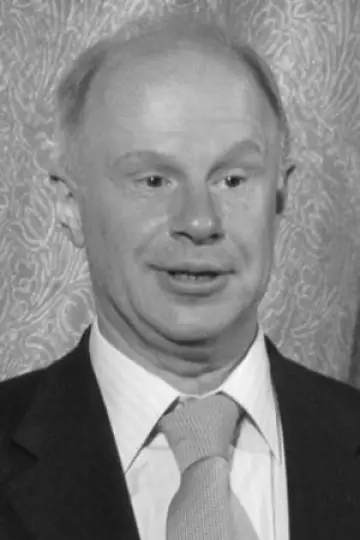
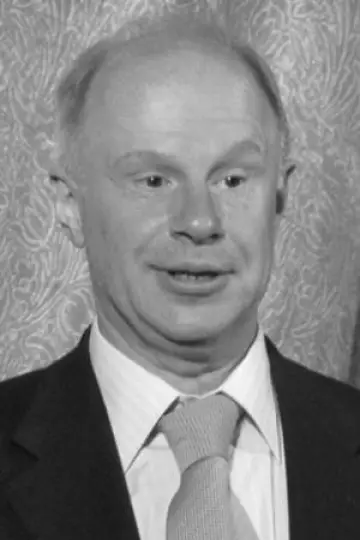
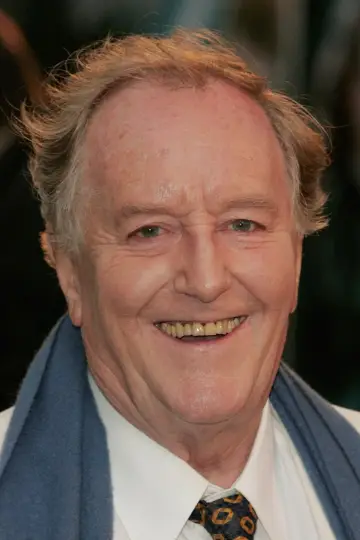
Photo Robert Hardy #10422

Robert Hardy

Robert Hardy
Character Forsten

Elizabeth Spriggs

Elizabeth Spriggs
Character Perepiolkina
Photo Nikita Mikhalkov #122138Photo Nikita Mikhalkov #122139Photo Nikita Mikhalkov #122140Photo Nikita Mikhalkov #122141

Nikita Mikhalkov

Nikita Mikhalkov
Character Imperator Aleksandr III
Photo Isabelle Renauld #218237Photo Isabelle Renauld #218238Photo Isabelle Renauld #218239Photo Isabelle Renauld #218240

Isabelle Renauld

Isabelle Renauld
Character Imperatritsa
Photo Evgeniy Steblov #238667Photo Evgeniy Steblov #335759Photo Evgeniy Steblov #335760
Evgeniy Steblov
Character Velikiy knyaz

Photo Viktor Verzhbitskiy #213004Photo Viktor Verzhbitskiy #213005Photo Viktor Verzhbitskiy #213006
Viktor Verzhbitskiy
Character Adyutant Velikogo knyazya
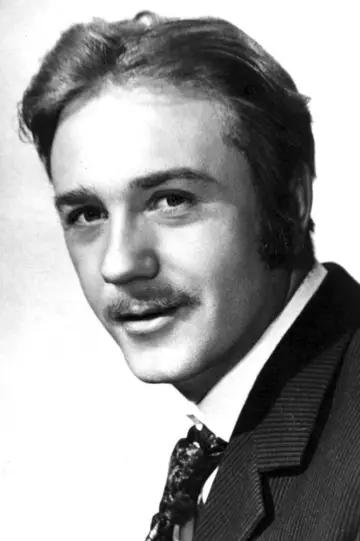
Photo Leonid Kuravlyov #127295Photo Leonid Kuravlyov #127296Photo Leonid Kuravlyov #127297

Leonid Kuravlyov

Leonid Kuravlyov
Character Vakhmistr Bukin
Photo Aleksandr Lenkov #287803
Aleksandr Lenkov
Character Uchenyy
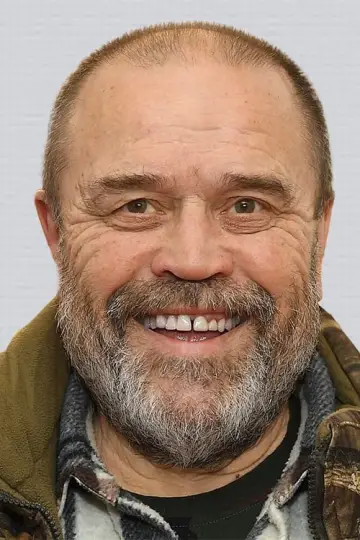
Photo Aleksandr Ilin #125916Photo Aleksandr Ilin #125917
Aleksandr Ilin
Character Kupets
Photo Richard Dempsey #46697
Richard Dempsey
Character Kadet-zaika
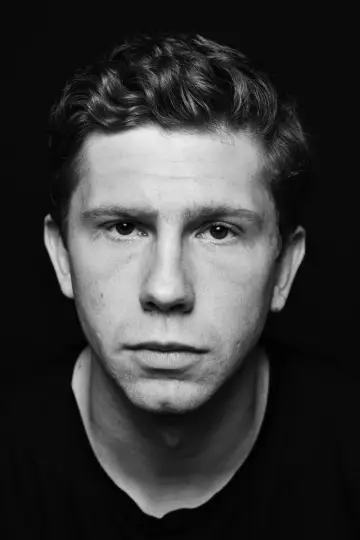
Photo Filipp Dyachkov #137529Photo Filipp Dyachkov #137530
Filipp Dyachkov
Character Mikhail, son of tsar
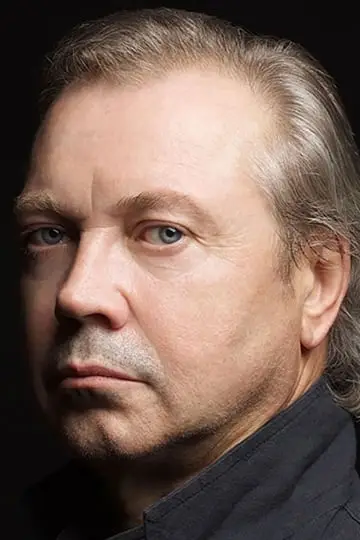
Photo Pierre Narcisse #287823Photo Pierre Narcisse #287824
Pierre Narcisse
Character sluga abissinskogo printsa

What's left behind the scenes

  • Approximately 10 years passed between the writing of the screenplay for 'The Siberian Barber' and the completion of its filming. This lengthy period was mainly due to the difficulties in securing funding for such a large-scale project.
  • The role of General Radlov was to be played by Yuri Bogatyrev, who suddenly died at the age of 41 in 1989.
  • The total budget of the film (including the post-production stage) exceeded 40 million dollars. Thus, this film became the highest-budget production in the history of Russian cinema at that time (the record for the Soviet era is considered to be Sergei Bondarchuk’s 'War and Peace').
  • Filming, according to those involved, resembled a large-scale military operation. It involved more than 250 actors, several thousand extras, 40 film crews, and several airplanes and helicopters. Approximately 80 cars served the group daily.
  • All the tableware used in the film was custom-made by Czech glassblowers.
  • The 'Siberian Barber' machine itself – a state-of-the-art forestry harvester – was built specifically for the film at a secret military factory near Nizhny Novgorod. Thieves attempted to steal the machine during filming, but were unsuccessful – they couldn't handle it and drove the 'Barber...' into a ravine, where they became stuck and fled in disgrace.
  • Filming lasted 11 months, 6 days a week, with workdays ranging from 12 to 16 hours.
  • Since the winter of 1997 was surprisingly snowless, hundreds of tons of artificial snow had to be used when filming snowy Red Square and Moscow streets.
  • During the filming of Maslenitsa at the Novodevichy Pond, the temperature rose to 12 degrees Celsius. To prevent the rapidly melting ice from giving way with the actors and props, it was continuously covered with dry ice and sprayed with liquid nitrogen.
  • Specifically for the film's shooting, at the request of Mikhalkov, the internal illumination of the Kremlin stars was switched off for 10 hours by order of President B.N. Yeltsin. They were visible from Vasilyevsky Spusk, and rails were also laid for a horse-drawn tram through the Iverskiye Gates. Before this, the stars' illumination had been switched off only once—during the beginning of the Great Patriotic War.
  • The film was shot at several locations. Siberian scenes were filmed in Khakassia, Krasnoyarsk, and Nizhny Novgorod. Studio shooting (decorations of the school, apartments, etc.) was carried out in the Czech Republic, as the cost of renting a studio was significantly lower there than in Russia. 'American' episodes were filmed in Portugal, and Moscow—in reality in Moscow, including on Cathedral Square in the Kremlin.
  • Actors playing officers and cadets were trained for several months at the Kostroma Military School according to the drill and guard duty regulations of the late 19th century.
  • The first Russian film shot in the most modern Panavision format with sound recorded in Dolby CPD mode.
  • In the 2008 American film 'Indiana Jones and the Kingdom of the Crystal Skull,' a Soviet fantastical logging machine, breaking trees left and right, clears the road in South American jungles in 1957 for a column of KGB military vehicles. This is Spielberg's parody of the Siberian steam-powered logging mechanism from Nikita Mikhalkov’s film.
  • The television version has a runtime of 275 minutes.
  • At the beginning of the film, after the title card "1905," a close-up shows the United States flag on a flagpole at a military camp, but it is a modern flag: it has 50 stars (representing the number of states) arranged in 9 rows of 6 and 5. In 1905, the United States consisted of only 45 states, and the flag had the same number of stars, arranged in 6 rows of 8 and 7 stars per row.
  • The army gas masks shown in the film simply did not exist in 1905, as there were no chemical warfare agents at that time. Gas masks only appeared during World War I, 10 years later.
  • The film's main character, Jane, begins her journey to Russia in 1885. She speaks only English, although she is reading Leo Tolstoy's novel "Anna Karenina" on the train, which will not be translated into her native language for another two years – in 1887.
  • The total budget of the film (including the post-production stage) amounted to over $40 million. Thus, this film became the highest-budget production in the history of Russian cinema at that time (the record for the Soviet era is considered to be Sergei Bondarchuk's 'War and Peace').
  • In the 2008 American film 'Indiana Jones and the Kingdom of the Crystal Skull,' a Soviet fantasy logging machine, destroying trees left and right, clears the road in the South American jungle in 1957 for a column of KGB military vehicles. This is Spielberg's parody of the Siberian steam logging mechanism from Nikita Mikhalkov's film.
  • At the beginning of the film, after the title card '1905,' a close-up shows the American flag on a flagpole in a military camp, but it is a modern flag: it has 50 stars (representing the number of states) arranged in 6 rows of 6 and 9 rows of 5. In 1905, the United States consisted of only 45 states, and the flag had the same number of stars, arranged in 6 rows of 8 and 7 stars per row.
  • The film's protagonist, Jane, begins her journey to Russia in 1885. She speaks only English, although she is reading Leo Tolstoy’s novel “Anna Karenina” on the train, which will not be translated into her native language until two years later – in 1887.
Did you like the film?

© ACMODASI, 2010-2026

All rights reserved.
The materials (trademarks, videos, images and text) contained on this site are the property of their respective owners. It is forbidden to use any materials from this site without prior agreement with their owner.
When copying text and graphic materials (videos, images, text, screenshots of pages) from this site, an active link to the site www.acmodasi.in must necessarily accompany such material.
We are not responsible for any information posted on this site by third parties.