Vampyr




Short description
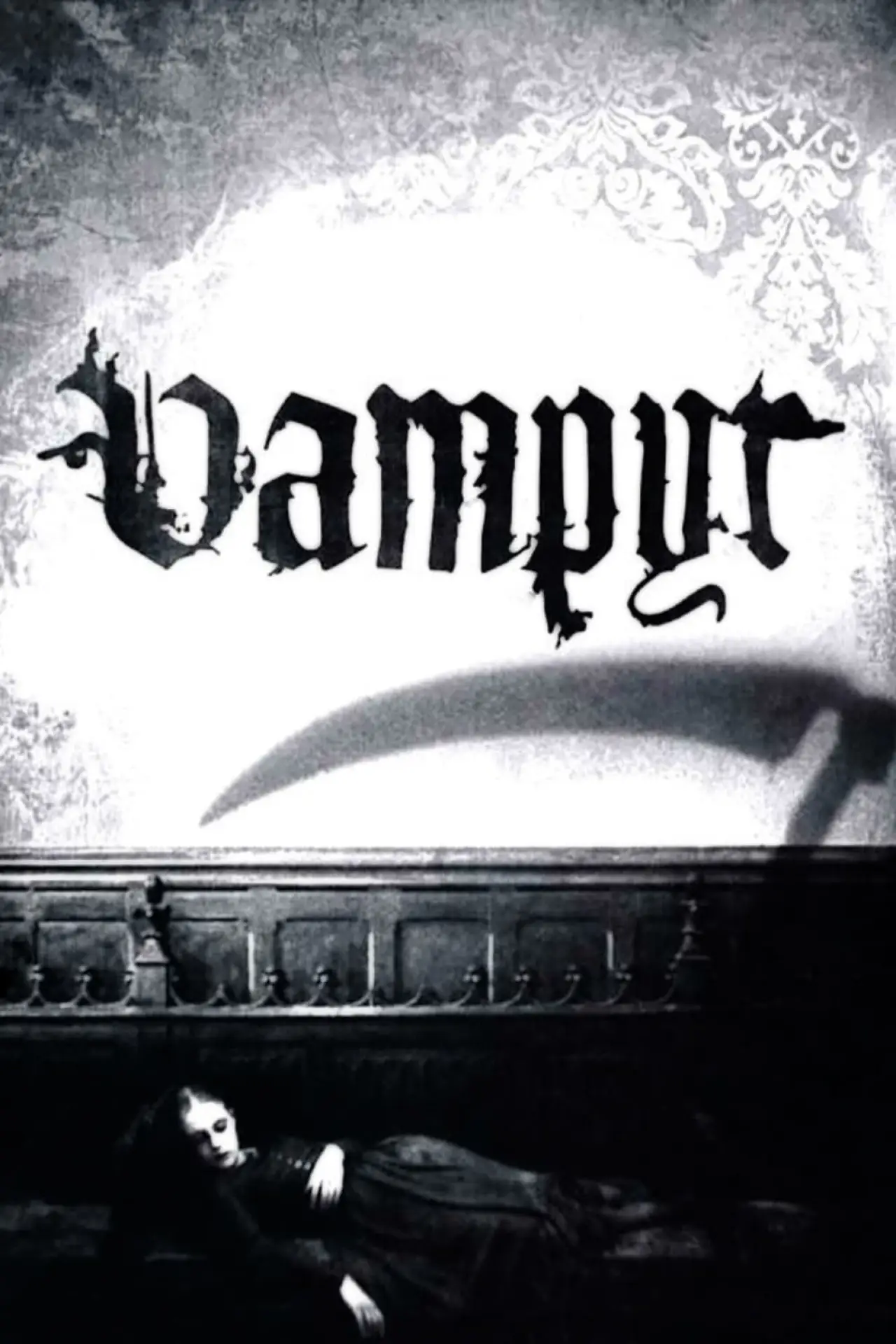
Vampyr follows a young traveller, Allan Gray, who arrives at an inn in the village of Courtempierre and becomes aware of a malevolent presence hanging over the place. He learns that a local man's daughter, Léone, bears strange marks on her neck, and that an unnatural force is at work in the village. Gray's investigation, aided by a book on vampirism, leads him toward a confrontation with the vampire responsible for the attacks.
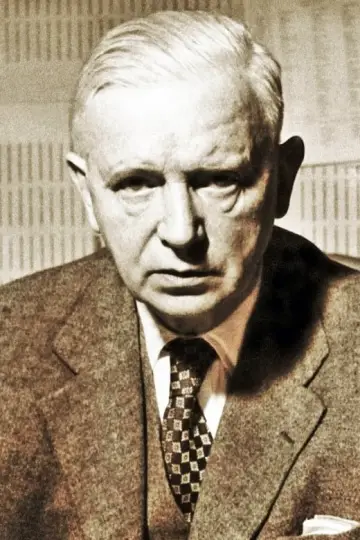
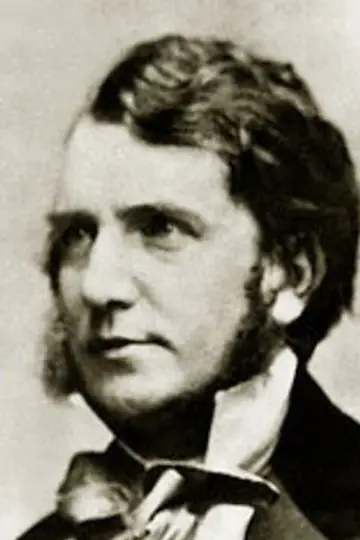
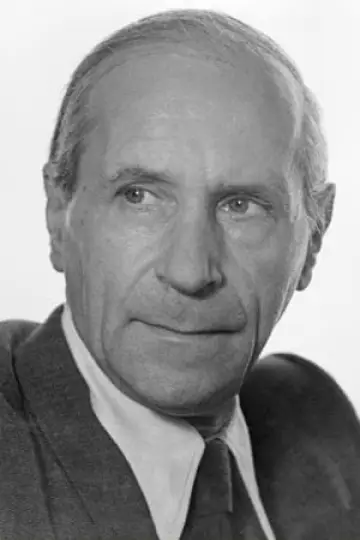
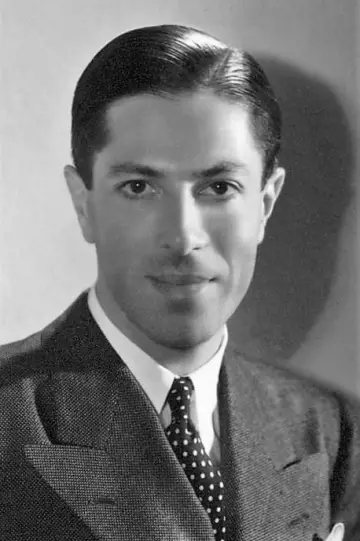
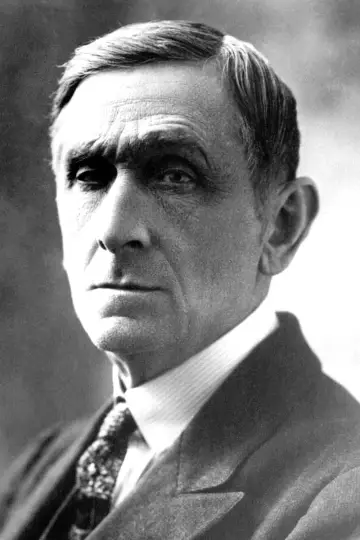
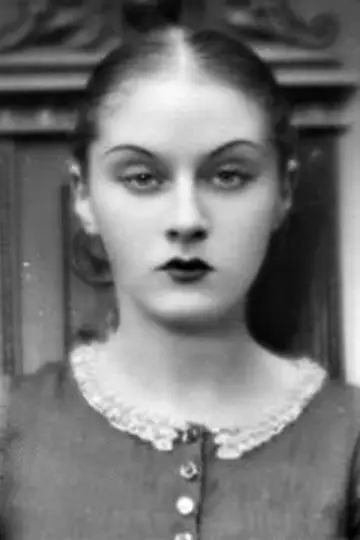
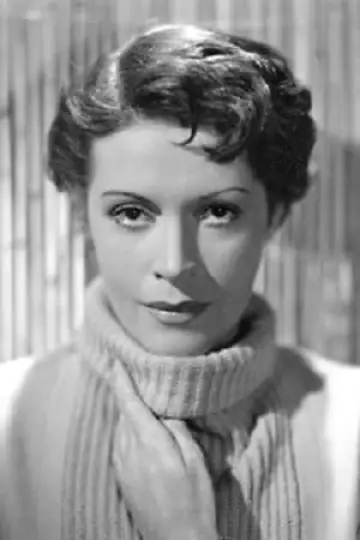
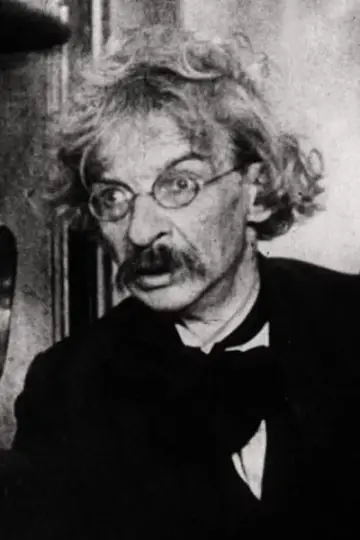
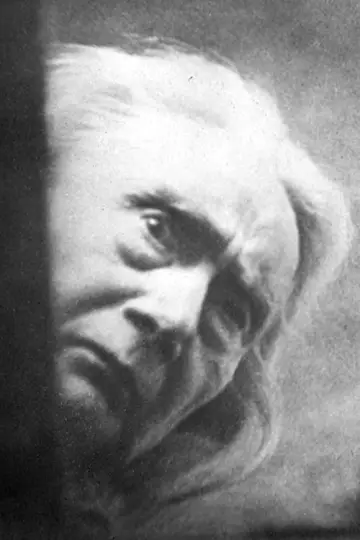
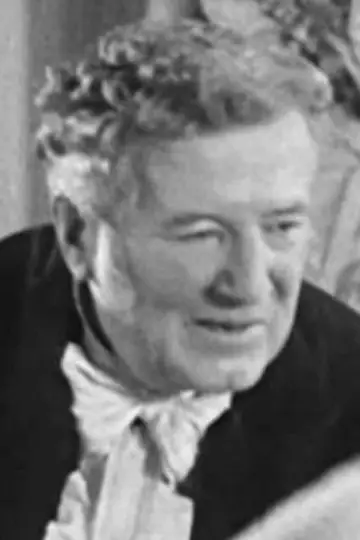
Carl Theodor Dreyer directed and co-wrote the film with Christen Jul, and it stands between his 1928 film The Passion of Joan of Arc and Day of Wrath (1943) in his body of work. Dreyer also produced it with Nicolas de Gunzburg, who plays Allan Gray under the name Julian West. The cast includes Maurice Schutz as the lord of the manor, Rena Mandel as Giséle, Sybille Schmitz as Léone, Jan Hieronimko as the village doctor and Henriette Gérard as the old woman from the cemetery. The film draws on Sheridan Le Fanu's story Carmilla and runs just over an hour.
On IMDb it holds a rating of 8.7 from 44 reviews, while on TMDB it has a rating of 7.3 from 607 votes. The difference suggests a strong critical standing alongside a more moderate but still favourable response from a larger general audience.
What's left behind the scenes
- When Dreyer returned to France, the artist Valentina Hugo introduced him to a fashionable socialite, Baron Ginzburg, who dreamed of an acting career. Nicolas de Ginzburg promised to find funding on the condition that he play the lead role in the film.
- Until recently, only low-quality, heavily cut versions of the film were available to viewers, making it difficult to understand its plot. In the summer of 2008, “Vampyr,” restored by German experts, was released on DVD by two companies simultaneously – Criterion Collection (which collected almost all surviving film materials on two discs) and Eureka Films (with commentary by director Guillermo del Toro).
- The credits state that the plot motifs of 'Vamp' are based on two novellas from this book – 'Carmilla' and 'The Mystery of the Dragon Hotel'. However, according to modern researchers, the film's plot is largely a product of Dreyer's own imagination.
- Work on 'Vampyr' began at the end of the silent film era. A significant portion of the information in the film is conveyed 'in the old manner' through title cards (including pages from a book about vampires that the main character flips through). To study sound technology, which was poorly understood by the French, Dreyer traveled to London, where he met with Danish writer Christen Jul. Together they wrote the screenplay for 'Vampyr'.
- Dreyer found the performer for the role of the sinister doctor in the Paris Metro.
- “Vampyr” was not successful with the public and did not recoup its production costs. It was particularly poorly received in Vienna. Ordinary viewers could not grasp the fragmented plot of “Vampyr,” while aesthetes ignored it due to their disdain for the plebeian genre of horror films. Following this failure, Dreyer checked himself into the Jeanne d’Arc psychiatric hospital complaining of nervous exhaustion. He did not direct a single full-length film for the following 12 years.
- 'Vampyr' was filmed outside of studio sets, which was rare for that time. Location shooting took place in 1930 and 1931 in the remote village of Courtempierre (Loiret department).
- The film was dubbed in three languages: English, French, and German. Of these versions, only the German one has been preserved in a relatively complete form.
- Operator Mate received instructions from Dreyer to adhere to a soft-focus shooting style, so that the depicted image would be veiled in a light haze, as if in a dream. To achieve this effect, a transparent fabric was stretched approximately a meter from the camera. During editing, several scenes that caused objections due to their naturalism were cut from the film.
- Carl Theodor Dreyer’s film (1932) was shot in the traditions of German Expressionism in France, funded by Nicolas de Ginzburg, who performed the lead role of Allan Grey under the pseudonym “Julian West.”
- “Vampyr” was dubbed after filming concluded at the Universum Film AG studio in Berlin. Of the original cast of actors, only Ginzburg and Schmitz participated in the dubbing. The film was dubbed into three languages – English, French, and German. Of these versions, only the German one has survived in a relatively complete form.
- Most of the actors involved in the film were not professionals. Exceptions include Sibylle Schmitz, who played Léone, and Maurice Schutz, with whom Dreyer had worked on a film about Joan of Arc.
- 3 tons of real wheat flour were used for the final shoot.
Similar movies


 Auditions in India
 Casting calls in USA
 Castingi w Polsce
 Кастинги в Україні
