Germany, Year Zero



Short description
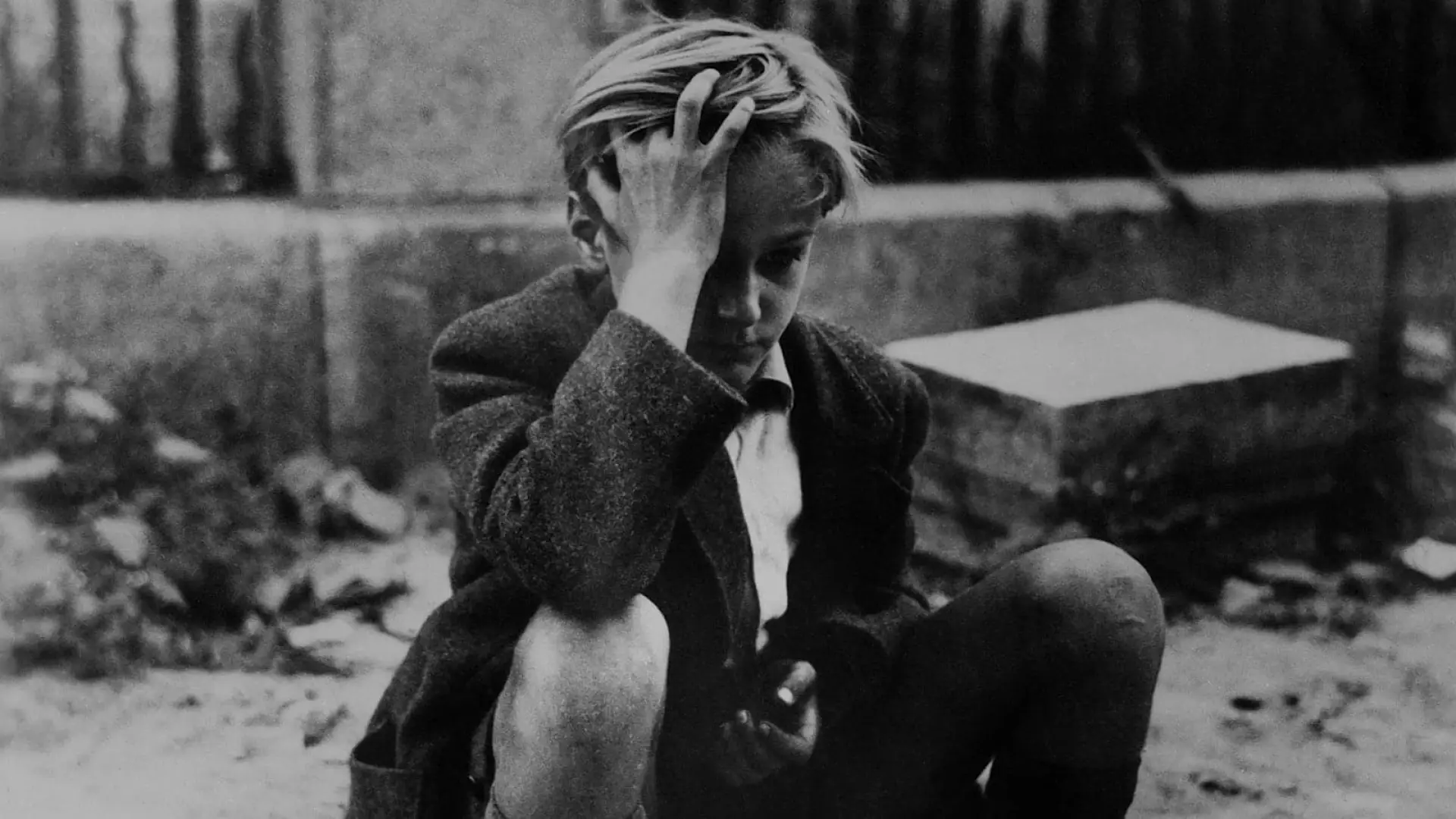
Germany, Year Zero is a drama set in the ruins of postwar Berlin. Twelve-year-old Edmund Kohler roams the bombed-out streets to find food for his family. His father is bedridden and ailing, his brother, a former soldier, hides in the apartment, and his sister keeps company with occupying soldiers. Left largely to himself, Edmund meets a former teacher whose ideas push the boy toward a desperate act that he cannot undo.
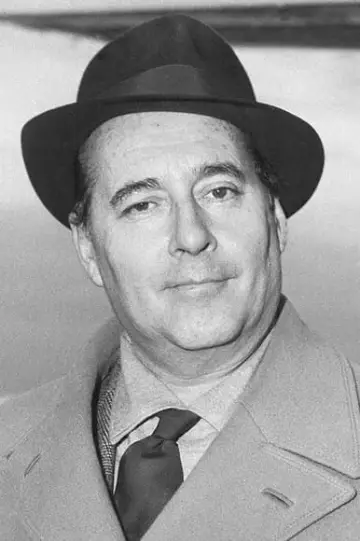
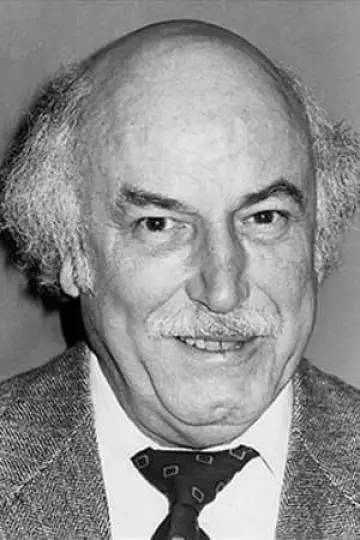
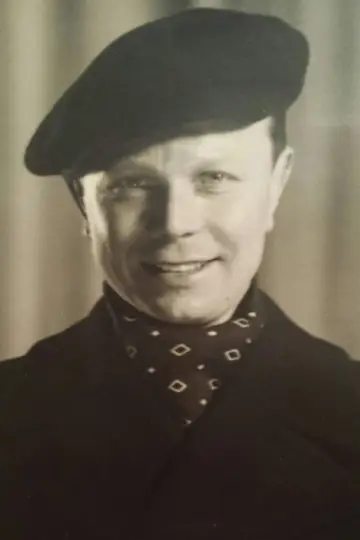
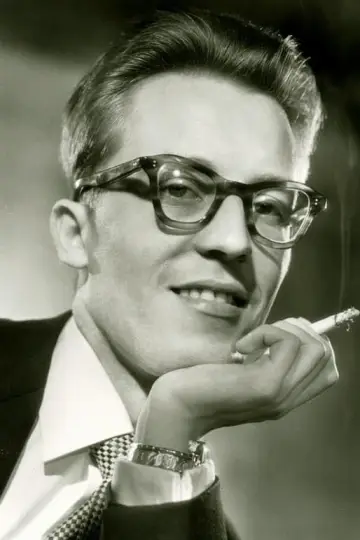
Roberto Rossellini directed and produced the film, and wrote the screenplay with Sergio Amidei and Carlo Lizzani. It followed his Rome, Open City and Paisan, arriving as the third of the three features he made in succession after the war, and it came a couple of years before Stromboli. The cast mixes professional actors with non-professionals, among them Edmund Moeschke as the boy, Ernst Pittschau as the father, Ingetraud Hinze as the sister and Erich Gühne as the teacher.
Running seventy-four minutes, the film was released in 1948 and was shot in the actual rubble of the divided city. On IMDb it holds a rating of 7.8 from more than thirteen thousand votes, and on TMDB 7.6 from over four hundred. Critics rated it higher still, 8.9 from twenty-four reviews, so the professional response stands above the audience scores, though both remain favorable.
What's left behind the scenes
- Roberto Rossellini dedicated this film to the memory of his 8-year-old son Romano, who died shortly before filming began.
- This is the final film in Roberto Rossellini’s war trilogy, which also includes 'Rome, Open City' (1945) and 'Paisan' (1946).
- François Truffaut filmed 'The 400 Blows' (1959), which marks the beginning of the French New Wave, after being impressed by the film.


 Auditions in India
 Casting calls in USA
 Castingi w Polsce
 Кастинги в Україні
