American Graffiti



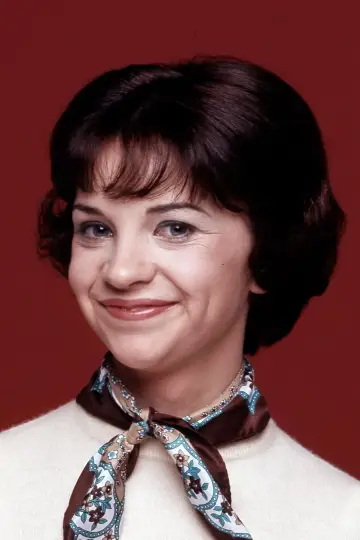

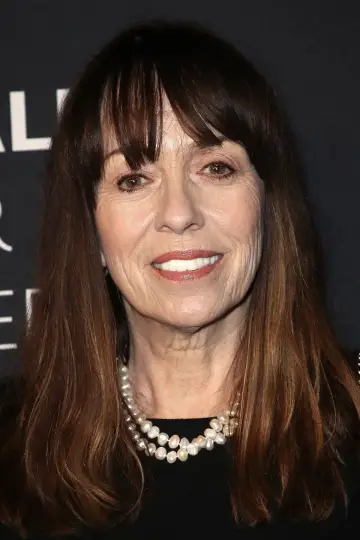
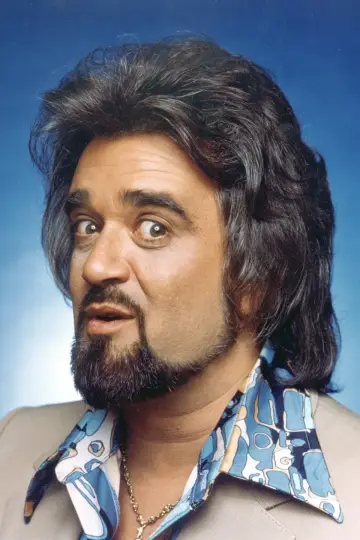
Short description
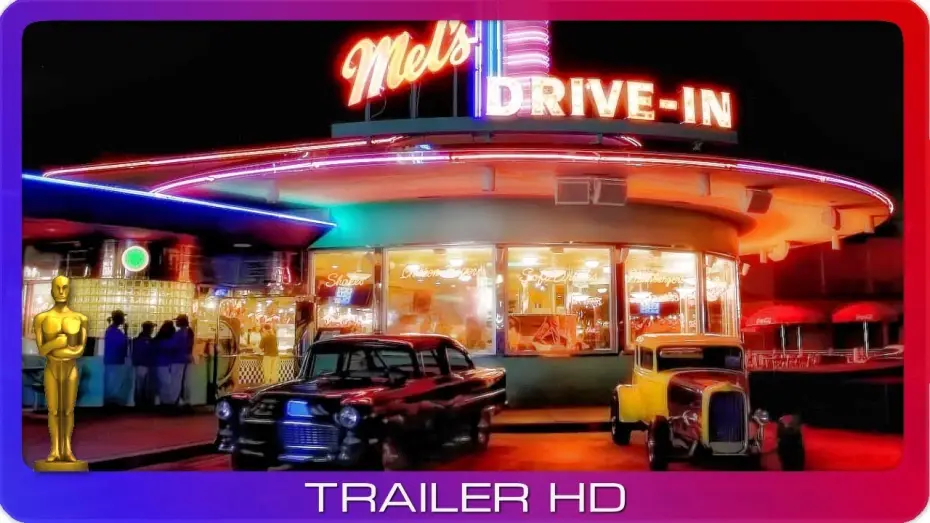
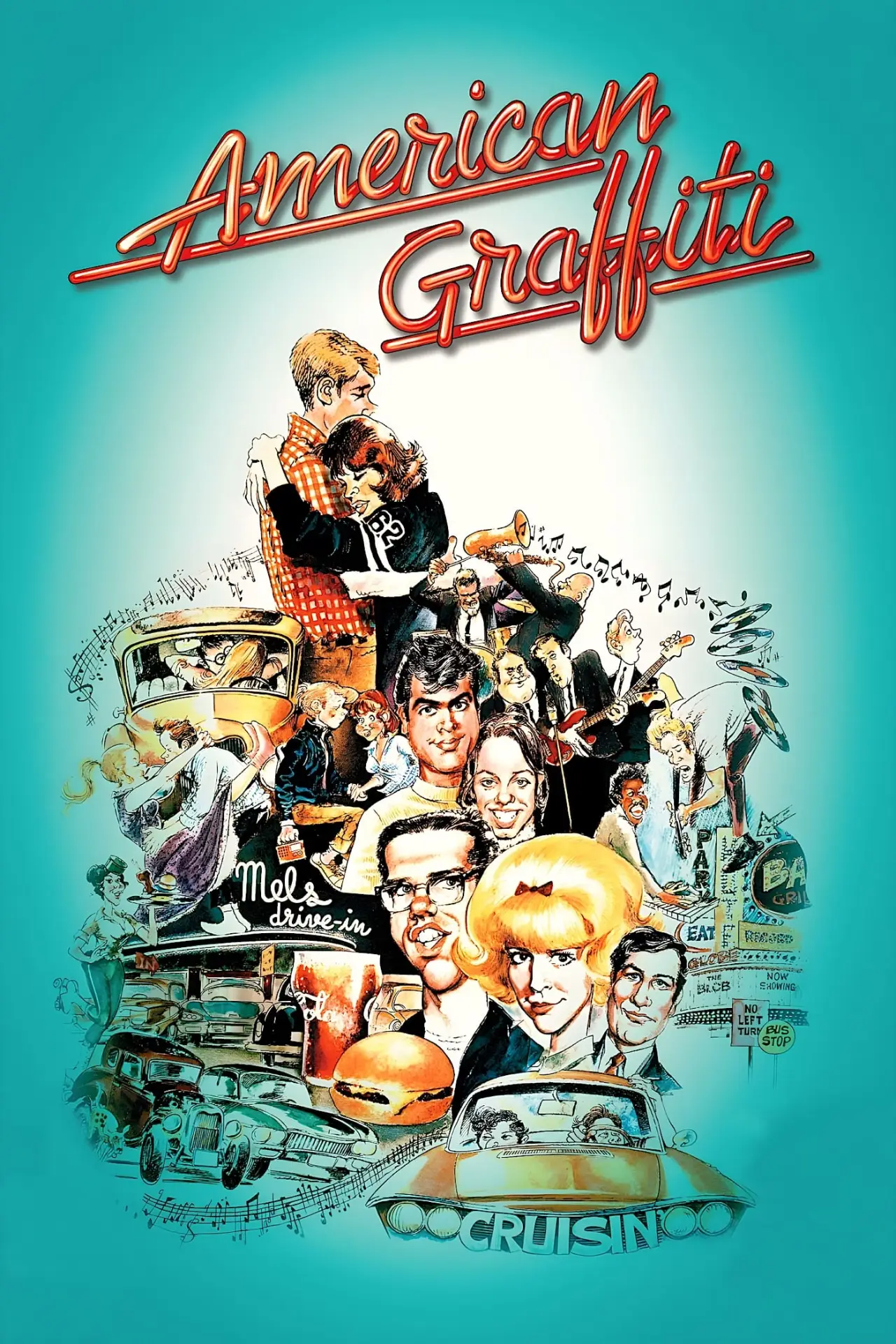
Set in Modesto, California, in 1962, American Graffiti follows a group of teenagers on the last night of summer before two of them leave for college. Steve Bolander and Curt Henderson have graduated and are about to head east, but their plans create tension: Steve is seeing Curt's sister Laurie, and the two struggle with the prospect of separating. Curt spends the evening pursuing a blonde woman he glimpsed in a car, while their friend Terry Fields takes out a girl in Steve's borrowed vehicle. John Milner, the group's unbeatable drag racer, finds himself stuck with a much younger girl named Carol who refuses to leave his side. Across one night of cruising, dancing, bowling and chance encounters, the friends confront what comes next as adulthood approaches, building toward a confrontation between John and the challenger Bob Falfa.
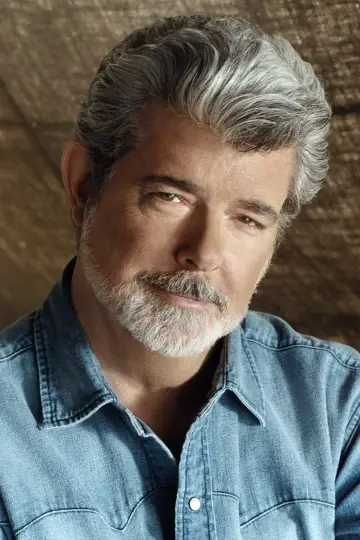
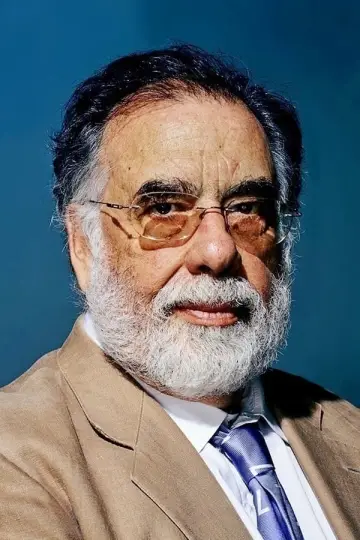
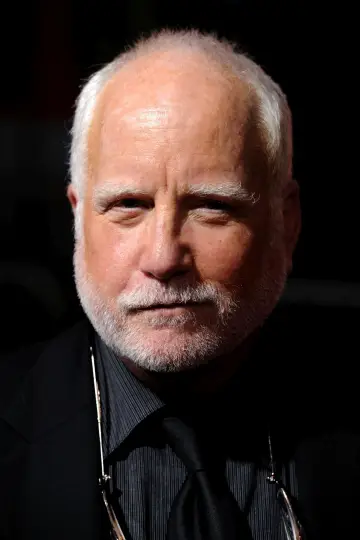
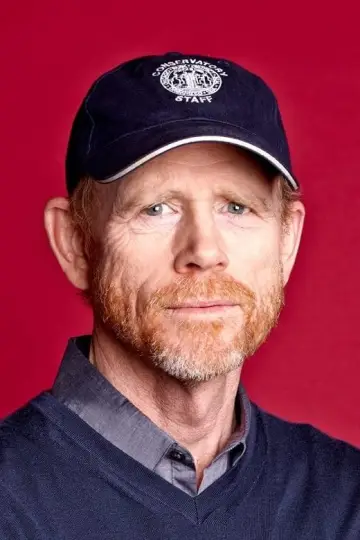
George Lucas directed the film, his third feature, arriving between the science-fiction drama THX 1138 and Star Wars. He wrote the screenplay with Willard Huyck and Gloria Katz, and Francis Ford Coppola produced. The large ensemble, with 53 credited cast members, is led by Richard Dreyfuss, Ron Howard, Paul Le Mat, Charles Martin Smith, Cindy Williams and Candy Clark.
Released in 1973, the film grossed about 140 million dollars worldwide, a strong return for a modestly scaled coming-of-age comedy-drama. On IMDb it holds 7.4/10 from roughly 105,000 votes, and on TMDB 7.1/10 from 1,642 votes, while a film critics' rating of 8.7/10 from 63 reviews is noticeably higher than either audience score.
What's left behind the scenes
- Filming period: June 26 – August 1972.
- Harrison Ford was offered to have his hair cut for the role of the reckless racer Bob Falfa. Ford refused, arguing that the role was too small for such sacrifices. Instead, he suggested hiding Bob's hair under a cowboy hat.
- Terry Fields' crash was not planned in the script. Charles Martin Smith, who played Terry, simply lost control of the moped during filming and didn't stop it in time, while Lucas managed to capture the episode on camera.
- Around 300 cars manufactured no later than 1962 were needed for filming the movie. The filmmakers placed an ad in the newspaper, and thousands of various rare cars were brought to the set.
- It took 29 days to film the movie. Practically the entire film was shot in the evenings.
- Kathleen Quinlan's debut film role. She appears in one scene with Ron Howard; later, when he became a director, he cast Quinlan in his film "Apollo 13" (1995).
- Popular DJ Wolfman Jack played essentially himself. Lucas invited him to the role himself, as he was captivated by his radio shows when he was still in school.
- Following the incredible success of “Easy Rider” (1969), Universal Studios allowed five more young directors to make “semi-independent” films with budgets just under a million dollars, hoping for a large return. It was decided not to interfere with their work and to allow them to edit the films themselves. In addition to Lucas, Peter Fonda (“The Hired Hand,” 1971), Dennis Hopper again (“The Last Movie,” 1971), Miloš Forman (“Taking Off,” 1971), and Douglas Trumbull (“Silent Running,” 1972) were fortunate.
- John Milner’s car number is TNX-138. George Lucas’s previous film was titled “THX 1138”.
- Cindy Williams wanted to play Carol and even ordered braces—that’s how she envisioned the character. However, Williams received the role of Laurie Henderson, and Carol was played by Mackenzie Phillips.
- Lucas wanted to obtain 80 rock and roll hits from the 1950s-60s for the film. Unfortunately, the budget only allowed for the rights to 45 songs—and even that was thanks to Francis Ford Coppola agreeing to become a producer.
- Coppola disliked the title Lucas came up with for "American Graffiti." He tried to persuade him to change it to "Another Long Night in Modesto" or "Rock the Whole Block." He failed to convince him.
Similar movies


 Auditions in India
 Casting calls in USA
 Castingi w Polsce
 Кастинги в Україні
