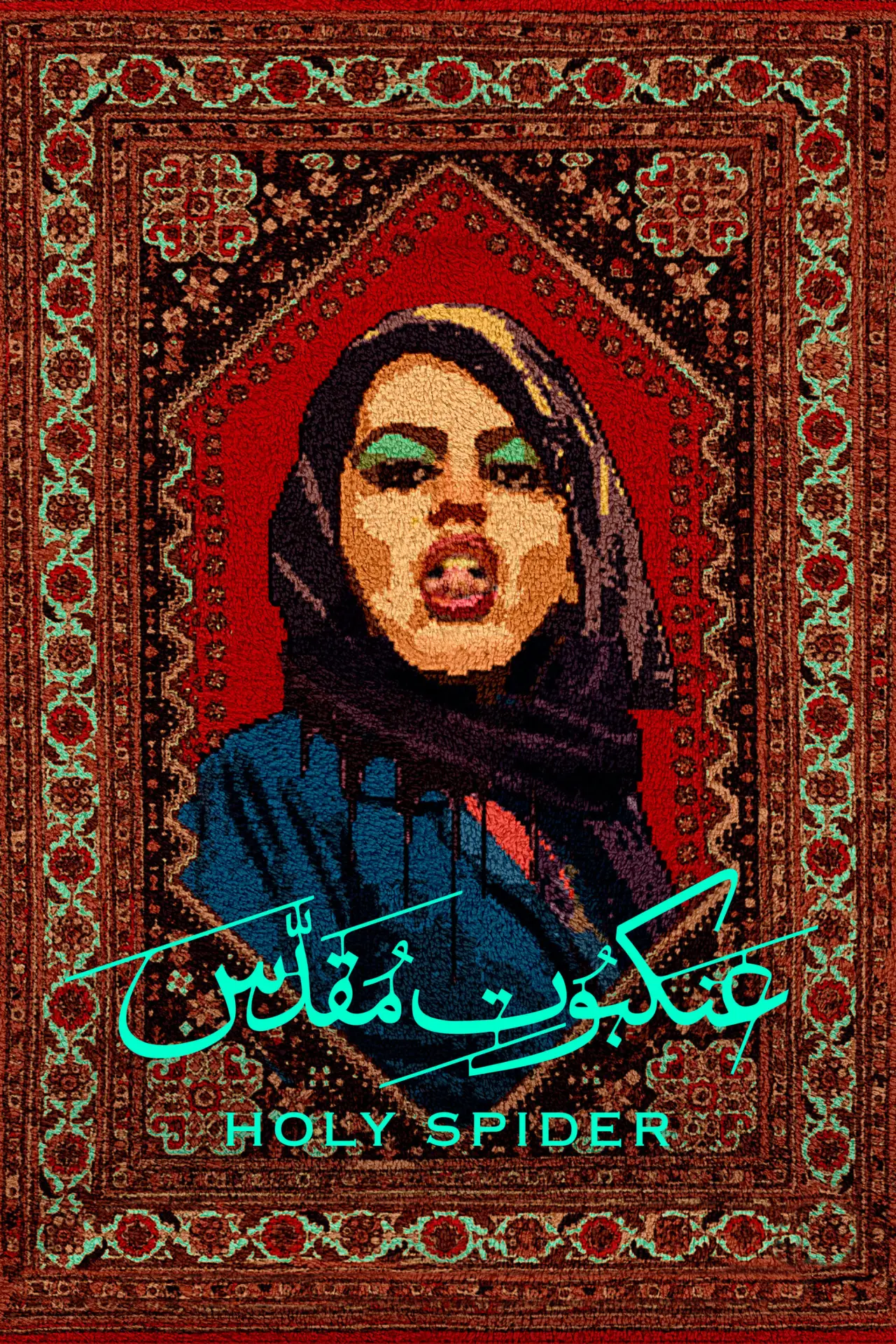
Holy Spider




Short description
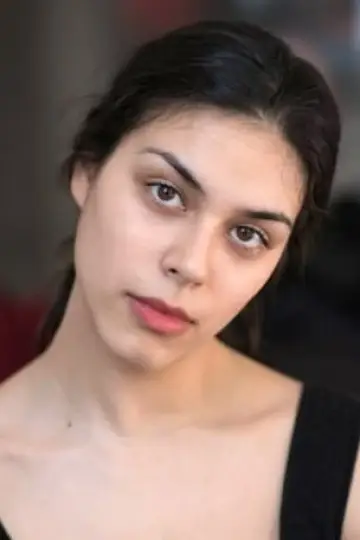
Holy Spider is a crime drama set in the Iranian holy city of Mashhad, where a series of killings targeting sex workers goes unsolved. A journalist named Rahimi travels from Tehran to investigate the case. She soon finds that the local authorities show little urgency in pursuing the perpetrator, a man who claims he is purifying the city of sin. As a woman working in a male-dominated environment, Rahimi encounters obstruction at every turn, while the killer continues to elude capture.
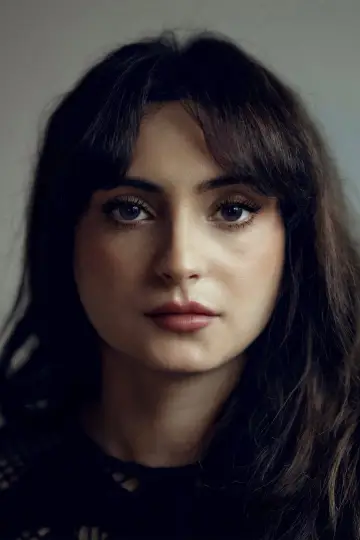
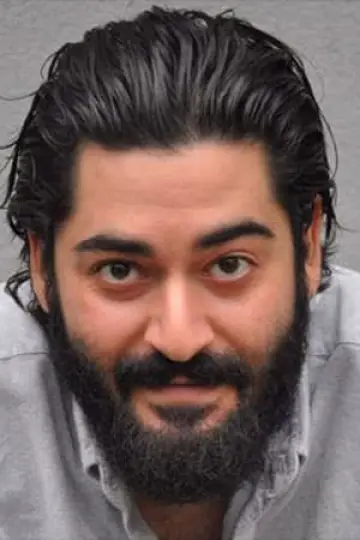
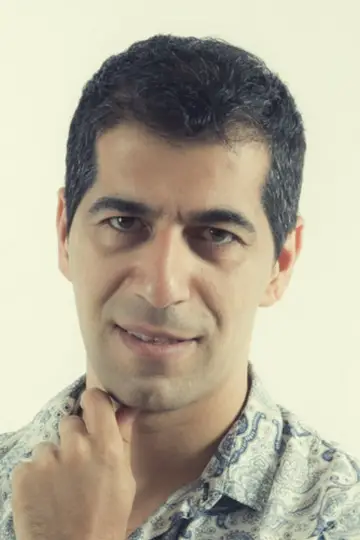
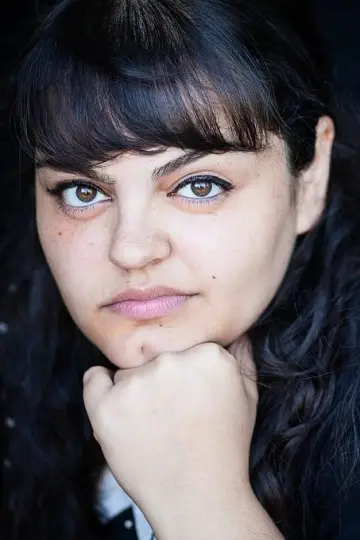
The film is directed by Ali Abbasi, who wrote the screenplay with Afshin Kamran Bahrami. It followed his 2018 feature Border and preceded The Apprentice in 2024. Zar Amir Ebrahimi plays Rahimi, with Mehdi Bajestani as Saeed, alongside Arash Ashtiani, Forouzan Jamshidnejad, Sina Parvaneh and Nima Akbarpour. The production was an international co-production involving Germany, Denmark, Jordan, France and Sweden.
Released in 2022 and running 118 minutes, Holy Spider earned a worldwide box office of around 2 million USD. On IMDb it holds a rating of 7.3 from over 32,000 votes, and on TMDB it also scores 7.3, from roughly 541 votes. A critics' rating of 7.2 from 141 reviews is close to the audience scores, indicating broadly comparable reception across both groups.
What's left behind the scenes
- Initially, lead actress Zara Amir Ebrahimi was in charge of casting. When the actress originally cast in the lead role refused to film without a hijab at the very last moment, Ebrahimi auditioned another 50 actresses. Director Ali Abbasi wanted a different type of actress for the role—he envisioned her as physically strong, inexperienced, and eager to prove herself, while Ebrahimi seemed too meek and mature to him, but the role ultimately went to her.
- The plot is based on real events related to the Iranian serial killer named Saeed Hanaei, who killed 16 prostitutes in Iran between 2000 and 2001. Hanaei was a day laborer and a veteran of the Iran-Iraq War, and he began committing crimes when – according to some sources – someone mistakenly took his wife for a prostitute.
- The film is inspired by true events. Between 2000 and 2001, serial killer Saeed Hanaei murdered 16 women in Mashhad.
- Several days after Zara Amir Ebrahimi received the Golden Palm at the Cannes International Film Festival for Best Actress, the Iranian authorities brought charges of “sacrilege” against her, a native of Iran, and against the film’s director and screenwriter Ali Abbasi (whose background was mixed, Danish-Iranian). Following the awards ceremony in Cannes, Ebrahimi received approximately 200 threats, according to her own account. Threats were also directed at the director-screenwriter and other members of the film crew.
- A prop penis was used in the oral sex scene. According to Ali Abbasi, it proved impossible to find such a prop in Jordan, so one was ordered from abroad. The first attempt to bring the rubber penis across the border failed because the German producer honestly declared what he was carrying at the border, and the item was confiscated. Then, a friend of actress Alice Rahimi brought a dildo from France, hiding it in his trousers.
- Work on the project began in 2016. Initially, they wanted to film in Iran, but this idea was abandoned in 2019. In early 2020, it was decided to organize filming in Jordan, but due to the COVID pandemic, the shoots had to be constantly postponed. At the end of 2020, it was decided to film in Turkey, where COVID restrictions were less strict, but local authorities began stalling on permits. According to Ali Abbasi, this was due to interference from the Iranian government. Work on the film was moved back to Jordan.
- Work on the project began in 2016. Initially, filmmakers wanted to shoot in Iran, but they abandoned this idea in 2019. In early 2020, it was decided to organize filming in Jordan, but due to the Covid-19 pandemic, the start of filming had to be postponed several times. By the end of 2020, it was decided to move filming to Turkey, where the restrictions imposed due to Covid were not as strict, but local authorities began to stall. According to Ali Abbasi, this happened due to the intervention of the Iranian government. Work on the film was again moved to Jordan, where filming began in May 2021 and lasted a total of 35 days.
- Initially, Zara Amir Ebrahimi was simply responsible for casting in the film crew, but then she was cast as the main character. This happened when the actress originally cast in the lead role refused to film without a hijab at the last moment and left the project. Ebrahimi auditioned about 50 more actresses, but ultimately the role went to her. Director and screenwriter Ali Abbasi wanted to cast an actress of a different type – he envisioned her as physically strong, young and inexperienced, and consumed by a passionate desire to prove herself – and Ebrahimi seemed too meek and mature to him. But at some point, Ebrahimi reminded him that in a critical situation, desperate people are capable of a lot, and Abbasi changed his mind.
- Director and screenwriter Ali Abbasi changed the surname of Saeed Khanai (played by Mehdi Bejestani) and invented certain facts concerning the journalist (played by Zara Amir Ebrahimi) in order to avoid drawing undue attention to the real-life inspirations for these characters and to the overall theme of the film (misogyny). The filmmakers depicted the journalist, working undercover, posing as a prostitute to lure the criminal into a trap. This did not actually happen. According to Abbasi, they wanted to make a film not about a serial killer, but about the society in which such serial killers exist.
- A prosthetic penis was used in a scene depicting oral sex with the actress Alice Rahimi. According to the director and screenwriter Ali Abbasi, it proved impossible to find one in Jordan, so it had to be ordered from abroad. The first attempt to smuggle the rubber penis across the border failed. A German producer of the film officially declared at the border that he was carrying an artificial penis for filming, and the item was immediately confiscated. Eventually, Rahimi’s friend brought a dildo from France, hiding it in his pants and saying nothing to customs officials.
- Director and screenwriter Ali Abbasi changed the killer's surname and invented some details regarding the journalist to avoid drawing unnecessary attention to the real-life prototypes.
- A few days after Zara Amir Ebrahimi won the Palme d'Or at the Cannes Film Festival, Iranian authorities brought charges of blasphemy against her and director Ali Abbasi. Ebrahimi claims she received around 200 threats. Threats were also directed at the director and other members of the film crew.
Similar movies




 Auditions in India
 Casting calls in USA
 Castingi w Polsce
 Кастинги в Україні
