El Mariachi




Short description
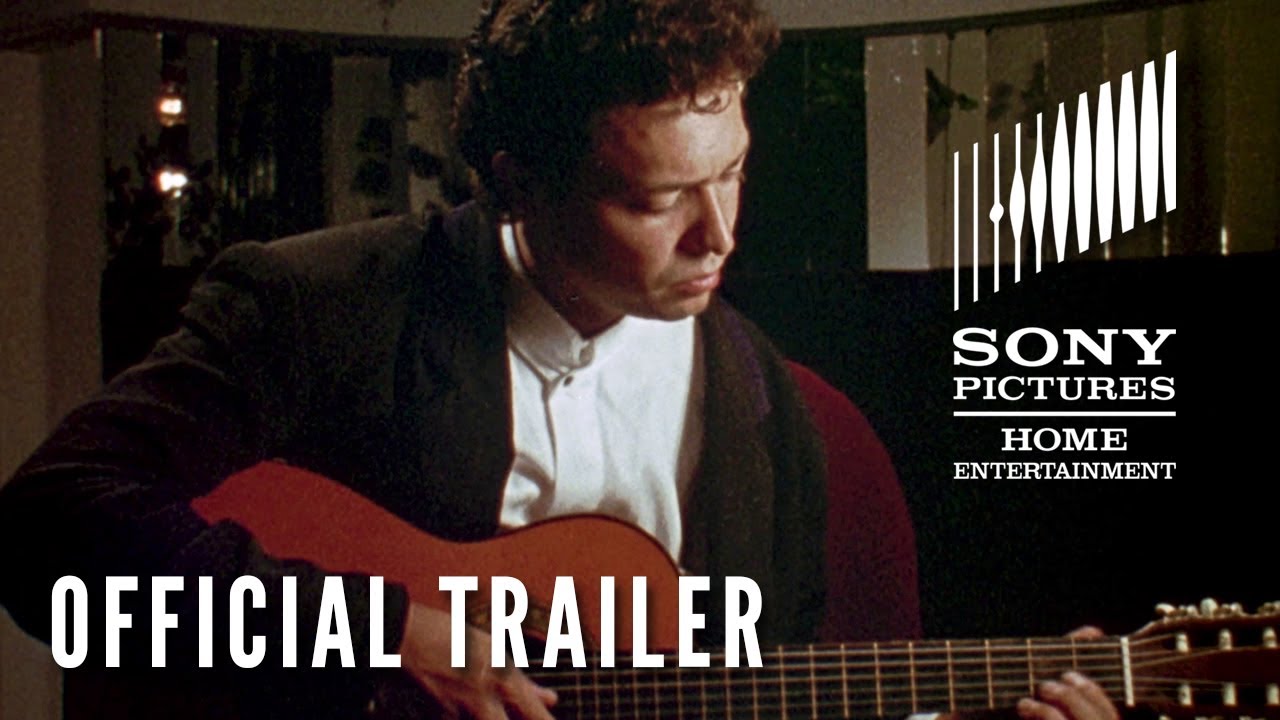
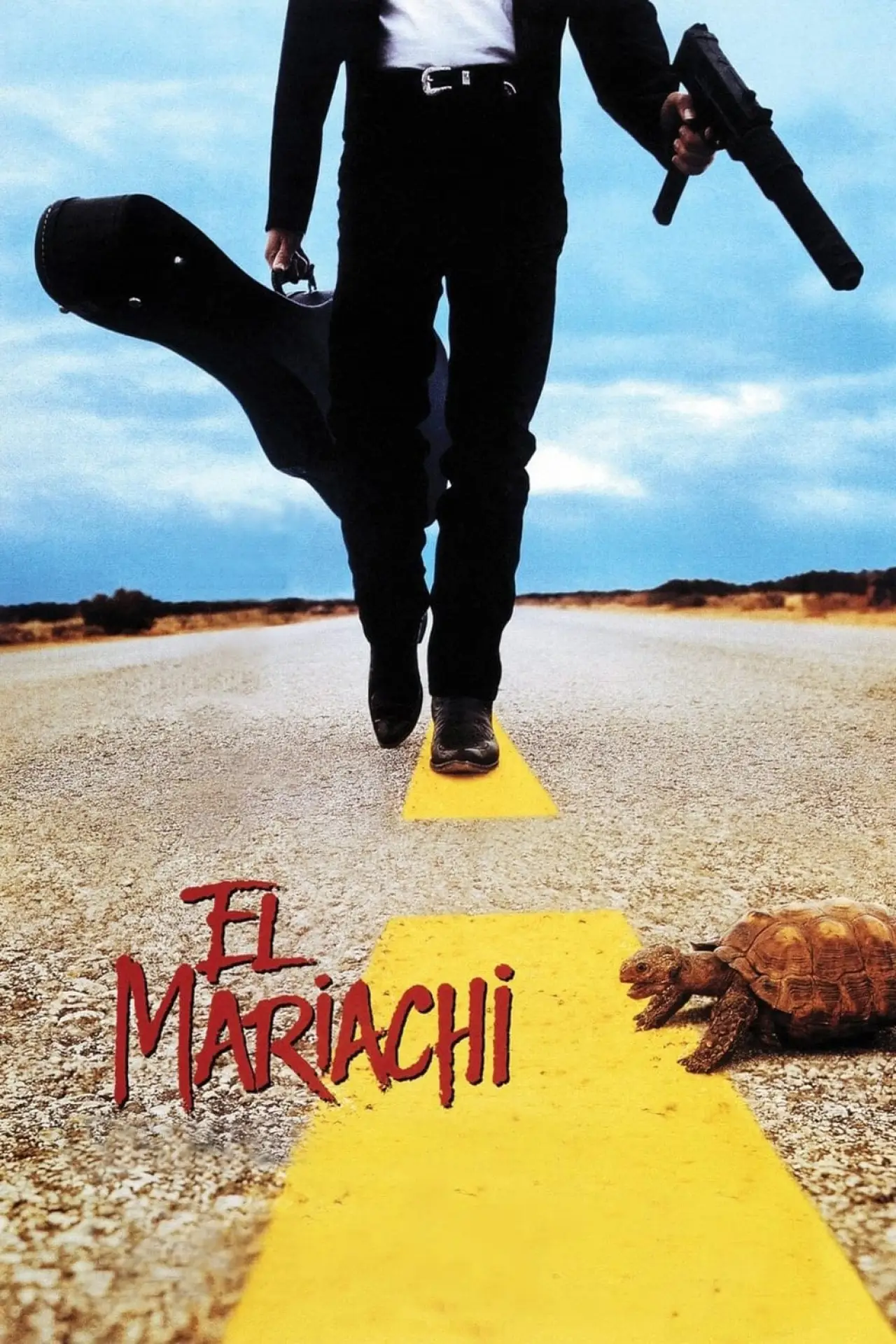
A traveling musician arrives in a small Mexican border town hoping to find work playing his guitar and carrying on his family's tradition. He brings little with him beyond his instrument, which he keeps in a black case. At the same time, a hitman comes to the town carrying his guns in a similar guitar case. Local criminals mistake the musician for the killer and begin hunting him, forcing him to set aside his music and take up weapons to survive.
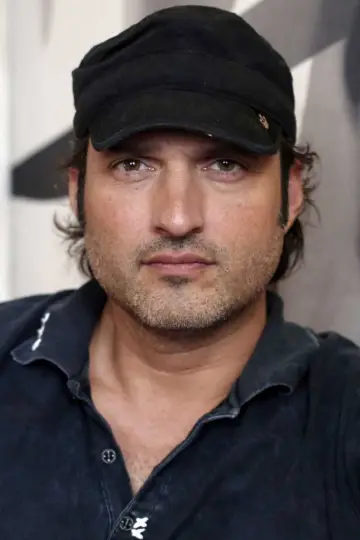
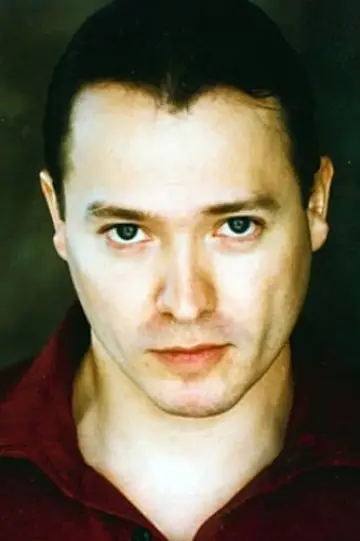
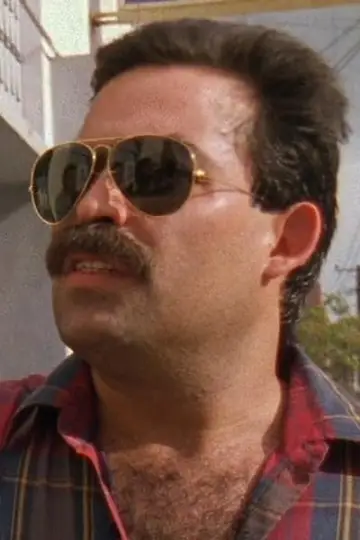
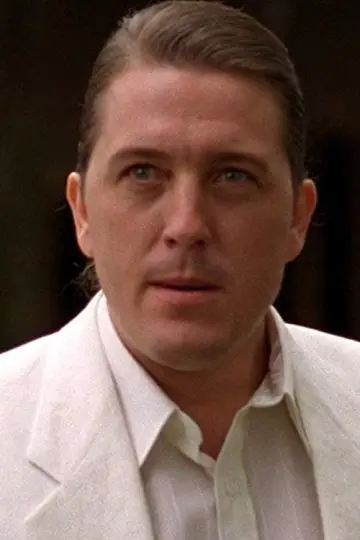
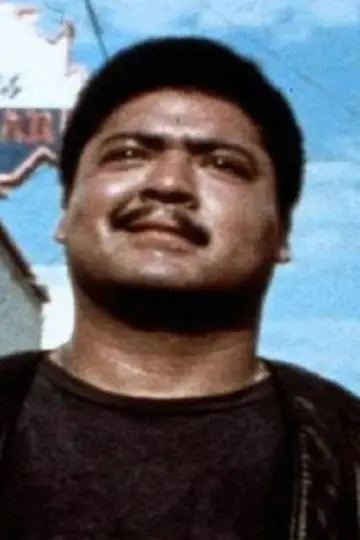
El Mariachi was released in 1993 and runs 81 minutes. It is a Mexican-American action, crime, thriller and Western directed, written and produced by Robert Rodriguez, who also produced alongside Carlos Gallardo. Gallardo plays the title role, with Consuelo Gómez as Domino, Jaime de Hoyos as Bigotón, Peter Marquardt as Mauricio, Reinol Martinez as Azul and Ramiro Gómez as Cantinero. The credited cast numbers 42.
This is the first of 24 films Rodriguez has directed, followed chronologically by Roadracers in 1994. It earned about 2 million dollars worldwide. On TMDB it holds a rating of 6.7 out of 10 from 1,337 votes, indicating a generally favorable but not unanimous response from viewers.
What's left behind the scenes
- To raise money for the film, Robert Rodriguez agreed to participate in a clinical trial for a drug. For a month, he took an experimental medication designed to lower cholesterol. He wrote nearly the entire screenplay while staying at the laboratory. He was paid $3,000. The remaining $4,000 was earned by Peter Marquardt (Moko), who also spent some time serving as a 'lab rat.' The majority of the film's budget was spent on film stock. The DVD release cost about 1 million dollars, most of which went toward advertising and post-production.
- Peter Marquardt did not speak Spanish. He read all of his lines from a script.
- Almost all the weapons shown in the film are water pistols. However, real weapons, borrowed from the city police, appear in a few shots. In the scene where Moko's men pull the Musician out of the jeep and Moko approaches them, a man can be seen sleeping on a bench in the background. This is the police officer who was assigned to oversee firearm safety that day.
- According to Rodriguez, many of the actors in supporting roles were random passersby whom Robert invited to be in the movie.
- Originally, the film was intended to be released directly to video.
- The sound was recorded on a standard cassette recorder using a microphone.
- According to Rodriguez, he made this film to "practice."
- Rodriguez served as the director, screenwriter, cinematographer, producer, special effects coordinator, and so on. The only thing he didn't do was act, because then there would have been no one to film.
- In his book "Rebel Without a Crew," Rodriguez explains that many of the gangsters' specific names in the film were intended as a joke: they are childhood nicknames that the characters are still called because none of them ever grew up. In Spanish, "La Palma" means "palm tree," "Azul" means "blue," "Pepino" means "cucumber," and "Moco" means "booger."
- A dubbed version of "El Mariachi" was created specifically for the American video release. According to Robert Rodriguez, the dubbing cost more than the filming of the entire movie.
- The melody played on the synthesizer is a parody of the musical compositions typically heard in low-budget Spanish action movies released straight to video.
- The Musician's line about the free coconut was added to the film after it was discovered that they had forgotten to film the scene in which he paid for the coconut.
- When filming most of the outdoor scenes, Rodriguez always stayed a short distance away from the Musician. Passersby did not see the director; they only noticed a man walking down the street with an assault rifle. According to the rules, a film crew must provide notice when filming on city streets. Rodriguez did not violate this rule, as he posted announcements stating that filming was taking place. However, they were written in English, and none of the random passersby could understand what they meant.
- The hotel owner and the bartender were played by local news anchors known for being critical of everything happening in town. Rodriguez offered them small roles to win them over to his side.
- While watching some scenes, it may seem that Rodriguez filmed them multiple times using several cameras. However, Robert used a little trick: every time an actor messed up a scene, Rodriguez would stop filming and change the camera angle instead of reshooting the entire scene from the beginning.
- Most of the city scenes were filmed within a two-block radius.
- When the film was released in the US, the title was intentionally left untranslated into English, as it was felt that no one would go to see an action movie titled "The Guitar Player".
- The screenplay was written in English and then translated into Spanish by Carlos Gallardo (The Musician).
- The film's budget was initially intended to be $9,000, but Rodriguez managed to keep it under $7,000, primarily because he filmed every scene in a single take.
- To record the dialogue and sound, the actors first performed the scenes for the camera and then repeated them for the microphone. For the most part, this recording method proved effective, except for a few scenes where a lack of synchronization between the image and sound can be noticed.
- The production budget for the film was 7,000 dollars, however, Rodriguez calculated that if the costs of film stock, processing, and the use of telecinema equipment were excluded, the movie cost only 600 dollars.
- In the first third of the film, Azul insists that he killed only six of Moko's people, while the latter accuses him of killing ten (four of whom were killed by the Musician). In reality, Azul is responsible for the deaths of seven people (three in the opening scene of the film, four in the bar), and the Musician killed three (two in the jeep, one near the car).


 Auditions in India
 Casting calls in USA
 Castingi w Polsce
 Кастинги в Україні
